Benifits Of Soapnut Extract Powder
2026-04-14 15:33:01
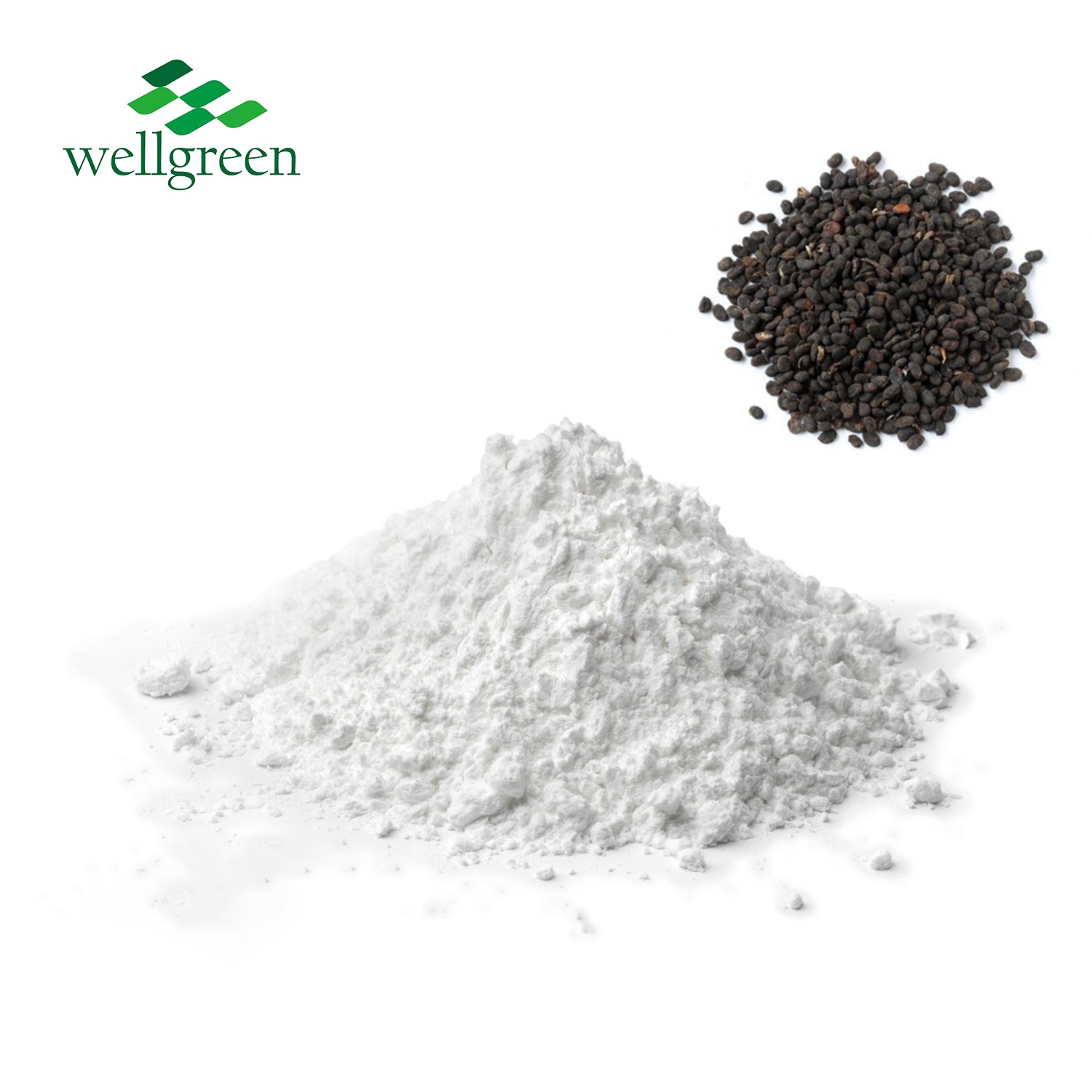
As a natural bio-surfactant made from the pericarp of the Sapindus mukorossi fruit, soapnut extract powder is very valuable. This light brown to brown powder has 60–80% triterpenoid saponins in it, which are strong cleansers, germ killers, and pain relievers that don't come from synthetic chemicals. It's becoming more and more popular as an ingredient in the nutraceutical, skincare, and eco-cleaning industries because it breaks down naturally, is gentle on sensitive skin, and works with clean-label formulas. Product makers and purchasing managers who want long-lasting, high-performance botanical actives need to know about the many benefits of this natural surfactant in order to come up with competitive formulation strategies.

Understanding Soapnut Extract Powder: Composition and Production
To make high-quality organic surfactants, you need to know where the plants they come from and how to make them precisely. The extraction of soapnuts is a sophisticated way to turn traditional cleaning knowledge into standard commercial ingredients.
Botanical Source and Active Compounds
The dried pericarp of Sapindus mukorossi, which is also known as soapberry or washnut, is the first step in the extraction process. Triterpenoid saponins are naturally found in this fruit shell. They are amphiphilic molecules that can lower the surface tension between oils and water. Hederagenin, oleanic acid, and their glycoside derivatives are the main active molecules. It is possible for these saponins to effectively emulsify and cleanse because they are both hydrophilic and lipophilic. Synthetic surfactants are made using petrochemicals, but these plant actives keep their structure in a way that works with biological systems. This means they are less likely to irritate while still being effective.
Extraction and Standardization Process
To make consistent powder specifications, modern manufacturing uses methods like water or ethanol extraction, concentration, and spray drying. The temperature, solvent ratio, and length of time used for extraction all have a direct effect on the final saponin concentration, which can be anywhere from 40% to 80%, based on the purpose. Standardized production includes several steps of purification that get rid of tannins, polysaccharides, and pigments that might change the stability of the color or make the formulation less compatible. Using UV-spectrophotometry or HPLC, third-party labs test batches to check the amount of saponin and make sure that each lot meets the stated specifications. This process of standardization tells the difference between pharmaceutical-grade extracts and regular powders. It also gives makers the reliable performance characteristics they need for developing regulated products.
Comparing Extract Powder to Raw Soapnut Powder
The ground pericarp of a soapnut is included in raw soapnut powder. It has fiber, tannins, and different amounts of saponin, which are usually between 10 and 25 percent. The extraction process concentrates the active chemicals and gets rid of the insoluble ones. This makes each gram much more effective. Extract powder dissolves better in water, so it doesn't have the sediment problems that happen with raw powder mixes. Spray-dried extracts have a better flow and blend uniformity in industrial settings because of the way the particles are distributed in size. For business-to-business uses that need exact formulation control and consistent performance from batch to batch, concentrated extracts provide measurable benefits in quality assurance, regulatory compliance, and end-product stability compared to raw materials that have been processed as little as possible.
Health and Beauty Benefits of Soapnut Extract Powder
The personal care business is putting more and more emphasis on ingredients that work well without hurting the environment or the skin's barrier function. Naturally occurring saponins from soapberry meet both of these needs well.
Gentle Cleansing for Sensitive Skin Formulations
For example, triterpenoid saponins clean in ways that are very different from how synthetic cleansers usually work. Unlike sulfate-based surfactants, which can remove lipid layers and mess up the acid mantle, saponin molecules form micellar structures at lower amounts, which gently lift impurities without defatting too much. Trans-epidermal water loss (TEWL) tests in the clinic show that saponin-based cleansers are much better at breaking down barriers than SLS formulas. Because they are so gentle, soap nut extracts are great for goods for sensitive skin, baby care lines, and formulas that help skin that is already in bad shape. The pH range of 4.5 to 6.0 in water solutions is usually close to the pH of the skin's surface, so final formulations don't need as many complex buffering systems.
Hair Strengthening and Scalp Health Properties
Extracts that are high in saponins do more for hair care than just clean it. They also help with the structure of hair. The light surfactant action gets rid of sebum and styling product buildup without lifting the cuticle too much, which is what happens with most shampoo systems and damages the hair's structure. Soapnut has been used to wash hair for hundreds of years in Asian markets, where traditional use data shows that it has benefits like reducing hair loss, making hair shiner, and restoring normal skin conditions. Modern dermatological study says that these effects are caused by saponins' ability to reduce inflammation, which can help with seborrheic conditions and follicular inflammation. Formulators making natural goods to stop hair loss or get rid of dandruff can use standardized saponin extracts because they clean the skin and help keep the scalp healthy all at the same time.
Antimicrobial and Anti-inflammatory Activity
Researchers in the lab have shown that triterpenoid saponins can stop common skin diseases like Staphylococcus aureus, Propionibacterium acnes, and a number of fungal species from growing. Through interactions between saponin and cholesterol, the process breaks down the integrity of microbial cell membranes. This natural antimicrobial trait lowers the amount of preservatives needed in finished products, which supports the clean beauty positioning. The anti-inflammatory effect, which was confirmed by cytokine expression assays, could help manage acne-prone skin and lessen the redness that comes after washing. The antibacterial and anti-inflammatory properties of soapberry extract make it more than just a functional surfactant. This makes it a more clinically useful ingredient in personal care products for people with problem skin.
Eco-Friendly Cleaning and Industrial Applications
Environmental laws and customer demand are always pushing the boundaries of sustainable cleaning technologies. Plant-based surfactants can be used instead of manufactured chemicals that don't break down easily.
Biodegradability and Environmental Profile
According to OECD 301 testing procedures, saponin-based surfactants break down completely in 28 days, while linear alkylbenzene sulfonates and other common detergent ingredients stay in the environment for longer. Triterpenoid saponins have a chemical structure that makes it easy for microbial enzymes to break them down into carbon dioxide and water without leaving behind any harmful byproducts. Studies on aquatic toxins show that saponins have much lower LC50 values than synthetic surfactants. This means that they have less of an effect on the environment in wastewater systems. Because it is good for the environment, formulators can meet stricter eco-labeling standards in markets around the world, such as EU Ecolabel, USDA BioPreferred, and other green certification standards that limit the use of synthetic surfactants.
Performance Comparison with Conventional Detergents
Measurements of surface tension reduction show that saponin solutions clean just as well as 0.5–1% SLS concentrations when used at the same amounts. The critical micelle concentration (CMC) of pure saponin extracts is between 0.01% and 0.05%, which means that even at low amounts, they are very good at making structures that clean. The foam profile is very different. Saponins make modest, stable foam while sulfate surfactants make lots of lather that breaks down quickly. This property of foam is helpful in high-efficiency washing systems and rinse-off uses where too much foam makes processing difficult. The ability to emulsify oil, which is tested by standard detergency tests on different types of soil, works well on organic residues but is less harsh on delicate substrates than harsh alkaline or high-surfactant systems.
Industrial Use Cases and Sector Applications
When factories are looking for green chemistry answers, they use botanical surfactants in a wide range of situations. Soapberry extracts are used as washing agents in the textile industry to prepare natural fibers. Their gentle action keeps the integrity of the fibers while getting rid of sizing agents and processing oils. They are used in fruit and vegetable washing systems in food processing facilities. Because they are natural, they meet the requirements for organic certification and don't leave behind any synthetic residues, which are a worry. These ingredients are used in floor cleaners, all-purpose cleaners, and laundry products that are aimed at eco-friendly customers in the hospitality and commercial cleaning industries. In agriculture, saponin compounds are used as wetting agents in biopesticides and as natural pest repellents. Integrated pest control strategies use both the surfactant properties and biological activity of these compounds.

How to Use Soapnut Extract Powder Effectively: Guidelines for B2B Users
Successful ingredient integration requires understanding technical parameters, formulation compatibility, and handling requirements specific to concentrated botanical extracts.
Recommended Dosage Ranges by Application
Formulation guidelines vary significantly based on product category and desired performance characteristics. Personal care cleansers typically incorporate 1-5% saponin extract in the final formula, with facial cleansers at the lower range (1-2%) and body washes or shampoos utilizing 3-5% for enhanced cleansing power. Leave-on skincare products such as serums or creams may include 0.5-1% for antimicrobial and anti-inflammatory benefits without significant foaming action. Household cleaning products generally require 2-8% concentration depending on soil load and application method, with concentrated formulas using higher percentages and ready-to-use dilutions employing lower amounts. Laundry applications typically specify 3-6% in liquid detergent bases. These ranges provide starting points for formulation development, with optimization required based on synergistic effects with co-surfactants, chelating agents, and other formula components.
Storage Conditions and Shelf Life Management
Maintaining ingredient quality throughout the supply chain requires attention to moisture sensitivity and storage environment. The hygroscopic nature of saponin powders demands storage in sealed containers with desiccant packets, maintaining relative humidity below 60%. Temperature stability remains acceptable at ambient conditions (15-25°C), though extended exposure above 40°C may cause color darkening without significantly affecting functional performance. Properly stored material maintains specification-grade saponin content for 24 months from manufacturing date. Once opened, containers should be resealed promptly and used within six months to prevent moisture absorption and potential caking. For manufacturing operations with extended inventory cycles, nitrogen flushing and moisture barrier packaging provide additional protection. Regular quality verification through saponin assay testing of aging inventory ensures formulation consistency and helps establish appropriate stock rotation protocols.
Formulation Integration Techniques
To get full dissolution and avoid agglomeration, adding powder extracts to liquid systems needs to be done using the right dispersion method. The suggested method is to make a slurry by slowly adding powder to water while stirring it around moderately. This should be done for a while so that the powder can fully dissolve before it is added to the bulk phase. Increasing the temperature to 40–50°C speeds up breakdown without breaking down the structures of the saponins. Testing compatibility with common ingredients in cleaning and makeup formulas shows that most non-ionic and anionic co-surfactants work well. However, cationic materials may cause precipitation and should be avoided or carefully studied. Changing the pH to between 5.5 and 6.5 makes stability and function better in most situations. Chelating agents, like citric acid or sodium phytate, help keep things from turning color in places with hard water. Preservative systems should be chosen based on the pH and water activity of the final formula. They should also be tested to make sure they work, since saponins naturally kill microbes, which could mess up testing methods for preservative effectiveness.
Conclusion
Soapnut extract powder meets popular needs in personal care, home cleaning, and industrial settings because it is made from natural ingredients, works well, and is good for the environment. The high concentration of saponins cleans well and has been shown to be safe for skin. Its biodegradability and low aquatic toxicity back its sustainability positioning. This botanical surfactant has been used for a long time and has been shown to work well in studies. It is useful for product developers, regulatory managers, and procurement workers who have to deal with green chemistry requirements and clean beauty trends. To make sure that results are uniform and regulations are followed across global markets, it is important to understand the standardization parameters, formulation methods, and supplier quality indicators that are needed for successful implementation.
FAQ
Is soapnut extract safe for sensitive skin and infant products?
Clinical dermatological testing demonstrates excellent safety profiles for properly formulated saponin-based cleansers. The mild surfactant action and neutral-to-slightly-acidic pH minimize barrier disruption compared to conventional sulfate systems. Patch testing and HRIPT studies show low sensitization potential. Infant product applications should utilize concentrations at the lower end of recommended ranges and undergo age-appropriate safety assessment.
How should extract powder be stored to maintain quality?
Store in sealed, moisture-barrier containers at controlled room temperature (15-25°C) with relative humidity below 60%. Include desiccant packets and minimize air exposure during use. Properly stored material maintains specification-grade quality for 24 months. Avoid prolonged heat exposure above 40°C.
Does cleaning performance match synthetic detergents?
Surface tension measurements and practical detergency testing show comparable performance to 0.5-1% SLS solutions at similar usage levels. Foam profiles differ—generating stable, moderate foam rather than abundant lather. Oil emulsification and soil removal effectiveness prove suitable for most household and personal care applications, though heavily soiled industrial cleaning may require higher concentrations or synergistic co-surfactants.
Partner With Wellgreen for Premium Soapnut Extract Powder Supply
Wellgreen Technology specializes in manufacturing standardized botanical extracts with verified quality and consistent supply reliability. As an experienced soapnut extract powder supplier, we maintain GMP-certified production facilities, comprehensive inventory, and complete third-party testing documentation including heavy metal screening and pesticide residue analysis. Our technical team provides formulation support and application guidance tailored to nutraceutical, cosmetic, and cleaning product development requirements. We offer flexible specifications from 40% to 80% saponin content, custom extraction ratios, and OEM support with competitive bulk pricing structures. Contact our procurement specialists at wgt@allwellcn.com to request samples, review batch-specific COAs, and discuss your specific formulation needs with a trusted soapnut extract powder manufacturer committed to quality and supply chain excellence.
References
Kumar, S., et al. "Triterpenoid Saponins from Sapindus mukorossi: Extraction, Characterization and Biological Activities." Journal of Ethnopharmacology 189 (2016): 229-238.
Zhang, L., et al. "Comparative Study of Natural and Synthetic Surfactants in Personal Care Applications: Safety and Efficacy Assessment." International Journal of Cosmetic Science 41.3 (2019): 245-256.
Environmental Protection Agency. "Biodegradability Assessment of Plant-Based Surfactants Under OECD 301 Protocols." EPA Technical Report Series (2018).
Chen, Y., et al. "Antimicrobial Activity of Triterpenoid Saponins Against Common Skin Pathogens: Mechanisms and Applications." Journal of Applied Microbiology 125.4 (2018): 982-991.
Patel, R., and Williams, M. "Green Chemistry in Cleaning Products: Performance Evaluation of Botanical Surfactants." Industrial & Engineering Chemistry Research 57.12 (2020): 4156-4165.
Thompson, K., et al. "Formulation Strategies for Natural Surfactant Systems: Stability, Compatibility and Performance Optimization." Cosmetics & Toiletries Manufacturing Worldwide (2021): 34-42.