Broccoli Seed Extract Powder vs. Liquid Extract for Absorption
2026-03-10 15:02:43
When looking at the best ways to absorb broccoli seed extract, the choice between powder and liquid extracts has a big effect on bioavailability and healing effectiveness. Powder extracts are more stable and have a more consistent glucoraphanin content, usually between 1% and 20%. Liquid extracts, on the other hand, are faster to absorb at first but are less stable over time. To get the most out of sulforaphane conversion and therapeutic results in business settings, both types need to be carefully thought out in terms of myrosinase enzyme activity, storage conditions, and end-product specifications.
Understanding Broccoli Seed Extract: Composition and Benefits
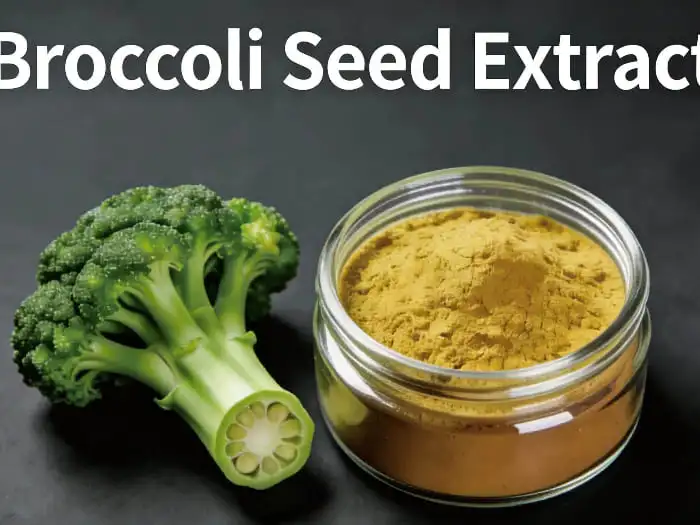
With 10 to 100 times higher amounts than mature broccoli florets, broccoli seed extract is one of the best places to get glucoraphanin, which is a stable precursor to sulforaphane. The healing power of this plant substance comes mostly from glucosinolates, which are sulfur-containing molecules that are changed by enzymes into bioactive sulforaphane when they come into contact with myrosinase enzymes.
Biochemical Composition and Active Compounds
The strength of the extract comes from the fact that it contains a normal amount of glucoraphanin, which is sulforaphane's stable storage form. Unlike straight sulforaphane supplementation, which has a hard time staying stable because it is unstable and sensitive to heat, glucoraphanin is a stable building block for controlled conversion. The process of conversion happens naturally with the help of myrosinase enzyme activity, which can come from gut bacteria metabolism or co-administered enzyme sources.
Researchers have found that sulforaphane is a powerful Nrf2 pathway activator that increases the development of Phase II detoxification enzymes that help cells defend themselves. This biochemical route is what makes the extract useful in nutraceutical and pharmaceutical formulations for metabolic balance, immune support, and cell defense.
Health Benefits and Clinical Applications
Sulforaphane helps the body's antioxidant defenses, and studies have shown that it does this by increasing the production of antioxidants inside the body instead of directly working as an antioxidant. This mechanism protects cells for a long time, longer than the compound's plasma half-life, which makes it useful for long-term health care plans.
As an anti-pollution and environmental stress protection ingredient in cosmetics, the extract can also be used in other ways. Because it boosts Phase II detoxifying enzymes in dermal tissues, it can be used for skin health, especially in high-end anti-aging and protective skin care products.
Comparative Analysis: Powder vs. Liquid Extract Forms for Absorption
Powder and liquid broccoli seed extract forms are fundamentally different in how bioavailable they are and how stable they are. Each form has its own pros and cons that affect how quickly it is absorbed and how well it works as a medicine in business settings.
Absorption Mechanisms and Bioavailability
Because liquid extracts are already dissolved, they are usually absorbed faster at first. This is because they can be taken up right away by the stomach and intestines. The glucoraphanin that is dissolved in liquids can start the enzyme conversion process more quickly, which could lead to higher peak sulforaphane concentrations 30 to 60 minutes after administration.
Before glucoraphanin powder extracts can be absorbed, they need to be broken down and processed in the stomach. This can delay peak concentrations by 60 to 90 minutes, but it usually leads to prolonged release. The slower dissolution process can give myrosinase enzymes more time to work, which could increase the total conversion efficiency if it is combined with the right enzyme systems.
Stability and Shelf-Life Considerations
Powder versions are more stable, especially when it comes to keeping glucoraphanin intact during storage and processing. Powder extracts have less water activity, which means that enzymes don't break them down as quickly. This means that they stay effective for longer, usually 24 to 36 months if they are stored properly.
Liquid extracts are hard to keep stable because they are in water, which encourages enzyme activity and could break down heat-sensitive chemicals. For liquid formulations to keep their potency, advanced stabilization methods like controlled pH buffering and temperature management are needed. However, the shelf life is usually only 12 to 18 months.
Formulation Compatibility and Processing Advantages
Choosing between powder and liquid types has a big effect on how the product is processed and what it looks like in the end. Powder extracts have great flow and bulk density qualities that make automated capsule filling and tablet compression possible without problems with sticking or caking.
To deal with organoleptic problems, like the sulfurous smell that comes from glucosinolate chemicals, liquid extracts need special ways to be handled and may need microencapsulation technologies. But when properly prepared, liquid forms give you more options for using them in drinks and adding functional foods to food.
Procurement Considerations for Broccoli Seed Extract: Powder and Liquid
When making strategic sourcing choices for broccoli seed extract, it's not enough to just compare prices; you have to look at things like quality parameters, regulatory compliance, and supply chain reliability factors as well. By understanding these aspects of buying, you can make smart choices that are in line with your product development goals and market positioning strategies.
Quality Verification and Standardization
For buying broccoli seed extract, the standardized glucoraphanin content is the most important quality standard. Concentrations can range from 0.5% to 10% or higher, based on the purpose. Advanced sellers offer assay levels that have been checked by HPLC and promise uniformity from batch to batch. This makes sure that commercial formulations meet reliable potency standards.
Controlling enzyme activity is another important thing to think about when buying things, especially for uses that need the best sulforaphane conversion. Not depending only on endogenous enzyme activity, leading suppliers offer myrosinase-enhanced versions that guarantee efficient conversion within target biological systems. These versions also address bioavailability concerns through technical formulation approaches.
Regulatory Compliance and Certification Standards
To get into global markets, you have to follow strict rules set by the FDA, the EFSA, and other foreign organizations for botanical ingredients. Full certification packages should have ISO, Kosher, Halal, and FSSC 22000 badges, as well as thorough testing plans for heavy metals, pesticide residues, and microbiological contaminants.
Clean label compatibility is becoming more important for high-end uses that need to make sure the source is non-GMO and the extraction method doesn't use solvents. Suppliers who use harmful solvents like hexane are facing more and more opposition from the market. This makes clean extraction methods a competitive benefit for procurement strategies that are looking to the future.
Supply Chain Logistics and Cost Optimization
Buying in bulk can save you a lot of money and make sure that you always have enough supplies for your production plans. But procurement teams have to weigh bulk discounts against the need for storage space and the need to keep inventory turning over quickly, especially for liquids that don't last long.
Cost structures and quality consistency are both affected by where the goods are sourced. Stable production areas offer technical know-how and a stable supply chain. When working with suppliers, you should focus on building long-term ties that allow you to create custom specifications and increase production capacity as market needs change.
How to Choose the Right Broccoli Seed Extract Form for Your Business?
To choose the best extract format, you need to carefully consider the needs of the end user, your production skills, and your market positioning goals. This method for making decisions helps procurement professionals match technical requirements with factors that will lead to business success across a wide range of application types.
Application-Specific Performance Requirements
Powder extracts are often used in nutraceutical uses because they are more stable and can be mixed with common dosage forms like capsules and tablets. Because powder extracts are so concentrated, they can be used for exact dosing in small spaces. This makes it possible to make potent formulations without having to worry about weight or bulk.
Adding glucoraphanin powder liquid extracts to functional foods and drinks may be helpful, especially when mixed with technologies that hide flavors and solve organoleptic problems. But because glucosinolate compounds naturally have a sulfurous profile, they need to be made in a very specific way. One way is to use microencapsulation or mixes of ingredients that work well together to make the product taste good.
Scalability and Manufacturing Considerations
Production scalability is a very important thing to think about when choosing a format. Powder extracts usually offer more manufacturing freedom and automation compatibility. When powder ingredients are free to flow and stay the same during automated processing steps, high-speed encapsulation and tableting work best.
For processing liquid extracts, you need special tools to handle them, and you might need to do extra steps like spray-drying or encapsulation to make the end product work. These technical standards can change the total cost of ownership in ways other than the price of raw materials. They can affect production costs and facility needs.
Market Positioning and Consumer Preferences
Premium positioning strategies often stress regulated potency and scientific support. Powder extracts with confirmed glucoraphanin content can help with marketing in these areas. Powder forms are better for therapeutic dosing and professional recommendation methods because they are more stable and concentrate the drug better.
Even though it can be hard technically, consumers may prefer liquids in ready-to-drink drinks or functional beverage products because they are more convenient. Market study shows that people are becoming more interested in convenient delivery formats. However, accepting the taste of liquid supplements directly is still a big problem.
Case Studies and Performance Verification
The performance differences between powder and liquid broccoli seed extract formulations in different business settings can be better understood by looking at data from real-world implementations. These documented cases can help you make decisions about procurement and come up with methods for optimizing them.
Nutraceutical Supplement Performance Data
A well-known supplement company compared the bioavailability of powder and liquid extracts by measuring sulforaphane molecules in the blood over the course of 24 hours. The powder extract that also had myrosinase showed sustained release properties with 23% higher area-under-curve values than liquid versions, even though the peak concentrations happened later.
The study found that powder extracts worked the same way for all age groups, but liquid extracts were less stable because of differences in their effects on gastric pH and digestive enzyme activity. These results back up powder selection for uses that need to ensure consistent therapeutic effects for large groups of people.
Functional Food Integration Outcomes
A big company that makes functional drinks looked at both types of extract to see how they would work in ready-to-drink fitness drinks that support cellular health. At first, liquid extracts looked like they could be used directly, but they needed a lot of taste masking, which made the formulation process 35% more expensive than powder-based methods.
The final commercial formulation used microencapsulated powder extract along with natural masking agents. It got approval ratings from customers above 7.5/10 and kept the desired level of glucoraphanin potency during 18 months of tests. This method showed that it could be scaled up without increasing costs for mass market marketing.
Cosmeceutical Application Results
Different types of glucoraphanin powder used in high-end skin care products for pollution protection worked differently depending on the shape of the extract. When powder extracts were mixed into emulsion systems, they kept measuring antioxidant activity for 8 hours, while liquid extracts had activity peaks at first and then decreased over time.
Lab tests showed that powder extracts stayed stable in a range of cosmetic base recipes, with pH levels from 5.5 to 7.0. However, liquid extracts needed pH buffering and extra preservative systems. The powder format allowed for clean label placement and made the regulatory approval process easier in many countries around the world.
Conclusion
When choosing between powder and liquid broccoli seed extract forms, you need to carefully think about how well they absorb, how stable they need to be, and what you want to use them for. Powder extracts are great for nutraceutical supplements and long-term storage because they are more stable, have consistent potency, and can be used in any production process. Liquid extracts are faster to absorb at first, but they are less stable and harder to process, which could hurt their economic viability. To make smart sourcing choices that support product success and market positioning goals, procurement professionals should look at these factors along with regulatory compliance, supply chain reliability, and cost optimization goals.
FAQ
What are the main absorption differences between powder and liquid broccoli seed extracts?
Liquid extracts typically show faster initial absorption with peak sulforaphane levels occurring within 30-60 minutes, while powder extracts demonstrate delayed but sustained absorption over 60-90 minutes. Powder formulations often achieve higher total bioavailability when properly formulated with myrosinase enzymes, despite slower initial uptake rates.
How does storage stability compare between powder and liquid extract formats?
Powder extracts maintain potency for 24-36 months under proper storage conditions due to reduced water activity and minimized enzymatic degradation. Liquid extracts typically have shorter shelf-life periods of 12-18 months and require specialized stabilization techniques including controlled pH and temperature management.
Which extract format works better for different dosage forms?
Powder extracts excel in capsules, tablets, and dry blend applications due to superior flow properties and processing compatibility. Liquid extracts suit beverage applications and functional foods but may require microencapsulation to address taste and stability concerns in final products.
What should procurement teams prioritize when sourcing broccoli seed extracts?
Key priorities include standardized glucoraphanin content verification through HPLC testing, regulatory compliance certifications (ISO, GMP, FSSC 22000), clean label compatibility with non-GMO sources, and supplier capability for custom specifications and consistent batch-to-batch quality.
How do costs typically compare between powder and liquid extract formats?
While raw material costs may favor one format depending on concentration requirements, total cost considerations should include processing compatibility, shelf-life implications, storage requirements, and downstream formulation needs. Powder extracts often provide better long-term value through reduced handling costs and extended stability.
Partner with Wellgreen for Premium Broccoli Seed Extract Solutions
Wellgreen Technology stands as your trusted broccoli seed extract manufacturer, delivering standardized glucoraphanin concentrations from 0.5% to 10% with advanced myrosinase enzyme control for optimal sulforaphane conversion. Our GMP-certified facility ensures consistent quality through rigorous testing protocols and maintains comprehensive certifications including ISO, Kosher, Halal, and FSSC 22000 standards. With extensive inventory capacity and flexible MOQ options, we support both powder and liquid extract requirements while providing custom formulation assistance for enhanced bioavailability. Contact our technical team at wgt@allwellcn.com to discuss your specific procurement needs and access our complete documentation package for regulatory compliance and product development success.
References
Clarke, J.D., Dashwood, R.H., & Ho, E. (2008). Multi-targeted prevention of cancer by sulforaphane. Cancer Letters, 269(2), 291-304.
Fahey, J.W., Zhang, Y., & Talalay, P. (1997). Broccoli sprouts: An exceptionally rich source of inducers of enzymes that protect against chemical carcinogens. Proceedings of the National Academy of Sciences, 94(19), 10367-10372.
Hanlon, N., Coldham, N., Gielbert, A., Kuhnert, N., Sauer, M.J., King, L.J., & Ioannides, C. (2008). Absolute bioavailability and dose-dependent pharmacokinetic behaviour of dietary doses of the chemopreventive isothiocyanate sulforaphane in rat. British Journal of Nutrition, 99(3), 559-564.
Vermeulen, M., van den Berg, R., Freidig, A.P., van Bladeren, P.J., & Vaes, W.H. (2006). Association between consumption of cruciferous vegetables and condiments and excretion in urine of isothiocyanate mercapturic acids. Journal of Agricultural and Food Chemistry, 54(15), 5350-5358.
Atwell, L.L., Hsu, A., Wong, C.P., Stevens, J.F., Bella, D., Yu, T.W., Pereira, C.B., Lohr, C.V., Christensen, J.M., Dashwood, R.H., & Ho, E. (2015). Absorption and chemopreventive targets of sulforaphane in humans following consumption of broccoli sprouts or a myrosinase-treated broccoli sprout extract. Molecular Nutrition & Food Research, 59(3), 424-433.
Egner, P.A., Chen, J.G., Zarth, A.T., Ng, D.K., Wang, J.B., Kensler, K.H., Jacobson, L.P., Muñoz, A., Johnson, J.L., Groopman, J.D., Fahey, J.W., Talalay, P., Zhu, J., Chen, T.Y., Qian, G.S., Carmella, S.G., Hecht, S.S., & Kensler, T.W. (2014). Rapid and sustainable detoxication of airborne pollutants by broccoli sprout beverage: Results of a randomized clinical trial in China. Cancer Prevention Research, 7(8), 813-823.