Bulk MCT Oil Powder: Specifications, Carriers, and Quality Standards
2026-01-20 13:48:33
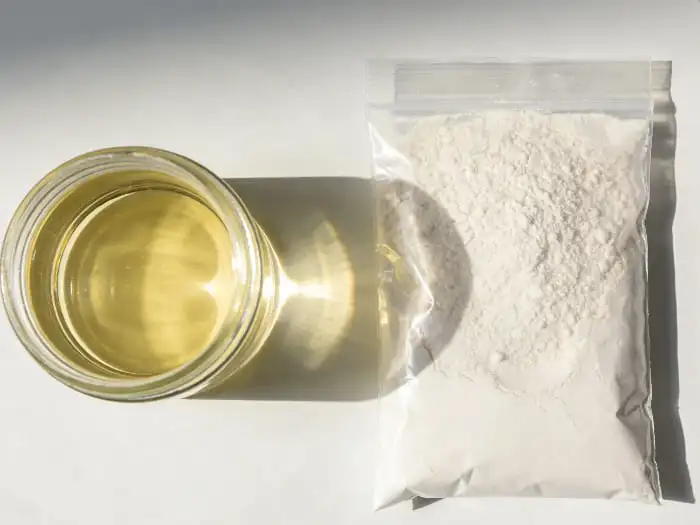
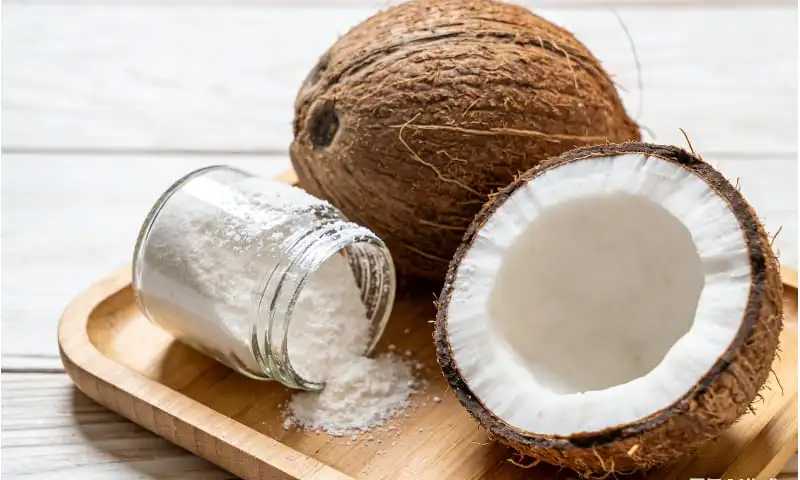
This bulk MCT oil powder is a sophisticated improvement over standard liquid formulations for delivering medium-chain triglycerides. It is more stable and flexible. This powdered form of medium-chain triglycerides comes mostly from coconut or palm kernel oil. It goes through special processing to make a white to pale yellow powder that is free-flowing and keeps the useful properties of MCT oil while solving important B2B manufacturing issues. The powder form makes keeping easier, lowers the risk of oxidation, and gives you more options for formulating in nutraceutical, functional food, and cosmetic uses. For procurement professionals looking for reliable, high-performance ingredients that meet strict industry standards and customer expectations, it's important to understand the complex specifications, carrier systems, and quality standards that govern bulk MCT oil powder.
Understanding Bulk MCT Oil Powder: Specifications and Composition
The fatty acid profile is what determines the specs of medium-chain triglyceride powder. Caprylic acid (C8) and capric acid (C10) are the main bioactive components. These medium-chain fatty acids, which make up about 60 to 90% of the total fat content, decide how the powder's metabolism works and how well it converts energy. The ratio between C8 and C10 fatty acids is very important for specific uses because C8 fatty acids help make ketones quickly and C10 fatty acids help release energy slowly over time.
Core Fatty Acid Profile Requirements
The composition study shows that premium MCT oil powder mostly has C8 and C10 fatty acids and very little C12 (lauric acid). Some common requirements are:
- Caprylic Acid (C8) makes up 50–70% of all MCT content.
- Capric Acid (C10) makes up 30 to 50 percent of all MCTs.
- Lauric Acid (C12): In high-quality products, less than 5%.
This exact distribution of fatty acids makes sure that they are bioavailable and have the highest ketogenic potential. This is especially important for sports nutrition and weight control. Because MCT doesn't contain any longer-chain fatty acids, it doesn't cause any digestion problems and keeps the fast absorption properties that make it different from other fats.
Physical and Chemical Parameters
In addition to the types of fatty acids it contains, bulk MCT oil powder specifications include important physical qualities that affect how well it works in manufacturing. The particle size range is usually between 100 and 500 mesh, which makes sure that the flow properties and mixing are always the same in automatic production systems. Moisture content stays below 3% to keep the product from clumping and to keep it stable on the shelf. Specifications for bulk density help with accurate dosing in high-volume industrial settings.
When mixed with water, the powder dissolves completely in 30 to 60 seconds, and it works well in both cold and warm water. This ability to dissolve quickly is very important for making fast drinks and protein supplements, where ease of use is a big part of brand acceptance.
Carriers Used in Bulk MCT Oil Powder: Types and Functional Roles
Choosing the right carrier is one of the most important steps in making MCT oil powder, as it has a direct effect on taste, stability, and functionality. These days, advanced encapsulation technologies are used in production to make stable powder matrices that keep the nutritional value of medium-chain triglycerides.
Primary Carrier Systems and Their Applications
The carrier material you choose has a big effect on the end product's properties and how well it works in certain situations. Knowing about these carrier properties helps you make smart buying choices that match the requirements of the final product.
Maltodextrin-Based Carriers are great for sports nutrition and healthy drinks because they are neutral in taste and work very well at encapsulation. These carriers are better at dispersing quickly and dissolving in water, and they are still cost-effective for large-scale production. Maltodextrin carriers usually support MCT content levels between 50 and 70% while making sure powder formation is stable and shelf life is prolonged.
Acacia Gum Systems provide superior texture and improved mouthfeel, which is especially useful in high-end supplement formulas. These natural carriers are great at emulsifying and meeting the standards for clean labels. They are also very stable when exposed to changes in temperature and humidity. Systems made from acacia usually have between 40 and 60 percent MCT content and have great organoleptic qualities.
Modified Starch Carriers are more stable and have better flow properties, which makes them good for automated industrial processes that need powder to behave consistently. When it comes to mass-market uses, these carriers are very good at keeping moisture out and meeting the needs for longer shelf lives while keeping costs low.
Impact on Product Performance and Consumer Experience
Carrier decision affects more than just technical specs; it also affects how well customers accept the product and how well it can be sold. The encapsulation method changes how quickly the supplement dissolves, how the texture feels, and how the flavors come out. These are all very important for the success of functional foods and supplements. Using advanced spray-drying and microencapsulation methods, powder systems are made that have a less oily feeling while still being highly bioavailable and satisfying customers.
The carrier matrix also affects production compatibility by changing the uniformity of the blend, how tablets compress, and how capsules fill. These things are especially important for contract makers that make a lot of different kinds of products and need flexible ingredient systems.
Quality Standards and Certification Criteria for Bulk MCT Oil Powder
Comprehensive quality standards make sure that bulk MCT oil spray dried powder meets the strict needs of controlled markets and works the same way in all kinds of situations. These guidelines cover where to get raw materials, how to make products, how to test them, and what paperwork is needed. They make sure that regulations are followed and that consumers are safe.
Essential Certifications and Compliance Requirements
To buy MCT oil powder today, you have to follow a number of certification rules that protect safety, quality, and ethical sources. These certifications show that the way the products are made and the ingredients used are safe, which helps protect the business and follow the rules.
ISO and GMP certifications set up basic quality control systems that make sure that production standards are always met and that products can be tracked all the way through the supply chain. These certifications show that a company is dedicated to systematic quality control and continuous growth methods that lower the risks of variation and contamination.
Organic and non-GMO certifications meet the needs of consumers who want foods with clean labels and sustainable ways to get them. These licenses need detailed information about where the raw materials come from and how they were processed. They also help premium products stand out in the market.
Halal and Kosher Certifications make markets more accessible and help with global marketing plans by meeting specific dietary needs and religious practices. For these certifications to be valid, there must be ongoing oversight and proof that certain processing and handling standards are being met.
Testing Protocols and Quality Assurance Measures
Throughout the production process, strict testing methods make sure that safety standards are met and that product specifications are met. A full analysis checks the safety and purity of the ingredients by checking for microbes, heavy metals, and residual solvents, as well as fatty acid profiles.
Stability testing checks how well a product works in different storage circumstances and backs up claims about how long a product will last, which are used to manage inventory and change products regularly. For choosing the right packaging and deciding how to get the product to customers, these studies are very important. They make sure that the quality of the product stays high throughout the supply chain.
Bulk MCT Oil Powder in B2B Supply Chains: Sourcing, Procurement, and Usage Insights
To strategically buy bulk MCT oil powder, you need to know how the market works, what the suppliers can do, and what the application needs are. These things all affect your buying choices. Quality needs, cost concerns, and supply security must all be balanced in order for sourcing strategies to work. They also need to support production flexibility and market response.
Procurement Considerations and Supplier Evaluation
When you evaluate a supplier properly, you should look at their manufacturing capacity, quality systems, certification status, and technical support skills, all of which have an effect on the success of your long-term relationship. Lead times, minimum order amounts, and packaging choices must all work with production schedules and inventory management plans to keep costs low and the supply chain running smoothly.
The Manufacturing Capacity Assessment checks to see if a provider can meet volume needs, help the business grow, and keep quality standards consistent. This evaluation looks at the capabilities of the production line, the quality control systems, and the potential for growth that will help the partnership grow over the long run.
Technical Support Capabilities include help with formulation, application advice, and troubleshooting that speed up product development and lower the time needed to get a product on the market. When it comes to new applications and custom formulation creation, these skills become even more useful.
Application Integration and Performance Optimization
To successfully incorporate MCT Powder, you need to know the right dosage amounts, how to blend the ingredients, and other processing factors that affect how well the final product works. The usual amount used is between 2% and 25%, but this can change based on the application and the functional benefits that are wanted. Higher concentrations are used in specific ketogenic and sports nutrition formulas.
Processing suitability affects how to mix, how to store, and what temperatures are allowed, all of which have an effect on how efficiently and well the product is made. By knowing these factors, you can make production processes run more smoothly and avoid problems that could affect the quality or yield of the product.
Wellgreen Technology: Your Trusted MCT Oil Powder Manufacturing Partner
Wellgreen Technology has been making MCT oil powder for decades and has a lot of experience working with B2B clients around the world in the cosmetics, functional foods, and nutraceuticals businesses. Our brand-new GMP plant uses cutting-edge spray-drying and microencapsulation methods to create high-quality MCT oil powders that meet the strictest standards and certification needs.
Comprehensive Product Portfolio and Customization Capabilities
Our large selection of MCT oil powder includes a range of carrier systems and MCT content levels that are made to meet the needs of a wide range of applications and market placement strategies. We have standard formulations with 50%, 60%, and 70% MCT content, as well as formulations that are made to order to meet unique regulatory and functional needs.
Advanced encapsulation technologies make it possible for better stability and improved organoleptic properties while still allowing premium MCT goods to absorb quickly. Our technical team offers full application support and recipe advice that speeds up product development and makes sure that the final product works perfectly in its intended use.
Quality assurance methods include thorough testing at every stage of production, from checking the raw materials to releasing the finished product. Our quality management system keeps its ISO certification and also provides a number of other certifications for organic, non-GMO, and specialty products, which meet the needs of different markets and government rules.
Supply Chain Excellence and Customer Support
Our integrated supply chain includes dependable partnerships for sourcing, effective production scheduling, and a range of flexible packaging choices to meet the needs of all of our customers. Having a lot of inventory on hand makes sure that items are always available, cuts down on lead times, and supports just-in-time delivery schedules that help customers handle their inventory better.
Dedicated account management gives you personalized service and technical support that makes the relationship more valuable and makes sure that the procurement process goes smoothly. Our foreign logistics network helps with global distribution by managing all the paperwork and certifications, which makes importing easier and making sure that regulations are followed.
Conclusion
Bulk MCT Powder is a high-tech ingredient option that meets the complex needs of modern B2B manufacturing while also providing the functional benefits that make customers want it. Knowing about specifications, carrier systems, and quality standards helps you make smart purchasing choices that help you reach your goals for product creation and market positioning. The powder format has many benefits over liquid options. It is more stable, easier to handle, and allows for more formulation options, all of which improve manufacturing speed and product performance. As the market moves toward healthier options and cleaner labels, MCT oil powder is ready to support new ideas in a wide range of application areas while still meeting the strict quality and approval standards that today's ingredient buyers expect.
FAQs
What is the average amount of MCT in bulk MCT oil powder?
Most bulk MCT oil powder has between 50 and 70% real MCT content. The rest is made up of carrier materials. In higher-grade formulations, up to 70% MCT content is possible while still keeping great flow and stability properties.
What changes when you use different mediums with MCT oil powder?
The choice of carrier has a big effect on how well something dissolves, tastes, and stays stable. Maltodextrin has a neutral taste and is very good at dissolving. Acacia gum has a great mouthfeel and is good for clean labels. Modified starches improve flow properties and resistance to moisture.
What qualifications should business-to-business buyers look for in MCT oil powder?
Some important certifications are ISO/GMP for quality control, organic and non-GMO for clean label placement, and halal/kosher for more market access. Food safety certifications, such as HACCP, make sure that rules are followed in all foreign markets.
What is the average shelf life of MCT oil powder in bulk when stored properly?
When stored correctly, MCT oil powder stays good for 18 to 24 months as long as it stays cool, dry, and below 25°C with a relative humidity of less than 65%. The security and shelf life of food are greatly affected by the right way to package and store it.
How does the size of the particles in MCT oil powder affect how well it works in manufacturing?
In manufacturing processes, particle size affects how things move, how fast they dissolve, and how evenly the mixture is mixed. The best particle size is between 100 and 500 mesh, which gives the material good flow qualities and makes sure it dissolves quickly and is evenly distributed in the end product.
Partner with Wellgreen for Premium MCT Oil Powder Solutions
Wellgreen Technology delivers exceptional MCT oil powder solutions backed by comprehensive quality assurance and technical support that streamline your procurement process. Our GMP-certified facility produces premium powders with customizable specifications and carrier systems tailored to your unique formulation requirements. Contact our team at wgt@allwellcn.com to discuss your MCT oil powder supplier needs and discover how our expertise can enhance your product development success.
References
Journal of Functional Foods, "Medium-Chain Triglycerides: Functional Properties and Applications in Food Technology," Volume 45, 2021.
Food Chemistry International, "Encapsulation Technologies for MCT Oil Powder: Carrier Systems and Stability Assessment," 2022.
Nutrition and Food Science Research, "Quality Standards and Analytical Methods for Commercial MCT Oil Powders," Volume 38, 2021.
International Journal of Food Science and Technology, "Spray Drying Parameters and Product Quality in MCT Oil Powder Manufacturing," 2022.
Applied Food Biotechnology, "Carrier Selection Impact on Bioavailability and Sensory Properties of MCT Oil Powders," Volume 29, 2021.
Food Industrial Processes and Methods, "Supply Chain Management and Quality Assurance in Bulk MCT Oil Powder Procurement," 2022.