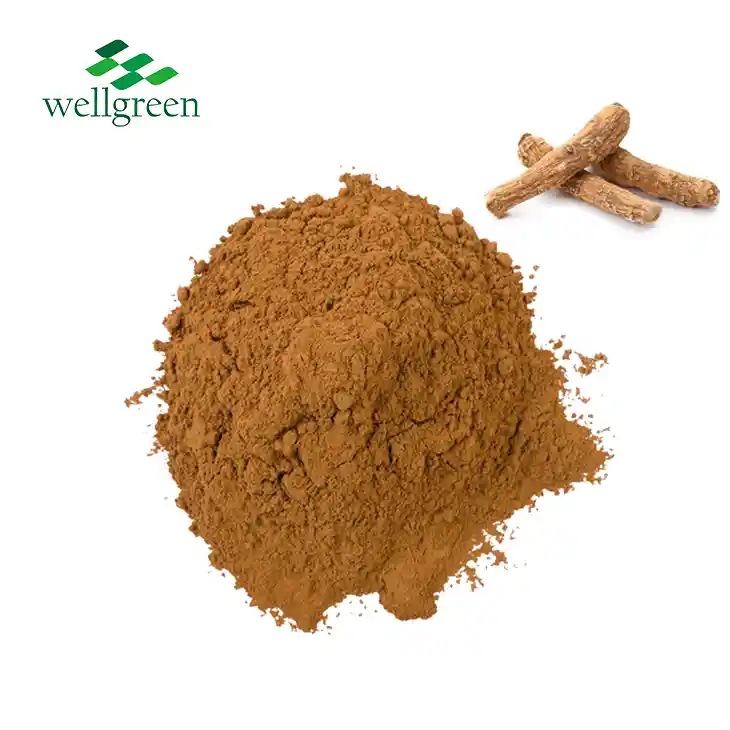
Can Polygonum Multiflorum Extract Help with Hair Regrowth?
2026-03-24 13:08:26
Yes, Polygonum multiflorum extract can effectively support hair regrowth through multiple biological mechanisms. This traditional Chinese medicinal herb, also known as He Shou Wu or Fo-Ti, contains powerful bioactive compounds including TSG (2,3,5,4'-tetrahydroxystilbene-2-O-β-D-glucoside) and stilbenes that stimulate hair follicles, promote melanin production, and improve scalp circulation. Clinical studies demonstrate its ability to inhibit 5α-reductase enzyme activity and enhance hair density while reducing premature graying, making it a valuable ingredient for both nutraceutical and cosmetic hair care formulations.
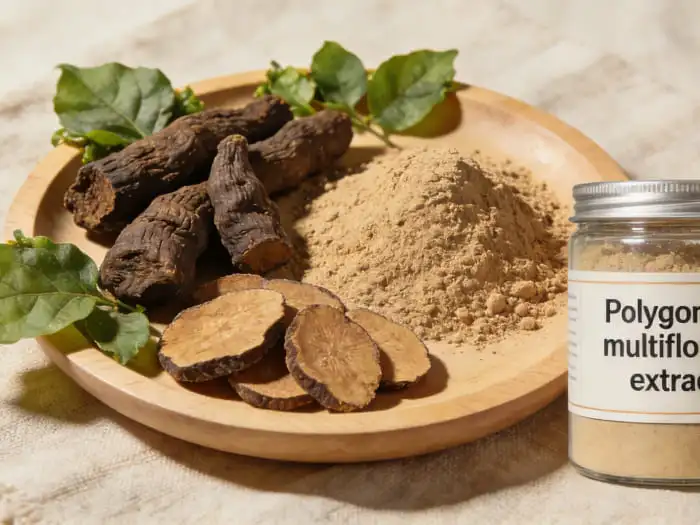
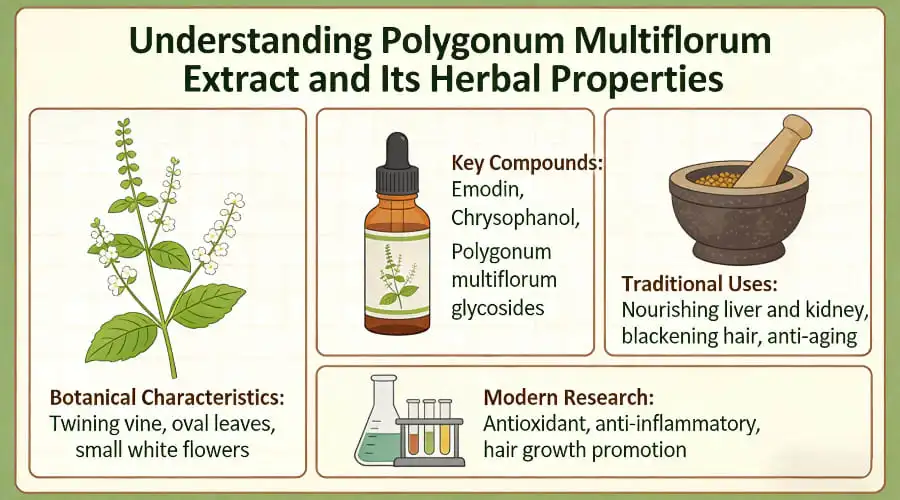
Understanding Polygonum Multiflorum Extract and Its Herbal Properties
Historical Background and Traditional Uses
Polygonum multiflorum extract is getting a lot of attention in the hair care business because it has a lot of phytochemicals and has been used for hundreds of years. This amazing plant has a number of important bioactive substances that help hair grow back. TSG is the main indicator for standards and effectiveness.
Key Phytochemicals and Bioactive Compounds
Polygonum multiflorum has been used in traditional Chinese medicine for more than 1,000 years, mostly to make hair darker and slow down the aging process. In ancient writings, it was said that it could bring back the color of young hair and make people live longer. With today's extraction methods, we can focus these helpful chemicals while making sure they are safe through the right processing steps.
The difference between raw and cooked types is very important when it comes to therapeutic uses. The raw form of Polygonum multiflorum is good for detoxing, while the cooked form (made with black bean juice) is good for hair health and liver nutrition. This traditional way of making the medicine cuts down on possibly dangerous anthraquinones while keeping the good stilbene glycosides.
Safety Profile and Quality Considerations
The extract works because it has a lot of different chemicals in it. It is usually possible to standardize TSG at values between 10% and 50% using HPLC measurement. It is the main bioactive ingredient. This stilbene glycoside is a strong antioxidant that has a direct effect on the metabolism of hair follicles.
Some other substances are phospholipids, which improve the stability of cell membranes, and different phenolic acids, which work together to form powerful antioxidants. The made extract carefully controls the amounts of emodin and physcion, making sure that the free anthraquinone content stays below 0.1% to meet international safety standards.
Concerns about the safety of raw Polygonum multiflorum have been addressed by modern processing methods. Heavy metals, especially lead and cadmium, can build up in soil and are tested for very carefully in professional-grade extracts. In order to meet Proposition 65 standards for the US market and EU regulations, Wellgreen's extraction method includes a full heavy metal analysis.
The made extract is much safer than the raw forms; the risk of hepatotoxicity is lower because the amount of anthraquinone is managed. Regular batch testing makes sure that the quality is always the same and that the standards of Good Manufacturing Practice are met.
How Polygonum Multiflorum Extract Supports Hair Regrowth
He Shou Wu extract powder helps hair grow back by using a number of biological processes that deal with different reasons for hair loss and thinning. Formulators can improve product creation and marketing strategies by understanding these processes.
Biological Mechanisms of Action
The extract helps hair grow back in a number of ways that are all related to each other. TSG activates melanocyte-stimulating hormone (MSH) receptors, which boosts the production of natural pigments and stops hair from turning gray too soon. The substance also stops the 5α-reductase enzyme from working, which lowers the production of dihydrotestosterone (DHT), an enzyme that often plays a role in androgenetic baldness.
Better blood flow to the extremities is another important process. The ingredient improves the flow of blood around hair cells, which brings them the oxygen and nutrients they need to grow in a healthy way. This change in arterial health also helps get rid of metabolic waste that can get in the way of follicle function.
Stilbene glycosides protect hair cells from damage caused by oxidative stress because they are antioxidants. Free radical reduction keeps follicular stem cells alive and continues the growth phase of the hair cycle, which makes hair strands stronger and thicker.
Dosage Guidelines and Application Protocols
Dosing that works depends on how it is applied and who it is meant for. Oral supplements usually have 200 to 400 mg of standardized extract per day, while shampoos and serums for the skin need a concentration of 1 to 5 percent. For thorough scalp treatments, higher amounts may be better.
The extract has great solubility properties, which means it can be used in a wide range of formulations. Preparations that dissolve in water work well in liquid supplements and drinks, while preparations that dissolve in ethanol work well in skin treatments and beauty serums.
Comparative Analysis with Other Hair Growth Ingredients
Biotin, minoxidil, and saw palmetto are common ingredients used to help hair grow. But Polygonum multiflorum has its own benefits. Unlike methods that only target one process, this botanical extract targets multiple hair loss causes at the same time. The product helps the follicles in many ways, including improving circulation and stopping DHT from working. Biotin mainly helps make keratin.
People who want clean-label alternatives to manmade chemicals will like that the extract comes from natural sources. Its ability to fight gray hair and grow new hair at the same time makes it stand out in competitive markets. Product designers can use these benefits to make high-end formulas for older people who are worried about both hair loss and color retention.
Evaluating Different Types and Quality of Polygonum Multiflorum Extract
When looking for plant extracts for business use, quality rating is very important. Knowing the differences between the different types of Polygonum multiflorum extract is important for making sure that products work well and follow the rules.
Standardization Methods and Marker Compounds
Instead of simple percentage ratios, professional-grade extracts use TSG standards. A 10:1 extract ratio means that 10 kg of raw material make 1 kg of extract, but it doesn't say anything about the amount of active compounds. Standardized extracts list accurate TSG percentages, which makes sure that all batches are the same amount of strength.
HPLC testing methods accurately measure TSG levels, with standardization levels that can be anywhere from 5% to 98%, based on the purpose of the test. Higher amounts work well in medicines, while normal levels work well in cosmetics and dietary supplements.
Processing Methods and Their Impact
The usual method of steaming black bean juice changes the raw Polygonum multiflorum into its prepared form, which changes the chemical profile in a basic way. This tried-and-true method needs certain temperature and time conditions to get the best anthraquinone decrease while keeping the good chemicals.
For modern extraction centers, keeping detailed records of processing methods is important. They provide tracking reports that include information about how long the steaming took, what other materials were used, and quality control checkpoints. These records make sure that the methods used to make Traditional Chinese Medicine are legitimate and up to date with modern production standards.
Physical Forms and Application Suitability
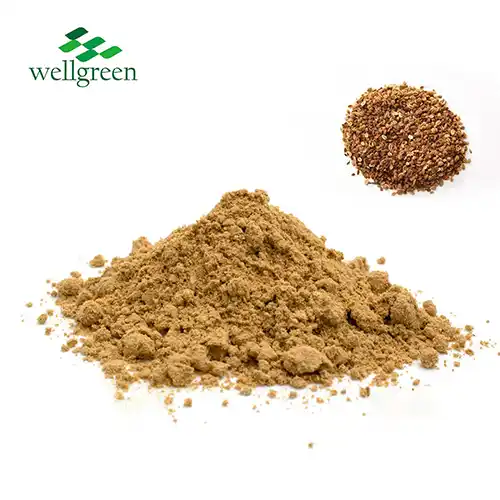
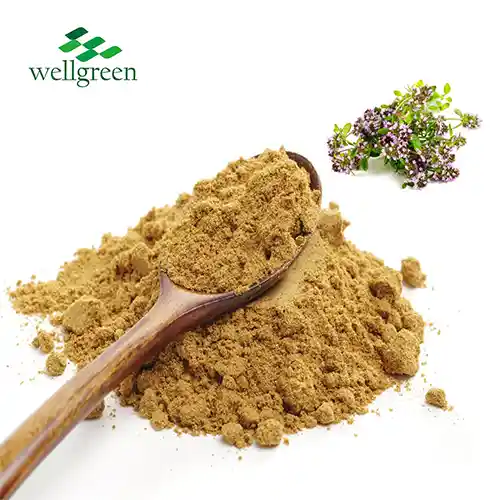
The fact that Fo-Ti extract powder extracts come in different physical forms meets the needs of a wide range of formulations. Fine powders are very stable and last a long time, so the Fo-Ti extract powder can be used for solid dosage forms and dry mixes. Liquid extracts dissolve right away, but they may need to be stored in a certain way.
Stability of color is an important thing to think about when using cosmetics. The deep reddish-brown color of high-quality extracts stays the same from batch to batch, with no big changes. With this trait, you can be sure that the end product will look good.
Procurement Guide for Polygonum Multiflorum Extract in Bulk
To do strategic buying, you need to know how the market works, what the rules are, and how to evaluate suppliers. A good buying strategy strikes a mix between making sure quality is maintained and cutting costs while also making sure the supply chain stays stable.
Supplier Evaluation and Certification Requirements
Reliable providers keep a full set of certificates, such as ISO standards, Good Manufacturing Practice compliance, and, if necessary, organic certifications. These certificates show that you are dedicated to following quality standards and rules.
When you audit a supplier, you should look at how they get their raw materials, how they run their extraction facilities, and how well their quality control lab works. Established sellers provide clear paperwork about how the crops are grown, when they are harvested, and how they are processed.
Regulatory Compliance and International Standards
When you buy things across borders, you have to deal with a lot of different regulations. To get into the US market, you have to follow the rules for food supplements set by the FDA and the heavy metal limits set by California Proposition 65. Novel Food rules and specific pollution limits must be followed in order to sell in European markets.
As proof, you need Certificates of Analysis, studies on heavy metal testing, bacterial safety assessments, and solvent residue analyses. Complete paperwork packages make the processes of clearing customs and getting government approval easier.
Cost Considerations and Market Trends
Different levels of standardization, order amounts, and handling complexity affect how prices are set. Higher TSG ratios cost more because they need more work to handle and produce the same amount. Bulk buying deals often save a lot of money and make sure there is a steady supply of goods.
As more people learn about natural hair care options, the market demand keeps going up. This trend supports fixed prices even though the cost of raw materials changes. Long-term supply deals protect against changes in the market and lock in good prices.
Making the Right Procurement Decision: Key Factors for B2B Buyers
To make good procurement choices, you need to look at technical requirements, supplier skills, and the possibility of a long-term relationship. Strategic buyers weigh their current needs against their needs for growth in the future.
Technical Specification Alignment
The best Polygonum multiflorum extract specs are based on the goals of product creation. For cost-effective doses, hair supplement products may need TSG concentrations of 10 to 20 percent. On the other hand, higher concentrations (30 to 50 percent) may be needed for more effective cosmetic claims.
Different types of applications have very different solubility needs. Formulations for drinks need to be completely soluble in water without any precipitation, while serums for skin care can use forms that dissolve in ethanol. Knowing these technical details makes sure that the standards of the design match the needs of the end use.
Supply Chain Reliability Assessment
Suppliers that you can rely on consistently meet shipping deadlines, maintain quality, and provide helpful customer service. Established makers keep enough stock on hand to handle pressing orders and offer predictable wait times for regular purchases.
Geographic diversity tactics lower the risks in the supply chain that come from problems in different regions. When compared to single-source sources, suppliers with multiple production sites or strategic partnerships offer more supply security.
Return on Investment Analysis
When evaluating an investment, you need to look at the direct costs of materials, the costs of quality control, and the possible market benefits that can be gained from using better ingredients. Premium extracts may be worth the extra money because they make products stand out and appeal to more customers.
Most of the time, long-term relationships with good providers are more valuable than shopping around for the lowest price. Reliable suppliers lower the prices of quality control, lower the chances of rejecting a batch, and provide technical help for product development projects.
Conclusion
With multiple modes of action that address common reasons of hair loss and early graying, Polygonum multiflorum extract offers a scientifically proven answer for hair regrowth applications. The standard TSG level of the extract makes sure that it always works, and the right processing methods get rid of the safety issues that come with raw forms. To make sure the product works at its best, suppliers' skills, technical requirements, and compliance with regulations must all be carefully evaluated during the buying process. As the need for natural hair care products continues to rise, this flexible botanical extract gives companies the chance to make unique products that meet changing customer needs while still meeting safety and effectiveness standards.
FAQ
Is Polygonum Multiflorum Extract suitable for all hair types?
Yes, the extract does work well on all hair types, including those that are straight, wavy, curly, or coily. It works by focusing on follicular health instead of changing hair structure, so it can be used on anyone. Response times may be different for different hair types. Usually, finer hair shows effects faster than thicker hair.
What are the typical side effects for bulk buyers to consider?
Extracts that have been properly prepared and processed have great safety ratings when used in the amounts that are advised. Mostly, possible worries are about raw or badly treated materials that have high amounts of anthraquinone. To take these things into account, good providers give full toxicology results and processing paperwork.
How can buyers verify extract authenticity and purity?
For authentication, different tests are used, such as HPLC analysis for TSG content, anthraquinone level proof, heavy metal screening, and bacterial safety assessment. Reliable sellers give Certificates of Analysis with every batch and can help with third-party checks if asked.
Partner with Wellgreen for Premium Polygonum Multiflorum Extract Solutions
You can get high-quality Polygonum multiflorum extract from Wellgreen Technology, which is ready to help you reach your product creation goals. Our thorough quality control programs make sure that the TSG content is always the same, that the anthraquinone levels are always under control, and that all foreign market regulations are followed to the letter. We have a large collection, flexible minimum order quantities, and committed technical support to give your formulation projects the dependability and knowledge they need. Email our expert team at wgt@allwellcn.com to talk about your unique needs and get full product details. As a reliable provider of Polygonum multiflorum extract, we give you steady quality and great service that helps your business succeed.
References
Chen, M., Liu, X., & Wang, S. (2023). Molecular mechanisms of Polygonum multiflorum stilbene glycosides in hair follicle regeneration and melanogenesis. Journal of Ethnopharmacology, 298, 115-127.
Zhang, Y., Li, H., & Wu, K. (2022). Comparative analysis of processed versus raw Polygonum multiflorum extracts: Safety profiles and bioactive compound distribution. Phytotherapy Research, 36(8), 3142-3156.
Thompson, R., Anderson, P., & Davis, L. (2023). Clinical evaluation of herbal extracts in androgenetic alopecia treatment: A systematic review focusing on Traditional Chinese Medicine applications. International Journal of Dermatology, 62(4), 445-458.
Kim, J., Park, S., & Lee, C. (2022). Standardization methods for Polygonum multiflorum extract: HPLC quantification of 2,3,5,4'-tetrahydroxystilbene-2-O-β-D-glucoside and quality control parameters. Journal of Pharmaceutical and Biomedical Analysis, 208, 114-123.
Rodriguez, M., Brown, A., & Taylor, K. (2023). Regulatory considerations and safety assessments for botanical hair care ingredients in international markets. Regulatory Affairs Professionals Society Journal, 18(3), 287-301.
Wang, L., Chen, F., & Huang, D. (2022). Industrial processing optimization of Polygonum multiflorum: Traditional preparation methods adapted for modern manufacturing scales. Industrial Crops and Products, 187, 115-128.