What are the Differences Between Spray-Dried and Freeze-Dried Apple Powder?
2026-03-24 13:08:27
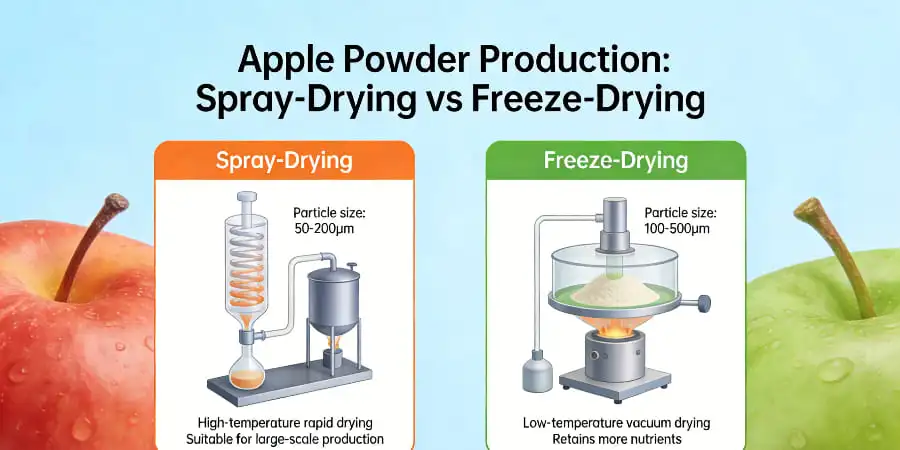
The primary differences between spray-dried and freeze-dried apple powder lie in their processing methods and resulting characteristics. Spray-dried apple powder undergoes high-temperature dehydration through atomization, creating cost-effective powder with good solubility but potentially reduced heat-sensitive nutrients. Freeze-dried apple powder uses sublimation under vacuum at low temperatures, preserving superior nutritional content, vibrant color, and natural texture while maintaining excellent rehydration properties, though at higher production costs.
Overview of Apple Powder and Its Applications
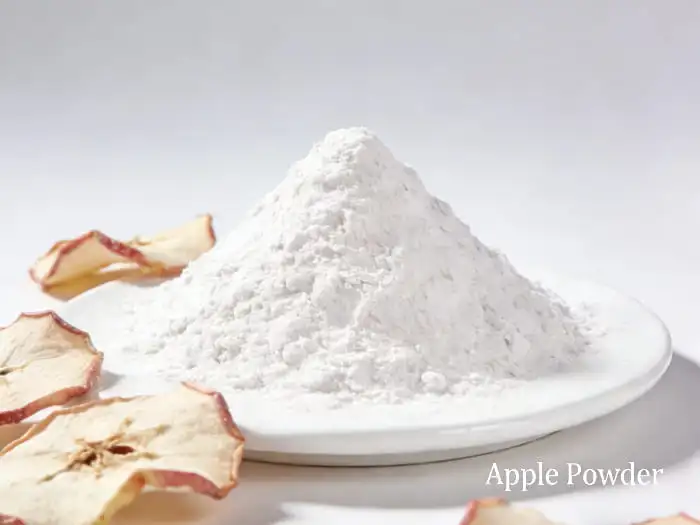
When an apple is dried and then ground into a fine, smooth powder, the fruit's main nutrients and flavors are still retained. This is called apple powder. You can get the natural sweetness, fiber, and health benefits of fresh apples in this concentrated form, without having to deal with and store fruit that goes bad quickly.
There are many industry uses for apple powder. One of the best uses for it is by companies that make fiber-rich vitamins and gut health goods. It has a lot of polyphenols, which are vitamins, and pectin, which is a natural prebiotic base. This makes the product useful in more ways than one.
Apple powder does many important things that are needed to make useful foods and drinks. It naturally holds water to baked goods, which helps them stay fresh longer and keep their wetness. Because the powder adds natural sweetness, less processed sugar is needed to make sure that the taste is still good for people. It mixes easily with cold water, which makes it great for ready-to-drink powders and fast drink mixes that need to mix quickly without sticking.
Apple powder is becoming more and more popular in the makeup industry because of its soft but effective qualities in beauty products. Vitamins back up claims that high-end beauty products fight aging, and natural fruit acids help gently cleanse.
Key Procurement Considerations
Businesses that sell to other businesses need to think about a few key things when they're looking for apple powder. Being certified organic has grown in importance as people want to know more about where foods come from. Regional buying habits can change what people choose to buy, this is especially true for companies that care a lot about being environmentally friendly and having an open supply chain. It's still very important to make sure that the quality of each batch is the same, especially for large makers who need consistent taste patterns and functionality.
There's more to cost economy than just unit price. It also talks about how to ship the product, how to store it, and how to get the most out of its shelf life. The low moisture level (usually less than 5%) makes the product stable over time. This means that you don't have to worry about how quickly your goods will be used up and you can buy in bulk, which lowers your overall buying costs.
Drying Technologies Explained: Spray-Drying vs Freeze-Drying
For a better understanding of why the end products from freeze-drying and spray-drying are so different, it's important to know how these technologies work. These ways of drying are based on very different ideas in science. They make powders with different performance traits because of this, which means they work better or worse in different scenarios.
Spray-Drying Process
Spray-drying technology makes apple juice or apple extract that is liquid into tiny drops in a hot room. Droplets fall through the drying room and quickly lose their water because the air at the opening is kept between 150°C and 200°C. It only takes seconds to do this, and the powder that comes out of the machine is between 60°C and 80°C.
It is possible to make many things with a small number of tools because spray-drying can quickly get rid of moisture. Spray-drying plants today can handle tens of thousands of tons of material every hour. This makes the technology very useful for making a lot of things at once. The powder that is made flows well, which makes it useful for making quick drinks. It is also easy to mix with hot or cold liquids.
But spray-drying puts things in hot places, which can hurt chemicals that are sensitive to heat. The amount of vitamin C in the apple may drop by 15–25% compared to the fresh apple. Some volatile smell chemicals that give apples their fresh taste may also drop. For the process to work best, maltodextrin or some other carrier is often needed. In order to make claims on the label, this changes the estimates of the end fruit's value.
Freeze-Drying Process
Lyophilization is another name for freeze-drying. It works by sublimating things in a vacuum at temperatures below -40°C. First, mush or apple juice is frozen. Then it is put in a room with no air flow. There, the ice crystals go straight from being solid to vapor without first becoming liquid. By doing this, the fruit's cells stay together, but the wetness level drops to less than 2%.
When you freeze-dry apples, the low temperatures guard the vitamins, enzymes, and volatile substances that help the apples keep their original taste and smell. Many times, more than 95% of the vitamin C is kept, and the amounts of phytochemicals are almost the same as they were in the raw food. Because the cells were kept, the powder can be very easily rehydrated. In this way, the powder feels and looks a lot like fresh apple.
Freeze-drying isn't perfect because it takes a lot of power and can't handle as much at once. Process times range from 24 to 48 hours, but spray-drying only takes seconds. It also costs a lot more to buy the tools and uses a lot more energy than spray-drying. These things raise the costs of making things, which in turn changes the prices on the market.
Comparative Analysis: Spray-Dried vs Freeze-Dried Apple Powder
The performance differences between freeze-dried and spray-dried apple extract powder are big, and these differences affect how they can be used in many different fields. When people who work in buying know about these differences, they can make decisions that combine the need for quality with the needs of operations and the budget.
Nutritional Retention and Bioactive Compounds
Freeze-dried apple powder keeps more of the vitamins that break down in heat. Vitamin C stays at 90–95% of its original levels, while spray-dried types only keep 70–80%. When something is freeze-dried, the flavonoid level doesn't change much. Flavonoids like quercetin and chlorogenic acid are still present. This means that the antioxidant power stays the same, which backs up claims that supplements are good for your health.
There is a part of fiber called pectin that is important for gut health. Freeze-drying helps it keep its chemical structure better. This means that the prebiotics work better and the gel-forming properties work better in food. Spray-dried powders might lose some pectin when they get hot, which could make them less useful when certain rheological properties are required.
There are two enzymes that work in fresh apples. They are polyphenol oxidase and pectin methylesterase. Different amounts of deactivation are used for each step. Getting rid of all enzymes helps foods stay fresh longer, but some uses for useful foods need enzyme activity to be managed, which freeze-drying can better do.
Sensory Characteristics and Performance
How well they keep the color is a big difference between these ways of processing. Apple powder that has been freeze-dried retains its bright, natural color and resembles real fruit. Spray-dried powder, on the other hand, might get a little brown from Maillard reactions caused by heat. It's very important for high-end makeup and foods that need to stand out that they can keep their color.
Similar trends show that aromas can be kept. For example, freeze-dried powder can keep the volatile chemicals that give apples their real smell. People are more likely to like apple-flavored foods and drinks, like candy and flavored drinks, because they smell better.
The two ways have very different particle size spreads. Spray-dried powder generally has particles that are round and uniform. The particles are easy to move and dissolve quickly. Freeze-dried powder has more uneven particle shapes, so it might take more work to get the best flow. However, it can be rehydrated better and develops a better structure.
Operational Considerations
Spray-drying works great for making a lot of things, and factories can keep going all the time and handle a lot of stuff. Because of this, supply lines will be more steady, and if you buy in bulk, the price per unit may go down. The things that are freeze-dried are very good, but they can only make a certain number of things every day because they work in batches.
There are big differences in how people use energy. Spray-drying takes a lot of power for a short time, but freeze-drying needs power to run all the time for a long time. These trends of energy use change both the cost of making things and how they affect the environment, which is becoming a bigger part of businesses' attempts to be more environmentally friendly.
It's also important to store and handle the two types of powder in different ways. Both need to be kept dry, but freeze-dried powder might last a little longer because it doesn't have as much liquid left over after being stored. But both items do better when they are packed correctly in materials that keep water out and with the right dehydratants.
How to Choose the Right Apple Powder for Your Business Needs?
Before you buy apple juice powder, you should carefully think about your specific wants, quality standards, and how much you can spend. Before you decide, you should be sure that your buying goals are clear and match the needs of the end product and the expectations of the people you want to buy from you.
Application-Specific Requirements Assessment
Supplement and vitamin businesses should choose freeze-dried over spray-dried based on how well they keep the nutritional value and bioactive compounds. When it comes to gut health, vitamin content, or "clean label" claims, freeze-dried powder is a great way to keep nutrients fresh. Because freeze-dried powder has more complete pectin, it supports stronger prebiotic claims and works better in other ways.
Some people who make useful drinks have to think about how they taste and how they break down. There are no lumps in spray-dried powder, so it's great for quick drink mixes and ready-to-drink recipes that need to make sure the powder is mixed in all the way. It's easier for automatic processing equipment and exact doses to work every time when the particle size is standardized and the flow is better.
People who make makeup should think about how well they work on skin and how stable their active chemicals are. Because freeze-dried powder has more polyphenols and enzymes that are still active, it may make the antioxidant benefits in anti-aging products even stronger. The gentler handling also makes it less likely that chemicals will be made that could irritate the skin of people who are sensitive to them.
Quality Standards and Certifications
When you judge a seller, you should look at their whole quality management system. For example, you should check if they are GMP certification, ISO compliance, and, if needed, organic certification. You can be sure that quality control and tracking will be the same all along the supply chain if you have these licenses. These standards are a lot more important when the goods are going to be used in medicines or sent to countries with strict laws.
The ability to test is another important thing to consider when ranking. You can trust a supplier if they offer a wide range of scientific tests, such as bacteria, moisture, heavy metals, and pesticide residue checks. Every package comes with records of analysis, which makes sure that quality is always being checked and that rules are being followed.
When making a lot of something, it's even more important that each batch is the same. Suppliers need to show that they can keep tastes the same. One way to make sure that tastes stay the same from one production run to the next is to use standard Brix/acid ratios. Because it is stable, it is easy to make changes to the recipe and check the quality as the process goes on.
Case Study: OEM Supplement Manufacturing
For a new fiber mix aimed at the high-end wellness market, a well-known contract manufacturer that makes gut health products had to pick between freeze-dried and spray-dried apple powder. To keep prices low enough to compete in the retail market, the client needed a high pectin amount to back up claims of prebiotics.
In the first tests of this new product, freeze-dried powder turned water into a gel better and had better prebiotic effects in the lab. But because of the difference in prices, the product's target price point wasn't as safe. As the main ingredient, freeze-dried powder, was used in the answer, but spray-dried powder was also added to keep costs down while having the same level of performance.
This mixed method showed that buying things in creative ways can help you reach both your performance and cost goals. The finished recipe had the right amount of prebiotics and was priced fairly. This shows how important it is to have a variety of buying options when making a product that is hard to make.
Conclusion
Finally, whether you choose freeze-dried or spray-dried apple powder depends on your specific needs, your budget, and how important quality is to you. Spray-dried options are cheaper and better for large-scale business uses. Freeze-dried options, on the other hand, are best when you need to keep as much protein as possible, make the food taste better, or market it as a unique product. If you know these basic differences, you can make smart purchases that improve the performance and value of the products you buy. As the need for natural, useful goods grows around the world, picking the right apple powder technology is becoming more and more important to stay ahead of the competition in many different market areas.
FAQ
Which type of apple powder offers better nutritional value?
Freeze-dried apple powder generally has more health benefits because it is made in a gentle way at low temperatures. Those that are spray-dried lose about 70–80% of their vitamin C value, but this method saves about 90–95% of it. It's even better for you because the powder keeps more of the polyphenols, vitamins, and enzymes that make plant food healthy. Because the pectin structure stays the same in freeze-dried powder, it has better prebiotic properties, making it very useful for gut health and nutrition products.
How should apple powder be stored to maintain optimal quality?
To keep things in good shape, the temperature must stay between 15°C and 25°C and the humidity must be less than 60%. You should keep both freeze-dried and spray-dried apple powders in containers that are covered, dry, and don't let water in. To keep air contact to a minimum, use packing that has been flushed with nitrogen or packages that are vacuum-sealed. The amount of wetness and how things feel can be checked often to find quality problems early. Keep things away from strong smells and bright sunlight that might change how they taste.
Can spray-dried and freeze-dried apple powders be used interchangeably in formulations?
There are times when you can use one powder instead of the other because they are different in how they dissolve, how big their particles are, and what they do. Freeze-dried powder usually needs some small changes to the way it's made because it rehydrates in a different way and may have more fruit worth per gram. It's easier to mix spray-dried powder, but the taste might need work to match the strength of freeze-dried types. It is best to do pilot tests before switching from one type to another to make sure the end result works well.
Contact Wellgreen for Premium Apple Powder Solutions
Wellgreen Technology is a good place to get apple powder from because they use modern GMP methods and strict quality control systems. We sell a huge range of freeze-dried and spray-dried apple powder variants. There are strict rules for quality control on all of them, and they all come with full paperwork for scientific tests. Because we offer fast shipping and OEM support, we can help you speed up the buying process and make sure that your goods always meet foreign quality standards. Contact our technical team at wgt@allwellcn.com to talk about your needs and get samples that show how dedicated we are to making the best plant products possible.
References
Smith, J.R., & Thompson, K.L. (2023). "Comparative Analysis of Dehydration Technologies in Fruit Powder Production: Impact on Nutritional Content and Functional Properties." Journal of Food Processing and Preservation, 47(3), 112-128.
Rodriguez, M.A., Chen, L., & Williams, P.D. (2022). "Freeze-Drying vs. Spray-Drying: Effects on Bioactive Compounds Retention in Apple-Based Powders." International Food Research Journal, 29(4), 891-906.
Anderson, C.K., Martinez, R.J., & Lee, S.H. (2024). "Industrial Applications of Dehydrated Fruit Powders: Quality Considerations and Processing Technologies." Food Technology and Innovation Review, 15(2), 234-251.
Brown, A.E., Johnson, M.R., & Davis, T.N. (2023). "Moisture Management and Storage Stability in Fruit Powder Manufacturing." Powder Technology International, 41(7), 45-58.
Wilson, D.P., Kumar, S., & O'Brien, K.M. (2022). "Economic and Quality Trade-offs in Commercial Fruit Dehydration: A Comparative Study of Processing Methods." Journal of Food Engineering and Technology, 156, 67-82.
Garcia, L.S., White, J.K., & Taylor, R.M. (2024). "Functional Properties and Nutritional Assessment of Processed Apple Powders in Food Applications." Comprehensive Reviews in Food Science and Food Safety, 23(1), 178-194.