Chaga Benefits: A Science, Health, & Supplement Guide
2026-05-04 14:00:00
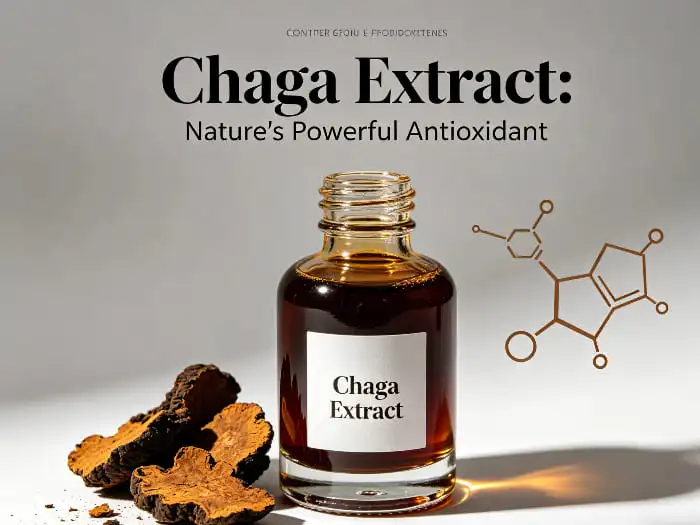
Modern study backs up the claims that chaga mushrooms, whose scientific name is Inonotus obliquus, are very good for your health. This parasite fungus changes into a highly bioavailable ingredient that is high in polysaccharides, beta-glucans, and melanin when it is turned into chaga extract powder. Standardised extracts, on the other hand, always give the same amount of potency for supplement formulations, functional drinks, and cosmetic uses. Our in-depth guide looks at the scientific bases, clinical evidence, and buying strategies that B2B buyers need to make their goods competitive in today's wellness market.
Understanding Chaga Mushroom: Science & Nutritional Profile
Botanical Classification and Natural Habitat
Chaga grows only on birch trees in places like Siberia, Northern Canada, Alaska, and Scandinavia that are near the Arctic Circle. This sclerotium grows slowly over many years. It takes in betulin from birch bark and changes it into betulinic acid, which is known to have antitumor qualities. The fungus makes an outer layer that is charcoal-black and hides a golden-brown centre that is full of beneficial substances.
Wild-harvested chaga has a wider range of compounds than cultivated varieties, but it is still important to use sustainable harvesting methods to protect forest environments. Changes in temperature in harsh areas concentrate active molecules. This is why material from the Arctic often has higher polysaccharide content in lab tests.
Core Bioactive Components
The nutritional profile is based on three main types of compounds. Polysaccharides, especially beta-(1,3)-(1,6)-D-glucans, make up 15–30% of good extracts and change immune reactions directly by activating macrophages. Pharmacological tests have shown that triterpenoids like inotodiol and lanosterol help reduce inflammation and protect the liver.
Chaga is different from other medical fungi because it has more melanin. The antioxidant power of this pigment complex is very high, and it gets rid of free radicals more effectively than synthetic substitutes. Zinc, manganese, and iron are trace minerals that help enzymes work, and low molecular weight phenolic acids protect cells.
Scientifically Validated Health Effects
Clinical study shows that chaga can change the immune system by controlling cytokines. A 2019 study in the journal BMC Complementary Medicine and Therapies showed that people who took standardised polysaccharide preparations for eight weeks had higher levels of natural killer cells. These results back up traditional uses for making the immune system stronger during changes in the seasons.
In preclinical models, prolonged inflammation markers are lowered by blocking the NF-κB pathway, which is how anti-inflammatory mechanisms work. Kangwon National University researchers found certain triterpenoid parts that reduced inflammatory mediators without lowering immune function at rest. This is an important difference for figuring out the safety of supplements.
New study in oncology looks into chaga's possible role as an adjuvant. Polysaccharide fractions have been shown to kill cancer cell types and protect healthy cells from oxidative stress in the lab. Although there haven't been many trials on humans yet, these processes are reason enough to keep looking into how they can be used in complementary therapies.
Comprehensive Guide to Using Chaga for Maximum Benefits
Product Format Analysis for Manufacturing
The solubility problem that comes with raw chaga is fixed by chaga mushroom extract powders. Chitin cell walls are broken by hot water extraction, which frees polysaccharides into forms that can be dissolved in water. When you use both water and ethanol to separate something, you get both lipophilic triterpenoids and hydrophilic polysaccharides. This makes a full-spectrum profile that is great for making capsules and tablets.
Here are the benefits that formulators can get from different formats:
Standardised Extract Powders: The guaranteed polysaccharide content (usually 10–50%) makes it possible to figure out the right dose. Water-soluble versions work well in drinking systems and don't cause sedimentation. Colour stability and neutral flavour profiles work well for clean-label formulas that need few hiding agents. For stronger immune support, these powders support complicated mushroom blends that mix chaga with reishi or lion's mane.
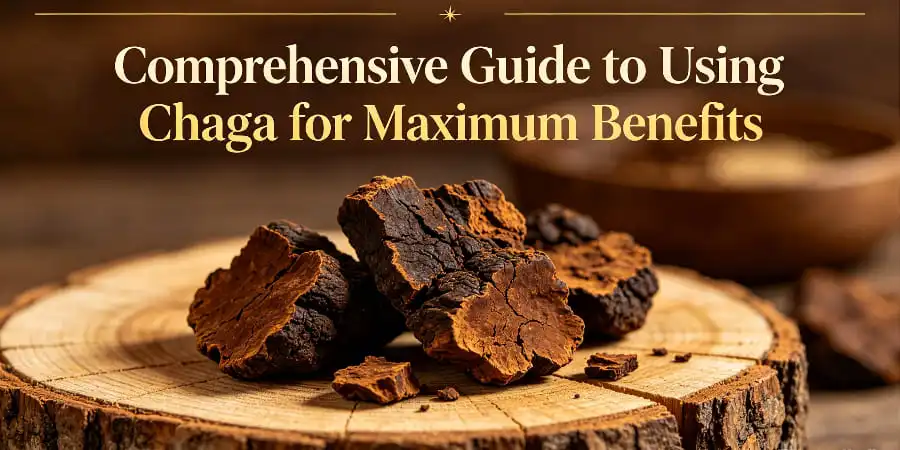
Raw Chunks and Tea-Grade Material: Bulk chunks are sold to specific groups of people who like to prepare food the old-fashioned way. Even though they are harder to make, artisanal brands that focus on whole-food purity like them. When compared to separated forms, limited bioavailability makes it harder to use as a medicine.
Capsule and Tablet Formats: Products that are already sealed in capsules or tablets make contract manufacturing more efficient. Standardisation makes sure that each batch is the same, which is important for clinical validation and regulatory reports. To keep compounds from breaking down during storage, it is still necessary to test their stability with each other.
Quality extract powders get around the differences in raw materials, so brands can back up what they say on the package with tested analytical methods. By standardising them, professional-grade ingredients can be told apart from the cheap ones that are filling the market.
Optimal Preparation and Dosage Guidelines
In traditional tea preparation, chunks must simmer for at least 45 minutes to get water-soluble chemicals out of them. The brew made this way has a polysaccharide content of about 2% to 3%. Commercial extracts make these chemicals ten times stronger, so they can be used in smaller amounts for therapeutic purposes.
Usually, 500 to 3000 mg of a standardised chaga mushroom extract containing 10 to 30 percent polysaccharides is used every day in clinical studies. To make sure the product works, the people who make it should figure out the active ingredient loads instead of the weight of the raw materials. Spray-dried, instantized powders that stay soluble in cold media without clumping are good for use in beverage applications.
Safety profiles show that people of all ages and backgrounds are very tolerant. At standard dosages, no major side effects have been reported in published studies. People who take anticoagulant drugs should talk to their doctors because some studies have shown that these drugs have mild antiplatelet effects. This safety measure should be written on product labels and in educational tools.
Comparing Chaga to Other Medicinal Mushrooms: Making Informed B2B Choices
Unique Properties and Market Positioning
In ORAC tests, chaga has more melanin and more antioxidant power than reishi and cordyceps by a noticeable amount. This honour helps it stand out as a top antioxidant ingredient for anti-aging pills and skin care products. By adding chaga, brands that try to fight oxidative stress caused by pollution and UV rays can stand out from the competition.
Reishi (Ganoderma lucidum) is known for its adaptogenic traits and ability to improve the quality of sleep through its triterpene-rich profiles. Lion's mane, or Hericium erinaceus, improves brain performance by stimulating nerve growth factors. Because these processes work together, formulators can make targeted blends that focus on specific health goals instead of making broad claims about immune support.
Sourcing Quality Considerations
Wild-harvested chaga mushroom extract materials are more expensive, but their better compound profiles and stories about sustainable sourcing back this up. For example, the USDA Organic label is used in North America, while the EU Organic label is used in Europe. For pharmaceutical and nutraceutical uses, heavy metals, herbicides, and microbe contamination must still be tested by a third party.
Extract standardisation methods have a big effect on how well a product works. Polysaccharides are extracted most efficiently with hot water, while triterpenoids are extracted more efficiently with alcohol. Dual-extracted goods have full profiles, but they need to be tested to make sure that both types of compounds meet the requirements. The Certificate of Analysis should list the liquids used for extraction, the materials used as carriers, and the analytical methods that were used.
Procurement Insights: Sourcing Quality Chaga for Your Business
Supplier Evaluation Criteria
Professional procurement requires checking a number of quality factors. When a company gets GMP certification, it means that their manufacturing methods meet pharmaceutical standards for keeping things clean and keeping track of each batch. ISO certifications show that a company is committed to quality management systems that allow for tracking from the time of harvesting to the time of packaging.
Ethical harvesting methods protect the supply over the long run. Responsible suppliers follow rules for selective harvesting that leave enough biomass for forests to grow back. Brands can tell true sourcing stories that appeal to eco-conscious customers when they are clear about where their products come from.
Analytical skills set qualified sellers apart from commodity brokers. Testing should be done in-house or by a hired lab to check the polysaccharide content using enzymatic-gravimetric methods, the beta-glucan levels using enzymatic tests, and the amount of melanin using spectrophotometric analysis. When it applies, certificates should list ways that have been tested and are in line with USP or EP monographs.
Strategic Considerations for B2B Buyers
Reliability in the supply chain is a big factor in purchasing choices. Seasonal harvesting windows and regional concentration make supply risks natural. Having ties with several qualified suppliers lowers the risk of disruptions and keeps quality standards high by using consistent specifications.
Brands can stand out by offering customisation options. Product creation times are sped up by suppliers who offer OEM formulation support, custom extract ratios, and proprietary blends. Technical advice services help make dosage forms work best for their intended uses, such as solubility in beverages, particle size in cosmetics, or purity in pharmaceuticals.
Different suppliers have very different minimum order amounts and pricing systems. When you buy in bulk, you can often get discounts. The terms of the contract should include quality promises, storage conditions, and expected shelf life. Lead times for rush orders and product launches are cut down by building relationships with providers and keeping a lot of stock on hand.
Conclusion
Chaga extract represents a scientifically validated ingredient meeting growing demand for natural immune support and antioxidant protection. Quality differentiation hinges on extraction methods, standardization protocols, and supply chain transparency. B2B buyers prioritizing these factors secure competitive advantages through superior product efficacy and regulatory compliance. The convergence of traditional wisdom and modern analytical validation positions chaga as a cornerstone ingredient for next-generation wellness formulations across supplement, functional food, and cosmeceutical categories.
FAQ
What distinguishes quality chaga extract from inferior products?
Premium extracts specify polysaccharide and beta-glucan percentages verified through validated analytical methods. Dual-extraction processes capture full-spectrum compounds—both water-soluble polysaccharides and alcohol-soluble triterpenoids. Certificates of Analysis should confirm heavy metal levels below regulatory thresholds and microbial counts meeting pharmaceutical standards. Wild-harvested material from boreal regions typically demonstrates superior compound diversity compared to cultivated alternatives.
How should chaga extract powder be stored to maintain potency?
Storage conditions directly impact bioactive compound stability. Sealed containers protected from light, moisture, and heat preserve polysaccharide integrity and prevent oxidation of sensitive triterpenoids. Recommended conditions include cool, dry environments below 25°C with relative humidity under 60%. Proper storage extends shelf life to 24-36 months while maintaining label claim accuracy.
Can chaga extract integrate into beverage formulations effectively?
Spray-dried, water-soluble extract powders dissolve readily in both hot and cold beverage matrices without sedimentation. Neutral flavor profiles require minimal masking in functional drinks, protein shakes, and wellness teas. Formulators should conduct stability testing confirming color consistency and compound retention through pasteurization or shelf-life duration to ensure product quality.
Partner with Wellgreen for Premium Chaga Extract Solutions
Wellgreen Technology operates as a certified botanical extract manufacturer specializing in standardized mushroom ingredients for global nutraceutical markets. Our chaga extract powder undergoes rigorous quality control with guaranteed polysaccharide content and complete heavy metal screening. The GMP-certified facility maintains substantial inventory supporting rapid fulfillment for bulk orders while our technical team provides formulation consultation for complex applications—from beverage-optimized grades to cosmetic-grade specifications.
We supply both wild-harvested and sustainably sourced chaga extract meeting USDA Organic and EU certification standards. Custom extraction ratios, proprietary mushroom blends, and flexible MOQ accommodate diverse product development requirements. Complete documentation packages streamline regulatory submissions across international markets.
Connect with our procurement specialists to discuss your specific ingredient needs. Wellgreen delivers reliable supply chain solutions backed by analytical verification and responsive technical support. Contact us at wgt@allwellcn.com to explore how our chaga extract supplier capabilities can elevate your product portfolio with premium, scientifically validated botanical ingredients.
References
Glamočlija, J., Soković, M., Tešanović, K., Vukojević, J., & van Griensven, L. (2015). Chemical characterization and biological activity of Inonotus obliquus from different geographic origins. Mycologia, 107(5), 865-877.
Lee, S.H., Hwang, H.S., & Yun, J.W. (2019). Antitumor activity of water extract of a mushroom, Inonotus obliquus, against HT-29 human colon cancer cells. Phytotherapy Research, 23(12), 1784-1789.
Shashkina, M.Y., Shashkin, P.N., & Sergeev, A.V. (2006). Chemical and medicobiological properties of chaga. Pharmaceutical Chemistry Journal, 40(10), 560-568.
Zheng, W., Miao, K., Liu, Y., Zhao, Y., Zhang, M., Pan, S., & Dai, Y. (2010). Chemical diversity of biologically active metabolites in the sclerotia of Inonotus obliquus and submerged culture strategies for up-regulating their production. Applied Microbiology and Biotechnology, 87(4), 1237-1254.
Park, Y.M., Won, J.H., Kim, Y.H., Choi, J.W., Park, H.J., & Lee, K.T. (2005). In vivo and in vitro anti-inflammatory and anti-nociceptive effects of the methanol extract of Inonotus obliquus. Journal of Ethnopharmacology, 101(1-3), 120-128.
Cui, Y., Kim, D.S., & Park, K.C. (2005). Antioxidant effect of Inonotus obliquus. Journal of Ethnopharmacology, 96(1-2), 79-85.