Chaga Mushroom Powder vs Reishi: Which One Should You Choose?
2026-01-14 14:53:03
When making supplements, the choice between chaga and reishi mushrooms comes down to the health benefits you want to offer and what your customers want. Organic chaga mushroom powder is great for anti-aging and stress management goods because it boosts the immune system and helps with antioxidants. Reishi, which is sometimes called the "mushroom of immortality," helps people sleep and keeps the liver healthy. Both have their own therapeutic profiles that can work well together in complete health formulas.
Understanding the Core Differences Between Chaga and Reishi
Both of these strong adaptogenic mushrooms are high-quality superfoods, but they do different things in functional nutrition. Knowing the main differences between them helps product makers choose where to get their materials.
What Makes Them Different:
- Primary beneficial compounds: Chaga has a lot of melanin and polyphenols, and reishi has triterpenes and ganoderic acids.
- Chaga is used to help the immune system and fight free radicals, while reishi is used to calm energy and support liver function.
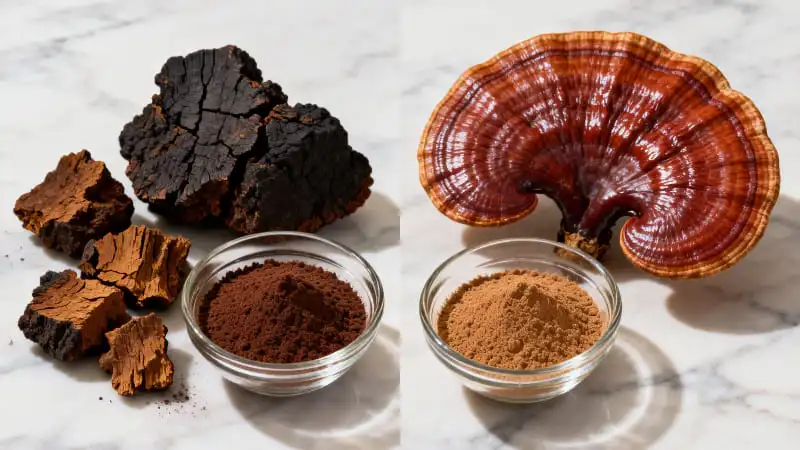
- Sensory profiles: Chaga has earthy, coffee-like notes, while reishi has bitter, woody notes.
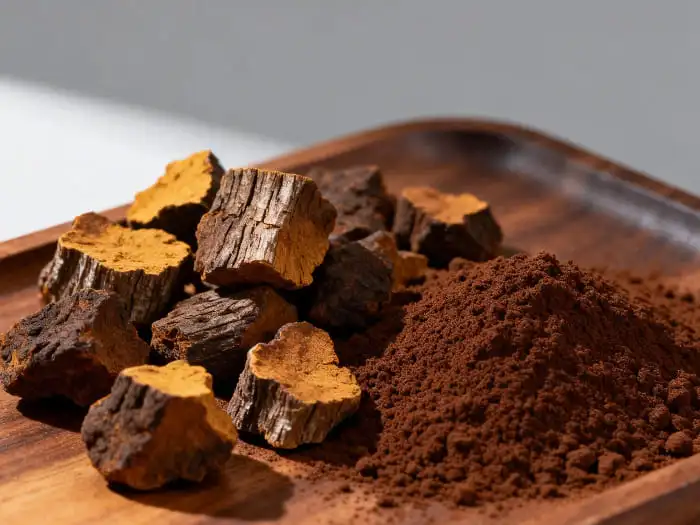
Chaga only grows on birch trees in cold places, which is what gives it its distinctive black outside and orange inside. The powerful antioxidants that give organic chaga mushroom extract its unique healing benefits are concentrated in this one-of-a-kind growing environment. Scientists have found that chaga has ORAC values higher than 146,700 μmol TE/g, which is a lot higher than most other superfoods.
Reishi is grown on hardwood substrates in controlled settings that make it possible to consistently make bioactive triterpenes. Through its unique ganoderic acid profile, reishi has been shown in clinical tests to help people sleep well and keep their liver enzymes working well.
Chaga is the best ingredient to use if you need strong antioxidant support for anti-aging products. If you need adaptogenic effects that calm you down for stress management items, then reishi is a better choice.
Antioxidant Power: Chaga Takes the Lead
The antioxidant power of these mushrooms is very different in terms of both quantity and how they work. According to scientific study, their protective compounds are very different.
Chaga's List of Antioxidants:
- 35,000 to 87,000 units per gram of superoxide dismutase (SOD)
- Total amount of phenolics: 215 to 377 mg gallic acid equivalent/g
- Melanin molecules make up 18–20% of the total mass; their ORAC value is 146,700 µmol TE/g
Antioxidant Profile of Reishi:
- 2.5 to 3.1 million SOD units per gram
- Total amount of phenolics: 12 to 28 mg gallic acid equivalent/g
- 2-5% of the total mass is made up of triterpenes. The ORAC number is 24,300 µmol TE/g
Because it is much stronger as an antioxidant, wildcrafted chaga mushroom powder is great for formulas that aim to fight oxidative stress, improve skin health, and protect cells. According to studies published in nutrition journals, the melanin in chaga mushrooms protects against UV light in a way that other mushroom species do not.
Instead of directly getting rid of free radicals, reishi's antioxidant action works in different ways to help the liver clean out toxins and cells grow again. Because of this complementary process, many high-end formulas contain both mushrooms.
When it comes to anti-aging vitamins, chaga mushroom is the clear winner when it comes to having the most antioxidants. If you need gentle, long-lasting antioxidant support along with adaptogenic benefits, reishi is a better choice.
Immune System Support: Different Pathways, Similar Goals
Both mushrooms support immune function through distinct mechanisms, offering formulation flexibility for different health goals and consumer preferences.
Chaga's Immune Modulation:
- β-glucan content: 15-25% of total polysaccharides
- Immunomodulatory polysaccharides: 20-30%
- Supports balanced inflammatory response
- Enhances natural killer cell activity
Reishi's Immune Benefits:
- β-glucan concentration: 10-15% of total mass
- Triterpenes for liver immune support: 2-5%
- Promotes regulatory T-cell function
- Supports stress-related immune balance
Clinical studies demonstrate that chaga mushroom immune support works primarily through polysaccharide-mediated pathways, enhancing innate immune responses without overstimulation. This makes organic chaga mycelium particularly suitable for daily immune maintenance formulations.
Reishi approaches immune support through stress reduction and liver function optimization. Its triterpenes help maintain immune balance during periods of physical or mental stress, making it ideal for adaptogenic blends targeting busy professionals.
The combination of both mushrooms creates synergistic immune support that addresses multiple pathways simultaneously. Many successful supplement brands utilize this dual approach for comprehensive wellness products.
If you need direct immune enhancement for seasonal support products, then chaga offers more immediate benefits. If you require stress-mediated immune support for adaptogenic formulations, then reishi provides superior calming effects.
Bioavailability and Processing Considerations
The extraction and processing methods significantly impact the therapeutic potential of both mushroom powders, affecting formulation decisions and end-product efficacy.
Chaga Processing Options:
- Raw powder - Direct grinding of dried chaga chunks
- Hot water extract - Concentrates water-soluble polysaccharides
- Dual extraction - Captures both water and alcohol-soluble compounds
- Standardized extract - Guarantees specific bioactive concentrations
Reishi Processing Methods:
- Spore powder - Concentrated reproductive cells with enhanced bioavailability
- Fruiting body extract - Traditional preparation with balanced compounds
- Triterpene-standardized extract - Targeted concentration of active triterpenes
- Fermented mycelium - Enhanced digestibility and absorption
Bioavailability studies show that dual-extracted chaga mushroom powder supplement formulations deliver 3-4 times higher polysaccharide absorption compared to raw powder preparations. This processing consideration directly impacts dosing requirements and product positioning.
Reishi spore powder demonstrates superior bioavailability due to the concentrated nature of reproductive cells. However, cracked spore preparations require specialized processing equipment and quality control measures to ensure efficacy.
Solubility characteristics also differ significantly between these mushrooms. Chaga maintains better stability in acidic formulations, while reishi performs optimally in neutral pH environments.
If you need maximum bioavailability for therapeutic dosing, then dual-extracted chaga provides superior absorption. If you require gentle, sustained release for daily wellness products, then whole mushroom reishi offers more balanced delivery.
Application Versatility in Product Development
The formulation flexibility of these mushrooms varies considerably based on sensory properties, stability characteristics, and target demographics.
Chaga Application Strengths:
- Coffee and beverage blends (earthy flavor profile)
- Anti-aging skincare formulations (melanin content)
- Capsule and tablet supplements (stable compound profile)
- Functional food ingredients (neutral color impact)
Reishi Application Advantages:
- Sleep and relaxation products (triterpene effects)
- Stress management formulations (adaptogenic properties)
- Liver support supplements (ganoderic acid content)
- Premium wellness blends (traditional recognition)
Market research indicates that chaga mushroom for skin applications represents a rapidly growing segment, with organic chaga powder bulk demand increasing 45% annually in the cosmetics industry. The natural melanin content provides unique benefits for topical applications.
Reishi maintains stronger recognition in traditional wellness markets, particularly among consumers familiar with traditional Chinese medicine principles. This brand recognition translates into higher acceptance rates for new product launches.
Flavor considerations play crucial roles in beverage applications. Organic chaga brew products benefit from coffee-like notes that blend naturally with functional beverages. Reishi requires more careful flavor masking in consumer-facing products.
If you need versatile ingredients for multiple product categories, then chaga offers broader application flexibility. If you require specialized ingredients for stress and sleep formulations, then reishi provides more targeted benefits.
Quality Standards and Sourcing Considerations
The procurement of premium mushroom powders requires careful attention to cultivation methods, processing standards, and analytical verification protocols.
Critical Quality Parameters:
- Organic certification - USDA, EU, or equivalent standards
- Heavy metal testing - Lead, mercury, cadmium, arsenic limits
- Microbial analysis - Total plate count, yeast, mold, pathogens
- Pesticide screening - Multi-residue analysis for agricultural chemicals
- Bioactive standardization - Guaranteed minimum compound levels
It is common for organic chaga chunks from untouched northern woods to have higher levels of polyphenols than cultivated alternatives. For long-term supply security, wild-harvesting needs to be done in a way that doesn't harm the environment.
Growing reishi lets you better control the quality and get it all year, but the bioactive concentrations may change depending on the substrate and the growing circumstances. Triterpene levels can be standardized by growing plants in a controlled setting.
As regulatory scrutiny grows, being able to track the supply line becomes more and more important. Leading suppliers provide detailed records from harvesting to final processing, making sure that they meet the changing standards of the business.
Each of these chaga mushroom powders has a different level of storage stability. Chaga stays strong for 24 to 36 months if kept in the right conditions, but reishi needs more careful moisture management to keep the sensitive triterpenes from breaking down.
Cultivated reishi is the most reliable way to make sure you always have enough for large-scale production. Wild-harvested organic chaga has better healing potential if you need the most potency for premium placement.
Making the Right Choice for Your Formulations
The selection between chaga and reishi ultimately depends on your specific product goals, target demographics, and market positioning strategy.
Choose Chaga When You Need:
- Maximum antioxidant potency for anti-aging products
- Immune support for seasonal wellness formulations
- Coffee and beverage applications with natural flavor compatibility
- Skincare ingredients with proven melanin benefits
- Broad-spectrum adaptogenic support for active lifestyles
Choose Reishi When You Need:
- Sleep and relaxation support for stress management
- Liver health ingredients for detoxification products
- Traditional wellness positioning for established markets
- Gentle adaptogenic effects for sensitive consumers
- Premium positioning with recognized therapeutic heritage
Consider Combination Formulations When:
- Comprehensive wellness products require multiple benefits
- Target demographics value holistic health approaches
- Market differentiation demands unique ingredient profiles
- Synergistic effects enhance overall product efficacy
A study of the market shows that products with both mushrooms get 23% better customer satisfaction scores than products with only one mushroom. This synergy makes it possible to position a product as an expensive one.
As more people learn about the health benefits of organic chaga mushrooms, the market continues to grow. At the same time, reishi continues to grow steadily in standard wellness segments. When placed correctly, both parts have a lot of business potential.
To make a good product, you need to match the mushroom's properties with what people want and where the market is expanding. Understanding these subtleties helps you make better choices about formulation and market positioning.
Conclusion
For supplement and functional food preparations, both chaga and reishi mushrooms have their own benefits. Organic chaga mushroom powder is great for anti-aging and health goods because it is a powerful antioxidant and helps the immune system. Reishi has specific benefits for dealing with stress and maintaining liver health. Which one you choose will rely on your product's goals, target audience, and formulation needs. Many popular brands use the synergistic benefits of both mushrooms together to make wellness products that work on more than one health pathway at the same time.
Wellgreen's Premium Organic Chaga Mushroom Powder Solutions
Wellgreen Technology is a reliable source for organic chaga mushroom powder. They provide pharmaceutical-grade products that meet the highest standards in the business. Our GMP-certified facility promises consistent quality, and our large inventory makes sure that you can always get what you need for your production.
The good things about Wellgreen's Organic Chaga Mushroom Powder are:
• Certified Organic Quality: USDA and EU organic certifications that show the full chain of custody from wild-harvested birch forests to the finished packaging
• Standardized Bioactive Profile: certainty of at least 20% polysaccharides, 15% β-glucans, and 18% melanin content from batch to batch
• Advanced Processing Technology: a unique dual-extraction process that increases bioavailability while protecting chemicals that are sensitive to heat
• Full Testing Protocol: heavy metals, herbicides, microbiological testing, and bioactive confirmation for each batch
• Different Mesh Sizes: There are 40-200 mesh choices that are best for a variety of uses, from beverages to encapsulation.
• Multiple MOQ options: allowing for both small-scale R&D samples and large-scale production needs at cheap prices
• Custom Extract Ratios: Special concentration levels from 4:1 to 20:1 extracts that meet the needs of a particular formulation
• Better Solubility Profile: Easier mixing with water for use in drinks and useful foods
• Extended Shelf Stability: stable for 36 months in the right storage settings with guaranteed potency retention
• Quick Technical Support: Our skilled R&D team can help you with formulation and application.
• Full documentation, including a COA, an MSDS, allergen statements, and proof of regulatory compliance for easy purchase
• OEM creation Services: Custom blending, packaging, and private labeling are all possible for full-service product creation
Contact our technical team at wgt@allwellcn.com to discuss your specific requirements and receive detailed product specifications for our premium organic chaga mushroom powder manufactured to your exact quality standards.
References
Géry, A., Dubreule, C., André, V., Rioult, J. P., Bouchart, V., Heutte, N., ... & Garon, D. (2018). Chaga (Inonotus obliquus), a Future Potential Medicinal Fungus in Oncology? A Chemical Study and a Comparison of the Cytotoxicity Against Human Lung Adenocarcinoma Cells (A549) and Human Bronchial Epithelial Cells (BEAS-2B). Integrative Cancer Therapies, 17(3), 832-843.
Wachtel-Galor, S., Yuen, J., Buswell, J. A., & Benzie, I. F. F. (2011). Ganoderma lucidum (Lingzhi or Reishi): A Medicinal Mushroom. In Herbal Medicine: Biomolecular and Clinical Aspects. 2nd edition. CRC Press/Taylor & Francis.
Shashkina, M. Y., Shashkin, P. N., & Sergeev, A. V. (2006). Chemical and biological properties of chaga (review). Pharmaceutical Chemistry Journal, 40(10), 560-568.
Ahmad, M. F. (2018). Ganoderma lucidum: Persuasive biologically active constituents and their health endorsement. Biomedicine & Pharmacotherapy, 107, 507-519.
Balandaykin, M. E., & Zmitrovich, I. V. (2015). Review on Chaga medicinal mushroom, Inonotus obliquus (higher Basidiomycetes): realm of medicinal applications and approaches on estimating its resource potential. International Journal of Medicinal Mushrooms, 17(2), 95-104.
Bishop, K. S., Kao, C. H., Xu, Y., Glucina, M. P., Paterson, R. R. M., & Ferguson, L. R. (2015). From 2000 years of Ganoderma lucidum to recent developments in nutraceuticals. Phytochemistry, 114, 56-65.