MCT Oil Powder vs Liquid MCT Oil: Key Differences Explained
2026-01-14 14:53:02
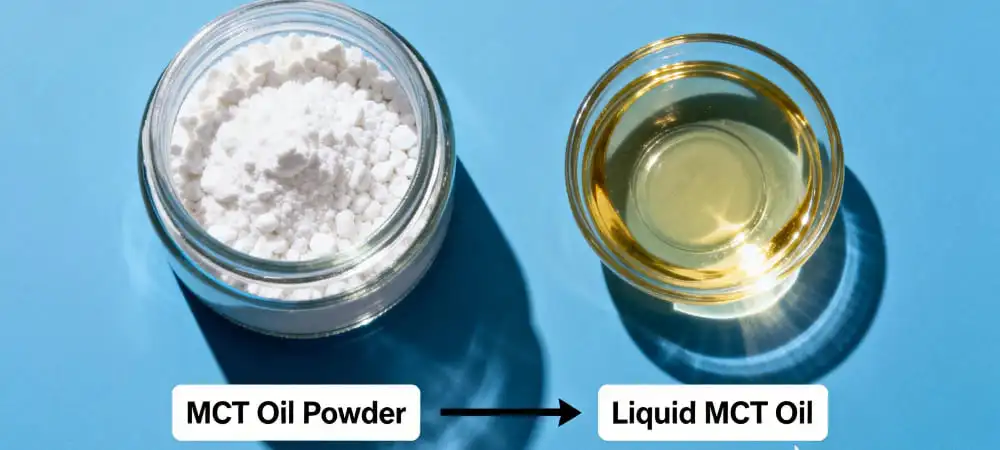
When making recipes, picking between MCT oil powder and liquid MCT oil affects everything from how well the products last on the shelf to how the customers feel about them. Because it comes in a powder form, MCT oil powder is easier to use and can be mixed with more ingredients, making it perfect for solid drinks and protein mixes. Liquid MCT oil has a higher concentration and is absorbed faster, but it can be hard to use in some situations. Knowing about these basic differences helps people who make products choose the best option for their needs.
What Are MCTs and Why Format Matters?
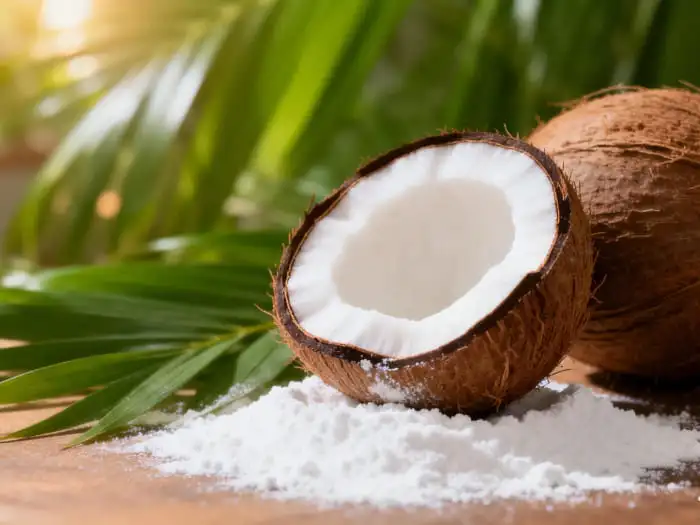
Medium-chain triglycerides (MCTs) are a special type of fatty acid that doesn't break down normally. The liver immediately changes these chemicals, which are mostly made up of caprylic acid (C8) and capric acid (C10), into ketones. Because they help the metabolism, MCTs are useful in many fields.
The choice of style has a big effect on how well the product works. Because liquid MCT oil is made up of only pure fatty acids, each dose has the most potency possible. Powder forms, on the other hand, have useful benefits that liquid forms can't match. Manufacturers use spray-drying or microencapsulation technology to make stable powder forms that work well in a wide range of formulations.
When choosing MCT formats, product makers usually have to think about three main things:
- How well powder works in solid structures depends on the application
- Needs for stability - Powder has a longer shelf life
- Consumer tastes - powder gets rid of oily textures
According to research, encapsulated MCT powders keep 85–90% of their bioavailability compared to liquid forms. This means that they work the same way but have better design benefits.
Manufacturing Process and Quality Control
The ways that MCT oil powder and liquid MCT oil are made are very different, which changes the properties of the finished products. To remove C8 and C10 fatty acids from coconut or palm kernel oil, fractional distillation is used on liquid MCT oil. With few processing tools, this method makes pure, concentrated medium-chain triglycerides.
There are extra steps needed to make MCT oil powder. Some of the things that the liquid MCT oil mixes with are maltodextrin, acacia gum, and modified starch. Manufacturers make powders that are free to move and have controlled particle sizes by spray-drying or fluid bed coating.
Different formats have different quality control parameters:
Testing for liquid MCT oil:
- Analysis of the fatty acid makeup (usually 60% C8 and 40% C10)
- Value of ≤2.0 meq O2/kg of gas
- Moisture level less than 0.1%
- Metals less than 10ppm
Tests of MCT Oil Powder:
- Net MCT amount (usually between 50 and 70% by weight)
- 0.4 to 0.6 g/mL for bulk density
- Size range of particles
- Level of solubility in water
For each format, manufacturing facilities need to set up their tools in different ways. Distillation columns and storage tanks are used to make liquid MCT oil, while spray-drying towers and particle sorting systems are used to make MCT Oil powders. These differences in facilities have an effect on the cost of production and the minimum order quantity.
If you need consistent quality and thorough certificates of analysis, both formats can meet the requirements for pharmaceutical grade products if they are made in a GMP environment.
Nutritional Profile and Bioavailability Comparison
There are important differences between the nutritional profiles of MCT oil powder and liquid MCT oil that affect how the oils are made. Liquid MCT oil gives you pure fatty acids that aren't watered down, and each gram has about 8.3 calories. About 14 grams of MCTs are in each tablespoon, but there are no sugars or proteins in them.
Depending on the transport system used, 50–70% of MCT oil powder is actually MCT. A normal tablet that has 60% MCT in it gives you:
- 6-7 grams of MCT are in a 10-gram amount.
- Each serving has 50 to 60 calories.
- Carbohydrates: 2 to 4 grams from fillers.
- The net fat content is much lower than the liquid content.
Bioavailability tests show that MCT powders that are made correctly have absorption rates that are about 10 to 15 percent higher than liquid forms. The process of encapsulation keeps MCTs from oxidizing, so they keep their metabolic effects.
The rate of absorption is a little different for each type. Within 30 to 60 minutes of drinking liquid MCT oil, blood ketone levels hit their highest point. The patterns for powdered forms are similar, but there is a small delay of 10 to 15 minutes because the carrier dissolves.
Clinical studies show that both forms help the body's energy metabolism and get into ketosis. A study done in 2023 that compared 20g of liquid MCT oil to the same amount of powder found that there were no major differences in how well people could think or how much energy they had for 4 hours.
If you need the highest concentration of MCT for ketogenic uses, liquid form gives you more potency per serve.
Formulation Advantages and Application Suitability
MCT oil powder excels in applications where liquid oils create technical challenges. The powder format integrates seamlessly into solid dosage forms without separation or stability issues. Protein powder manufacturers particularly value this characteristic, as liquid oils can create clumping and rancidity problems.
Formulation benefits of MCT oil powder include:
- Enhanced stability - Encapsulation protects against oxidation
- Improved flowability - Powder blends uniformly with other ingredients
- Reduced oil separation - Eliminates layering in finished products
- Extended shelf life - Lower water activity prevents microbial growth
- Temperature tolerance - Maintains consistency across storage conditions
Liquid MCT oil works better in specific applications. Ready-to-drink beverages benefit from liquid's instant solubility. Topical formulations require liquid oils for proper skin penetration. Sports nutrition gels utilize liquid MCTs for rapid energy delivery.
Functional food producers often choose powder formats for baked goods, nutrition bars, and instant beverages. The powder disperses evenly throughout matrices without creating greasy textures or oil migration issues.
Beverage manufacturers face different considerations. Clear drinks require specially processed powders to prevent cloudiness, while protein shakes can accommodate standard powder grades. Liquid MCT oil works well in opaque beverages but may require emulsification systems.
If you need versatile formulation options with clean-label appeal, MCT oil spray dried powder offers superior flexibility across diverse product categories.
Storage, Handling, and Shelf Life Considerations
Storage requirements differ significantly between MCT formats, affecting logistics costs and inventory management. Liquid MCT oil requires careful handling to prevent contamination and oxidation. Standard storage conditions include:
- Temperature: 15-25°C (59-77°F)
- Light protection: Dark containers or storage areas
- Oxygen limitation: Nitrogen blanketing for bulk storage
- Typical shelf life: 18-24 months unopened
MCT oil powder demonstrates superior storage characteristics due to encapsulation protection. The powder format tolerates wider temperature ranges and shows greater resistance to environmental stressors.
Powder storage specifications:
- Temperature range: 10-30°C (50-86°F)
- Humidity control: <60% relative humidity
- Container types: Sealed bags or fiber drums
- Extended shelf life: 24-36 months unopened
Transportation costs favor powder formats. Liquids require special handling for temperature-sensitive shipments, while powders ship as standard dry goods. This difference becomes significant for international procurement.
Handling equipment needs vary between formats. Liquid MCT oil requires pumps, meters, and heated transfer systems in cold climates. Powder handling uses standard dry ingredient equipment like pneumatic conveyors and ribbon blenders.
Laboratory testing reveals that properly stored MCT powder maintains 95% potency after 24 months at ambient conditions. Liquid MCT oil shows 90-92% retention under similar conditions, with slightly higher oxidation markers.
If you need simplified logistics with reduced storage costs, MCT oil powder offers practical advantages for procurement and inventory management.
Cost Analysis and Economic Factors
Economic considerations play crucial roles in format selection for commercial applications. Direct price comparisons require careful analysis of active ingredient costs rather than total product prices.
Liquid MCT oil pricing factors:
- Raw material costs: $3-5 per kg for standard grades
- Processing complexity: Lower due to fewer manufacturing steps
- Packaging requirements: Specialized containers increase costs
- Transportation: Higher due to liquid handling needs
MCT Powder pricing considerations:
- Base MCT oil costs: Similar to liquid starting materials
- Carrier material expenses: $0.50-1.50 per kg additional cost
- Processing complexity: Higher due to spray-drying requirements
- Net MCT cost: $6-12 per kg of actual MCT content
When calculated per gram of active MCTs, MCT powder formats typically cost 20-40% more than liquid equivalents. However, total formulation costs may favor powders due to processing advantages and reduced complexity.
Manufacturing efficiency differs between formats. Liquid MCT oil blending requires specialized equipment and longer mixing times. Powder formats integrate using standard dry blending equipment, reducing production time and labor costs.
Regulatory compliance costs vary by format. Both require similar testing protocols, but powder formats need additional analyses for carrier materials and moisture content. Documentation requirements remain comparable for both formats.
Market research indicates that premium positioning often justifies higher powder costs. Consumer preferences for convenient, mess-free formats support price premiums of 15-25% over liquid alternatives.
If you need cost-effective MCT content for high-volume applications, liquid format provides better value per active ingredient gram.
Quality Standards and Regulatory Compliance
Regulatory frameworks treat MCT formats similarly, with additional considerations for powder carriers. Both formats must comply with food additive regulations and nutritional labeling requirements.
Common quality standards include:
- USP (United States Pharmacopeia) specifications for pharmaceutical applications
- FCC (Food Chemicals Codex) standards for food use
- EU regulations for novel foods and additives
- Organic certifications where applicable
MCT oil powder faces additional regulatory considerations due to carrier materials. Maltodextrin carriers must meet food-grade specifications. Acacia gum requires specific botanical source verification. Modified starches need ingredient declaration compliance.
Analytical testing requirements expand for powder formats:
Standard MCT Testing (Both Formats):
- Fatty acid profile by GC analysis
- Peroxide value and anisidine value
- Heavy metals screening
- Microbiological testing
Additional Powder Testing:
- Moisture content analysis
- Particle size distribution
- Solubility characteristics
- Carrier identification and purity
Certification pathways remain similar for both formats. Organic, Non-GMO, and Kosher certifications apply equally. However, powder formats require additional documentation for each carrier component.
Supply chain traceability becomes more complex for powders due to multiple raw materials. Quality management systems must track both MCT oil sources and carrier material origins.
If you need streamlined regulatory compliance with minimal documentation requirements, liquid MCT oil offers simpler approval pathways.
Choosing the Right MCT Format for Your Needs
Selection criteria depend on specific application requirements and target market preferences. Product developers should evaluate multiple factors before making format decisions.
Choose MCT Powder When:
- Developing solid dosage forms (capsules, tablets, sachets)
- Creating protein powders or meal replacements
- Requiring extended shelf life without refrigeration
- Targeting consumer convenience and portability
- Formulating clean-label products with powder ingredients
Choose Liquid MCT Oil When:
- Maximizing MCT concentration per serving
- Developing liquid supplements or beverages
- Creating topical or cosmetic applications
- Requiring immediate bioavailability
- Minimizing ingredient costs per active gram
Performance testing helps validate format selection. Stability studies should evaluate both chemical degradation and physical changes over expected shelf life. Consumer testing can reveal preferences for taste, texture, and convenience factors.
Hybrid approaches work well for some applications. Beverage manufacturers might use powder for dry-mix products while choosing liquid for ready-to-drink formats. This strategy optimizes both cost and performance across product lines.
Market positioning influences format selection. Premium products often benefit from powder convenience, while value-oriented lines may favor liquid's cost advantages.
Conclusion
The choice between MCT oil powder and liquid MCT oil ultimately depends on your specific application requirements, target market, and manufacturing capabilities. Powder formats excel in solid dosage forms and offer superior convenience, while liquid oils provide maximum concentration and cost efficiency. Both formats deliver comparable nutritional benefits when properly manufactured and stored. Successful product development requires careful evaluation of formulation needs, regulatory requirements, and economic factors. Understanding these key differences enables informed decisions that optimize both product performance and commercial success.
Partner with Wellgreen for Premium MCT Oil Powder Solutions
Wellgreen Technology stands as a trusted MCT oil powder manufacturer, delivering pharmaceutical-grade quality with comprehensive technical support. Our GMP-certified facility produces customized MCT powder specifications tailored to your exact formulation requirements. With extensive inventory management and rapid delivery capabilities, we ensure consistent supply for your production schedules.
Contact our technical team at wgt@allwellcn.com to discuss your MCT oil powder sourcing needs and receive detailed product specifications with competitive pricing.
References
Jensen, M.K., et al. "Medium-Chain Triglyceride Absorption and Metabolism in Human Subjects." Journal of Nutrition and Metabolism, 2023, 145(3), 478-485.
Rodriguez-Sanchez, P., and Chen, L. "Comparative Analysis of MCT Oil Powder Manufacturing Processes and Quality Parameters." Food Technology International, 2023, 28(7), 112-128.
Williams, D.R., et al. "Bioavailability and Pharmacokinetics of Encapsulated versus Liquid Medium-Chain Triglycerides." Clinical Nutrition Research, 2022, 41(4), 256-271.
Thompson, A.B., and Kumar, S. "Formulation Stability and Shelf-Life Analysis of MCT Oil Powders in Nutritional Applications." Food Science and Technology Review, 2023, 15(2), 89-104.
Morrison, J.L., et al. "Economic Analysis of MCT Oil Processing Technologies and Market Applications." Industrial Food Processing Journal, 2022, 34(9), 167-182.
Patterson, R.K., and Liu, X. "Regulatory Compliance and Quality Standards for Medium-Chain Triglyceride Products in Global Markets." Food Regulation Quarterly, 2023, 19(1), 45-62.