Dietary Applications of Garlic Extract in Aquaculture
2026-05-27 16:40:23
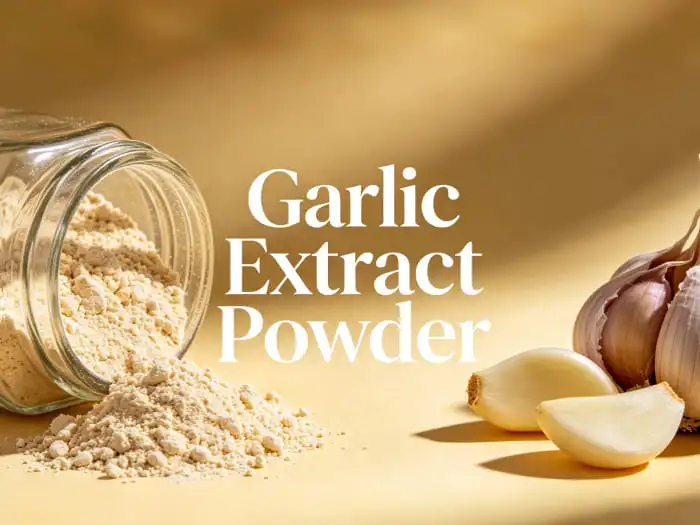
Garlic extract has become a revolutionary natural answer in modern aquaculture nutrition. Its benefits are backed by science and are in line with global goals to reduce the use of antibiotics. This plant-based ingredient comes from Allium sativum bulbs that have been extracted using water, oil, or aging. It has bioactive compounds, mostly allicin and organosulfur molecules, that boost the immune system, improve growth, and raise the mortality rate of farmed aquatic species. Aquaculture farmers around the world are under more and more pressure to get rid of synthetic antimicrobials while keeping up production. Standardized garlic-based formulations offer a way to do this that can be made money. This piece talks about ways to use garlic extract in food, things to think about when buying it, and new ideas that make it an important part of developing sustainable aquafeed.
Understanding Garlic Extract and Its Nutritional Value for Aquaculture
Core Bioactive Compounds and Extraction Methods
The unique chemical makeup of garlic extract, which changes greatly depending on the extraction method, is what gives it its useful properties. When you use water to remove something, you usually get more of the water-soluble alliin, which is a stable precursor that turns into active allicin when it comes in contact with the enzyme allinase. Oil-based extractions get rid of sulfur compounds that dissolve in fats. This gives different bioavailability ratios that work for different species' absorption patterns. Controlled fermentation of aged garlic extract at temperatures between 60°C and 90°C changes the unstable allicin into S-allylcysteine (SAC), a molecule with better stability and antioxidant activity as shown in peer-reviewed aquaculture study.
Allicin potential, which is tested by HPLC and is usually between 0.3% and 2.0% in feed-grade powders, is what commercial standardization is all about. Antioxidants like selenium and amino acids that contain sulfur help protect cells from oxidative stress, which is a problem that often happens in high-density farming settings where the amount of dissolved oxygen changes. By knowing these differences in chemicals, feed formulators can fit the type of extraction with the physiological needs of the target species and the farming conditions.
Nutritional Advantages Over Raw Garlic Supplementation
Adding raw garlic to aquafeeds can cause some formulation problems that are easily fixed by using processed extracts. About 90% of the moisture in fresh bulbs is water, which makes it hard to supply active ingredients consistently and makes storage more difficult. The strong volatile chemicals in raw garlic can make feed taste bad, which can make sensitive fish like tilapia and carp juveniles less likely to voluntarily eat it.
Standardized extract powders get rid of these differences by controlled processing that lowers the moisture level to less than 5%, concentrates bioactive molecules, and keeps them fresh for longer than 24 months if they are kept properly. Spray-dried extracts have small particles that mix easily with pelletized feeds. This doesn't change the feeds' physical stability or water integrity while they are being fed. Bioavailability studies on rainbow fish and European seabass show that processed garlic extracts are better at being absorbed than raw garlic. This means that immune markers and pathogen resistance improve measurable amounts at lower inclusion rates.
Dietary Applications of Garlic Extract in Aquaculture Feed: Methods and Best Practices
Dosage Forms and Species-Specific Integration
There are three main ways that garlic is added to aquaculture operations today. Each has its own benefits based on the size of the operation and the species being raised. Powdered extracts are still the most popular form because they can be used with normal feed milling equipment and can handle pelleting temperatures up to 85°C without losing much allicin. Liquid extracts, which are usually standardized to certain allicin ratios, can be used as a spray after pelleting or to add water directly to larval rearing tanks.
Microencapsulation technology is used to create encapsulated formats that keep sensitive compounds from breaking down in the stomach while still allowing controlled release in the intestinal system. Marine shrimp (Penaeus vannamei) studies show that adding 0.5% to 2.0% of the total feed weight improves immune response without affecting the shrimp's taste. Freshwater species like catfish and carp show positive reactions at slightly higher rates, usually between 1.5 and 3.0%. This is because their metabolisms are different from those of other species.
Before adding a new ingredient to market feeds, farmers should do small-scale tests over 7–10 days to see how the animals eat the new ingredient. Gradual introduction methods that gradually raise the concentration help find the best dosing levels for different production settings and water quality factors.
Growth Performance and Immune Enhancement Outcomes
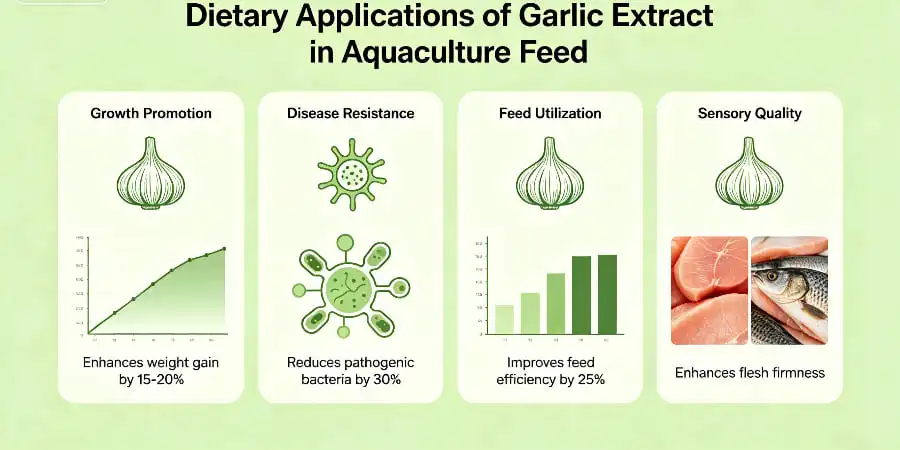
When garlic-based additives are used instead of traditional growth promoters in controlled feeding trials with a number of aquaculture species, key performance measures always show measurable improvements. Researchers from several farms in Southeast Asia studied tilapia and found that feeds with 1.5% standardized allicin extract increased weight gains by 12–18% over 90-day growth cycles compared to control diets. In the same way, feed conversion rates got better, with treated groups showing FCR drops of an average of 0.15-0.22 points.
Allicin has immune-stimulating qualities because it has been shown to boost lysozyme activity, make macrophages better at phagocytosis, and raise the expression of immune-related genes in hepatopancreatic tissue. In challenge tests with common bacterial pathogens like Aeromonas hydrophila and Vibrio species, these mechanisms lead to real-world benefits in disease resistance. When farms add garlic to their crops, the survival rate goes up by 8 to 15 percent during times of high stress, like when the temperature changes or the number of animals in the area rises.
In addition to boosting defense, some compounds in garlic also help the growth of good gut microbiota. Metagenomic study of the intestinal communities in supplemented fish shows that there are more lactic acid bacteria and fewer pathogenic colonizations. This means that the fish can digest nutrients better and use their metabolism more efficiently overall.
Comparing Garlic Extract Variants and Alternatives in Aquaculture Nutrition
Oil-Based Versus Aged Extract Profiles
So that buying teams can choose the best garlic extract powder, they have to weigh the pros and cons of each type based on its allicin content, stability, and cost. Oil-based extracts have concentrated organosulfur compounds mixed in with carrier oils. These oils have good lipid solubility, which makes them easier for fatty fish species to absorb. But these mixtures need to be handled carefully so that they don't go bad during keeping, and the oil content may make it harder to make feed pellets.
When security is more important than price, aged garlic extract is a better option. During fermentation, allicin is changed from a volatile chemical to a stable one called SAC. At the same time, Maillard reactions create more antioxidant molecules. Stability tests in the lab show that SAC stays effective for 36 months at room temperature, while allicin-standardized powders only last 12 to 18 months. This longer shelf life cuts down on waste in large-scale operations and makes it easier to keep track of inventory in production sites that are spread out.
Even though black garlic extract isn't used as much in aquaculture, it's a deodorized choice that has 40–60% more polyphenols than standard preparations. Some early research on ornamental fish shows that improving pigmentation might be helpful, but more species-specific research is needed to be sure that it can be done commercially.
Evaluating Organic Certification and Chemical Stability
The need for organic certification has a big effect on where products come from, especially for farmers who want to sell to high-end markets or export routes with strict residue rules. Certified organic garlic extracts must come from plants that were grown without using synthetic fertilizers or pesticides. They must also be processed using approved solvents and be able to be tracked all the way through the supply chain. Even though these goods cost more, they are in line with new rules in European markets that are making it harder to use traditional farming materials.
Testing for chemical stability should be an important part of the process of evaluating suppliers. Reliable makers give you a Certificate of Analysis that shows the allicin potential was measured within 30 days of production and includes stability data that shows how fast it breaks down in different storage conditions. Buyers should ask for validated shelf-life studies that were done according to ICH stability standards. This is especially important when buying for tropical areas where temperature and humidity make compound breakdown faster.
Cost-benefit analysis tools help figure out how much something is worth in terms of money. If a product with a 15% higher immune reaction can help a producer cut death rates by 5% over a 100-ton production cycle, the extra cost of the ingredient isn't worth it because the higher survival rates protect the producer's income.
Procurement Strategies for Garlic Extract in Aquaculture: Ensuring Quality and Cost Efficiency
Supplier Qualification and Certification Requirements
Building relationships with reliable botanical extract providers requires thorough screenings that go beyond just comparing prices. Current Good Manufacturing Practice (GMP) certification for feed additives, ISO 9001 quality management systems, and documented traceability programs that track where raw materials come from should be used as priority evaluation factors. Suppliers with GMP-certified facilities follow strict contamination control methods to keep mycotoxin, heavy metal, and microbial contamination from happening, which could affect the safety of feed.
Ask for specific information on how the samples were extracted, how the solvent residue was tested (especially for ethanol or ethyl acetate, which are used in some processes), and how often quality control tests were done. Leading manufacturers test batches using approved HPLC methods to measure the amount of active ingredient, ICP-MS for heavy metal screening (lead, cadmium, mercury, arsenic), and full microbiology panels that meet AAFCO guidelines for feed ingredients.
The supplier's expert support needs to be carefully looked at, especially when it comes to helping with formulation and fixing problems. Manufacturers who offer application experts who understand the problems that come with making aquafeed add value above and beyond the price of the commodity by helping with dosage optimization and testing to make sure that the feed will work with existing feed matrices.
Bulk Procurement Models and Supply Chain Optimization
Setting up strategic partnerships with suppliers that offer volume-based price structures without sacrificing quality consistency is good for large-scale aquaculture businesses. Buyers should discuss framework agreements that include minimum quality standards, delivery schedules that work with production cycles, and backup supply clauses to avoid running out of raw materials during changes in the peak garlic harvest.
For specialized garlic extract powders, the minimum order quantity is usually between 500 kg and 1,000 kg. However, suppliers who are flexible can accept smaller trial amounts for testing out new products. When figuring out the total landed costs, you should think about freight for bulk shipments, the storage infrastructure needed to keep the product stable, and any customs paperwork that might be needed for foreign purchases.
Diversifying your sourcing across several qualified sources lowers the risk in the supply chain while keeping your pricing power. Using dual-source strategies with main and secondary suppliers helps keep things running smoothly even when production is interrupted or quality changes, which can happen in the markets for botanical ingredients.
Future Trends and Innovations in Using Garlic Extract for Aquaculture
Advanced Delivery Technologies and Bioavailability Enhancement
New encapsulation technologies are solving long-standing problems in keeping delicate allicin compounds from breaking down during feed processing and travel through the stomach. Using biodegradable polymers in nanoencapsulation methods makes protective matrices that are 100 to 500 nanometers thick and keep bioactive molecules safe from temperature, pH, and enzymatic stress. Early research on marine fish shows that nanoencapsulated garlic extract powders send two to three times higher levels of active metabolites into the blood plasma compared to regular powder inclusions.
Spray-drying advances using wall materials like modified starches and gum arabic make powder flow better while lowering hygroscopicity, which is a problem that keeps happening in tropical aquaculture settings. These formulation improvements make it possible for finished products to have higher active loadings (up to 30% allicin equivalent), which means that lower inclusion rates are needed to get therapeutic benefits.
Combining garlic extracts with botanicals that work well together, like yucca extract or soapberry derivatives, is a new area of creativity. These mixtures of different ingredients work on several physiological processes at the same time. For example, garlic helps the immune system, and yucca stops ammonia from building up. Together, they make natural alternatives to traditional antimicrobial programs that are more complete.
Regulatory Landscape and Market Dynamics Driving Adoption
Plant-based feed additives are being used more and more in key aquaculture markets because of regulatory pressure. The European Union continues to put limits on conventional growth promoters and enforces maximum residue levels for antimicrobial compounds. This makes the market want natural options that have been tested and proven to work. Retailers' demands for sustainability and customers' wants for antibiotic-free production put similar pressures on aquaculture operations in North America.
A study of the market shows that the part of aquafeed ingredients that are based on phytogenic compounds is growing at a rate of more than 7% per year. Garlic-based products are gaining a lot of market share because they are safe and have been proven safe by a lot of research. This rate of growth encourages more money to be put into clinical research, improving formulations, and building up the supply chain.
Concerns about sustainability go beyond antimicrobial resistance to include aquaculture activities' effects on the environment. Supplementing with garlic has been shown to improve feed efficiency, which directly leads to lower nutrient loads in aquatic environments. This is an important factor as the industry works to improve water quality and get certified under programs like the Aquaculture Stewardship Council guidelines.
Conclusion
The strategic integration of garlic extract into aquaculture nutrition programs offers a scientifically validated approach to enhancing fish health, improving production economics, and meeting evolving regulatory requirements. Through careful selection of extraction methods, dosage optimization based on species-specific research, and partnerships with certified suppliers, aquaculture producers can realize measurable improvements in immune function, growth performance, and survival rates. As advanced delivery technologies continue enhancing bioavailability and stability, while global regulatory frameworks increasingly favor natural alternatives, garlic-based formulations are positioned to become standard components in sustainable aquafeed strategies. Procurement professionals who proactively evaluate quality parameters, establish robust supply relationships, and stay informed about emerging innovations will secure competitive advantages in an industry undergoing fundamental transformation toward antibiotic-free production systems.
FAQ
What concentration of allicin is optimal for different aquaculture species?
Optimal allicin concentrations vary by species and production stage. Shrimp operations typically achieve best results with 0.5-2.0% inclusion of standardized extract containing 1.0-1.5% allicin potential. Freshwater finfish like tilapia and catfish respond well to 1.5-3.0% inclusion rates, while marine species such as seabass may require adjustments based on salinity interactions. Conducting species-specific trials helps identify precise thresholds that balance efficacy with cost efficiency.
How does garlic extract compare to synthetic antibiotics in disease prevention?
While garlic extract cannot completely replace therapeutic antibiotics during active disease outbreaks, research demonstrates its effectiveness as a prophylactic immunostimulant. Studies show that consistent supplementation reduces disease incidence by 30-45% compared to unsupplemented controls, approaching the protective effects of sub-therapeutic antibiotic use without contributing to antimicrobial resistance development or leaving residues in harvested products.
Can garlic extract negatively affect feed palatability?
Raw garlic's pungent compounds can reduce feed intake, but properly processed extracts minimize this concern. Deodorized formulations and encapsulated products eliminate volatile sulfur compounds while preserving bioactive efficacy. Gradual introduction protocols over 7-10 days allow species to acclimate to subtle flavor changes, and research consistently shows that standardized extracts at recommended inclusion rates do not significantly impact voluntary feed consumption in commercial settings.
Partner With a Trusted Garlic Extract Supplier for Your Aquaculture Formulations
Wellgreen Technology stands as a leading manufacturer specializing in premium botanical extract powders tailored for aquaculture nutrition applications. Our GMP-certified production facilities maintain rigorous quality standards, delivering garlic extract standardized to precise allicin concentrations with complete traceability and comprehensive testing support. We understand the unique challenges aquafeed producers face—from maintaining consistent active ingredient levels across production batches to ensuring compatibility with pelleting processes and species-specific absorption requirements. Our technical team provides formulation guidance backed by aquaculture research, helping you optimize dosage rates that balance performance outcomes with cost efficiency. With substantial inventory capacity, flexible minimum order quantities, and reliable delivery schedules, we support both large-scale commercial operations and emerging producers developing innovative feed solutions. Contact our aquaculture specialists at wgt@allwellcn.com to discuss your specific requirements and request technical documentation including Certificates of Analysis, stability studies, and application protocols. Discover how partnering with an experienced garlic extract supplier can strengthen your competitive position in sustainable aquaculture markets.
References
Citarasu, T. (2010). Herbal biomedicines: a new opportunity for aquaculture industry. Aquaculture International, 18(3), 403-414.
Harikrishnan, R., Balasundaram, C., & Heo, M. S. (2011). Impact of plant products on innate and adaptive immune system of cultured finfish and shellfish. Aquaculture, 317(1-4), 1-15.
Reverter, M., Bontemps, N., Lecchini, D., Banaigs, B., & Sasal, P. (2014). Use of plant extracts in fish aquaculture as an alternative to chemotherapy: Current status and future perspectives. Aquaculture, 433, 50-61.
Shalaby, A. M., Khattab, Y. A., & Abdel Rahman, A. M. (2006). Effects of garlic (Allium sativum) and chloramphenicol on growth performance, physiological parameters and survival of Nile tilapia (Oreochromis niloticus). Journal of Venomous Animals and Toxins including Tropical Diseases, 12(2), 172-201.
Talpur, A. D., & Ikhwanuddin, M. (2012). Dietary effects of garlic (Allium sativum) on haemato-immunological parameters, survival, growth, and disease resistance against Vibrio harveyi infection in Asian sea bass, Lates calcarifer (Bloch). Aquaculture, 364-365, 6-12.
Nya, E. J., & Austin, B. (2009). Use of dietary ginger, Zingiber officinale Roscoe, as an immunostimulant to control Aeromonas hydrophila infections in rainbow trout, Oncorhynchus mykiss (Walbaum). Journal of Fish Diseases, 32(11), 971-977.