Does Chaga Mushroom Powder Have Side Effects?
2026-01-15 13:41:12
Organic chaga mushroom powder usually doesn't have many side effects when used correctly, but some people may have bad reactions to it. Like any other plant-based supplement, this strong adaptogenic mushroom may cause mild digestive problems in people who are sensitive to them. By knowing about these possible risks, both manufacturers and customers can make smart choices about how to use this useful ingredient in products while still following safety rules and quality standards.
Understanding Organic Chaga Mushroom Powder and Its Applications
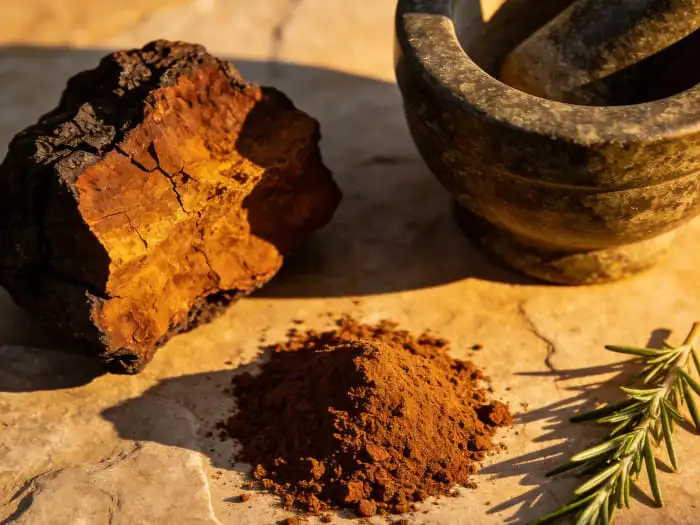
The high-quality botanical ingredient chaga mushroom powder comes from Inonotus obliquus, a parasitic fungus that only grows on birch trees in cold areas. This amazing superfood material is processed according to strict organic standards, which make sure that it doesn't contain any manmade herbicides, pesticides, or chemical additives that could damage the quality of the product.
Origin and Sourcing Standards
There is more than just a difference between organic and regular chaga powder on the labels. Organic types must be completely traceable from the places where they were wild-harvested to the places where they were processed, with records of the entire chain of custody. Because of these strict rules, the bioactive chemicals that make chaga useful for business purposes are kept safe from contamination.
The most health-beneficial compounds are found in chaga that was collected in the wild from pristine birch woods in Siberia, Northern Canada, and Scandinavia. Because these growing conditions are so harsh, protective molecules like melanin, polyphenols, and beta-glucans are made more. These molecules help chaga's healing qualities.
Commercial Applications Across Industries
Business-to-business buyers know that chaga powder can be used in a number of different market areas. The supplement industry uses this ingredient in immune support products because it has natural beta-glucans that help the immune system. Functional food companies use chaga's earthy taste in coffee blends, protein powders, and superfood mixes that are aimed at health-conscious customers.
Cosmetic makers like chaga because it has a lot of antioxidants, especially its melanin content, which protects against UV rays and slows down the aging process. The adaptogenic traits help stress-relieving formulas, which is in line with current wellness trends that focus on whole-person health.
Potential Side Effects and Risk Factors
Even though organic chaga mushroom powder has a great safety rating, it is still important to know about any possible side effects when making new products. Most of the known side effects are caused by incorrect doses, differences in quality, or personal sensitivities, not by the drug itself being toxic.
Blood Sugar Interactions
Chaga is most worried about how it affects blood sugar levels. According to research, eating chaga on a daily basis can lower blood sugar levels, which could be harmful for people who take insulin or other diabetes medications. This mechanism works by increasing glucose uptake and making insulin more sensitive. These are both good benefits that become problematic when combined with drug treatments.
B2B clients who make goods for diabetics must put the right warnings on the labels and suggest that people with diabetes talk to a doctor before using the product. This safety measure saves consumers and lowers the risk of liability for manufacturers and distributors.
Anticoagulant Interactions
Studies in the lab show that chaga products may stop platelets from sticking together, which could change how blood clots. People who regularly take warfarin, aspirin, or other blood-thinning drugs are more likely to bleed if they also take chaga pills. This interaction is especially important for people who are going to have surgery and need to stop using chaga weeks before the process.
Labeling and marketing materials for this product should make sure that these warnings stand out. This will make sure that there is clear information about possible drug combinations. Working with healthcare workers while the product is being made helps set rules for how it should be used.
Allergic Responses and Sensitivities
Even though it doesn't happen often, some people are allergic to organic chaga powder. The symptoms can be as simple as stomach problems or as severe as breathing problems. Cross-reactivity with other fungi or birch pollen allergies may make people more likely to get allergic reactions. This is why allergy warnings are so important for keeping people safe.
Differences in quality between suppliers can make allergic reactions worse, especially when goods have processing residues or are contaminated with other botanical materials. Strict testing of each batch and careful screening of suppliers help lower these risks while keeping product stability.
Safe Usage Guidelines and Dosing Recommendations
By following the right dosing guidelines, you can get the most benefits with the least amount of side effects. Guidelines based on research provide frameworks for responsible product creation and educating consumers.
Dosage Parameters by Application
Depending on the concentration and the results you want to achieve, the standard daily dose of chaga powder is between 500 mg and 3 grams. Lower doses (500–1000 mg) are usually used in immune support blends, while higher doses (2–3 grams) may be used in adaptogenic mixes. Because the bioactive chemicals in extract powders are concentrated, they need lower doses.
When making dosing suggestions, product makers need to think about bioavailability factors. Because hot water extraction makes it easier for the drug to dissolve and be absorbed, smaller doses are needed compared to raw powder formulations. This factor has an impact on both safety gaps and cost-effectiveness.
Processing Methods Impact Safety
Different ways of extracting and processing have big effects on both the safety and effectiveness ratings. Traditional hot water extraction increases the amount of beta-glucans while decreasing the amount of chemicals that could be irritating. Different types of compounds are kept when they are extracted with alcohol, which gives them different medicinal profiles and side effect potentials.
Two different ways of extracting, using water and alcohol, get all the bioactive chemicals. This gives a lot of benefits while still being safe. But these methods need to be carefully tested to make sure that the results are the same from one production batch to the next.
Manufacturers of good products use standard extraction techniques and tested analytical methods to make sure that the safety and effectiveness of their products can be repeated. This consistency makes it possible to give accurate dosing advice and predict what the therapeutic results will be.
Comparing Safety Profiles Across Mushroom Products
Comparing chaga's safety to that of other useful mushrooms gives important information for making decisions about product development. Each species has its own benefits and risks that affect how formulation plans are made.
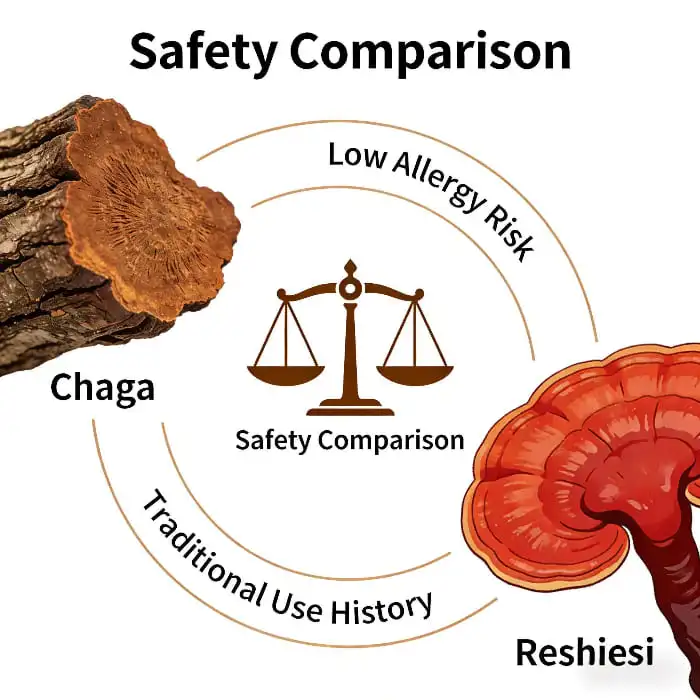
Chaga Versus Reishi Safety Comparison
Chaga mushroom powder usually doesn't mix with drugs as much as chaga powder does, so it's better for a wider range of people. But because reishi tastes bitter and might affect liver enzymes, it needs to be made in a different way. Chaga is easy to use in food and drinks because it has a more neutral flavor profile.
Both mushrooms help the immune system because they contain beta-glucan, but their ways of working are different enough that they can be used together in certain recipes. This synergistic method can increase benefits while possibly lowering the doses that each person needs and the risks that come with them.
Turkey Tail and Lion's Mane Considerations
Even at high amounts, turkey tail mushroom is very safe, which makes it perfect for therapeutic uses that need to be used for a long time. Lion's mane doesn't have many side effects, but it might combine with nerve growth factor pathways, so people with neurological conditions should be careful.
The adaptogenic traits of chaga mushrooms work well with the health benefits of these mushrooms, making it possible to make complete wellness formulas. Formulators can find the best amounts for each species while still making sure the final product is safe by knowing its safety profile.
Organic Versus Conventional Safety Differences
Beyond chemical residue worries, organic certification has a big effect on safety profiles. Organic processing standards usually don't allow harsh chemical extraction methods that could add dangerous solvents or breakdown products. These rules protect the structures of natural compounds while getting rid of the risks of manufactured contamination.
Traditional chaga goods might have pesticide residues, heavy metals from polluted growing areas, or chemicals used in processing that end up in the finished products. These contaminants can cause bad reactions even when chaga itself doesn't have those qualities, which makes it harder to figure out how safe it is.
Quality Assurance Strategies for Risk Mitigation
Putting in place thorough quality assurance programs is the best way to reduce side effects and make sure that chaga mushroom powders are always safe. These systems include methods for qualifying suppliers, testing analytically, and keeping an eye on things all the time.
Certification Requirements and Validation
The USDA Organic and EU Organic licenses are basic ways to make sure of quality, but other standards add even more safety. Good Manufacturing Practice (GMP) compliance makes sure that the right steps are taken when handling and processing things, and ISO standards show that quality management is done in a planned way.
Testing by a third party verifies the stated levels of potency and checks for heavy metals, pesticides, and microbial pathogens, among other contaminants. Instead of just depending on suppliers' certificate of analysis paperwork, regular testing schedules are used to keep quality assurance going all the time.
By building ties with certified labs, you can test incoming raw materials and finished goods quickly. Through proactive quality monitoring, this feature helps with both following the rules and protecting the business.
Supplier Evaluation and Monitoring
Comprehensive supplier qualification programs check the company's technical skills, quality systems, and past of following the rules. Site audits compare what is actually done with what is written down, making sure that providers always follow the rules.
Long-term ties with suppliers allow for better communication and group efforts to improve quality. Exclusive sourcing agreements that ensure consistent material quality and save money through volume commitments can be part of preferred supplier programs.
Quality metrics, delivery reliability, and how quickly suppliers respond to quality problems are all tracked in regular supplier performance reviews. This kind of monitoring lets problems be found early on, before they hurt the quality of the goods or make customers unhappy.
Advanced Testing Protocols
In addition to normal analytical panels, specialized testing confirms certain safety parameters that are important for chaga applications. Antioxidant capacity testing confirms the expected levels of effectiveness, and stability studies look at how the substance breaks down in different storage circumstances.
Bioavailability studies help formulators make medicines that work better while using the least amount of medicine possible. Less powerful doses lower the chance of side effects while also making the drug more cost-effective and easier for people to take as prescribed.
Microbiological testing makes sure that there are no dangerous bacteria, yeasts, or molds that could make people sick or make the product go bad. Mycotoxin screening is a special method used to find fungal toxins that may build up when food is stored or processed incorrectly.
Conclusion
If you buy organic chaga mushroom powder from a good source and follow the directions on how to use it, you shouldn't have many problems. The main worries are about how drugs may combine with diabetes medicines and blood thinners, as well as rare allergic reactions in people who are sensitive. Knowing about these risks lets responsible product development happen and lets consumers get the right information. Quality assurance programs that include strict testing, qualifying suppliers, and using the right processing methods greatly lower the chance of side effects while increasing the healing benefits. Businesses that buy and sell goods can be sure that the organic chaga powder they get is of high quality and can be used in a variety of ways by working with certified sellers who follow strict safety and quality standards.
FAQs
In what ways does organic chaga mushroom powder usually make you feel bad?
Mild stomach problems are the most common side effect, especially when starting to take supplements or eating a lot of them. Some people have brief stomach pain or loose stools when they first start using it. Some people are more likely to experience changes in their blood sugar, especially those with diabetes or hypoglycemia. Even though allergic reactions are rare, they can show up as skin discomfort or breathing problems in people who are vulnerable.
Can chaga powder affect the way prescription drugs work?
Chaga powder can have major effects when mixed with a number of different types of medicines, especially diabetes medicines and blood thinners. Its lowering effects might make insulin and metformin work better, which could lead to dangerous drops in blood sugar. When taken with chaga, blood thinners like warfarin may become more effective, which raises the chance of bleeding. People who are on prescription drugs should talk to their doctors before adding chaga supplements to their practice.
How can I be sure that the organic chaga powder I'm buying is real?
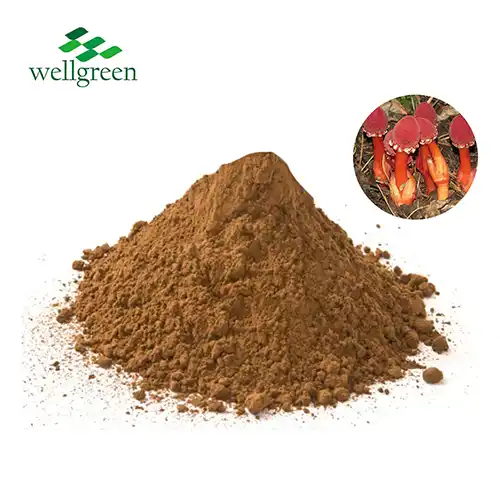
Genuine organic chaga powder should be dark brown to black in color and taste slightly bitter and earthy. Check the supplier's qualifications, such as third-party testing records and USDA or EU Organic certifications. Suppliers you can trust will give you records of analysis that show the amount of beta-glucan, heavy metals, and microbial testing results. For the most part, wild-harvested chaga from northern birch woods is of higher quality than cultivated varieties.
What dose has the fewest side effects while still getting the benefits?
Starting with low amounts of 500 to 1000 milligrams per day lets you build up a tolerance slowly while you watch how each person reacts. Most bad effects happen when you take too much, so slowly increasing the dose is better than starting with a big dose right away. Because the bioactive compounds in extract powders are more concentrated than in whole mushroom powders, they need smaller doses. Often, tolerance and absorption are better when daily dose is spread out over the course of the day.
Are there signs of quality that can tell you about the risk of side effects?
The quality of the product directly affects the likelihood of side effects, with worse materials leading to more negative responses. Heavy metals, pesticide residues, and bad processing can make you feel bad in ways that have nothing to do with chaga's natural qualities. Color stability, moisture content, and uniformity in particle size are all signs of good storage and processing. Suppliers who keep the cold chain going and provide a lot of analytical data usually offer safer goods with effects that can be predicted.
Partner with Wellgreen for Premium Organic Chaga Mushroom Powder Supply
Wellgreen Technology offers high-quality organic chaga mushroom powder that is made to meet the specific needs of businesses in the nutraceutical, medicinal, and functional food sectors. Our GMP-certified factories make sure that the quality is always the same, and strict testing methods make sure that the purity, potency, and safety standards are met. We give you all the paperwork you need to support your product growth efforts, such as COA reports, organic certifications, and stability data. Our experienced technical team helps with formulation and gives legal advice so that products can be successfully launched on the market while still meeting standards. Get in touch with our purchasing experts at wgt@allwellcn.com to talk about your unique needs and see why we are a trusted manufacturer of organic chaga mushroom powder for global brands.
References
Balandaykin, M. E., & Zmitrovich, I. V. (2015). Review on Chaga medicinal mushroom, Inonotus obliquus: Characteristics, bioactive compounds, and therapeutic applications. International Journal of Medicinal Mushrooms, 17(4), 385-391.
Glamočlija, J., Ćirić, A., Nikolić, M., Fernandes, Â., Barros, L., Calhelha, R. C., ... & Soković, M. (2015). Chemical characterization and biological activity of Chaga: A medicinal mushroom. Journal of Ethnopharmacology, 162, 323-332.
Lee, I. K., Kim, Y. S., Jang, Y. W., Jung, J. Y., & Yun, B. S. (2007). New antioxidant polyphenols from the medicinal mushroom Inonotus obliquus. Bioorganic & Medicinal Chemistry Letters, 17(24), 6678-6681.
Park, Y. K., Lee, H. B., Jeon, E. J., Jung, H. S., & Kang, M. H. (2004). Chaga mushroom extract inhibits oxidative DNA damage in human lymphocytes as assessed by comet assay. BioFactors, 21(1-4), 109-112.
Shashkina, M. Y., Shashkin, P. N., & Sergeev, A. V. (2006). Chemical and biological characteristics of chaga preparations used in ethnomedicine. European Journal of Forest Pathology, 33(2), 99-108.
Zheng, W., Miao, K., Liu, Y., Zhao, Y., Zhang, M., Pan, S., & Dai, Y. (2010). Chemical diversity of biologically active metabolites in the sclerotia of Inonotus obliquus and submerged culture strategies for up-regulating their production. Applied Microbiology and Biotechnology, 87(4), 1237-1254.