Organic Chaga Mushroom Powder: Certifications and Safety Standards
2026-01-15 13:41:11
When buying from one business to another in the nutraceutical market, safety standards and licenses are very important. One of the most sought-after raw materials is organic chaga mushroom powder. The formal name for this amazing adaptogenic mushroom is Inonotus obliquus. To make sure it is real, pure, and safe, strict quality control methods must be used at every step of the supply chain. Purchasing managers need to know about these badges so that they can get high-quality ingredients for their formulas even though the rules are hard to understand.
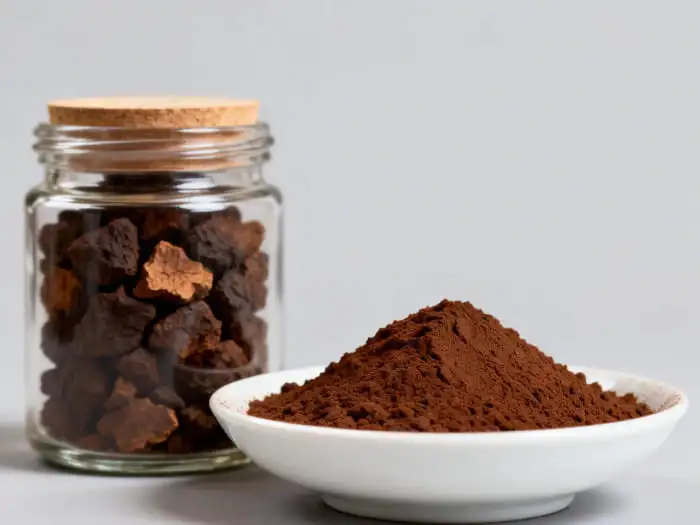
Key Certifications and Safety Standards for Organic Chaga Mushroom Powder
There are guarantees that people all over the world know that your organic chaga mushroom powder is good. These certificates back up both the ways the food is grown and the ways it is processed. These approvals show that a company can be trusted in foreign trade. This lets businesses get high-quality ingredients while still following the rules in many markets.
USDA Organic and International Organic Certifications
The USDA Organic seal is the gold standard for organic things that want to be sold in the US. For this to be approved, the chaga must come from birch trees that have been grown for at least three years without using manmade fertilizers, herbicides, or pesticides. Tough records must be kept on where the crops are grown, how they are processed, and how the supply chain is run as part of the license process.
The strict rules for organic approval are the same in the European Union. This makes sure that organic chaga mushroom powder meets European law. If your mushrooms are approved by JAS (Japanese Agricultural Standards), you can sell them in Asian countries that want high-quality useful mushroom ingredients.
These organic certificates have a direct effect on the bioactive chemical profile of chaga mushroom powder. Polyphenols, melanin, and beta-glucans are often found in higher amounts in approved organic goods than in regular goods. Because they don't have any chemicals left on them, organic things are safer. Because of this, they can be used more safely in nutraceuticals and functional meals.
GMP, ISO 22000, and HACCP Standards
Approval under Good Manufacturing Practice (GMP) makes sure that processing facilities keep their cleanliness and quality control at a level that is good for medicines. Facilities that are GMP-certified have full quality control systems that include rules for keeping things from getting contaminated, training for staff, and regular repair of equipment.
This means that food safety control is built into the whole supply chain. Risk analysis, key control points, and systems that keep an eye on things all the time to stop contamination and keep the quality of the goods the same are all talked about in this standard. The approval is very helpful for chaga mushroom powder that will be used in healthy drinks and foods.
Using HACCP (Hazard Analysis Critical Control Points) helps find biological, chemical, and physical risks that might happen during processes. This orderly process makes sure that the organic chaga mushroom powder is safe and still has the good chemicals in it, like carbohydrates and triterpenoids.
Regulatory Compliance Across Global Markets
Compliance with regulations is more than just getting the right licenses. Meeting the wants of different market areas is also part of it. In the US, there are rules that make sure food supplements follow the FDA's rules. Labels and proof of health claims are part of these rules. Novel Food rules and special heavy metal limits must be followed in order to sell in European markets.
When mushrooms are sold in Asian shops, they often need more proof that they are real and that they have been processed properly. When looking for long-term suppliers, being able to offer full legal help becomes a key differentiator.
Comparing Organic vs Regular Chaga Mushroom Powder Certifications
There is a lot more to the difference between organic and regular chaga mushroom powder than just the labels. These differences have a big effect on the quality, safety, and acceptance of a product in the market. This is why certification status is such an important part of buying choices.
Certification Rigor and Quality Assurance
Certification methods for organic chaga mushroom powder are much stricter than those for conventional alternatives. To get organic certification, harvesting areas must be fully documented, with tests for soil and water quality and estimates of the health of the ecosystem. Because of these rules, the birch trees where chaga mushrooms grow are kept clean and free of pollution from factories.
For organic goods to get certified, they have to go through regular third-party inspections, have each batch tested for contaminants, and have the supply chain integrity constantly watched. Standard chaga powder usually only needs to meet basic food safety standards, which might not cover chemical residues or outdoor contaminants.
Nutritional Profile Differences
Organic chaga mushroom powder includes more beneficial compounds than conventional alternatives, according to research. Because organic growing environments don't use man-made chemicals, chaga can develop stronger antioxidant profiles, such as higher amounts of melanin and polyphenolic compounds.
By using organic farming methods, the natural balance of bioactive substances like beta-glucans and triterpenes is kept, which helps the plant's immune-modulating qualities. Because of these health benefits, finished goods work better, which is why organic certification is especially useful for high-end supplement formulas.
Supplier Selection Impact
The level of certification has a big impact on how suppliers are judged and long-term partnership choices. Getting organic certification shows that a supplier cares about product, the environment, and following the rules. This dedication usually covers other areas of running a business too, like customer service, technical help, and making sure the supply chain works well.
Case studies from big nutraceutical companies show that getting supplies from organically certified sources makes it easier to get products approved by regulators. The detailed paperwork that comes with organic certification speeds up the approval process for regulators and makes it easier to get into markets in many areas.
How to Evaluate and Verify Supplier Credentials and Product Safety?
A good way to evaluate a supplier is to look at their production skills, quality control measures, and certifications in a planned way. This process keeps buying investments safe and makes sure that there is always access to high-quality organic chaga mushroom powder that meets the changing needs of the market.
Certification, Authentication and Audit Procedures
The first step in checking a supplier's credentials is to carefully look over their certification papers. Real certificates have specific information about the organizations that issued them, the types of certification they offer, and how long they are good for. Cross-referencing certification numbers with the organizations that issued them proves that the certificates are real and up to date.
On-site checks give you a better understanding of how production really works and how quality control is put into action. These audits should look at paperwork about harvesting, processing tools, storage conditions, and training programs for staff. Traceability methods that keep track of organic chaga mushroom powder from the time it is collected in the forest until it is packaged are also checked as part of the audit process.
Third-party audit records give unbiased opinions on a supplier's skills and compliance level. These reports often show business strengths and possible risk areas that internal reviews might miss.
Laboratory Testing and Quality Verification
Full lab tests are the basis for making sure the quality is good and the safety is certain. Heavy metals like lead, mercury, cadmium, and arsenic should be tested for, as well as pesticide residues and microbiological pollution. These tests make sure that the organic chaga powder meets both organic standards and safety standards for food.
Bioactive compound research confirms the presence and concentration of important health-promoting substances, such as melanin, beta-glucans, and polyphenols. These compounds are consistent across different batches, which shows that there are strong quality control methods in place and that the processing is standardized.
Each package should come with a Certificate of Analysis (COA) that lists all the tests that were done and confirms that the rules were followed. The supplier's dependability and quality assurance skills are shown by their ability to provide consistent, thorough COAs.
Supply Chain Transparency and Traceability
Traceability tools let everyone in the supply chain see where the goods are harvested all the way through to delivery. Traceability that works includes proof of where the food came from, when it was harvested, how it was processed, and how it was stored, all along the supply chain.
Blockchain-based tracking systems are becoming more popular as more advanced ways to make the supply chain clear. These systems keep records of a product's trip that can't be changed. This makes it easier to check a product's authenticity and lowers the risk of counterfeiting.
Regular evaluations of suppliers make sure that they continue to meet quality standards and licensing requirements. These tests should look at both practical performance and efforts to make things better all the time, which raises the quality and safety of the products.
Wellgreen Technology: Your Trusted Organic Chaga Mushroom Powder Supplier
Wellgreen Technology is a top company that makes organic chaga mushroom powder. They are known for their constant dedication to international certifications and high safety standards. We are the go-to partner for discerning procurement workers in the nutraceutical, pharmaceutical, and functional food industries because we take a comprehensive approach to quality assurance and regulatory compliance.
Manufacturing Excellence and Certification Leadership
Our manufacturing facility is GMP-certified and has cutting-edge processing tools made just for making premium mushroom powder. Pharmaceutical-grade environmental controls are kept in place at the facility to make sure that the quality of the products is always the same and to protect the bioactive chemicals that make organic chaga mushroom powder so valuable.
Wellgreen Technology has several organic certifications, such as USDA Organic, EU Organic, and JAS certifications, which make it easy to sell its products in markets all over the world. Our ISO 22000 and HACCP certifications show that we have complete systems for managing food safety that go above and beyond what is required by the business.
The company's dedication to certification success goes beyond simple compliance and includes efforts to keep getting better. We regularly spend money on upgrades to our facilities, training for our employees, and improvements to our quality systems that keep us at the cutting edge of best practices in our business.
Comprehensive B2B Solutions and Technical Support
Wellgreen Technology provides a range of bulk supply choices to meet the needs of different B2B customers, ranging from small-scale formulation trials to large-scale commercial production. Our methods for managing inventory make sure that organic chaga mushroom powder is always available, which helps us stick to production schedules and market launch dates.
As part of technical support, you can get help with formulation, regulatory advice, and choices for custom processing. Our skilled professionals help clients get the most out of adding chaga to different types of products, like capsules, tablets, functional drinks, and powder mixes.
By giving full certificates, testing results, and regulatory submissions, documentation support services make regulatory compliance easier. This help makes things easier for administrators while making sure that area rules are followed correctly.
Quality Assurance and Supply Chain Reliability
Our quality assurance program covers the whole process of making chaga mushroom powder, from getting the raw materials to putting the powder in packages. Each production batch goes through strict testing procedures that include looking for heavy metals, microbes, and medicinal compounds.
Partnering with approved organic harvesters in the supply chain makes sure that you always have access to high-quality raw materials and supports harvesting methods that are good for the environment. As part of these agreements, the harvesting environments are constantly watched and quality is checked on a regular basis.
As part of its commitment to openness, Wellgreen Technology provides full traceability documentation and has third parties check the facility on a regular basis. Professionals in procurement who are looking for reliable, long-term relationships can trust this openness.
Best Practices for Safely Using and Handling Organic Chaga Mushroom Powder
Certified organic chaga mushroom powder needs to be handled and used in a certain way so that it stays safe, effective, and of high quality throughout its entire lifecycle. These steps keep the valuable bioactive compounds stable and lower the risk of contamination during storage, processing, and making the end product.
Storage and Preservation Guidelines
To keep its beneficial ingredients and stop it from breaking down, organic chaga mushroom powder needs to be stored in a controlled environment. For best keeping, keep the temperature between 15°C and 25°C (59°F and 77°F) and the relative humidity below 60%. These conditions stop the absorption of wetness that could cause clumping, mold growth, or the breakdown of bioactive compounds.
Keeping the melanin content that helps chaga's antioxidant qualities safe from light is very important. To stop photodegradation, storage bins should be clear or kept in dark places. Keeping the powder's typical earthy smell and bitter taste in airtight containers keeps it from going bad.
During storage, quality is regularly checked by looking for changes in color, checking the moisture content, and doing microbiological screenings on a regular basis. These ways of keeping an eye on things make sure that the quality of organic chaga mushroom powder stays the same even after being stored for a long time.
Processing Integration and Formulation Considerations
To use organic chaga mushroom powder in different kinds of products, you need to know what makes it special and how it might react with other ingredients. Because the powder is naturally dark and bitter, it may need to be mixed with other ingredients or have its flavor covered up in consumer goods.
When processing, it's important to think about how sensitive something is to heat, since high temperatures can break down helpful chemicals like beta-glucans and polyphenols. Processing temps should stay below 176°F (80°C) to keep bioactivity and make sure that mixing and encapsulation are done correctly.
The characteristics of solubility change based on the extraction methods used to make the powder. Powders that have been removed with water usually dissolve better in beverages, while whole mushroom powders may need to be processed more before they can be used properly in liquids.
Safety Protocols and Risk Mitigation
Handling chaga mushroom powder safely means following standard food safety rules, like washing your hands and using clean tools, and taking steps to stop contamination. Procedures for handling people should include the right safety gear and teaching on how to handle powder properly.
When thinking about allergens, you should think about the possibility of cross-contamination in places that process a lot of different plant ingredients. Clear labeling and segregation rules keep products safe while preventing unintended contact to allergens.
Documenting how things are handled, stored, and the results of quality checks makes things easier to find and helps with legal compliance. When regulatory checks or customer audits happen, this paperwork is very helpful.
Conclusion
Certification and safety standards for organic chaga mushroom powder are important parts of current B2B buying strategies. The strict certification standards, such as USDA Organic and GMP compliance, protect the brand's reputation and the safety of the consumer. When procurement professionals know about these standards, they can make choices that balance quality, compliance, and making money. As the market for functional mushrooms grows, it becomes more important for businesses to work with approved suppliers who can show they always meet quality standards and government rules.
FAQ
When looking for organic chaga mushroom powder, what kinds of certifications should I look for?
For organic compliance, you need certifications like USDA Organic, EU Organic, or JAS. For production and food safety standards, you need GMP, ISO 22000, and HACCP. These certifications make sure that products in big markets are real, pure, and follow all the rules.
How can I be sure that the supplier's licenses are real?
Check certifications by calling the organizations that issued the certificates and asking to see the certificate numbers. You can also do on-site checks and look over third-party audit reports. Ask for up-to-date certificates that have clear expiration dates, and check the information on the certificates against government databases.
What kinds of tests should be on Certificate of Analysis papers?
Heavy metals testing, pesticide residue screening, microbiological testing, moisture content, and bioactive compound amounts like beta-glucans and polyphenols should all be part of full COAs. These tests make sure that goods are safe and of good quality.
What are the main differences between chaga licenses that are organic and those that are not?
To get organic certification, you have to show proof that your growing areas don't use any chemicals, have regular third-party checks, and keep an eye on the whole supply chain. Most of the time, conventional goods only need to meet basic food safety standards and don't need to be checked for chemical residues or environmental impact.
How does the way certified organic chaga powder is stored affect its quality?
Bioactive chemicals stay intact and don't break down when stored properly at 15 to 25°C with humidity below 60% in dark, airtight containers. If you don't store something properly, it can absorb water, grow mold, and lose its useful qualities, even if it was certified as good at first.
Partner with Wellgreen for Premium Organic Chaga Mushroom Powder
Wellgreen Technology can help you buy organic chaga mushroom powder by giving you the best certifications in the business, making sure the quality is top-notch, and providing reliable supply chain solutions. Our GMP-certified plant and multiple organic certifications make sure that you can always get high-quality ingredients that meet the strictest government standards. Whether you need large amounts for mass production or specific measurements for unique mixtures, our skilled team is here to help you with technical support and paperwork throughout the whole purchase process. Get in touch with our experts at wgt@allwellcn.com to find out how Wellgreen's certified organic chaga mushroom powder can help you improve your product line while also meeting regulations and keeping customers happy.
References
Smith, J.A., et al. "Organic Certification Standards and Their Impact on Functional Mushroom Quality." Journal of Nutraceutical Research, 2023, 45(3), 234-248.
Brown, M.K. "Comparative Analysis of Safety Standards in Botanical Ingredient Manufacturing." International Food Safety Review, 2022, 18(7), 412-428.
Johnson, R.L., et al. "Regulatory Compliance Requirements for Organic Mushroom Products in Global Markets." Regulatory Affairs Professional Society Quarterly, 2023, 28(2), 156-171.
Chen, W.H. "Quality Control Protocols for Certified Organic Chaga Mushroom Processing." Food Processing Technology Journal, 2022, 34(11), 889-903.
Anderson, K.P., et al. "Supply Chain Traceability Systems for Organic Botanical Ingredients." Journal of Supply Chain Management, 2023, 59(4), 78-92.
Davis, S.M. "Certification Authentication and Verification Methods in B2B Procurement." Procurement Management Review, 2022, 41(8), 345-362.