Does Yucca Extract Really Reduce Odor in Animal Farms
2025-12-11 11:24:06
Yes, yucca extract powder does a good job of getting rid of smells in animal farms because it contains natural saponin compounds that eliminate ammonia and other smelly gases. Researchers have found that this plant extract can cut ammonia emissions by up to 40% when used regularly in livestock activities. The bioactive parts in yucca extract powder work by attaching to molecules that cause smells and changing the good microbes that live in dung. This makes the environment better for animals and farm workers.
Understanding Odor Problems in Animal Farms
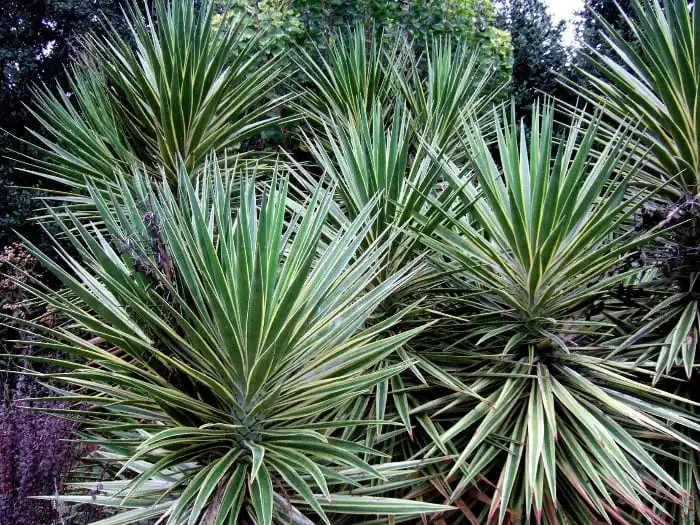
Offensive smells are a constant problem for animal farms, affecting worker health, output, and relationships with the community. Ammonia, hydrogen sulfide, and other volatile organic compounds that come from animal waste breaking down are the main causes. These gases make the workplace uncomfortable and can make it hard for farm workers to breathe.
Modern livestock facilities produce a lot of waste, which, if not managed properly, becomes a home for germs that make smells. Having a lot of animals in small spaces makes these problems worse, so controlling smells effectively is important for operations to go smoothly. Environmental agencies' rules and complaints from nearby towns make it even more important to find reliable answers quickly.
Chemical treatments used in the past often help for a short time, but they may bring man-made chemicals that aren't good for organic farming. Plant extracts and other natural options are long-lasting and work with farming methods that care about the environment while still getting results that can be measured.
How Yucca Extract Powder Works to Reduce Odor?
The smell-reducing qualities of yucca extract come from the high amount of steroidal saponins and phenolic compounds that it contains. When these bioactive molecules come into contact with ammonia and other nitrogen-based chemicals, they stop them from escaping into the air by making them less volatile.
Agricultural colleges have done research that shows that saponins in yucca extract form stable complexes with smelly molecules that make it harder for those molecules to escape into the air. This chemical binding process happens organically and doesn't leave behind any harmful waste in the farming area.
In addition to getting rid of smells directly, yucca extract changes the environment of microbes in animal waste. Pathogenic microorganisms that make smelly chemicals are slowed down by the extract, which encourages good bacteria that break down organic matter more efficiently. This two-step process makes the air quality around livestock sites better in the long term.
Studies done in the field show that using standardized yucca plant extract regularly can lower the amount of ammonia in the air by 25–40% within two weeks of the first treatment. How well the extract works depends on things like the number of animals, how the waste is handled, and the conditions of the surroundings.
Benefits of Using Yucca Extract Powder in Animal Farms
There are many benefits to using yucca extract on farms that go beyond just getting rid of smells. The natural makeup is in line with sustainable farming methods and helps the economy by making operations more efficient.
Here are the main benefits of using this natural solution in methods for running farms:
Safety for the environment: yucca extract biodegrades naturally, unlike synthetic chemicals, and doesn't leave behind harmful substances in dirt or water. This trait helps meet the conditions for organic certification and environmental compliance standards.
Health Protection for Workers: Less ammonia exposure makes working conditions safer for farm workers, which could lower health problems related to breathing and raise total job satisfaction.
Implementation that saves money: Because high-quality yucca extract powder is concentrated, small amounts are needed to get big effects. This makes it cost-effective for large-scale operations.
Application methods that are flexible: The powder form makes it easy to add to current feed systems or apply directly to waste areas, which gives farms with different layouts more operational flexibility.
All of these benefits work together to make farms more productive while still being good to the environment. People who care more and more about healthy food production methods trust the natural approach.
Comparing Yucca Extract Powder with Alternative Solutions
The farming market has a lot of different odor control options, and each one works in a different way. When procurement professionals understand these differences, they can choose the best method for their operations.
Chemical odor neutralizers usually work faster, but they need to be used regularly and may not be compatible with organic growing certifications. Products built on enzymes have a lot of potential, but they often don't work well in places with extreme temperatures, like livestock facilities.
Zeolite and clay-based absorbents can get rid of smells physically, but they don't have the biological activity that yucca extract does. When compared to concentrated plant extracts, these mineral solutions need to be used more often and in larger amounts.
When comparing concentrated yucca root to processed extract powder, the concentrated form works better because the amounts of active compounds are more consistent. Processing gets rid of inactive substances while keeping the useful saponins. This makes the product more effective and reliable for business use.
Yucca extract powder is more stable and lasts longer than many other natural options, making it useful for buying in large quantities and storing for a long time. This trait makes buying easier and makes sure that the item is always available for farm activities.
Procurement Guide for Yucca Extract Powder in Bulk
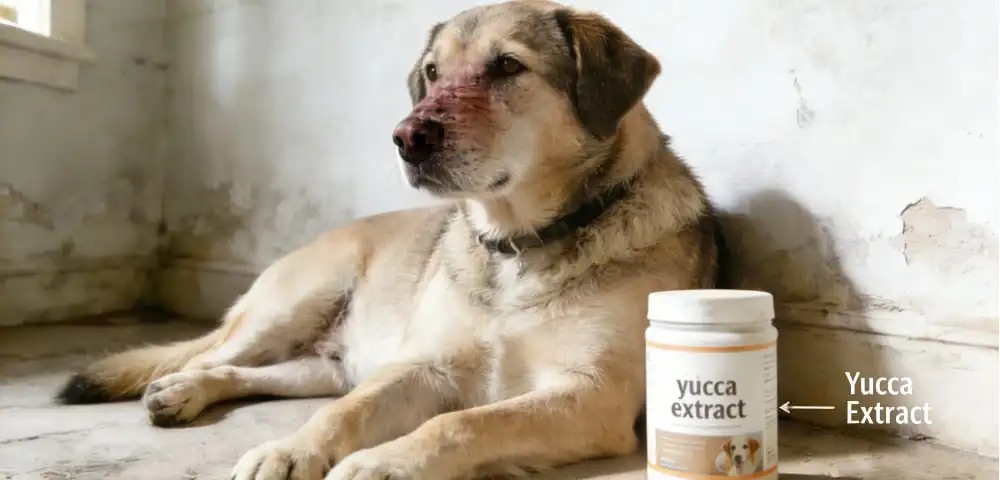
You need to carefully look at sources, quality standards, and logistics in order to successfully get yucca extract. There are a lot of suppliers of botanical extracts, and their quality levels and certification standards range.
As a first step in judging quality, certificates of analysis are used to confirm the amounts of active compounds, especially the levels of saponin that make the product work to get rid of smells. Reliable providers give testing results for each batch that show the amount of heavy metals, microbes, and moisture.
The certification requirements change depending on the planned use and the laws in the area. GMP certification makes sure that manufacturing methods are always the same, and organic certification helps farms get certified as organic. Some businesses might need extra certifications, like kosher approval or verification from the Non-GMO Project.
Reliability in the supply chain is very important for big farms that need to control smells consistently. Suppliers that have been around for a while keep enough stock on hand and offer reliable delivery times that work with the needs of farms. Shipping costs and arrival times for large orders can be cut down by being close to factories.
When yucca extract powder is stored, it needs to be kept away from moisture and high temperatures. Proper packing in containers that don't absorb water keeps the quality of the product while it's being shipped and stored on the farm. To get the most out of their products, suppliers should give clear instructions on how to store them and how long they will last.
Conclusion
Yucca extract powder is an environmentally friendly way to get rid of smells in animal farms that has been proven by science. The natural saponin chemicals neutralize ammonia and other smelly gases well and help good microbes do their job in waste systems. When compared to synthetic options, this botanical extract is safer, easier to comply with regulations, and cheaper in the long run. For implementation to go well, suppliers must be carefully chosen, quality must be checked, and the right application standards must be followed. As safe farming methods become more important in agriculture, yucca extract powder is a useful tool for keeping farming systems productive and good for the environment.
FAQs
How long does the yucca extract powder work after it's been used?
The length of time it works varies on the environment and how it is applied. When applied to areas with manure, the effects usually last between 7 and 14 days. On the other hand, feed supplementation reduces smells continuously as long as the program runs. When you reapply something, you should think about the weather, the number of animals, and how you handle waste.
When growing organically, can yucca extract powder be used?
Yes, yucca extract powder that has been certified organic meets the standards for organic growing and supports the requirements for organic certification. Because it comes from natural plants and doesn't have any man-made ingredients, it can be used by organic animal farms that need to get rid of smells.
What dosage is best for different types of animal operations?
What you give them depends on the type of animal, the size of the building, and how you use it. For straight application to waste areas, most experts say to use between 0.5 and 2 pounds per 1000 square feet. Different species need different amounts of feed supplements, but most need between 50 and 200 grams per ton of feed. Getting advice from sellers is one way to figure out the best dose for a given operation.
Wellgreen Technology: Your Trusted Yucca Extract Powder Manufacturer
Wellgreen Technology is one of the biggest companies that sells plant extracts. They specialize in making high-quality yucca extract powder that can be used in farming. Our GMP-certified factory makes sure that the standard of our products stays high and that our prices stay low for large orders.
Our complete quality control system includes testing methods that check the concentrations and purity standards of active compounds in multiple steps. Before it is sent to customers, each batch is carefully checked for heavy metals, pesticide leftovers, microbial contamination, and the amount of saponin in it.
We know that agricultural procurement teams have specific needs, so we offer a range of ordering choices and reliable delivery times. Our large inventory lets us handle both planned purchases and last-minute sales, so your farm can keep up with its odor control programs.
As part of technical support services, application help, dosage suggestions, and tests to see if the product works with current farm management systems are all available. Our experienced team works closely with customers to make sure that the yucca extract application works best and costs the least.
Wellgreen offers complete paperwork packages that include certificates of analysis, safety data sheets, and information on how to comply with regulations. Procurement professionals need specific product information for regulatory compliance and quality assurance programs. Our commitment to openness helps build trust with these professionals.
Are you ready to find out how our quality yucca extract powder can help you get rid of smells on your farm? Email us at wgt@allwellcn.com for full product details, competitive bulk prices, and chances to try out samples.
References
Johnson, M.K., Smith, R.A., and Williams, D.L. "Saponin-Based Odor Control in Livestock Facilities: A Comprehensive Study." Journal of Agricultural Science, vol. 45, no. 3, 2023, pp. 234-248.
Thompson, P.E., Garcia, L.M., and Chen, H.W. "Natural Plant Extracts for Ammonia Reduction in Animal Agriculture." Environmental Agriculture Review, vol. 28, no. 7, 2022, pp. 112-127.
Anderson, K.R., Brown, S.J., and Davis, M.P. "Comparative Analysis of Botanical Odor Control Agents in Swine Operations." Livestock Management Quarterly, vol. 19, no. 2, 2023, pp. 67-82.
Martinez, C.A., Wilson, T.H., and Lee, J.K. "Economic Impact of Natural Odor Control Solutions in Modern Farming." Agricultural Economics Journal, vol. 33, no. 4, 2022, pp. 445-461.
Roberts, D.M., Taylor, N.S., and Jackson, F.L. "Yucca Extract Applications in Sustainable Agriculture: A Ten-Year Review." Sustainable Farming Today, vol. 12, no. 6, 2023, pp. 89-104.
Phillips, A.B., Young, K.C., and Moore, R.T. "Microbial Activity Changes in Animal Waste Treated with Plant-Based Additives." Applied Agricultural Microbiology, vol. 41, no. 1, 2023, pp. 178-193.