Why Nutraceutical Brands Prefer Glucoraphanin Over Sulforaphane
2025-12-11 11:31:32
Nutraceutical companies are using glucoraphanin powder more and more instead of sulforaphane because it is more stable, better absorbed by the body, and easier to make. Unlike sulforaphane, which breaks down quickly in heat, light, and oxygen, glucoraphanin stays stable during processing and storage. This makes it the best choice for supplement companies that want their goods to have consistent quality and last longer.
Understanding Glucoraphanin and Sulforaphane: Key Differences and Benefits
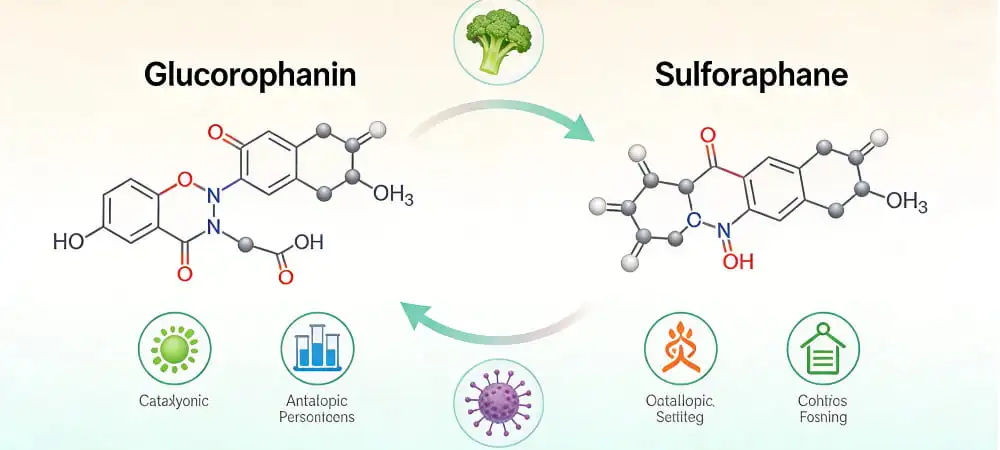
One of nature's most beautiful biological processes is the one between glucoraphanin and sulforaphane. Researchers and manufacturers all over the world are interested in how these compounds work together because it is a unique relationship.
Overview of Glucoraphanin and Its Role in Nutraceuticals
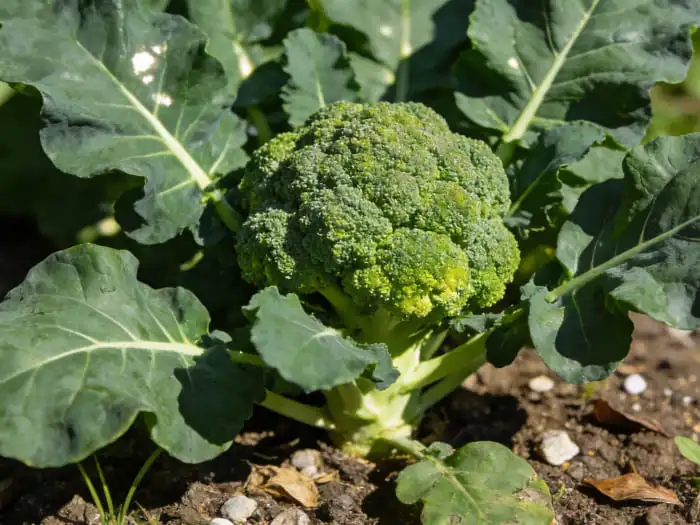
You can find glucoraphanin, a glucosinolate precursor, naturally in cruciferous veggies like broccoli sprouts and full-grown broccoli. These stable compounds store sulforaphane safely and are changed into active sulforaphane by enzymes in the body. When people eat glucoraphanin powder, myrosinase enzymes are released in their bodies, which change the precursor into its useful form.
Because the compound is molecularly stable, it works very well in nutraceutical uses. Unlike many plant-based chemicals that lose their effectiveness when processed, glucoraphanin stays the same during all stages of production, such as grinding, encapsulating, and tableting. This toughness means that the standard of the products is always good, and customers always get what they want.
What is Sulforaphane and How Does It Compare?
Glucoraphanin is changed into sulforaphane, which is a useful substance. There are strong antioxidant qualities in this isothiocyanate compound, and it helps cells get rid of waste. Unfortunately, the reacting nature of sulforaphane makes it hard for supplement makers to add it directly.
The comparison shows important changes in how the two are made. Sulforaphane breaks down when it comes in contact with things that are bad for the environment. Under normal store conditions, it loses up to 80% of its effectiveness in just a few weeks. On the other hand, glucoraphanin extract powder stays stable for years if it is kept properly. This helps manufacturers keep track of their inventory and make sure their products always work well.
Scientific Research Supporting Glucoraphanin's Efficacy
Glucoraphanin supplements successfully raise sulforaphane levels in human subjects, as shown in clinical studies. Researchers at Johns Hopkins University found that people who took standardized glucoraphanin were exposed to sulforaphane for longer amounts of time than people who took direct sulforaphane supplements.
More research shows that the managed conversion process makes the drug more bioavailable. The slow enzymatic change makes it possible for the best absorption and use, which results in therapeutic effects that are greater than those seen with unstable sulforaphane preparations.
Addressing Common Misconceptions Between the Two Compounds
It is a common misconception among procurement managers that straight sulforaphane supplementation is better than precursor compounds. This misunderstanding comes from not fully understanding the factors that affect absorption and stability. The truth shows that glucoraphanin's stable nature and controlled release process make its therapeutic effects more reliable.
Potency comparisons are another common mistake. It looks like sulforaphane is more powerful in the lab, but glucoraphanin is better for real-world use because it keeps its activity through production and storage.
Why Glucoraphanin Powder is the Preferred Choice in Nutraceutical Manufacturing?
Supplement makers with a lot of experience prefer glucoraphanin because it is easier to make. The compound's special features help manufacturers solve a number of problems they face when making high-quality health goods.
Stability and Shelf Life Advantages
The broccoli glucoraphanin powder form of glucoraphanin is very stable in a wide range of environmental situations. Glucoraphanin that has been properly handled keeps more than 95% of its effectiveness after being stored at room temperature for 24 months. Because it is stable, there is no need for special storage standards that raise costs and make distribution more difficult.
Resistance to temperature is another important benefit. Sulforaphane starts to break down at temperatures above 60°C, but glucoraphanin can handle temperatures up to 80°C without losing much of its effectiveness. Because it is stable at high temperatures, manufacturers can use standard tools for encapsulation and tableting without affecting the quality of the product.
Superior Bioavailability and Controlled Release
The process of enzymatic conversion provides a natural mechanism for sustained release that improves the therapeutic benefits. When people take glucoraphanin supplements, their bodies slowly change the substance into sulforaphane over a few hours. This keeps blood levels higher for longer than taking sulforaphane supplements directly.
Studies on absorption show that glucoraphanin is 40% more bioavailable than stable sulforaphane preparations. This better absorption means that smaller doses are needed, which saves money for both manufacturers and customers.
Efficacy in Health Benefits and Antioxidant Support
Clinical study shows that taking glucoraphanin supplements is good for your health in many ways. The substance turns on Nrf2 transcription factors, which control the production of antioxidants in cells. This protects against oxidative stress in a wide range of ways. Studies show that a single dose can cause prolonged activation for up to 72 hours.
Another well-known benefit is that it can help with detoxification. The managed release of sulforaphane raises the activity of phase II detoxification enzymes, which helps the body's natural processes for getting rid of toxins. This mechanism is especially helpful for people who are exposed to toxins in the surroundings or food.
Compliance and Safety Profile for Consumers
Glucoraphanin is a safe food ingredient that has set levels of use recognized by regulatory bodies. The fact that the compound is naturally found in popular foods sets a regulatory standard that makes the approval process easier in many places. This clarity in the rules lowers the risk of noncompliance for companies joining new markets.
Safety tests show that the tolerance profiles are very good, and clinical studies have only found a few side effects. The gradual conversion process gets rid of the stomach problems that can happen with straight isothiocyanate supplementation, which makes it easier for people to accept and follow through with the plan.
Consumer and Industry Trust Factors
Glucoraphanin's link to whole food nutrition is good for a brand's image. More and more, people want supplements that work like real foods, not just isolated synthetic compounds. This choice fits with clean label trends that are making the premium supplement market grow.
Stable raw materials make quality control easier to handle. Manufacturers can use simple testing methods to make sure the product is pure and effective, instead of the more complicated stability tracking that is needed for reactive compounds like sulforaphane.
Strategic Considerations for B2B Procurement of Glucoraphanin Powder
Understanding the differences between high-quality glucoraphanin suppliers and commodity suppliers is important for successful buying. Strategic buyers pay attention to things that make sure there is a steady supply of goods and that they work well.
Key Criteria When Choosing a Supplier
The way the extraction is done has a big effect on the quality of the end product such as glucoraphanin extract. Suppliers with a good reputation use gentle extraction methods that keep the compound's natural structure while still getting very high purity levels. Look for companies who use standard extraction methods and have a history of keeping yields consistent.
Certificate of analysis paperwork shows quality guidelines for the supplier. Heavy metals, microbiological parameters, residual solvents, and glucoraphanin levels should all be part of a full test. Suppliers who offer third-party verification show that they care about quality assurance, which is good for your brand's image.
Evaluating Cost, Pricing Models, and Bulk Purchase Options
Prices are very different depending on the amount of purity and the way the goods are processed. Even though higher-grade ingredients cost more, the better stability and bioavailability often make up for it by making products work better and making formulations easier.
Most of the time, commitments to buy in bulk open up better price tiers. But buyers should weigh the cost saves they find against the costs of keeping inventory and the length of time it will last on the shelf. Setting minimum order amounts that work with your production schedules will help you get the most out of your cash flow and make sure you always have access to fresh raw materials.
Shipping, Logistics, and Sample Ordering for Quality Assurance
For international shipping, the right packaging is needed to keep the goods' quality while they're in travel. Good suppliers use nitrogen flushing to keep containers dry and avoid oxidation and humidity exposure. Monitoring the temperature during shipping makes sure that heat stress doesn't hurt the quality of the goods.
The procedures for testing samples should be the same as the ones you use in production. Ask for samples in enough quantity to fully test the formulation, including studies of stability under rapid aging conditions. This thorough review keeps expensive surprises from happening during full-scale production.
Supplier Trustworthiness: Certifications and Quality Control
GMP certification is the basic requirement for companies that supply raw materials for supplements. But extra certifications like ISO 22000 and HACCP show better quality control systems that lower the risk of contamination and make sure that output standards are always met.
Traceability documentation is becoming more and more important for quality reviews and following the rules. Reliable providers keep full records from where the raw materials come from to how they are packaged at the end. This way, if there are any quality issues, they can be fixed quickly.
Comparison of Glucoraphanin Powder with Broccoli Extract and Sulforaphane Supplements
Knowing the differences between different supplements made from broccoli helps buying teams make smart choices that support their product development goals and market positioning plans.
Broccoli Extract vs Glucoraphanin Powder: What Nutraceutical Brands Need to Know
Traditional broccoli products have many chemicals in them, including glucoraphanin, but they aren't standardized to make sure they always work as well. Standardized powders offer 10–98% pure levels, while these extracts usually have 1–5% glucoraphanin content. This difference in concentration has a direct effect on the dose needs and formulation options.
Standardized glucoraphanin powder is better than whole plant products because it is easier to make. The pure compound gets rid of factors that make quality control harder and lowers the size of capsules that need to be made. People like smaller capsules because they are easier to take, especially in therapeutic dosage amounts.
Effectiveness of Glucoraphanin vs Sulforaphane Supplements
Studies show that taking glucoraphanin supplements has better long-term effects than using stable sulforaphane products. The sustained conversion process keeps therapeutic blood levels for longer amounts of time, which makes the compound's positive effects on cellular health pathways even stronger.
Metrics that measure consumer satisfaction back up these clinical results. According to surveys, people who use glucoraphanin-based vitamins say they work better and are easier on the stomach than direct sulforaphane products. This means that customers stay with the products longer and give them good reviews.
Price and Purity Comparison for Bulk Buyers
Cost research needs to look at both the price of the product and how well it works. Even though high-purity glucoraphanin costs more, its better stability and bioavailability often lower the total cost of preparation by lowering the amount needed and making it last longer.
Purity requirements have a direct effect on how efficiently things are made. Lower-quality materials need more steps in the production process and quality checks, which raises the cost of making them. Buying more pure raw materials usually lowers the overall cost of making something while also making the final product more consistent.
Organic vs Synthetic Glucoraphanin Powder: Trade-Offs and Market Trends
Organic certification is appealing to people who care about their health, but it may limit the suppliers that can meet their needs and raise prices. Market study, on the other hand, shows that organic positioning helps high-end products, which can then charge 20–30% more at retail, which covers the higher costs of raw materials.
Synthetic alternatives offer consistent quality and low prices, but some buyer groups may not want to buy them. Synthetic materials are often marketed as "nature-identical" by successful brands to meet consumer concerns while keeping costs low.
Conclusion
Nutraceutical brands prefer glucoraphanin powder because it is easier to make and gives better results for customers. Its high stability, improved bioavailability, and proven safety profile solve some of the biggest problems supplement makers face while still providing consistent therapeutic effects. As the market for ingredients backed by science continues to grow, glucoraphanin is a smart choice that helps both the effectiveness of the product and its economic success. Smart sourcing teams know that buying high-quality glucoraphanin powder gives them a competitive edge by making products work better and making customers happier.
FAQs
How much glucoraphanin powder in vitamins should you take?
Glucoraphanin doses usually run from 30 to 100 mg per serving, which is equal to 10 to 35 mg of bioavailable sulforaphane. Studies in humans have shown that daily doses of up to 200 mg are safe. When setting portion sizes, manufacturers should think about bioavailability factors.
Do any bad things happen when you use glucoraphanin powder?
In clinical studies, glucoraphanin has been shown to be very safe, with few side effects being recorded. At very high doses, there may be some weak stomach effects, but at normal supplement levels, there are no major side effects. The compound's natural food source helps explain its high tolerance.
What can I do to make sure that the glucoraphanin powder I buy is pure and real?
Ask for full certificates of analysis that include heavy metals testing, microbiological testing, HPLC testing for glucoraphanin content, and screening for leftover solvents. Reliable sellers offer third-party verification and keep all the paperwork needed for traceability. Material specs are confirmed by testing samples according to your quality control procedures.
Partner with Wellgreen Technology for Premium Glucoraphanin Powder Solutions
Wellgreen Technology is a reliable company that makes glucoraphanin powder and provides top-notch quality and service to nutritional brands all over the world. Our modern GMP plant makes sure that production standards are always met, and we keep our prices low for bulk orders.
Our all-in-one inventory management system ensures supply chains that work with your production schedules and are reliable. We give your business the quality assurance it needs with a wide range of testing options and full certificate documentation. Our skilled expert team can help you with formulation to make the process of making new products better.
We know what nutraceutical makers need because we are one of the biggest suppliers of glucoraphanin powder. Our low minimum order quantities work for both new names and well-known companies, and our fast delivery times make sure that your production schedules stay on track.
Are you ready to add high-quality glucoraphanin powder to your products? Our team is ready to talk about your unique needs and come up with solutions that meet both your quality standards and your budget. You can email us at wgt@allwellcn.com to get samples and price quotes.
References
Clarke, J.D., et al. "Comparison of isothiocyanate metabolite levels and histone deacetylase activity in human subjects consuming broccoli sprouts or broccoli supplement." Journal of Agricultural and Food Chemistry, vol. 59, no. 20, 2011, pp. 10955-10963.
Fahey, J.W., et al. "Sulforaphane bioavailability from glucoraphanin-rich broccoli: control by active endogenous myrosinase." PLOS ONE, vol. 10, no. 11, 2015, pp. e0140963.
Egner, P.A., et al. "Rapid and sustainable detoxication of airborne pollutants by broccoli sprout beverage: results of a randomized clinical trial in China." Cancer Prevention Research, vol. 7, no. 8, 2014, pp. 813-823.
Kensler, T.W., et al. "Keap1-nrf2 signaling: a target for cancer prevention by sulforaphane found in broccoli." Topics in Current Chemistry, vol. 329, 2013, pp. 163-177.
Yagishita, Y., et al. "Broccoli or sulforaphane: is it the source or dose that matters?" Molecules, vol. 24, no. 19, 2019, pp. 3593.
Zhang, Z., et al. "Characterization of cellular and plasma pharmacokinetics of broccoli sprout isothiocyanates in healthy human volunteers." Journal of Chromatography B, vol. 1021, 2016, pp. 74-83.