Exploring the Benefits of Milk Thistle: A Comprehensive Review
2026-05-07 14:19:45
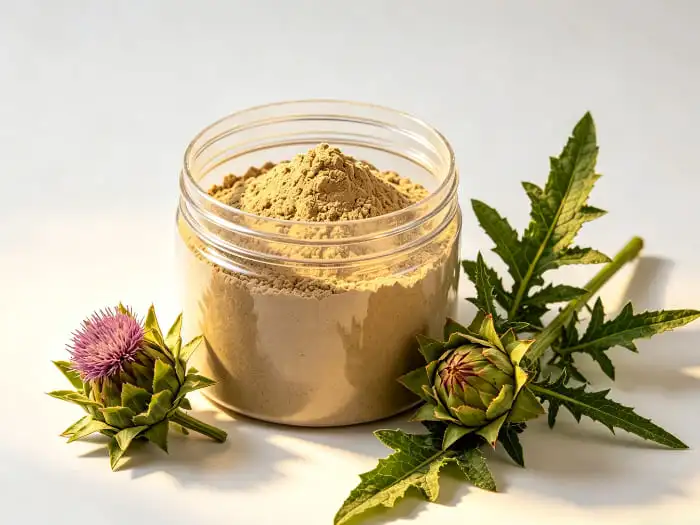
When the nutraceutical industry talks about botanical liver health options today, milk thistle extract stands out as one of the most scientifically proven and widely used ingredients. This plant powerhouse comes from the seeds of Silybum marianum. It has silymarin, a standardised complex of flavonolignans, which is known around the world for protecting the liver and fighting free radicals. When B2B buyers are making decisions about what to buy, they need to know all about milk thistle's benefits, quality standards, and many different uses so they can make competitive product lines that appeal to today's health-conscious customers.
Understanding Milk Thistle Extract and Its Core Benefits
Silybum marianum has been used as a plant for hundreds of years, but it is only useful in modern medicine because of careful extraction methods that concentrate its bioactive chemicals. Silymarin, which is made up of silybin, silydianin, and silychristin, is what does most of the healing work in standardised extracts. The concentration levels range from 40% to 80%, based on how they were made.
Botanical Origin and Extraction Methods
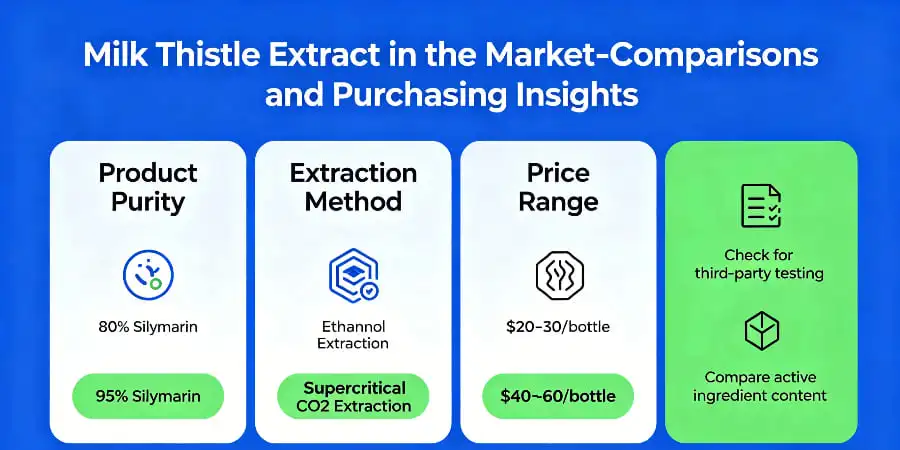
To keep their active ingredients, milk thistle seeds are carefully chosen and processed. Solvent extraction with ethanol or acetone and supercritical CO2 extraction are the two main ways that industrial production gets things extracted. Solvent-based methods are more cost-effective and can be scaled up for large-scale production runs. On the other hand, CO2 extraction produces cleaner profiles that are free of residual solvents and meet strict pharmaceutical-grade standards. Which of these ways you choose affects not only the purity of the final product but also how well it meets regulatory requirements in different markets, especially when you're going after high-end nutraceutical segments.
Hepatoprotective Mechanisms
Clinical study shows that silymarin supports liver function in more than one way. The chemical stabilises the membranes of hepatocytes, making them less permeable to toxins. It also increases the activity of RNA polymerase, which helps make more proteins for cell repair. Its role in lowering oxidative stress markers and supporting healthy inflammation reactions in liver tissue has been confirmed by studies published in peer-reviewed journals. When people make liver health supplements, these processes translate into real benefits for customers that meet the market's need for detoxification support, especially among groups that are exposed to toxins from alcohol, drugs, or the environment.
Beyond Liver Health: Expanded Applications
Hepatoprotection is still the main claim, but new study points to other health benefits as well. Silymarin is an antioxidant that works about the same way vitamin E does, protecting cell structures from damage caused by free radicals. People are interested in this trait in cosmeceutical formulas that target skin ageing and UV damage. Some studies show possible benefits for metabolic health, such as lowering cholesterol, but these uses need careful claim support within regulatory frameworks.
Safety, Dosage, and Potential Side Effects
Product safety is a must in all B2B supply chains, and it affects everything from choosing the raw materials to labelling the finished goods. Milk thistle has been used for a long time because it is known to be healthy.
Recommended Dosage Parameters
Standardised silymarin ingredients are usually found in formulations at doses of 140 mg to 420 mg per day, spread out over two or three doses. The supplement market is mostly made up of capsules and tablets, but milk thistle powders that dissolve in water have become popular in functional beverage uses. Concentrations for cosmetic use on the skin can be anywhere from 0.5% to 3%, based on the goals of the formulation and the results of tests to see if it is compatible with the skin. These factors give formulators some freedom while still sticking to efficacy levels that are backed up by clinical data.
Safety Profile and Tolerance
Long-term studies on humans show that they can tolerate it well and have few negative affects. Little to no stomach pain happens to less than 5% of people and usually goes away on its own. The milk thistle extract doesn't have a big effect on most pharmaceutical chemicals, but it's still best to be careful when mixing it with drugs that are broken down through certain cytochrome P450 pathways. This good safety margin lowers manufacturers' worries about liability and makes it easier for customers to communicate with companies.
Regulatory Compliance and Certifications
Making sure that foreign standards are being followed is the first step in quality assurance. GMP-certified facilities make sure that each batch is the same, and ISO certifications show that quality control is done in a planned way. Manufacturers who want to sell their products abroad must follow the rules set out in the USP (United States Pharmacopoeia) and EP (European Pharmacopoeia) monographs. Third-party testing procedures should make sure that the amount of heavy metals is below the legal limits, that aflatoxins and other mycotoxins are not present, and that pesticide residues are not present. Having COA paperwork along with HPLC chromatograms gives procurement teams the proof they need to meet due diligence standards.
Milk Thistle Extract in the Market: Comparisons and Purchasing Insights
To get ahead in the market, you need to know what makes silymarin-based products different from other liver-supporting ingredients and what quality indicators set premium products apart from cheap ones.
Comparative Analysis with Alternative Botanicals
Both dandelion root and artichoke extract are used by similar types of people, but silymarin is better because it has been proven in clinical trials and is better known by consumers. While dandelion claims to help with detoxification in a wider sense, milk thistle's focus on protecting hepatocytes, which is backed by decades of research, makes its claims more clear. Turmeric products can help reduce inflammation, but they don't have the specific liver-regeneration effects that silymarin is thought to have. These differences help with formulating—many popular products mix milk thistle with botanicals that work well together to make liver health systems that work on multiple pathways at the same time.
Evaluating Supplier Quality Indicators
Professionals in procurement look at possible suppliers through a number of different lenses. Standardisation and uniformity are the most important things. Suppliers should show that the amount of silymarin in different production lots is very similar, usually within ±3% of what the label says. Analytical skills, such as HPLC testing done in-house, and partnerships with accredited third-party labs show a dedication to quality. Manufacturing capacity affects the dependability of the supply; facilities that process multiple metric tonnes per month and keep recorded inventory reserves lower the risk of shortages during times of high demand. As tracking rules get stricter around the world, it becomes more important to be open about where the crops come from and how they are grown.
Bioavailability Enhancement Technologies
Raw silymarin doesn't mix well with water, which makes it hard to absorb in normal extract forms. This problem is fixed in a number of ways by advanced delivery methods. When phytosomes are combined with phosphatidylcholine, bioavailability is increased by up to 50% compared to regular milk thistle extracts. This gives high-end supplement lines a premium place. Micronization techniques lower the size of particles to speed up the dissolution process without adding extra ingredients. These technological factors affect both pricing and marketing tactics, as better bioavailability leads to lower dosage needs and better results for consumers.
Procurement and Supply Chain Insights for B2B Buyers
Strategic buying is more than just negotiating prices. It also includes making sure that the supply chain is reliable, that customers can get what they want, and that partnerships are in line with long-term business goals.
Sourcing Strategies for Bulk Procurement
To find trusted suppliers in the global milk thistle supply chain, you need to know about the geography and build relationships. Due to the plant's Mediterranean roots, European sellers used to control the market. However, cultivation has spread to places like China, India, and South America. Each source has its own benefits. For example, European sources often stress organic certification and traditional processing methods. Asian makers, on the other hand, take advantage of economies of scale and low prices. Multi-source qualification is often a part of successful procurement strategies to keep backup supply choices and balance risk exposure.
Before signing contracts for large amounts, buyers should ask to keep samples from a number of different production batches that were made during different seasons. This method shows that the processing quality, analytical standards, and organoleptic properties are all consistent. When negotiating terms, you should talk about what to do in case of "force majeure," how to settle quality disputes, and when to change prices based on changes in harvest yield.
Customization and Private Label Opportunities
Differentiating in the market rests more and more on new formulations than just choosing the right ingredients. Leading makers offer more than just private labelling as part of their OEM and ODM services. Brands can get the best cost-performance rates for different market levels by setting their own silymarin standardisation levels. Milk thistle can be mixed with other ingredients that work well together, such as N-acetyl cysteine, alpha-lipoic acid, or B vitamins, in pre-made liver support structures that can be used right away. These services shorten the time it takes to get a product on the market while transferring formulation expertise from the seller to the buyer. This is especially helpful for new brands that don't have their own R&D department.
Quality Verification Protocols
Multiple levels of verification should be part of due diligence processes. In addition to looking over the COAs that the seller gives you, you might want to hire independent labs to test production lots anonymously before they are approved for shipment. Heavy metals (such as lead, cadmium, mercury, and arsenic) should be clearly listed in the specifications, as well as microbiological factors (such as total plate count, yeast/mold, and pathogens) and chemicals that are specific to plant materials (such as aflatoxins and pesticides). Manufacturers of pharmaceutical products can be more sure that their products will stay pure throughout their shelf life by checking for extraction solvent residues and doing stability studies under accelerated conditions.
Future Trends and Strategic Recommendations for B2B Clients
Buyers who think ahead can take advantage of new chances and lessen the effects of possible disruptions by predicting how the market will change.
Growing Demand in Nutraceutical Segments
The market for liver support items like milk thistle powder is growing because more people are learning about how to stay healthy. Demographic trends, such as an ageing population, more people drinking alcohol in emerging markets, and more people taking prescription drugs, are expected to keep growth rates above 6% per year until 2028. The wellness movement promotes whole-person health, and liver function is linked to better metabolic, cognitive, and ageing results. This opens the door for new ways of talking about detox that are different from the usual ones.
Functional food and drink uses have a lot of untapped potential. In the past, problems with solubility and taste have made it hard to add to ready-to-drink drinks. But new technologies for microencapsulation and flavour hiding are getting around these problems. Energy drinks for workers with busy lives, drinks for recovering from parties, and daily wellness shots are all good commercial uses for silymarin ingredients that are properly formulated.
Formulation Innovation and Synergistic Combinations
Differentiating products depends more and more on multi-ingredient systems that aim for overall health results. Milk thistle works especially well with antioxidants that work on reactive pathways that are similar to silymarin's. Vitamin E protects lipid structures, selenium helps make glutathione, and alpha-lipoic acid improves mitochondrial function. These three nutrients work together to protect the liver in a way that is supported by both scientific data and mechanistic explanations. These combined methods allow for higher prices while still giving customers measured value.
As anti-pollution makeup becomes more popular, its uses in cosmetics keep changing. Silymarin's proven ability to fight free radicals and help cells fix themselves fits perfectly with the way urban skincare is positioned. Brands that put the chemical in serums, masks, and protective creams can use scientific proof to set themselves apart in the crowded anti-aging market.
Building Resilient Supplier Relationships
Recent global events that caused problems in the supply chain show how important it is to have deeper partnerships than just commercial buying. When the market changes, preferred supplier programmes that offer price stability and guaranteed allocation in exchange for volume promises protect both parties. Collaborative methods where buyers predict demand and suppliers invest in expanding capacity are good for both parties. Jointly developing products and testing applications as part of technical partnerships leads to new ideas and stronger relationships that can stand up to pressure from competitors.
For buyers who buy a lot, vertical integration issues are worth looking into. Full backwards integration into cultivation and extraction requires a lot of money. However, strategic partnerships with contract manufacturers or minority equity positions in supplier operations can get you better access and say in quality standards without having to take full ownership.
Conclusion
Milk thistle extract represents a cornerstone ingredient within the global botanical supplement industry, combining robust clinical validation with established consumer recognition and versatile application potential. For B2B buyers navigating complex procurement decisions, success depends on understanding not only the ingredient's therapeutic mechanisms but also the quality parameters, supply chain dynamics, and market trends shaping its commercial landscape. Standardized silymarin content, rigorous quality control, and supplier partnership quality ultimately determine product efficacy, regulatory compliance, and market competitiveness. As consumer demand for evidence-based natural health solutions continues growing, strategic sourcing of premium milk thistle extracts positions manufacturers and brands to capture sustainable value within this expanding market segment.
FAQ
Can milk thistle extract be safely combined with other liver support supplements?
Yes, milk thistle demonstrates excellent compatibility with complementary liver health ingredients. Common combinations include artichoke extract, dandelion root, and N-acetyl cysteine, which address different aspects of hepatic function through distinct mechanisms. Formulators should conduct stability testing to verify ingredient compatibility over shelf life and ensure that excipients don't interfere with bioavailability. Clinical guidance remains advisable for individuals taking prescription medications, particularly those metabolized through specific liver enzyme pathways.
What distinguishes organic from conventional milk thistle extract?
Organic certification verifies cultivation practices exclude synthetic pesticides, herbicides, and fertilizers while meeting soil health and biodiversity standards. For end products marketed in premium natural channels, organic certification often justifies higher retail pricing and aligns with brand positioning. From a biochemical perspective, organic and conventional extracts show similar silymarin content when standardized to equivalent concentrations, though organic variants eliminate pesticide residue concerns important for certain regulatory markets.
How can buyers verify extract potency before purchase?
Requesting HPLC chromatograms showing individual flavonolignan content provides the most reliable verification. Reputable suppliers readily provide batch-specific COAs documenting silymarin percentage alongside purity markers. Consider engaging independent analytical laboratories for blind testing of samples from shortlisted suppliers. Verification should extend beyond active content to include contamination screening—heavy metals, microbiological parameters, and mycotoxins—ensuring comprehensive quality assessment prior to commitment.
Partner with Wellgreen for Premium Milk Thistle Extract Supply
Wellgreen Technology has built a reputation as a reliable producer of milk thistle extract for nutraceutical brands, pharmaceutical developers, and functional food creators in the European and North American markets. Our GMP-certified factory makes standardised silymarin extracts with concentrations between 40% and 80%. Third-party HPLC testing shows that the uniformity of each batch is very high. We keep a lot of inventory on hand to make sure there is a steady supply, and our MOQ terms are open enough to work for both new brands and market leaders.
Our full OEM and ODM skills support custom formulation development. This lets clients make their liver health product lines stand out by using proprietary blends backed by our technical know-how. Each shipment comes with full paperwork, such as a COA, HPLC chromatograms, heavy metal analysis, and microbial tests, which is needed to send the goods to regulated markets around the world. Our applications team helps with formulation throughout product development, whether you need bulk powder for encapsulation, water-dispersible forms for beverage use, or specialised phytosome complexes for better bioavailability.
We invite product developers, procurement managers, and brand owners to connect with our technical specialists to discuss your specific requirements. Reach out to wgt@allwellcn.com to request samples, discuss custom specifications, or explore how our milk thistle extract solutions can strengthen your product portfolio. As a reliable milk thistle extract supplier committed to quality excellence and supply chain transparency, we're positioned to support your growth within the expanding liver health market.
References
Abenavoli, L., Capasso, R., Milic, N., & Capasso, F. (2010). Milk thistle in liver diseases: past, present, future. Phytotherapy Research, 24(10), 1423-1432.
Flora, K., Hahn, M., Rosen, H., & Benner, K. (1998). Milk thistle (Silybum marianum) for the therapy of liver disease. The American Journal of Gastroenterology, 93(2), 139-143.
Post-White, J., Ladas, E. J., & Kelly, K. M. (2007). Advances in the use of milk thistle (Silybum marianum). Integrative Cancer Therapies, 6(2), 104-109.
Pradhan, S. C., & Girish, C. (2006). Hepatoprotective herbal drug, silymarin from experimental pharmacology to clinical medicine. Indian Journal of Medical Research, 124(5), 491-504.
Saller, R., Brignoli, R., Melzer, J., & Meier, R. (2008). An updated systematic review with meta-analysis for the clinical evidence of silymarin. Complementary Medicine Research, 15(1), 9-20.
Wellington, K., & Jarvis, B. (2001). Silymarin: a review of its clinical properties in the management of hepatic disorders. BioDrugs, 15(7), 465-489.