Reishi Mushroom Extract: A Guide to Its Benefits and Uses
2026-05-07 14:19:44
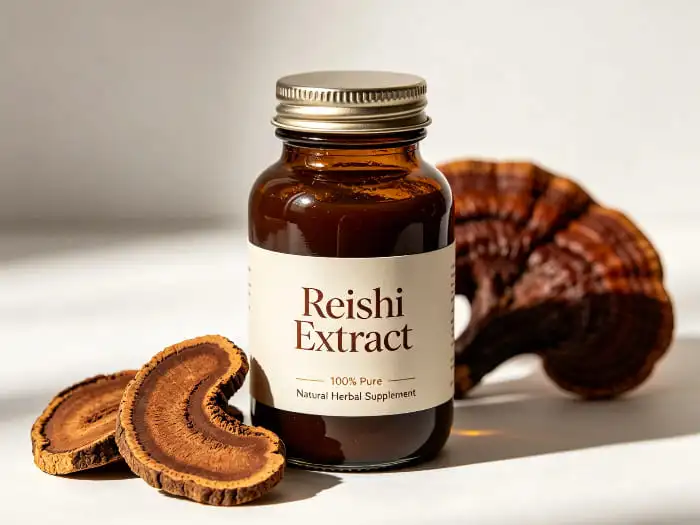
Reishi extract is one of the botanical ingredients that has been studied the most in modern wellness formulations. It provides B2B partners with a scientifically proven ingredient for goods that support the immune system and help the body adapt. This concentrated powder comes from the fruiting body of Ganoderma lucidum and provides consistent amounts of polysaccharides and triterpenoids that raw mushroom materials can't. This nutrient is becoming more and more important to procurement teams in the nutraceutical, pharmaceutical, and functional food industries because it is known to be safe, can be used in a variety of ways, and is well-known by consumers. Manufacturers can make competitive goods that meet strict quality standards and meet real wellness needs in the market by learning about the technical details, sourcing issues, and formulation strategies related to this extract.
Understanding Reishi Mushroom Extract and Its Source Material
Finding the right source and processing method is the first step to making a good reishi extract. Ganoderma lucidum fruiting bodies have much higher concentrations of bioactive compounds than mycelium alternatives. This is why source verification is an important step in the buying process.
Fruiting Body Versus Mycelium: Material Selection Impact
The difference between mycelium- and fruiting body-based products changes the chemicals they contain and their ability to treat diseases. Fruiting body extracts usually have 10–40% polysaccharides and 2–6% triterpenoids. On the other hand, mycelium products usually have smaller amounts of triterpenoids and more grain substrate residue. To make sure our B2B partners get products with known bioactive profiles, we only work with fruiting body sources. This choice has a direct effect on how well the product works, what the label says, and how well it follows the rules in different markets. Manufacturers of immune-supporting supplements or functional drinks need this consistency to make sure that their products work the same way from batch to batch and meet customer standards for real mushroom-based ingredients.
Extraction Methods and Bioactive Compound Profiles
Polysaccharides are mostly taken out by water extraction, while triterpenoid compounds like ganoderic acids are concentrated by alcohol extraction. Dual extraction processes use both methods together to make full-spectrum profiles that keep the synergistic benefits seen in regular use. The extraction ratio, which is usually between 10:1 and 30:1, shows how strong the concentration is and how well the raw materials are used. Higher ratios give more concentrated bioactives, but they need to be carefully tested for solubility in beverages. Validated UV-spectrophotometry and HPLC testing are used in our manufacturing processes to standardise the polysaccharide content. This gives pharmaceutical clients the proof they need for regulatory submissions. Knowing these technical details helps procurement teams match the right extract standards to the right uses, like making high-potency capsules or drink powders that dissolve in water.
Quality Markers and Standardization Requirements
As a minimum, professional-grade reishi extract should list its polysaccharide percentage, triterpenoid content, and wetness levels. Beta-glucan content, which is a part of total polysaccharides, is another way to tell if a product is good for the immune system. Heavy metal testing (for example, lead, arsenic, cadmium, and mercury), microbial limits, and pesticide screening are all safety standards that any serious provider must meet. ISO, GMP, and organic certifications are third-party checks that make sure that manufacturing methods and the integrity of the supply chain are correct. We keep detailed COAs (Certificates of Analysis) for each batch of production. These include chromatographic fingerprints that let us compare the quality of different orders. This framework for documentation helps regulatory managers put together IND applications, GRAS notifications, or foreign product registrations that need documentation that can be tracked and is consistent.
Key Benefits and Commercial Applications of Reishi Extract
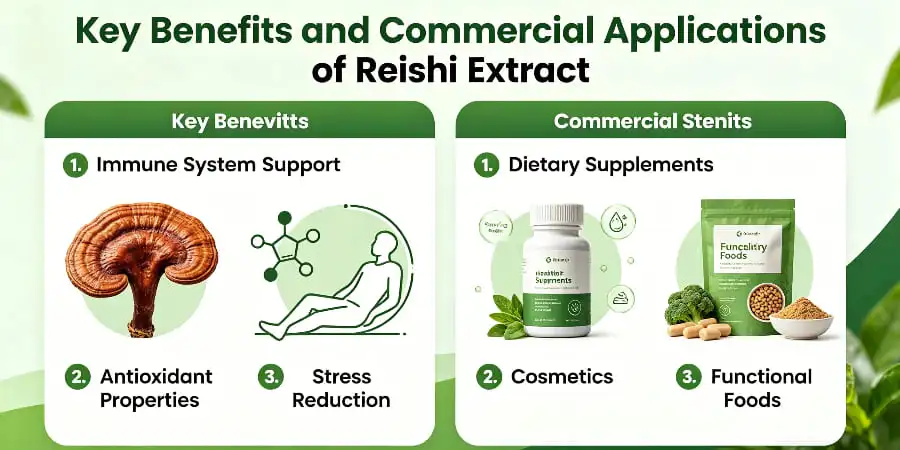
The bioactive compounds in reishi extract have many health benefits, which can lead to a wide range of product marketing options in the wellness market. Understanding the science basis for these benefits helps business-to-business clients come up with marketing strategies and formulations that are based on facts.
Immune System Modulation and Defense Support
Polysaccharides in reishi extract, especially beta-glucans, work with immunity receptors to make natural killer cells and macrophages work better. Taking standardised extracts with at least 10% polysaccharides every day has been shown in clinical tests to boost immune markers in healthy adults for 8 to 12 weeks. This affect on the immune system is different from just stimulating it, because the compounds help keep immune responses in balance between being too weak and too strong. Nutraceutical companies that make immune support products can use this study to create a unique positioning that appeals to health-conscious consumers who want to stay healthy all year instead of just getting rid of symptoms when they happen. Lion's Mane, Cordyceps, and other mushroom species work well with the extract. This lets supplement companies make high-end multi-mushroom blends that can fetch higher prices in the supplement market.
Adaptogenic Properties and Stress Response Management
Triterpenoid chemicals, especially ganoderic acids, help reishi stay an adaptogen, which is a substance that helps living things keep their balance when they are physically or emotionally stressed. These bioactives change the way cortisol works and help with good sleep architecture without making you sleepy or dependent. Reishi is being added to more and more coffee alternatives and evening relaxation drinks by functional beverage makers. This positions the products for the growing "calm energy" category. The extract has a mild, earthy flavour that goes well with cocoa, chai spices, and roasted grains. This makes it more useful than some other plant adaptogens that have strong tastes. We have spray-dried forms that don't have any flavour and are designed to be used in beverages. The particle sizes are just right for staying suspended in both hot and cold liquids. Food and drink companies can use clean labels without using too many sweets or masking agents thanks to this technical customisation.
Antioxidant Activity and Cellular Protection
Both in vitro and in vivo tests show that the phenolic compounds and polysaccharides in reishi are very good at getting rid of free radicals. This antioxidant action helps keep cells healthy and may even help you age in a healthy way by lowering markers of oxidative stress. Researchers have found that reishi extract can stop matrix metalloproteinases from working and help collagen production, so cosmetic companies have started using it in anti-aging serums and protective creams. Because the extract is water-soluble, it can be easily added to water-based cosmetics without the need for solubilizers or too many co-solvents. Personal care companies that are making "adaptogenic skincare" lines find that reishi extract helps them tell stories about protecting against stress and the environment, which are topics that urban customers who are worried about pollution and skin ageing caused by lifestyle choices can relate to. Our micronized powder grades make sure that particle sizes are below 80 mesh, which keeps topical formulations from having a gritty feel.
Commercial Application Scenarios for B2B Product Development
Knowing what the real-world application needs are helps makers choose the right extract specifications and avoid problems with formulation during scale-up. Different types of products need different technical specs from the reishi extract they buy.
Functional Mushroom Coffee and Adaptogenic Beverages
Because mushroom coffee products are becoming more popular so quickly, there is a big need for water-soluble reishi extract that doesn't change the taste. The challenge for beverage makers is to offer bioactive doses that are useful while also keeping flavour profiles that people will enjoy. Formulations that work well usually have between 250 mg and 500 mg of extract per dose, along with coffee, cocoa, or other strong flavours. We offer instant-dispersible types that dissolve better in cold water, which gets rid of the problems with clumping and sedimentation that some mushroom drinks have. The extract has to be able to handle normal preparation for drinks, like pasteurisation at temperatures around 100°C, without breaking down the polysaccharide structures. Multiple heat-and-cool processes are used to test the ingredient's stability and make sure it stays effective throughout the product's shelf life. Our technical support team can help ready-to-drink companies with pH buffering, preservative compatibility, and natural flavour match suggestions that bring out the mushroom flavour instead of hiding it.
Immune Support Capsules and Tablet Formulations
Manufacturers of dietary supplements need reishi extract that has certain physical qualities that allow for fast encapsulation and tabletting. Bulk density between 0.4 and 0.60 g/ml makes sure that volumetric dosing is always the same, and flowability properties keep hoppers from crossing and weight changes from happening. Because our spray-dried extracts have very little liquid left (below 5%), the capsules or tablets won't become brittle or soft during storage. When mixed with other immune-boosting plants and vitamins, like vitamin C, zinc, elderberry, and others, the extract works well without any problems. We offer supplement brands ready-made mushroom mixtures that include reishi, Shiitake, Maitake, and Turkey Tail extracts. These give supplement brands complete options for immune formulas with multiple mushrooms. These standard blends make manufacturing easier and make sure that doses are the same across production runs. Both of these things are very important for brands that want to stay in GMP compliance and plan regulatory entries in multiple markets.
Premium Multi-Mushroom Matrix Products
More and more high-end supplement lines have mushroom compounds that include reishi and other species that offer benefits that work well with it. In these mixes, reishi is the main immune booster, and Lion's Mane, Cordyceps, and Chaga are added for energy, brain support, and antioxidant activity. When making multi-mushroom products that are balanced, you need to pay close attention to the extract ratios, the total polysaccharide input, and the serving size limits. We help OEM partners make unique mushroom blends with the lowest possible costs that still have therapeutic value across all species included. Our research and development team gives ratio suggestions based on both historical and modern study. This helps brands come up with strong formulation reasons for marketing and regulatory purposes. This collaborative method cuts down on the time it takes to make new products and the money it costs to try different things and see what works and what doesn't with complex botanical formulations.
Critical Procurement Considerations for B2B Buyers
There are more things to think about than just price when choosing the right reishi extract provider. Long-term partnership success depends a lot on things like consistent quality, technical support, and a reliable supply system.
Source Transparency and Traceability Documentation
To do responsible purchasing, you need to know about the whole supply chain, from growing the plants to extracting the goods and finally packing them. As part of our sourcing rules, we keep records of the cultivation sites, the times of harvests, and the conditions of shipping that affect the quality of the raw materials. We work directly with cultivation partners instead of going through a bunch of middlemen. This makes the supply chain simpler and improves the accuracy from batch to batch. Because we are vertically integrated, we can provide the full traceability documentation needed for pharmaceutical-grade, non-GMO, and organic certification. When purchasing managers are putting together regulatory submissions, our detailed material safety data sheets, allergen statements, and country-of-origin documents make the process of clearing customs easier and make sure that import requirements are met in all areas.
Polysaccharide Standardization and Testing Protocols
The percentage of polysaccharides listed on the specifications is the single most important quality factor for reishi mushroom extract, but testing methods vary a lot from one seller to the next. Some companies use basic phenol-sulfuric acid methods that get rid of starch and other non-therapeutic carbs, which leads to an overestimation of the polysaccharide content. We use enzymatic pre-treatment to get rid of chemicals that get in the way of UV spectrophotometry. This gives us a more accurate way to measure polysaccharides that meets pharmacopoeial standards. To make sure that specification claims are accurate, buyers should ask for thorough testing protocols and information on reference standards. We offer split-sample testing for clients who care about quality and want an outside check of our internal data. This openness builds the trust that is needed for long-term supply relationships and keeps buyers safe from the quality problems that have been common in some types of plant ingredients.
Organic Versus Conventional: Making the Strategic Choice
Organic certification makes the process of making reishi extract more difficult and expensive, but it helps a product stand out in the market for high-end items. Brands that want to sell in natural channels or to health-conscious customers often need organic certification to meet the needs of retailers and meet customer standards. The organic premium is usually a moderate to substantial amount more than regular prices. This means that a careful cost-benefit study is needed based on how the product is positioned in the market. We keep separate supply chains for approved organic and conventional extracts. This way, partners can see how well the market responds to organic certification before committing to it for all of their products. Some companies use organic reishi in their top-of-the-line, high-end products, while using standard extracts in their lower-end, more affordable products. This method to segmentation covers the largest possible market while keeping raw material costs low. Our team helps buyers figure out if organic certification makes a big enough difference in the market to make the investment worth it for their brand positioning and marketing strategy.
Flexible Minimum Order Quantities and Supply Continuity
New brands and product development teams need suppliers that can handle smaller orders at first and increase their capacity as the goods become more popular. We set our MOQ requirements in a way that makes manufacturing efficient while also being easy for growing businesses to access. For example, we offer graduated pricing that rewards volume pledges without making entry impossible. Our inventory management system keeps safety stock for core specifications. This makes sure that restock orders are filled quickly and stops supply problems that hurt brand image. Contract manufacturers benefit from our ability to hold dedicated inventory against blanket purchase orders. This lets them give only what they need, which lowers their working capital needs. We communicate clearly about lead times and let procurement teams know ahead of time about any possible supply constraints. This way, they can change production schedules or look into other standards before stock runs out. This approach to supply chain partnerships comes from our knowledge that ingredient providers are very important to the operational success of their clients.
Conclusion
The commercial success of reishi-based products depends on sourcing extract that delivers consistent bioactive profiles, meets regulatory requirements, and performs reliably across diverse formulation applications. B2B buyers evaluating suppliers should prioritize transparency around source material, standardization methodology, and technical support capabilities rather than making decisions based solely on pricing. The polysaccharide and triterpenoid compounds that define quality reishi mushroom extract require careful extraction protocols and rigorous testing to ensure therapeutic relevance. Whether developing immune support supplements, functional beverages, or multi-mushroom complexes, manufacturers benefit from working with partners who understand both the botanical science and the practical formulation challenges that arise during product development and scale-up.
FAQ
What polysaccharide percentage should quality reishi extract contain?
Professional-grade extracts typically contain 10-40% polysaccharides, with higher percentages indicating more concentrated preparations. The specific target depends on application—supplements targeting immune support generally use extracts with at least 20% polysaccharides, while beverage applications may accept 10-15% specifications to manage serving size and cost. Verify that suppliers use validated testing methods rather than crude carbohydrate quantification that inflates apparent polysaccharide content.
How does fruiting body extract differ from mycelium products?
Fruiting body extracts contain higher triterpenoid concentrations and lower starch content compared to mycelium products, which often include grain substrate in the final powder. This compositional difference affects both therapeutic potential and regulatory classification in some markets. Quality-focused brands generally prefer fruiting body extracts for their superior bioactive profiles and alignment with traditional use patterns.
Can reishi extract cause side effects or medication interactions?
Reishi demonstrates excellent safety profiles in clinical studies, with mild digestive discomfort representing the most commonly reported effect at high doses. Individuals taking anticoagulant medications or immunosuppressants should consult healthcare providers, as theoretical interactions exist based on the extract's immune-modulating and antiplatelet properties observed in laboratory studies. Responsible brands include appropriate cautionary statements and avoid exaggerated therapeutic claims.
Partner with Wellgreen for Premium Reishi Extract Supply
Wellgreen Technology specializes in manufacturing high-quality reishi extract standardized to precise polysaccharide and triterpenoid specifications that meet the demanding requirements of nutraceutical, pharmaceutical, and functional food applications. Our GMP-certified production facility maintains extensive inventory across multiple extract ratios and specifications, enabling rapid fulfillment for both development samples and commercial-scale orders. We provide comprehensive technical support including formulation consultation, stability testing guidance, and regulatory documentation assistance that accelerates your product development timeline. Our team understands the specific challenges facing reishi extract suppliers in competitive global markets—from maintaining consistent bioactive profiles to ensuring supply continuity for growing brands. Whether you need organic certification, custom polysaccharide standardization, or specialized particle sizes for beverage applications, we deliver tailored solutions backed by rigorous quality control and transparent communication. Contact our procurement specialists at wgt@allwellcn.com to discuss your reishi extract requirements, request COA documentation, or arrange sample shipments. Discover why leading supplement manufacturers and OEM partners trust Wellgreen as their strategic reishi extract manufacturer for long-term supply relationships built on quality, reliability, and technical expertise.
References
Wachtel-Galor S, Yuen J, Buswell JA, et al. Ganoderma lucidum (Lingzhi or Reishi): A Medicinal Mushroom. In: Benzie IFF, Wachtel-Galor S, editors. Herbal Medicine: Biomolecular and Clinical Aspects. 2nd edition. Boca Raton (FL): CRC Press/Taylor & Francis; 2011.
Boh B, Berovic M, Zhang J, Zhi-Bin L. Ganoderma lucidum and its pharmaceutically active compounds. Biotechnology Annual Review. 2007;13:265-301.
Ahmad MF. Ganoderma lucidum: Persuasive biologically active constituents and their health endorsement. Biomedicine & Pharmacotherapy. 2018;107:507-519.
Cör Andrejč D, Knez Ž, Knez Marevci M. Antioxidant, antibacterial, antitumor, antifungal, antiviral, anti-inflammatory, and nevroprotective activity of Ganoderma lucidum: An overview. Frontiers in Pharmacology. 2022;13:934982.
Bishop KS, Kao CHJ, Xu Y, Glucina MP, Paterson RRM, Ferguson LR. From 2000 years of Ganoderma lucidum to recent developments in nutraceuticals. Phytochemistry. 2015;114:56-65.
Sanodiya BS, Thakur GS, Baghel RK, Prasad GB, Bisen PS. Ganoderma lucidum: a potent pharmacological macrofungus. Current Pharmaceutical Biotechnology. 2009;10(8):717-742.