The Beauty Benefits of Resveratrol for Skin
2026-05-07 14:19:40
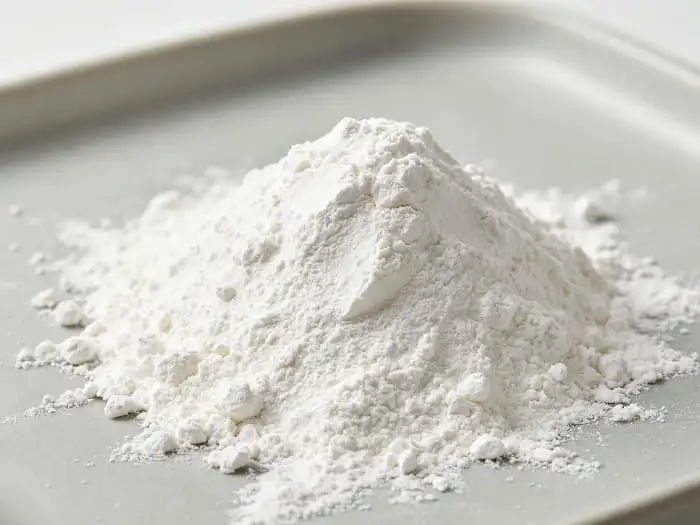
Resveratrol has become a revolutionary ingredient in the skin care industry because of its amazing power to fight obvious signs of ageing and shield skin from harmful environmental factors. Resveratrol powder is a natural polyphenolic substance that is mostly derived from grape skins and Japanese Knotweed (Polygonum cuspidatum). It is a strong antioxidant that helps with many different skin problems at once. This strong stilbene molecule turns on cellular pathways linked to repair and longevity, which makes it an important active ingredient for companies making high-performance skin care products. Because it has been shown to fight free radicals, lower inflammation, and boost collagen production, it is a key ingredient for nutraceutical brands and beauty companies that want to make anti-aging products that are backed by science.
Understanding Resveratrol Powder and Its Skin Benefits
The skin care market still wants ingredients that have strong clinical evidence and effects that can be measured. Resveratrol meets these needs because it has a unique chemical structure and more than one way it works.
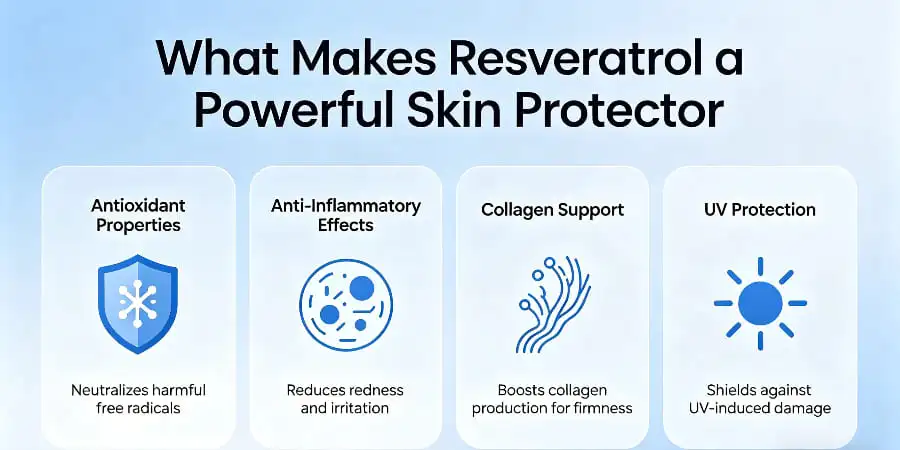
What Makes Resveratrol a Powerful Skin Protector?
The activity of resveratrol comes from its trans-isomer form (3,5,4'-trihydroxy-trans-stilbene), which is more bioactive than its cis-isomer cousin. This chemical changes important inflammatory pathways like NF-κB and COX-2 while also turning on SIRT1 deacetylase, a protein that is closely linked to cell longevity and stress tolerance. This polyphenolic ingredient works the same way in all kinds of formulations, from water-based serums to lipid-rich creams, as long as it is found at purity levels above 98%.
Natural vs. Synthetic Resveratrol: Procurement Implications
Knowing the differences between sources helps buying teams make smart choices. Natural extraction from Polygonum cuspidatum roots or grape skins has a clean label appeal and is well received by most customers. This is especially helpful for companies that market their goods as organic or natural. Synthetic production using yeast fermentation or enzymatic synthesis gives controlled purity standards and consistent batches, which is why pharmaceutical companies that need validated analytical parameters often choose this method. When made under GMP guidelines and following the right extraction and purification steps, both sources can produce high-quality materials that are fit for use in medicines.
Key Antioxidant Mechanisms for Skin Health
The antioxidant power of the molecule fights oxidative stress at many levels within cells. It keeps lipid membranes, proteins, and DNA structures in skin cells from getting damaged by reactive oxygen species that are made by UV light, smog, and metabolic processes. This action protects, which shows up as better skin structure, even tone, and resistance to ageing factors in the environment.
Visible Anti-Aging Effects: Wrinkle Reduction and Elasticity
Clinical studies show that putting resveratrol-containing products on the skin lowers the depth and number of fine lines and wrinkles in two ways. The ingredient increases the activity of fibroblasts, which helps make collagen and elastin, which restores the skin's structural stability. At the same time, it stops collagenase enzymes from breaking down collagen networks that are already there. When standardised resveratrol extracts are added to finished products in concentrations between 0.5% and 2%, product makers say that skin firmness improves within 8 to 12 weeks of regular use.
Brightening and Tone Evening Properties
The tyrosinase-inhibiting qualities of resveratrol are good for people who are worried about hyperpigmentation. By blocking the production pathways of melanin, this botanical substance helps fade dark spots and stops new ones from appearing. Formulation scientists often mix it with brightening agents that work well with it, like niacinamide or alpha-arbutin, to make complexes that work together to fight multiple types of pigmentation at the same time.
How to Use Resveratrol Powder for Optimal Skin Results?
To make a good product, you need to know about dose guidelines, the pros and cons of different delivery formats, and the best ways to mix ingredients so that they are stable and bioavailable.
Effective Dosage and Format Selection
How well the botanical extract works depends on how well the concentration is controlled in finished goods while keeping the stability of the formulation. Take a look at these measurement tips for different types of applications:
- Topical Skincare Uses: Resveratrol is often found in creams, serums, and masks, usually in amounts between 0.5% and 3% of the final product. Lower concentrations work best for daily maintenance products, while higher concentrations work best for intense treatment products. When handled correctly with the right solubilizers, the micronized powder form makes it easier for the substance to spread evenly in both water and fat.
- Formulations for Oral Supplements: Capsules and tablets work on a systemic level to support topical treatments. Nutraceutical makers usually make doses of 100 mg to 500 mg per serving, and to make it easier for the body to absorb, they often mix the compound with piperine or lipid carriers. To make stable solutions, powder blends for functional drinks need to be changed so that they dissolve in water or microencapsulation technologies must be used.
- In hybrid delivery systems, advanced versions use liposomal encapsulation or nanoparticle carriers to keep the active ingredient from breaking down and improve skin penetration at the same time. The compound has problems with dissolving in water and breaking down quickly, but these advanced delivery methods get around those problems.
Manufacturers can target different customer tastes and times of use with these different formats, ranging from convenient capsules for daily use to luxurious serums for at night. The choice should fit with how you want to position your brand and what your target market expects.
Integration into Skincare Product Formulations
When cosmetic scientists try to use this polyphenolic compound in stable, useful products, they run into some problems. Because the element is photosensitive and easily damaged by oxygen, it needs to be carefully planned how it is mixed. Some ways to keep things safe are to use opaque or amber packing, flush the product with nitrogen during production, and combine antioxidants that work well with vitamin E or ferulic acid. Finding the best pH level between 3.5 and 6.0 keeps the trans-isomer stable and makes sure the product is safe for the skin.
Safety Considerations and Quality Standards
High-purity resveratrol extracts from reputable companies are put through a lot of tests to make sure they don't contain any heavy metals, microbes, or pesticide leftovers. Certificates of Analysis should confirm purity levels, which can be anywhere from 50% to 98% based on the needs of the application. Third-party verification by ISO 17025-accredited labs adds to the quality assurance. Products that are properly made are very safe, but for recipes that are meant to be sensitive to skin, patch testing is still recommended.
Comparing Resveratrol Powder Options for Procurement
Strategically choosing ingredients affects how well a product works, how efficiently it is made, and where it stands in the market. Professionals in procurement have to look at more than just price when making decisions.
Natural Extraction vs. Synthetic Production
Brands that want to emphasise botanical realism can get a lot of benefits from getting their materials naturally from Polygonum cuspidatum. The process of extraction creates a complex phytochemical profile that includes small amounts of polyphenols that may have additional health effects. Synthetic alternatives have a consistent makeup that makes them perfect for medicinal uses that need to be exact. Cost structures are very different. For example, natural mining usually costs more because of the time and effort needed to find the raw materials and clean them up in multiple steps.
Resveratrol Compared to Other Antioxidants
Grape seed extract, green tea polyphenols, and vitamin C are all antioxidants that protect cells. But resveratrol's SIRT1 activation mechanism offers benefits to the longevity route that other compounds do not. It can directly connect with cellular receptors that control metabolism, inflammation, and stress responses because of the way its molecules are structured. This makes it a good choice for high-end anti-aging products where scientific difference supports charging more.
Evaluating Organic and High-Potency Specifications
Organic certification raises the worth of natural product lines aimed at people who care about the environment. But the word "organic" doesn't always mean that the product is more pure or effective. Assay levels confirmed through HPLC analysis should be given the most weight by procurement teams, who should then compare the real trans-resveratrol content of different supplier quotes. High-potency grades with 98% purity work well in concentrated serums and pharmaceuticals. On the other hand, 50% standardised extracts are a cheaper option for supplements and useful foods.
Certificate of Analysis: What to Scrutinize
Full COAs show important quality factors besides simple purity numbers. Check the amounts of any remaining solvents. Ethanol and acetone should stay below the limits set by the government. Depending on the use, the microbial numbers must meet standards for cosmetics or food. A heavy metal study should show that the product meets the standards set by the USP, the EP, or a regional pharmacopoeia. The way particles are distributed affects how they dissolve and how the formulation is processed. This is especially important for powder blend uses.
Procurement Considerations for B2B Buyers
To get a steady supply of plant ingredients that are safe for use in medicines, you need to carefully check the skills of your suppliers, their compliance systems, and the strength of your supply chain.
Assessing Supplier Reputation and Manufacturing Standards
Leading makers keep GMP-certified factories with lines just for extracting and cleaning polyphenolic compounds. Site audits show important practical details like systems for tracking raw materials, quality checks during production, and rules for stability testing. Suppliers that have been in the plant resveratrol extract business for a long time usually have a lot of process knowledge and well-established networks for getting raw materials. References from current customers in similar application areas can tell you a lot about how responsive a provider is and how well they can help you with technical issues.
Geographic Sourcing: China vs. Europe vs. North America
China produces most of the world's Polygonum cuspidatum, thanks to its large resources and well-established facilities for extraction. European sellers often market their goods as high-end options by highlighting organic approval and strict quality control. North America still doesn't make a lot of things, but it does offer benefits for domestic manufacturers in terms of supply chain proximity. Geographical diversification helps lower geopolitical risks and transportation problems, and it may also give you access to quality certifications that are valued by certain market groups that are specific to your area.
Understanding Pricing Structures and Bulk Negotiation
Prices are affected by more than just basic quality requirements. The type of extraction—water, ethanol, or supercritical CO2—affects the end product's properties and the cost of making it. Costs go up when you have to meet certification standards like organic, non-GMO, or kosher. Unit economics is greatly affected by the number of orders. Price breaks usually happen at 100 kg, 500 kg, and 1000 kg. Long-term supply deals that cover more than one shipment allow for better pricing and make sure that supplies are distributed when the market is tight.
Compliance, Testing, and Regulatory Navigation
When you trade internationally, you have to deal with complicated rules that change depending on the destination market and the type of goods you are selling. In the US, the FDA is in charge of cosmetics, but they have different rules than the DSHEA, which is in charge of food supplements. The European markets need you to be registered with REACH and follow the rules set out in EC 1223/2009 for cosmetics. Importers should make sure that their suppliers keep their regulatory paperwork up to date and can provide materials to back up regulatory entries from customers. Third-party testing by independent labs backs up what suppliers say and meets the due diligence needs of customers further down the line.
Case Studies and Future Trends in Resveratrol Powder Usage for Skin
Real-life examples show how clever brands use this botanical compound to set themselves apart from competitors and give customers real benefits.
Successful Brand Applications
Premium skin care brands have changed their signature anti-aging lines to include stabilised resveratrol combinations. They say this has helped them keep customers longer and given good results in clinical studies. One well-known nutraceutical brand mixed the polyphenolic extract with NAD+ precursors in a supplement that was meant to help people live longer. This supplement was very popular with health-conscious people who were looking for scientifically proven ways to slow down ageing. These examples show how the nutrient can be used in a variety of ways, both topically and in food.
Formulation Innovations Improving Stability
When it comes to solving standard stability problems, encapsulation technologies are the cutting edge. Cyclodextrin complexation keeps the active molecule from breaking down due to oxygen while making it easier for clear serum formulas to dissolve in water. Solid lipid nanoparticles improve uptake and long-term release, which makes the effects last longer. These advanced transport systems cost more, but they let companies make claims about their products that are more accurate by using better performance data.
Market Demand for Organic and Natural Ingredients
Clean-label products with recognisable plant ingredients are still becoming more popular among consumers. Because of this change, procurement plans now put a lot of weight on organic certification, non-GMO verification, and clear stories about where products come from. Brands that can clearly explain why they chose certain ingredients and how they make sure their supply chains are honest earn more trust and loyalty from customers. This gives them more price power and less reliance on promotions.
Strategic Positioning for Future Regulatory Changes
Procurement teams can plan for possible problems by keeping an eye on how safety ratings and regulatory interpretations change. Having good relationships with suppliers and using strong quality control and recording methods lets you adapt to changing legal requirements without having to stop supplies or pay a lot of money for expensive re-formulation projects.
Conclusion
Resveratrol powder represents a scientifically validated, market-proven ingredient addressing multiple skin health concerns through powerful antioxidant and anti-aging mechanisms. Procurement professionals evaluating this botanical compound should prioritize suppliers demonstrating manufacturing excellence, analytical rigor, and regulatory compliance alongside competitive commercial terms. The ingredient's versatility across topical skincare, oral supplements, and functional foods provides formulation flexibility for diverse product development strategies. As consumer demand for effective, naturally-derived active ingredients continues expanding, securing reliable access to high-quality resveratrol extracts positions brands advantageously in competitive beauty and wellness markets.
FAQ
What is the ideal dosage of resveratrol for skin benefits?
Topical formulations typically incorporate between 0.5% and 3% in finished products, with concentrations toward the higher end suited for intensive anti-aging treatments. Oral supplements commonly deliver 100-500mg per serving to provide systemic antioxidant support complementing topical applications.
How can I verify purity and authenticity from suppliers?
Request Certificates of Analysis specifying trans-resveratrol content via HPLC, heavy metal screening, microbial limits, and residual solvent analysis. Third-party testing through independent ISO 17025-accredited laboratories provides additional verification. Reputable suppliers readily provide batch-specific documentation and support customer audit requests.
Are there risks associated with using resveratrol in skincare?
Properly formulated products demonstrate excellent safety profiles with minimal adverse reactions. Potential concerns include photosensitivity if inadequate stabilization measures are implemented. Sourcing pharmaceutical-grade material from GMP-certified manufacturers minimizes contamination risks. Conducting appropriate stability testing and consumer safety assessments ensures regulatory compliance and product reliability.
Partner with Wellgreen for Premium Resveratrol Powder Supply
Wellgreen Technology stands as a trusted resveratrol powder supplier delivering pharmaceutical-grade botanical extracts to nutraceutical brands, cosmetic manufacturers, and functional food producers worldwide. Our GMP-certified production facilities maintain strict quality controls ensuring purity specifications from 50% to 98%, with comprehensive testing covering heavy metals, microbiological parameters, and residual solvents. We support diverse formulation requirements through flexible purity grades, custom specifications, and technical consultation on antioxidant complex development. Whether you need standardized material for supplement capsules, high-purity actives for premium serums, or water-soluble powders for functional beverages, our experienced team provides reliable batch consistency and responsive service. Contact us at wgt@allwellcn.com to request Certificates of Analysis, discuss your specific application requirements, or arrange sample evaluation. Our extensive inventory and established supply chains ensure prompt delivery supporting your production schedules and market launch timelines.
References
Baxter, R.A. (2008). Anti-aging properties of resveratrol: review and report of a potent new antioxidant skin care formulation. Journal of Cosmetic Dermatology, 7(1), 2-7.
Ndiaye, M., Philippe, C., Mukhtar, H., Ahmad, N. (2011). The grape antioxidant resveratrol for skin disorders: promise, prospects, and challenges. Archives of Biochemistry and Biophysics, 508(2), 164-170.
Bastianetto, S., Ménard, C., Quirion, R. (2015). Neuroprotective action of resveratrol. Biochimica et Biophysica Acta, 1852(6), 1195-1201.
Humbert, P.G., Haftek, M., Creidi, P., et al. (2003). Topical ascorbic acid on photoaged skin: Clinical, topographical and ultrastructural evaluation with double-blind controlled study versus excipient. Experimental Dermatology, 12(3), 237-244.
Park, K., Lee, J.H. (2008). Protective effects of resveratrol on UVB-irradiated HaCaT cells through attenuation of the caspase pathway. Oncology Reports, 19(2), 413-417.
Chalal, M., Klinguer, A., Echairi, A., et al. (2014). Antimicrobial activity of resveratrol analogues. Molecules, 19(6), 7679-7688.