Lion's Mane Mushroom Extract for Focus & Memory
2026-05-06 14:20:59
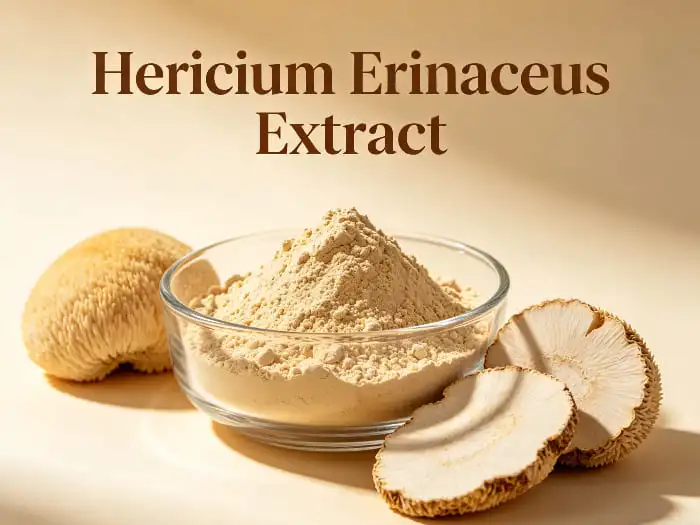
Lion's mane extract is a new and important ingredient for brain health. It comes from the Hericium erinaceus mushroom and is made by using two different extraction methods to concentrate bioactive substances like polysaccharides, beta-glucans, and hericenones. This standardised extract meets an important market need by providing constant, scientifically-backed cognitive support for products that aim to improve memory, mental clarity, and neuroprotection. As the need for nootropic products grows in the nutraceutical, pharmaceutical, and functional beverage markets, procurement professionals know that this mushroom concentrate is a key part of making new goods competitive and putting them in the right place in the market.
Understanding Lion's Mane Extract and Its Cognitive Benefits
The Extraction Process and Active Compounds
Pharmaceutical-grade lion's mane extract starts with carefully picked growing bodies that go through a complex two-step extraction process. Hot water extraction separates polysaccharides and beta-glucans that dissolve in water, while ethanol extraction separates fat-soluble chemicals like hericenones and erinacines. This combined method breaks down the tough chitin cell walls that make whole mushroom powders less bioavailable. This creates a concentrate where the active ingredients are easier to absorb.
Most high-quality products have between 30 and 50 percent polysaccharides. The most pharmaceutically active parts are the beta-glucan fractions. These molecules can change the immune system and carry other bioactive chemicals to where they need to go. The hericenones and erinacines found in high-quality products have shown an amazing ability to cross the blood-brain barrier, which is very important for cognitive uses. Manufacturers who use advanced chromatography methods can make sure that these parts are always mixed in the same way, making sure that the quality of each batch meets pharmacy standards.
Mechanisms of Cognitive Enhancement
Studies that have been published in reputable journals have found several ways that this mushroom extract is good for brain health. The ingredient speeds up the production of nerve growth factor, a protein that neurones need to grow, stay healthy, and survive. In clinical studies with adults who had mild cognitive impairment, cognitive function scores got better after 16 weeks of supplementation, and the benefits lasted during treatment periods.
In addition to stimulating NGF, the extract protects neurones from oxidative stress and inflammation, which are two main causes of cognitive loss with age. Its polysaccharide parts control hormones that cause inflammation and help microglia work properly. Because of these ways it works, the ingredient is useful not only for products that help with memory, but also for products that help with mood and stress. This means it can be used in more types of products.
Efficacy Data and Scientific Validation
When purchasing this ingredient, teams should give more weight to sellers who provide detailed information about the bioactive content. HPLC analysis is used by reputable makers to measure polysaccharide profiles, beta-glucan concentrations, and certain marker compounds. This level of scientific rigour lets formulation scientists figure out the right dose and predict how well the product will work with more accuracy than is possible with raw mushroom powders.
Even though there aren't many human clinical trials yet, they have set basic standards for how well drugs work. Doses between 750 mg and 3000 mg per day have been shown to improve brain function without causing major side effects. However, the best dose depends on the concentration of the extract and how it is delivered. Studies have shown that the extract is safe, with few side effects even at higher doses. This is an important thing for brands that want to promote long-term daily use.
How to Take Lion's Mane Extract for Optimal Results?
Dosage Considerations for Product Formulation
When turning clinical study into commercial products, it's important to pay close attention to how the lion's mane mushroom extracts are standardised and how concentrated they are. A 10:1 extract concentrate means that 10 kg of dried fruiting bodies make 1 kg of finished extract powder. This makes the active compound density much higher than in whole mushroom preparations. When making a product, the makers have to think about how much it costs, how easy it is for people to take, and the limitations of the delivery system.
There are usually 300 to 500 mg of standardised extract in each capsule or tablet serving, and two to three servings a day are suggested. Powders made for drinks or functional foods usually come in 1000 mg to 1500 mg servings to make sure they give enough active compounds while still tasting good. The slightly sour and umami flavour profile of the extract affects how it is made, especially for ready-to-drink drinks where hiding tastes is important.
Bioavailability Enhancement Strategies
Absorption optimisation is one of the main things that sets commercial goods apart. The polysaccharide parts of the mushroom extract are delivered in a way that improves their uptake in the intestines and movement throughout the body. Putting lipophilic compounds inside phospholipid complexes helps them be absorbed better, and mixing them with piperine or other bioavailability boosters can raise the levels of active metabolites in the blood.
When used affects how well it works, but the way it works is different from how acute drugs work. Taking it every day for a few weeks to a few months builds up neurological benefits, which is in line with the ingredient's role in supporting neuroplasticity rather than providing instant cognitive stimulation. This trait works well for sustained-release forms and subscription-based product models that keep customers interested over time.
Quality Control and Safety Protocols
Standards for manufacturing have a direct effect on the safety of products and on following the rules. Production sites that are GMP-certified use strict testing methods to look for heavy metals, microbial contamination, pesticide residues, and mycotoxins. Every batch should have to have a certificate of analysis that lists these parameters, and the accepted limits should be set by USP standards or regional pharmacopoeias.
Third-party verification through groups like NSF International or Informed Choice adds to a brand's trustworthiness. This is especially true for brands that are trying to sell high-performance sports nutrition or clinical nutrition products, where product purity is closely watched. These certifications show that finished goods have the ingredients listed on the label in the right amounts and don't have any banned substances or hidden fillers.
Comparing Lion's Mane Extract with Other Cognitive Supplements
Extract Versus Whole Mushroom Powder
The difference between pure mushroom extracts and whole mushroom powders has a big effect on how products are positioned and how well they work for customers. Whole powders have the whole dried fruiting body, which includes chitin that can't be digested and fewer bioactive chemicals. People who want whole-food ingredients may like these goods, but they need much larger serving sizes to get the same amount of active compounds, which affects the cost of formulation and the ease of dosing.
Extracts usually have 5–10 times more polysaccharides and beta-glucans per gramme than whole grains because they have higher concentration ratios. This higher potency means smaller capsules, lighter shipping, and better cost-effectiveness per serve when used in large quantities. Brands that focus on scientific effectiveness and quick results for customers tend to prefer extracts, while brands that focus on whole-food marketing stories may use a mix of the two.
Positioning Against Other Nootropics
The world of nootropics is full of different ingredients, from natural plants like Ginkgo biloba and Bacopa monnieri to man-made chemicals like racetams and provigil analogues. One thing that makes lion's mane stand out is that it improves brain function in a way that can be measured, and it does this naturally, without the stimulant effects or regulatory issues that come with pharmaceutical nootropics.
Another famous type is cordyceps mushroom extracts, which focus on physical energy and athletic performance rather than cognitive function. However, some formulas combine both ingredients to improve both mental and physical health at the same time. The lion's mane mushroom extract has a strong connection to certain brain pathways, which makes it ideal for products that help with memory, learning, and keeping your brain sharp as you age. This makes it different from adaptogens, which have wider, less targeted effects.
Organic Certification and Sourcing Considerations
Organic approval is useful for brands that want to appeal to health-conscious customers and stores that have strict rules about what ingredients can be used. Extracts that are USDA or EU approved organic are more expensive, but they need to be checked to make sure that the whole process of growing, harvesting, and processing them follows organic standards. As part of the certification process, growing substrates, processing facilities, and dealing methods are checked by a third party.
Conventional extracts from reputable manufacturers can offer similar quality and potency at lower prices, which makes them appealing to market groups that care about price. When making purchasing decisions, people should think about how much the target market is ready to pay, how they want to position themselves in the market, and what the retailer needs. Some brands do a good job of marketing blended methods by using organic extracts as the main ingredient and regular materials as filler.
Procurement Guide: Where and How to Source Lion's Mane Extract?
Supplier Evaluation Criteria
Finding reliable manufacturing partners involves looking at things from a lot of different angles. The ability of suppliers to meet rising demand depends on their production capacity, and the consistency of each batch makes sure that the performance of the product stays the same across production runs. Reputable manufacturers keep detailed quality control systems that keep track of where the raw materials come from, how they are extracted, how they are tested analytically, and how they are stored.
For brands that need to be customised, technical skills are very important. Suppliers who offer co-extraction services can mix lion's mane with additional mushroom species like Cordyceps or Reishi to make unique complexes that set product formulations apart. Those that have been optimised for beverage-grade solubility make forms that dissolve easily in water that can be used in ready-to-drink products. This solves a major technical problem in the development of functional drinks.
Regulatory paperwork tells the difference between professional sellers and sources that you can't trust. Specifications, analytical methods, stability data, allergen statements, GMO status, and regulatory compliance paperwork for target markets should all be part of full technical data packages. Suppliers with experience in both nutraceutical and pharmaceutical uses know what these rules are and keep up with documentation systems that make regulatory submissions easier.
Understanding Pricing Structures
There are big price differences in the lion's mane extract market depending on quality standards, certification status, and order numbers. Products with higher extract concentration ratios, polysaccharide content, and fruiting body sources are more expensive than those made from mycelium or with lower concentrations. Organic approval usually comes with extra costs because of the unique ways that crops are grown and that they are checked.
Manufacturers offer graduated discount structures for quarterly or yearly contracts, and customers can get better prices when they commit to buying a certain amount. Both suppliers and buyers benefit from these deals. Buyers get a steady supply at the best price, and suppliers can see how their production is going and make better use of their working capital. Instead of just looking at per-kilogram prices, procurement teams should model the total cost of ownership, which should include shipping, import taxes, storage, and possible quality problems.
Logistics and Supply Chain Management
When you buy something from another country, things like lead times, minimum order amounts, and shipping logistics become more complicated. While air freight cuts down on transit time, it also raises the cost of landing, while ocean freight is cheaper for bigger loads and longer planning periods. Purchasing managers have to weigh the costs of keeping inventory against the chance of running out during the start of a new product or a time of year when demand is high.
Having ties with several qualified suppliers makes the supply chain more stable, but it takes more time and money to make sure all the suppliers are qualified and the quality is consistent. Some procurement teams use primary and secondary supplier models and do qualification checks on a frequent basis to keep approved vendor panels full. This method lowers the risks that come with output delays, changes in quality, or limited capacity at single-source suppliers.

Making the Right Choice: Selecting the Best Lion's Mane Extract for Your Business
Critical Quality Indicators
Pharmaceutical-grade materials are different from commodity-grade materials because they have been tested thoroughly to make sure they are pure. High-performance liquid chromatography gives accurate polysaccharide profiles and pinpoints specific marker compounds. Microbiological testing proves the lack of pathogens and good total plate counts. Heavy metal screening looks for possible contamination from growing substrates or processing tools. Lead levels must be below 1ppm, cadmium levels must be below 0.5ppm, and arsenic levels must be below 1ppm.
Third-party approval is an independent way to make sure that quality claims are true. ISO 22000 certification shows that there are systems in place to make sure food is safe, and GMP certification for dietary supplements shows that quality standards are being met during production. Suppliers with multiple certifications show they are committed to quality systems and following the rules. This lowers the risk of buying and helps with product registrations later on.
Matching Supplier Capabilities to Business Needs
OEM and customisation services let brands make their goods stand out in ways other than just getting generic ingredients. Suppliers who offer formulation development support can suggest ingredient combinations that work well together, help with improving dosing methods, and solve problems with stability while the product is being developed. These technical relationships shorten the time it takes to get a product on the market and lower the costs of trying things out and seeing what works and what doesn't.
Businesses at different stages of growth can use flexible minimum order amounts. New brands do better when sellers are willing to take smaller orders at first, while established brands need partners who can handle container loads of goods consistently. Looking at a supplier's list of clients can help you figure out how well they can work with businesses of the same size and complexity.
Real-World Application Success
Functional beverage companies have successfully added beverage-grade soluble extracts to coffee replacements and energy drinks, making products that are good for you without the jitteriness or crash that comes with high-caffeine drinks. For these uses, you need extracts that don't have any strong flavours and can mix with water easily. You can get this by spray-drying them or using other advanced processing methods.
Nutraceutical companies that make supplements for brain health have had success by combining high-potency lion's mane extracts with ingredients that work well together, such as citicoline, phosphatidylserine, and B-vitamin complexes. These stack formulations work on several brain paths at the same time, which supports a full brain health positioning. Consumers are more likely to believe products that are backed by clinical research and clear labels. This helps premium pricing strategies.
Conclusion
The lion's mane extract market presents substantial opportunities for brands developing cognitive health products across nutraceutical, functional food, and pharmaceutical categories. Successful procurement strategies prioritize extract standardization, supplier quality systems, and formulation expertise that translates raw materials into consumer-valued products. The ingredient's growing scientific validation, favorable safety profile, and clean-label positioning align with multiple consumer trends driving category growth. Procurement teams equipped with technical knowledge of extraction methods, bioactive compound profiles, and quality verification protocols can navigate supplier selection with confidence, establishing partnerships that support long-term innovation and competitive differentiation in this rapidly expanding market segment.
FAQ
What is the recommended dosage for cognitive health products?
Clinical studies have tested dosages ranging from 750mg to 3000mg daily, with most commercial formulations delivering 1000-1500mg of standardized extract per day divided across multiple servings. The optimal dosage depends on extract concentration, with 10:1 or 15:1 concentrates requiring lower absolute weights than less concentrated materials. Product developers should base dosing on polysaccharide content and specific marker compounds rather than total extract weight, ensuring consistent delivery of bioactive components across batches.
How does extract quality differ from whole mushroom powder?
Concentrated extracts undergo dual-phase extraction removing indigestible chitin while concentrating polysaccharides, beta-glucans, and hericenones to levels 5-10 times higher than whole powders. This concentration improves bioavailability and allows smaller serving sizes, reducing capsule counts and improving consumer compliance. Whole powders contain complete nutritional profiles but require higher doses to deliver equivalent active compounds, impacting formulation costs and product positioning.
What certifications should procurement teams prioritize?
GMP certification for dietary supplements demonstrates manufacturing quality systems, while organic certification validates cultivation and processing practices. ISO 22000 indicates food safety management capabilities, and third-party testing certifications from NSF or Informed Choice provide independent verification of purity and potency. Suppliers maintaining multiple certifications signal commitment to quality and regulatory compliance, reducing procurement risk.
Partner With a Trusted Lion's Mane Extract Supplier
Wellgreen Technology specializes in manufacturing premium lion's mane extract standardized to industry-leading polysaccharide specifications, supporting nutraceutical brands, pharmaceutical developers, and functional food manufacturers with reliable, high-potency ingredients. Our GMP-certified production facility maintains comprehensive quality systems including batch traceability, third-party verification, and complete regulatory documentation for US market compliance. We offer beverage-grade soluble versions, custom mushroom complex formulations, and flexible OEM development services tailored to your specific product requirements. Our technical team provides formulation support, stability testing, and regulatory guidance, accelerating your product development timeline while ensuring quality consistency. Contact our procurement specialists at wgt@allwellcn.com to request certificates of analysis, discuss your formulation needs, or arrange sample shipments that demonstrate our commitment to quality and service excellence in the botanical extract manufacturing sector.
References
Friedman M. (2015). "Chemistry, Nutrition, and Health-Promoting Properties of Hericium erinaceus (Lion's Mane) Mushroom Fruiting Bodies and Mycelia and Their Bioactive Compounds." Journal of Agricultural and Food Chemistry, 63(32), 7108-7123.
Mori K, Inatomi S, Ouchi K, Azumi Y, Tuchida T. (2009). "Improving effects of the mushroom Yamabushitake (Hericium erinaceus) on mild cognitive impairment: a double-blind placebo-controlled clinical trial." Phytotherapy Research, 23(3), 367-372.
Lai PL, Naidu M, Sabaratnam V, Wong KH, David RP, Kuppusamy UR, Abdullah N, Malek SN. (2013). "Neurotrophic properties of the Lion's mane medicinal mushroom, Hericium erinaceus (Higher Basidiomycetes) from Malaysia." International Journal of Medicinal Mushrooms, 15(6), 539-554.
Brandalise F, Cesaroni V, Gregori A, Repetti M, Romano C, Orrù G, Botta L, Girometta C, Guglielminetti ML, Savino E, Rossi P. (2017). "Dietary Supplementation of Hericium erinaceus Increases Mossy Fiber-CA3 Hippocampal Neurotransmission and Recognition Memory in Wild-Type Mice." Evidence-Based Complementary and Alternative Medicine, Article ID 3864340.
Khan MA, Tania M, Liu R, Rahman MM. (2013). "Hericium erinaceus: an edible mushroom with medicinal values." Journal of Complementary and Integrative Medicine, 10(1), 253-258.
Wong KH, Naidu M, David RP, Bakar R, Sabaratnam V. (2012). "Neuroregenerative potential of lion's mane mushroom, Hericium erinaceus (Bull.: Fr.) Pers. (higher Basidiomycetes), in the treatment of peripheral nerve injury." International Journal of Medicinal Mushrooms, 14(5), 427-446.