Fennel Seed Extract - Skin Care Benefits
2026-05-29 14:59:56
Fennel seed extract has become a popular plant ingredient in professional skin care products because it can help with a number of skin problems in a way that is supported by science. This concentrated phytonutrient blend comes from Foeniculum vulgare seeds that were extracted using either solvents or steam. It has anti-inflammatory, antimicrobial, and antioxidant qualities that help skin age well, keep its barrier function, and keep its even tone. To make competitive formulations, cosmetic and nutraceutical companies need to know how this plant extract works in different product matrices. They want to use clean-label actives that have been shown to work.
Understanding Fennel Seed Extract and Its Skin Benefits
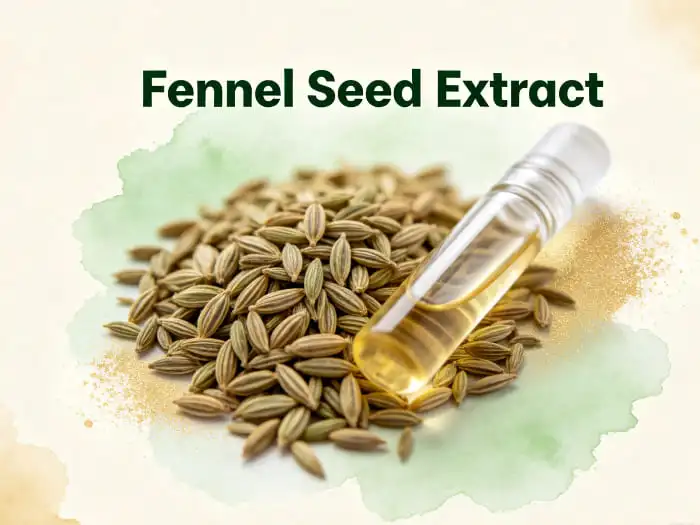
Foeniculum vulgare botanical extracts can be used as medicine because they have a complex mix of phytochemicals that make them different from raw farming materials.
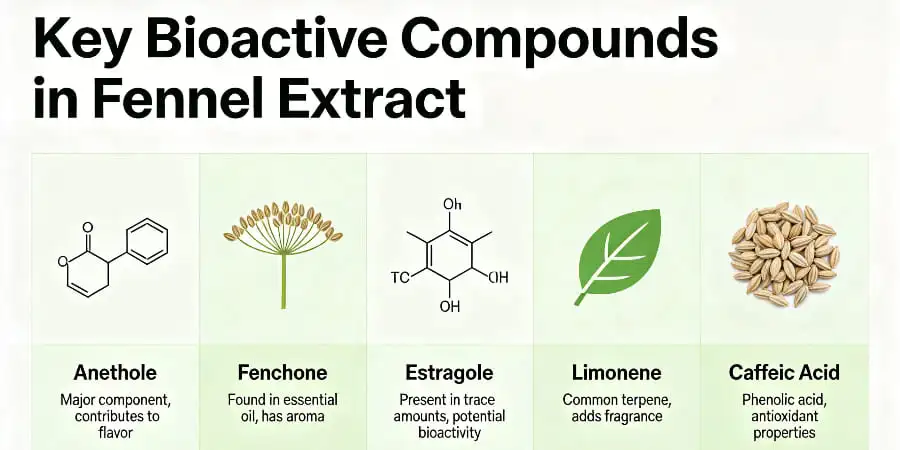
Key Bioactive Compounds in Fennel Extract
The main volatile ingredient is trans-anethole, which makes up about 50 to 70% of the essential oil fraction in good extracts. This phenylpropanoid aromatic compound is a powerful antioxidant that fights free radicals that speed up the breakdown of collagen. Flavonoids, such as quercetin and kaempferol, offer extra protection, and phenolic acids are mildly astringent, which makes them useful in formulas that target big pores and too much sebum production. Standardised extract powders make sure that all production batches give the same amount of bioactive compounds, unlike raw seeds that have different phytochemical profiles.
Anti-Inflammatory and Antimicrobial Properties
Studies suggest that bioactive compounds found in Fennel Extract may help reduce visible skin redness and irritation through their potential anti-inflammatory properties. These compounds may help modulate inflammatory pathways associated with cyclooxygenase activity, which is linked to skin sensitivity and discomfort. Research also indicates that fennel-derived compounds may help inhibit the growth of certain skin-associated bacteria, including Staphylococcus epidermidis and Cutibacterium acnes. Cosmetic formulators value this multifunctional ingredient because it supports both skin comfort and microbiome balance in skincare applications.
Antioxidant Defense Against Environmental Stressors
Pollution in cities, UV rays, and reactive stress all damage skin all the time. The polyphenolic matrix in fennel extract can scavenge free radicals in a way that can be measured. The DPPH test shows that it can do this at rates that are similar to synthetic antioxidants like BHT. This protective action also stops lipid peroxidation in cell membranes, which keeps skin flexible and lowers the signs of photoaging that you can see. Adding standardised botanical antioxidants to goods that make environmental protection claims improves both the performance of the formulation and the marketing stories.
Skin Tone Improvement and Radiance
Bioactive flavonoids in fennel extract stop tyrosinase activity, which is the enzyme that slows down the process of making melanin. This process provides a natural way to deal with hyperpigmentation and uneven skin tone without the risks of making the skin more sensitive that come with harsh depigmenting agents. Regular use leads to steady tone refinement, making it good for products that target age spots, post-inflammatory hyperpigmentation, and improving overall glow. The extract works well with other brightening ingredients like niacinamide and vitamin C to make products that appeal to a wide range of consumers.
How to Use Fennel Seed Extract in Skin Care Products?
Paying attention to concentration limits, stability factors, and regulatory frameworks is important for successfully adding botanical fennel extract powders to cosmetic formulations.
Recommended Concentration Ranges
Fennel extract is often used in professional formulations at levels ranging from 0.5% to 5%, depending on the type of product and the expected clinical outcomes. Leave-on serums and creams that protect against free radicals work best at amounts of 2% to 3%. Toners and mists that soothe the skin can use 0.5 to 1.5% for daily use. Targeted treatments for hyperpigmentation or reactive skin that is localised use higher amounts that are close to 5%. This range strikes a good mix between effectiveness and cost-effectiveness, and it also keeps skin types from becoming too sensitive.
Product Format Integration
Depending on its shape, the extract works well with emulsions, formulas without water, and aqueous gels. Fennel extract pellets that are water-soluble work well in toners and hydrosols, while those that are oil-soluble work well in serums and balms that contain lipids. Encapsulation technologies make stability and controlled release even better, especially for goods that will be shipped to places where the temperature may change. Because some preservatives and chelating agents may react with phenolic compounds, formulators should try how well they work with other actives.
Application Methods and Consumer Guidance
Topical application protocols are different for each product type and issue. Light serums with fennel extract work best on clean skin before heavier moisturisers because they let the bioactives get into the skin better. Mask formulas work best when they are worn for 10 to 15 minutes to get the most antioxidants into the skin. Even though the extract is generally well taken, patch testing is still recommended for people with sensitive skin. Clear directions for use on the product's packaging help customers use it correctly, which increases their happiness with the results they can see.
Safety Considerations and Regulatory Compliance
Even though fennel extract is generally safe in cosmetic concentrations, it should be tested for allergenicity to make sure it doesn't combine with other plants in the Apiaceae family. Stability studies done in situations that speed up ageing show that the antioxidant activity stays the same for the whole shelf life of the product. Different markets have different rules about how to follow them. For example, in the US, cosmetic ingredients must follow FDA guidelines, but in the EU, goods must pass safety tests from the Scientific Committee on Consumer Safety. Writing down these protocols makes ties with suppliers stronger and makes it easier to get into new markets.
Comparing Different Types of Fennel Seed Extract for Skincare Applications
Choosing the right extract version has a big effect on how well the formulation works, how much it costs, and how the brand is positioned.
Organic vs. Conventional Sourcing
Organically approved fennel extracts are seen as high-end and are popular with brands that care about the environment and clean beauty. These materials are grown without using manmade fertilisers or pesticides. This means that there are fewer pesticide residues, which makes it easier for regulators to approve them. Conventional extracts are cheaper for mass-market products and still meet safety standards because they are thoroughly screened for contaminants. When deciding what to buy, procurement directors have to weigh price concerns against the growing demand for organic approval among consumers in both European and American markets.
Powder vs. Liquid Extract Forms
Extract powder formats are great for capsule supplements and dry cosmetic bases because they keep their bioactives fresh longer and give more of them per gram. They also make it possible to precisely control dosages during preparation scale-up. Liquid extracts can be mixed right away with water, which cuts down on the time needed for processing in beverage and emulsion uses. Flowability and blending efficiency are affected by bulk density measurements and particle size distribution. These are the factors that production managers focus on when they test how well different pieces of equipment work together.
Standardization Levels and Quality Markers
High-performance liquid chromatography (HPLC) checks the amount of trans-anethole in an extract to make sure that all supply groups are the same. Standardisation to certain marker molecules, like 1% volatile oils or set flavonoid ratios, helps formulators predict and replicate how well a product will work. Non-standardized extracts add variation that makes it harder to back up clinical claims and put together regulatory dossiers. Brands that care about quality include minimum assay levels in their purchase agreements to make sure that the reliability of their raw materials backs up their claims that their products work.
Natural Extract Advantages Over Synthetic Alternatives
Consumer research consistently shows that people prefer skincare products with ingredients that come from nature. This is because they think these ingredients are safer and better for the world. Natural foeniculum vulgare extracts are in line with the clean health trend and make it easier to read ingredient labels. Synthetic anethole chemicals might copy scent profiles, but they don't have the phytochemical matrix that whole plant extracts do. This compositional richness usually means better antioxidant and anti-inflammatory performance, which makes the investment in ingredients for high-end formulation methods worthwhile.
How to Select and Procure High-Quality Fennel Seed Extract for Your Business?
Strategic choices about sourcing have a direct effect on the consistency of the product, following the rules, and building long-term relationships with suppliers.
Supplier Qualification and Certification Requirements
Reputable extract makers keep GMP (Good Manufacturing Practice) facilities with quality management systems that cover quality control during the production process, tracking of raw materials, and checking of finished products. Systematic operational success is shown by ISO certifications, especially ISO 9001 for quality management and ISO 22000 for food safety. You should ask for audit records and certificates of analysis (CoA) that include tests for heavy metals (ICP-MS), confirming identity using thin-layer chromatography, and checking for Salmonella, E. coli, and total plate count in microbes. Strong quality assurance programs are made possible by suppliers who provide batch-specific paperwork.
Critical Quality Control Parameters
HPLC or gas chromatography analysis should be required by procurement standards to make sure that the concentrations of bioactive markers meet the stated requirements. Limits on heavy metals, like lead below 3 ppm, arsenic below 2 ppm, and mercury below 0.1 ppm, protect against sources of contamination from farms. Screening for hundreds of pesticide residues makes sure that EC 396/2005 or USP standards are met, which is very important because fennel is easily contaminated with farming chemicals. Specific microbial requirements, such as a total aerobic count below 10,000 cfu/g and the lack of certain bacteria, ensure the safety of the product when it is eaten or applied to the skin.
Evaluating Pricing Structures and MOQ Flexibility
Most of the time, bulk buying agreements lower the cost per kilogram while keeping the supply steady for growing brands. Prices change based on the amounts of extract concentration, organic certification, and the need for standardisation. Minimum order quantities (MOQ) for different types of materials run from 25 kg for speciality suppliers to 500 kg for common materials. When a product is being developed, negotiating flexible MOQ terms is helpful because recipe optimisation may require multiple trial batches before the product can be sold to the public.
Building Long-Term Supplier Relationships
Reliable relationships for botanical ingredients include more than just buying things. They also include technical support, help with regulatory paperwork, and working together to make new products. Innovation cycles move faster when suppliers offer custom extraction specs, co-development agreements, and quick turnaround times for samples. Clear communication about the availability of crops, changes in seasonal prices, and problems in the supply chain makes it possible to handle inventory proactively. These strategic partnerships get stronger with regular reviews of suppliers that look at things like stability in quality, dependability in delivery, and responsiveness.
Future Trends and Market Insights for Fennel Seed Extract in Skin Care
When procurement teams understand how markets change and how technology is improving, they can take advantage of new possibilities.
Growing Demand for Natural and Organic Ingredients
The global market for natural skin care products is still growing at double-digit rates. This is because more and more people are concerned about the safety of ingredients and how they affect the environment. Botanical extracts, like fennel, are in line with the ideas of the clean beauty movement because they have well-known ingredient names and are not changed in any way. Organic certification and documentation on sustainable sourcing are very important to consumers in Europe and the US. This gives brands that spend in high-quality raw materials a competitive edge. This trend doesn't look like it will change any time soon, which makes natural extracts important long-term stock components.
Advancements in Extraction Technology
Supercritical CO2 extraction is a big step forward in technology compared to regular solvent methods. It makes extracts that are very pure and don't leave behind any chemicals. This method keeps heat-sensitive bioactives that normal steam distilling might break down, which makes the antioxidants more powerful. Enzymatic extraction methods specifically release desired compounds while reducing the amount of unwanted plant matrix components. These new ideas cost more than older ones, but they work better, which backs up the claims made in clinical trials and allows for higher market prices.
Integration into Multi-Functional Formulations
Today's skincare customers want items that do more than one thing for them in a simpler way. Because it is an antioxidant, an anti-inflammatory, and a brightening agent, fennel extract is great for multi-use serums, day creams that protect against environmental damage, and focused treatments that deal with multiple signs of ageing at the same time. Formulators are putting it together with botanicals that work well together, like green tea, resveratrol, and liquorice root, to make active complexes that work better together and have a unique place in the market.
Opportunities in Emerging Market Segments
Fennel extract is being used more and more in body care, scalp treatments, and men's grooming items, in addition to standard facial skin care. The ingredient is gentle, so it works well in products for people with sensitive skin or atopic dermatitis. Its antimicrobial qualities also help acne-focused products. Private-label manufacturers that sell through a variety of retail platforms use fennel extract's versatility to make unique products in a number of different categories while making it easier to get the ingredients they need.
Conclusion
The strategic integration of fennel seed extract into professional skincare formulations delivers measurable benefits across antioxidant protection, inflammation modulation, and tone refinement. For procurement managers and product developers, selecting high-quality standardized extracts with comprehensive quality documentation ensures formulation consistency and regulatory compliance. As consumer demand for natural, effective ingredients continues accelerating, botanical extracts backed by scientific validation offer competitive differentiation in crowded cosmetic markets. Partnering with certified suppliers who provide technical support and transparent supply chains positions brands to capitalize on these growing market opportunities while maintaining the product integrity that discerning consumers expect.
FAQ
What concentration of fennel seed extract works best in anti-aging serums?
Professional anti-aging formulations typically incorporate 2-3% fennel extract to deliver clinically relevant antioxidant protection without overwhelming other active ingredients. This concentration provides measurable free radical scavenging while maintaining formulation stability across the product shelf life. Sensitive skin formulations may start at 1-1.5% and increase based on tolerance testing.
How does fennel extract compare to vitamin C for brightening effects?
Both ingredients address hyperpigmentation through different mechanisms—vitamin C inhibits melanin synthesis while fennel extract combines tyrosinase inhibition with antioxidant protection. Many formulators use them synergistically, with vitamin C providing aggressive brightening and fennel extract offering gentle tone refinement with anti-inflammatory benefits. The combination suits consumers seeking visible results without irritation common to high-strength vitamin C.
Can fennel extract cause photosensitivity in skincare products?
Current research does not indicate photosensitizing potential from fennel seed extract at typical cosmetic concentrations. The extract actually provides modest photoprotective effects through antioxidant activity against UV-induced free radicals. Stability testing should confirm that the extract remains effective throughout shelf life under normal storage conditions.
Partner with Wellgreen for Premium Fennel Seed Extract Supply
Wellgreen Technology specializes as a trusted fennel seed extract manufacturer, delivering GMP-certified botanical ingredients to nutraceutical brands, cosmetic formulators, and pharmaceutical companies across North American markets. Our standardized extract powders undergo rigorous quality control including HPLC assay verification, complete heavy metal screening, and comprehensive microbial testing to meet your strictest procurement specifications. We maintain substantial inventory for immediate fulfillment, offer flexible minimum order quantities supporting both product development and large-scale production, and provide complete documentation packages facilitating regulatory submissions. Whether you require organic-certified materials, custom concentration ratios, or technical formulation support, our experienced team collaborates throughout your product development cycle. Contact our procurement specialists at wgt@allwellcn.com to discuss your specific fennel seed extract supplier requirements and request samples demonstrating our consistent quality advantage.
References
Badgujar, S.B., Patel, V.V., and Bandivdekar, A.H. (2014). "Foeniculum vulgare Mill: A Review of Its Botany, Phytochemistry, Pharmacology, Contemporary Application, and Toxicology." BioMed Research International, Volume 2014, Article ID 842674.
Rasheed, A., Laekeman, G., and Vlietinck, A. (2013). "Medicinal Properties of Foeniculum vulgare Mill. in Traditional Medicine." Journal of Ethnopharmacology, 149(3), 577-583.
Choi, E.M. and Hwang, J.K. (2004). "Antiinflammatory, Analgesic and Antioxidant Activities of the Fruit of Foeniculum vulgare." Fitoterapia, 75(6), 557-565.
Ozbek, H., Ugras, S., and Dulger, H. (2003). "Hepatoprotective Effect of Foeniculum vulgare Essential Oil." Fitoterapia, 74(3), 317-319.
Joshi, S. and Kaur, S. (2019). "Foeniculum vulgare: A Comprehensive Review of Its Pharmacological Properties, Phytochemistry and Clinical Applications." Journal of Drug Delivery and Therapeutics, 9(4), 474-487.
Miguel, M.G., Cruz, C., and Faleiro, L. (2015). "Foeniculum vulgare Essential Oils: Chemical Composition, Antioxidant and Antimicrobial Activities." Natural Product Communications, 10(11), 1934578X1501001.