Fennel Seeds Benefits and Uses - Spice Up Health Naturally
2026-06-05 14:41:47
As a key botanical in the natural health business, fennel seeds have earned their reputation for both their pleasant smell and their health benefits. A concentrated phyto-pharmaceutical ingredient produced from Foeniculum vulgare Mill, fennel seed extract, is at the center of this demand. This standardized extract solves important formulation problems by getting rid of the batch-to-batch differences that come with raw agricultural crops, lowering the microbial load, and offering concentrated bioactive delivery systems. To take advantage of growing market possibilities, B2B procurement professionals in nutraceuticals, functional foods, and cosmetics need to know what fennel seed extract is made of, how it can be used, and how to find it.
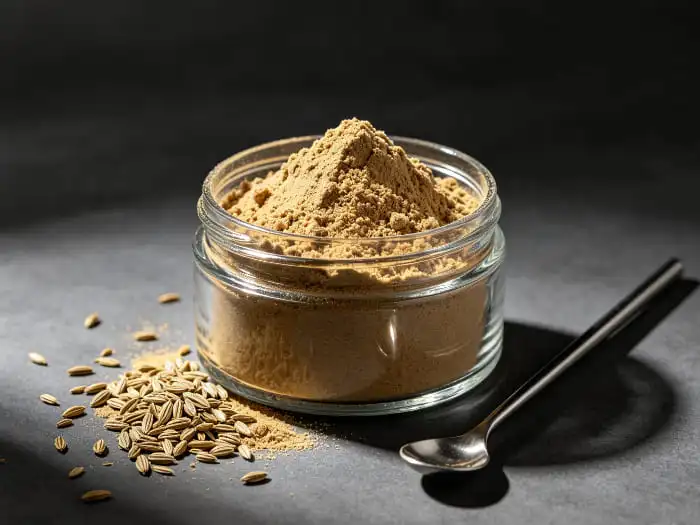
Understanding Fennel Seed Extract: Composition and Health Benefits
Biochemical Composition and Bioactive Markers
To make fennel seed extract, water or a blend of water and ethanol is used as a solvent. The extract is then sprayed dry to concentrate certain compounds. Trans-anethole is the main bioactive ingredient, making up more than 1% of standardized samples. This volatile compound gives the plant its characteristic licorice-like smell and many healing qualities. Flavonoids, phenolic acids, fenchone, and estragole are some other beneficial components. Professional-grade extracts have concentration ratios of 4:1, 10:1, or 20:1, which means that the potency is the same from batch to batch. This is different from raw ground seeds, which have volatile oil content running from 1% to 3%.
By reducing particle size and improving carrier performance, the extraction method makes bioavailability much better. This pharmaceutical-grade refinement gets rid of the risk of microbial contamination that comes with plants that haven't been handled and concentrates therapeutic chemicals. According to a study in the Journal of Ethnopharmacology, fennel extracts have antioxidant properties that are similar to manmade antioxidants. The amount of polyphenols directly correlates with the ability to scavenge free radicals.
Digestive Support and Gastrointestinal Wellness
There has been a lot of research on fennel seed extract's ability to help with gas and muscle spasms. Trans-anethole content works on smooth muscle tissue in the digestive system to ease spasms and make it easier for gas to leave the body. Irritable bowel syndrome symptoms like bloating and abdominal pain can be eased with fennel preparations, according to clinical studies. Because of this, the extract is especially useful for making digestive aids for people who want natural options to synthetic medicines.
The extract can help with stomach problems because it can change the release of digestive enzymes and lower inflammation in the walls of the intestines. Studies have shown that parts of fennel can stop pro-inflammatory cytokines from working, which is good for gut health in general. This functionality based on proof is very valuable for B2B clients who are making digestive health products.
Antioxidant and Anti-Inflammatory Properties
There are several ways that fennel seed extract shows it has a lot of antioxidant power. Antioxidative substances like flavonoids and phenolics stop reactive oxygen species from doing damage to cells. Researchers using DPPH and ABTS radical scavenging tests have confirmed that fennel extracts have antioxidant properties similar to well-known plant-based antioxidants. In food applications, this trait makes the food last longer, and in supplement formulations, it helps the health.
The anti-inflammatory effect of fennel extract comes from stopping the production of cyclooxygenase enzymes and inflammatory mediators. Because of these effects, the extract can be used in products that aim to treat chronic inflammation, improve joint health, and improve digestive health. Fennel extract is a useful ingredient that can be used in many different types of products because it is both an antioxidant and an anti-inflammatory.
Practical Applications of Fennel Seed Extract in Global B2B Markets
Nutraceutical and Dietary Supplement Formulations
There are capsules, tablets, and powder forms of digestive health products that contain fennel seed extract as one of their main ingredients. Because the extract is so concentrated, it's possible to make capsules that are smaller while still giving the same therapeutic dose—usually 100–200 mg of standardized extract per serve. Supplement makers like that the extract works well with other plants, like ginger, peppermint, and chamomile, in products that aim to provide full digestive support.
Fennel extract is used in women's health goods to help with breastfeeding and keep hormones in balance, as well as for digestive purposes. Researchers have looked into how the phytoestrogen chemicals in fennel might work as galactagogues. Standardized fennel extract is used by companies that make prenatal and postnatal supplements to meet specific customer needs while still keeping high quality standards.
Functional Food and Beverage Applications
Botanical products are being used more and more in food and drinks to improve their nutritional value and "clean label" appeal. Herbal tea blends, functional drinks, protein powders, and health shots all contain fennel seed extract. Grades of the extract that dissolve easily in water make it possible to mix them into liquid mixtures without any problems with separation or precipitation. Its natural taste profile goes well with herbal, mint, and citrus notes, so it can be used in a lot of different drinks.
Fennel extract is added to snack bars, functional candies, and meal replacement items to make them taste better and do more good for you. Essential oils that change quickly aren't as stable as the extract, so it's better for processing and storing. Defined solubility profiles and controlled bulk density standards help food formulators make sure that mixing and dosing are always done the same way in large-scale production settings.
Cosmetic and Personal Care Ingredient Applications
Fennel extract is used in beauty and skin care products because it is soothing and protects cells from damage. Face serums, anti-aging creams, and skin care items for sensitive skin all contain the extract. Cosmetic chemists like the mild formula and adjustable concentration levels that let them set the right amount of effectiveness without causing irritation. The anti-inflammatory properties of the chemicals help protect skin from environmental stressors, and the antioxidant properties make the skin less red and sensitive.
Fennel extract is used in hair care products to help keep the skin healthy and hair follicles strong. The nutrients in the extract, which include minerals and vitamins, are good for the head. Personal care companies that want to use natural ingredients instead of synthetic ones find fennel extract very useful because it is well known for being safe and liked by customers.
Comparing Fennel Seed Extract with Related Products for Informed Procurement
Extract Forms and Concentration Standards
To make a good buying choice, you need to know the difference between fennel extract powder, essential oil, and raw ground seeds. Essential oils don't have the polyphenols and other non-volatile parts that full-spectrum extracts do. Instead, they have highly concentrated volatile chemicals. Raw ground seeds have benefits for the whole plant, but their potency isn't always constant, and there is a chance that microbes will get into them. Extract powders made for professionals have the best mix of concentrated bioactives, standardized potency, and controlled microbiological quality.
The amount of raw material used to make the extract is shown by the concentration ratio. If the extract is 10:1, it means that 10 kg of fennel seeds make 1 kg of extract powder. Higher ratios usually mean a higher concentration, but standardization to specific marker chemicals is a better way to be sure of the quality. Instead of depending only on concentration ratios, procurement managers should give more weight to suppliers who offer HPLC or GC verification of trans-anethole content.
Organic Certification and Quality Benchmarks
Organic fennel seed extract is highly valued because it is grown and processed according to strict rules. Certifications like USDA Organic, EU Organic, and others make sure that poisonous fertilizers and pesticides don't get into the food chain. Screening for pesticide residue is especially important for fennel because the seeds' rough surface easily absorbs farming chemicals. For companies that want to sell their goods in other countries, GC-MS/LC-MS tests that look for more than 500 types of pesticide residues should be normal.
Heavy metal pollution is another problem with the quality. Lead levels must stay below 3.0 ppm, arsenic levels must stay below 2.0 ppm, cadmium levels must stay below 1.0 ppm, and mercury levels must stay below 0.1 ppm. These rules are the same as those in the USP, EP, and other pharmacopoeial guidelines. Pharmaceutical and nutraceutical applications need quality assurance that comes from suppliers who can show thorough testing methods and clear Certificate of Analysis documentation.
How to Source High-Quality Fennel Seed Extract for Your Business?
Evaluating Supplier Certifications and Manufacturing Standards
GMP-certified factories make sure that the quality is always the same by using approved production methods, environmental controls, and systems for keeping records. A company with ISO 9001 certification has strong quality management systems, and an organization with ISO 22000 certification manages food safety. Suppliers with multiple licenses show that they are committed to full quality assurance. When evaluating a supplier, asking for facility audit records and third-party inspection results is an extra way to make sure that the company is who they say they are.
Traceability systems let providers keep track of raw materials from the time they are grown until they are delivered as finished goods. Tracking systems that use blockchain are becoming more popular as ways to make things more open. Managers of procurement should find out about batch coding systems, policies on sample retention, and processes for recalls. These factors show how ready a supplier is to handle quality problems and keep the supply chain honest.
Bulk Procurement Strategies and Customization Options
To negotiate bulk sales, you need to know how the market works, when things are available, and how long it takes to make something. Every year, fennel seeds are harvested, and the price changes depending on how much is available. Setting up framework agreements with clear supply and price schedules can help reduce volatility. Minimum order amounts vary from supplier to supplier, but for standard requirements, they are usually between 25 kg and 1000 kg.
OEM and private label services let brands make their products stand out by customizing them. Smaller names and product line extensions can get help from suppliers with flexible MOQs. Formulators can make products that work best for specific markets by using custom extraction ratios, specific standardization goals, and unique carrier blends. Rapid R&D support shortens the time it takes to make a product, which is especially helpful when you need to react to new consumer trends.
Conclusion
Fennel seed extract is a valuable plant ingredient that is used in many areas, such as medicine, food, cosmetics, and nutraceuticals. Because of its consistent makeup, proven health benefits, and wide range of uses, it is an important ingredient in modern products. For procurement workers, knowing the bioactive profile of the extract, quality standards, and sourcing strategies helps them make decisions that are effective, follow the rules, and are also cost-effective. As the need for natural, useful ingredients keeps growing, foeniculum vulgare extract is an answer that has been used for a long time and is now supported by modern science.
FAQ
What is the recommended dosage for fennel seed extract in supplements?
Typical dosing ranges from 100mg to 500mg of standardized extract per serving, depending on concentration ratio and intended use. Digestive support formulations commonly use 200mg to 300mg per dose. Specific recommendations should align with the extract's trans-anethole content and target therapeutic outcome. Consulting published clinical research and working with formulation specialists ensures appropriate dosing for your product category.
Are there potential side effects or contraindications?
Fennel seed extract is generally recognized as safe when used at recommended levels. Individuals with allergies to plants in the Apiaceae family should exercise caution. Phytoestrogen content suggests avoiding high doses during pregnancy without professional guidance. Drug interactions are rare but possible with certain medications. Product labeling should include appropriate cautionary statements based on target consumer demographics.
How does fennel seed extract compare to anise seed extract?
Both botanicals contain trans-anethole as a primary bioactive compound, creating similar aromatic and functional profiles. Fennel extract typically offers a broader spectrum of flavonoids and phenolic compounds, while star anise may provide higher essential oil content. Botanical identity verification through TLC or DNA barcoding prevents adulteration, as the similar appearance and aroma create substitution risks. Procurement specifications should explicitly state the required botanical source.
Partner with Wellgreen for Premium Fennel Seed Extract Supply
Wellgreen Technology specializes as a trusted fennel seed extract manufacturer, delivering pharmaceutical-grade botanical ingredients to global B2B clients. Our GMP-certified production facility ensures consistent quality through rigorous testing protocols, including HPLC assay verification, heavy metal screening, pesticide residue analysis, and comprehensive microbiological testing. We maintain substantial inventory levels to support both large-scale production runs and flexible smaller orders for emerging brands.
Our technical team provides responsive OEM support, helping you develop custom specifications that align with your unique formulation requirements. Whether you need specific concentration ratios, organic certification, or water-soluble grades for beverage applications, we collaborate closely to achieve your product development goals. Strict packaging standards and fast delivery timelines ensure your supply chain operates smoothly without production delays.
Contact us at wgt@allwellcn.com to discuss your fennel seed extract supplier needs. Request samples to evaluate quality, explore bulk purchasing options, or inquire about private label opportunities. Visit wellgreenherb.com to review our comprehensive botanical extract portfolio and discover how Wellgreen can strengthen your ingredient sourcing strategy.
References
Rather, M.A., et al. (2016). Foeniculum vulgare: A comprehensive review of its traditional use, phytochemistry, pharmacology, and safety. Arabian Journal of Chemistry, 9(2), S1574-S1583.
Badgujar, S.B., Patel, V.V., & Bandivdekar, A.H. (2014). Foeniculum vulgare Mill: A review of its botany, phytochemistry, pharmacology, contemporary application, and toxicology. BioMed Research International, Article ID 842674.
Shahat, A.A., et al. (2011). Chemical characterization, antioxidant and inhibitory activity of Foeniculum vulgare. Journal of Medicinal Plants Research, 5(16), 3695-3701.
Syed, Q.A., et al. (2018). Nutritional and therapeutic properties of Foeniculum vulgare. International Journal of Food Properties, 21(1), 1-12.
Kooti, W., et al. (2015). Therapeutic and pharmacological potential of Foeniculum vulgare Mill: a review. Journal of HerbMed Pharmacology, 4(1), 1-9.
Portincasa, P., et al. (2016). Botanical drugs in functional gastrointestinal disorders. Phytotherapy Research, 30(10), 1547-1557.