Turmeric Supplements: Health Benefits & Uses
2026-06-05 14:41:49
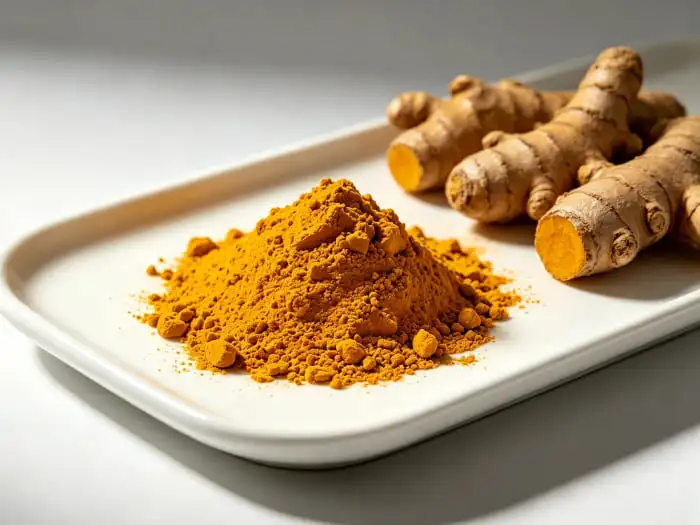
Turmeric supplements have changed from traditional health foods to important bioactive chemicals used in modern health products. Turmeric extract, which is derived from the rhizomes of Curcuma longa L., contains a lot of curcuminoids, mostly curcumin, which have strong anti-inflammatory and antioxidant effects. Raw turmeric powder only has about 2 to 5 percent active chemicals. Professional-grade extracts, on the other hand, get 95% curcuminoids by carefully extracting them with solvents. This concentration solves formulation problems in the fields of nutraceuticals, functional beverages, and cosmetics, giving users who care about their health the consistent results they want.
Understanding Turmeric Extract and Its Health Benefits
What Makes Turmeric Extract Different from Turmeric Powder?
Curcuminoids are very concentrated in turmeric extract, which is a complex botanical ingredient. Food-safe solvents, such as ethanol or ethyl acetate, are used in the extraction process to separate bioactive chemicals from raw plant material. Professional-grade extracts usually have 95% total curcuminoids, which are made up of curcumin (70% to 80%), demethoxycurcumin (15 to 20%), and bisdemethoxycurcumin (2 to 5%). For this grading, the concentration ratio needs to be between 20:1 and 25:1. This means that 20 to 25 kg of dried rhizomes are needed to make 1 kg of extract. This level of potency is not possible with raw turmeric powder; to get therapeutic doses, serving amounts would have to be too big to be practical.
Because turmeric extract is so concentrated, it helps product makers solve important formulation problems. Manufacturers of capsules and tablets gain from lower requirements for excipients, which lets them make smaller dosage forms that are still effective. This concentration also ensures consistency from batch to batch, which is important for quality control procedures in pharmaceutical and nutraceutical production settings.
Core Health Benefits Backed by Science
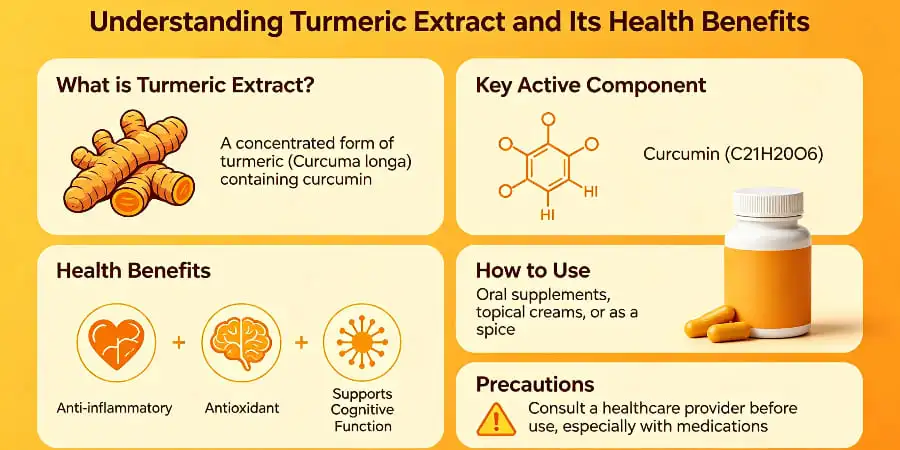
Multiple therapeutic processes that turmeric extract uses to improve health have been proven to work by research. The substance changes the NF-κB pathways that cause inflammation, which lowers the production of pro-inflammatory cytokines. Clinical studies show that it works to ease joint pain, with participants having better mobility and lower levels of inflammation markers. Because of this, extracts that are high in curcumin are very useful for sports recovery products and everyday supplements for joint health.
Antioxidant abilities are another important benefit. By giving electrons to free radicals, curcuminoids eliminate them and protect cell structures from oxidative stress. This system helps keep the heart healthy, the brain working well, and the aging process going smoothly. These antioxidant benefits are used in cosmetics to make anti-aging serums that target sun-damaged skin and uneven skin tone.
Integrative digestive health is a new area of application. Curcumin has been used for a long time, and new study shows that it can help keep the gut barrier healthy and keep inflammatory responses in digestive tissues in check. Functional food companies are adding standardized extracts to more and more wellness drinks and everyday nutrition products to help with digestive comfort.
Bioavailability Challenges and Enhancement Strategies
Natural curcumin is hard to absorb because it doesn't dissolve well in water and is broken down and flushed out of the body quickly. Studies on humans show that taking unformulated curcumin by mouth has very low plasma amounts. The molecule goes through a lot of glucuronidation and sulfation in the intestines and liver, which greatly lowers the amount of bioactive substance that gets into the bloodstream.
To deal with these problems, you need to use strategic formulation methods. The most well-known way to improve things is to mix curcumin with piperine, which is black pepper extract. Piperine stops glucuronidation in the liver and intestines, which in clinical studies increased the bioavailability of curcumin by about 2,000%. This mix is commonly found in supplements that help with joint pain and inflammation, as it allows for lower doses to still have therapeutic benefits.
Phytosomes, which are made of phospholipid complexes, are another advanced option. These mixtures attach curcuminoids to phosphatidylcholine molecules, making shapes that are compatible with lipids that help the body absorb them better. When manufacturers are trying to stand out in the top market, they often use phytosome technology. Formulations that are water-dispersible and use natural emulsifiers also improve uptake. This is especially helpful for beverage uses that need clear solutions and quick effects.
How to Use Turmeric Extract: Dosage, Forms & Side Effects
Recommended Dosage Guidelines for Different Applications
There are a lot of different dosage guidelines that depend on the health benefit and standardization level of curcumin. Joint health supplements usually have 500 mg to 1,000 mg of 95% curcuminoid extract per day, which is usually split into two amounts. This gives you about 475 to 950 mg of pure curcuminoids, which is the amount that has been shown to work in clinical tests on joint health. Products that aim to keep your health in good shape may use 250 to 500 mg every day, which provides antioxidant support for prevention without making any treatment claims.
For topical uses in cosmetic formulas, you need to think about the concentration in a different way. An anti-aging serum usually has between 0.5 and 2% curcumin by weight, which is the right amount to balance effectiveness with coloring potential. Curcumin is a strong yellow pigment that can stain clothes and skin at higher amounts. This worry is lessened by microencapsulation technology, which lets higher active levels happen while keeping the surface from getting stained.
Making functional drinks comes with its own dose problems. To get therapeutic amounts in ready-to-drink forms, the formulas need to be able to dissolve in water and stay stable over time. Most beverage applications use 50–200 mg per serving along with complementary botanicals like lemon balm or ginger root extract. This creates synergistic wellness profiles that health-conscious customers will like.
Comparing Formulation Types for Different Markets
Capsules are the most common type of dietary supplement because they are easy to make and are known to consumers. Standardized curcumin powders can be put into hard gelatin or veggie capsules, with or without bioavailability enhancers. This format is very stable, allows for accurate dosing, and works with both immediate-release and delayed-release methods. Purchasing managers like pills because they are easy to keep track of and are well-liked by customers.
Powder formulations are used in places that want a lot of different options and customization. Curcuminoid products that are free to flow can be added to protein mixes, meal replacement plans, and personalized supplement plans. But raw curcumin powder is hard to taste because it has a bitter and earthy smell and taste that needs to be hidden in consumer goods. Manufacturers often ask for spray-dried or agglomerated forms that are easier to mix with water.
People who want fast absorption and flexible doses are likely to be interested in liquid extracts and tinctures. In these forms, the curcuminoids are usually extracted with alcohol or glycerin, which keeps the solubility of the compounds while increasing the shelf life. Drops of dietary supplements and functional shot drinks, which are becoming more popular in convenience stores, can both be delivered by liquid devices.
Safety Profile and Industry Considerations
Curcumin has great safety margins across a wide range of people. Few side effects were seen in clinical trials that used up to 8,000 mg daily for long amounts of time. Mild stomach pain is the most common side effect, which usually happens when the dose is higher than what is recommended for supplements. Because of its good safety rating, turmeric extract is widely used in over-the-counter health products.
To follow the rules, you have to pay attention to certain checking procedures. When heavy metals are screened with ICP-MS, the levels of lead must be less than 0.5 ppm, arsenic must be less than 0.5 ppm, cadmium must be less than 0.2 ppm, and mercury must be less than 0.1 ppm. To make sure that pharmacopeial standards are met, microbiology tests check for yeast, mold, pathogens, and overall plate counts. Using GC-MS to look for pesticide residues makes sure that organic standards are followed when they apply.
Buyers of pharmaceuticals and nutraceuticals also need to think about the leftovers of the extraction solvents. The USP and EP monographs set boundaries for residues of ethyl acetate, acetone, and ethanol. No matter what extraction method is used, benzene and toluene amounts must still be tested for. These quality control steps keep end users safe and make sure that all foreign markets follow the rules.
Purchasing Turmeric Extract: Strategic Procurement Insights
Reliable Sourcing Channels and Supplier Evaluation
When you work directly with a manufacturer, you have the most control over specs, testing procedures, and supply continuity. Vertical integration has benefits, such as being able to track products from the field to the finished extract, when manufacturers run their own cultivation and extraction centers. This openness in the supply chain is especially helpful when working with pharmaceutical clients who need a lot of paperwork and the ability to examine it. Direct buying also gets rid of markups for distributors, which lowers prices for people who buy a lot.
Specialized botanical extract wholesalers work with buyers who need smaller amounts or a wider range of products. These middle-men keep an inventory of a number of different herbal extracts, which lets customers buy more at once and with lower minimum order sizes. Most of the time, distribution partners offer technical support that helps formulation teams choose the right specs for each application. This service model works well for new brands and contract makers who are making a variety of products without committing to bulk inventory positions.
Digital B2B marketplaces increasingly facilitate international botanical extract procurement. These sites collect information about suppliers, such as their credentials and prices. This makes it easier to find and compare suppliers at the start. But buyers should be careful when checking the credentials of suppliers and the authenticity of products, since marketplace ads aren't always reliable. For preliminary research and finding suppliers, digital channels work best. For important qualification steps, direct contact and sample evaluation work best.
Cost Factors and Procurement Strategy
Curcuminoid level is the main factor that affects the price of turmeric extracts. Because they take more work to process and use more raw materials, extracts that are standardized to 95% curcuminoids are more expensive than those that are standardized to lower levels. The amount of curcuminoids extracted has a big effect on the cost of production. Good rhizomes give about 4–5% curcuminoids, which means that large amounts of plant material go into making finished extracts.
At each level of training, getting certified adds a measurable amount to the cost. Because of lower crop yields, limited processing methods, and tight documentation needs, organic certification usually raises prices by 15 to 30 percent compared to regular extracts. Extra fees are added for non-GMO verification, Kosher certification, and Halal certification. Buyers need to figure out if the target markets are worth the higher prices based on how much people are willing to pay for certified goods.
Through economies of scale in production and transportation, the number of orders has a big effect on the price per unit. Direct manufacturers usually have minimum order numbers that range from 25 to 100 kilograms. At 500 kilograms and 1 metric ton, prices start to drop significantly. When buyers are able to work with distributors who are willing to lower minimums in exchange for slightly higher unit costs, smaller buyers can better control their cash flow and lower their risk of running out of inventory. Strategic buyers plan ahead for their yearly needs and negotiate volume promises in exchange for fixed prices that protect them from changes in the prices of commodities.
Logistics and International Shipping Considerations
The way a product is packaged affects its security and compliance with regulations. Because curcumin powder is sensitive to light, moisture, and oxygen, it needs to be protected in order to keep its quality during distribution rounds. Most sellers use two polyethylene bags inside of fiber drums, and nitrogen flushing lowers the chance of oxidation. For pharmaceutical uses, you may need extra moisture barrier films and desiccant packets. Clear packaging standards keep quality from dropping and expensive returns from happening.
When sending goods internationally, you need to pay close attention to paperwork and rules that must be followed. Plant extracts are regulated in different ways based on the country where they are going and what they are going to be used for. The rules for importing dietary supplement ingredients are different from those for importing food additives or medicine raw materials. Working with experienced freight forwarders who know the rules about plant extracts speeds up the customs clearance process and keeps it from taking too long. Certificates of Analysis, Certificates of Origin, and phytosanitary certificates should all be included in documentation packages when they are needed.
Lead time planning must account for production cycles and transit duration. Standard production wait times for turmeric extract are between 15 and 30 days after an order is confirmed, as long as the raw materials are available. Ocean freight from big production areas in Asia takes an extra 20 to 40 days to get to ports in North America. It takes less time to get to destinations in Europe. Air freight cuts arrival times by a huge amount, but it also makes logistics much more expensive. Strategic buyers keep a safety stock to account for changes in wait times. This keeps production from stopping because of problems in the supply chain.
Leveraging Turmeric Extract for Business Growth in the Health Supplement Market
Market Trends Driving Demand
Consumer preference for natural anti-inflammatory solutions accelerates turmeric supplement market expansion. Growing awareness of chronic inflammation's role in various health conditions drives consumers toward botanical alternatives to synthetic compounds. This trend particularly resonates with aging populations managing joint health concerns and active individuals supporting sports recovery. Market research indicates continued double-digit growth rates across curcumin supplement categories through the coming decade.
The clean label movement significantly impacts ingredient selection criteria. Consumers increasingly scrutinize supplement formulations, preferring recognizable botanical ingredients over synthetic additives. Turmeric extract aligns perfectly with clean label positioning—it delivers concentrated bioactivity while maintaining its identity as a whole-plant extract. Brands emphasizing organic certification, non-GMO status, and minimal processing resonate strongly with health-conscious demographic segments driving category growth.
Functional beverage innovation creates expanding opportunities for water-soluble turmeric formulations. The wellness shot category demonstrates particularly robust growth, with consumers embracing convenient single-serve formats delivering concentrated botanical support. Turmeric appears frequently in these formulations, often combined with ginger, black pepper, and citrus elements. Ready-to-drink teas and enhanced waters similarly incorporate standardized curcumin extracts, bringing traditional wellness ingredients into mainstream convenience retail channels.
Differentiation Strategies for Competitive Advantage
Premium organic positioning commands price premiums while appealing to environmentally conscious consumers. Organic turmeric extract sourced from certified cultivation operations enables marketing claims differentiating products in crowded supplement categories. This positioning proves particularly effective in natural foods retail channels and e-commerce platforms serving wellness-focused consumers willing to pay premium prices for certified organic products.
Bioavailability-enhanced formulations provide science-based differentiation supporting efficacy claims. Products featuring patented absorption technologies or clinically studied piperine combinations offer tangible performance advantages over commodity curcumin supplements. Communicating these benefits through educational marketing content builds consumer trust and justifies premium pricing strategies. Clinical study citations and bioavailability data strengthen brand authority in competitive marketplaces.
Private label and co-branding partnerships allow emerging brands to enter markets without extensive manufacturing infrastructure investments. Contract manufacturers with turmeric extract formulation expertise provide turnkey development services, accelerating time-to-market for innovative product concepts. These partnerships enable brands to focus on marketing and customer relationships while leveraging manufacturing partners' regulatory compliance and quality assurance capabilities.
Future Innovations and Growth Projections
Extraction technology advances promise improved yields and enhanced environmental sustainability. Supercritical CO2 extraction employs carbon dioxide under high pressure as a solvent, eliminating organic solvent residues while achieving high curcuminoid recovery rates. This technology appeals to premium brands emphasizing clean processing methods, though higher equipment costs currently limit widespread adoption. As technology scales, supercritical methods may become industry standard for pharmaceutical-grade botanical extracts.
Novel delivery system development addresses curcumin's persistent bioavailability challenges through innovative approaches. Nanoparticle formulations reduce curcumin particle size to nanometer scale, dramatically increasing surface area and absorption potential. Liposomal encapsulation protects curcumin through digestive processes, releasing active compounds at target absorption sites. These sophisticated delivery technologies command premium market positioning while offering genuine performance improvements validated through pharmacokinetic studies.
Expanded application development beyond traditional supplement categories drives continued market growth. Curcumin's anti-inflammatory and antioxidant properties suit sports nutrition products, cognitive health formulations, and healthy aging protocols. Topical applications in cosmeceuticals address skin health from external pathways, complementing internal supplementation. As research elucidates additional mechanisms and applications, turmeric extract's market footprint will continue expanding across diverse health and wellness categories.
Conclusion
Turmeric extract represents a cornerstone botanical ingredient across nutraceutical, pharmaceutical, functional food, and cosmeceutical sectors. Its concentrated curcuminoid profile delivers validated anti-inflammatory and antioxidant benefits addressing consumer wellness priorities. Strategic procurement requires attention to standardization methodologies, certification requirements, bioavailability enhancement strategies, and supplier qualification criteria. Understanding these technical and commercial factors enables informed sourcing decisions supporting product efficacy, regulatory compliance, and market competitiveness. The ingredient's favorable safety profile, robust scientific backing, and alignment with clean label trends position turmeric extract for sustained growth as health-conscious consumers increasingly embrace natural wellness solutions across expanding application categories.
FAQ
What distinguishes turmeric extract from isolated curcumin supplements?
Turmeric extract contains the full spectrum of curcuminoids—curcumin, demethoxycurcumin, and bisdemethoxycurcumin—along with trace essential oils and other phytochemicals naturally present in Curcuma longa rhizomes. Isolated curcumin products contain only the primary curcumin molecule, typically achieving slightly higher purity percentages. Full-spectrum advocates cite potential synergistic effects from complete curcuminoid profiles, while isolated curcumin supporters emphasize maximum concentration of the most-studied bioactive compound. Both formats serve legitimate market segments depending on product positioning and target consumer preferences.
How can buyers ensure bulk turmeric extract quality and purity?
Comprehensive testing protocols form the foundation of quality assurance. Demand HPLC analysis certificates verifying curcuminoid content rather than less reliable UV spectrophotometry. Request C14 radiocarbon dating results confirming natural botanical origin versus synthetic adulteration. Review heavy metal screening via ICP-MS, pesticide residue analysis through GC-MS, and microbiology testing meeting pharmacopeial standards. Evaluate supplier certifications including GMP, organic credentials, and ISO standards. Conduct incoming raw material verification testing on representative samples before accepting large shipments, establishing quality consistency before committing to long-term supplier relationships.
Which regulatory certifications matter most for North American and European markets?
GMP certification represents the essential foundation for pharmaceutical and nutraceutical applications in both regions. USDA Organic or EU Organic certification proves increasingly important as consumers prioritize certified organic products. FDA registration (for U.S. dietary supplement applications) and compliance with EU Novel Food regulations (when applicable) ensure market access. Kosher and Halal certifications expand market reach to specific consumer communities. Non-GMO verification resonates with consumers concerned about agricultural biotechnology. Testing documentation confirming compliance with Proposition 65 (California) and EU heavy metal limits protects against regulatory enforcement actions in these stringent jurisdictions.
Partner with Wellgreen for Premium Turmeric Extract Solutions
Wellgreen Technology stands as your trusted turmeric extract manufacturer, delivering GMP-certified botanical ingredients meeting the highest international standards. Our vertically integrated production ensures consistent 95% curcuminoid standardization backed by comprehensive HPLC analysis and C14 authenticity verification. We maintain substantial inventory enabling rapid fulfillment while offering OEM customization for specialized formulation requirements. Complete documentation packages including organic certifications, heavy metal screening, and pesticide residue testing support your regulatory compliance across global markets. Our technical team provides formulation guidance addressing bioavailability enhancement and application-specific challenges. Experience the reliability of working with a supplier committed to quality, transparency, and partnership success. Contact our procurement specialists at wgt@allwellcn.com to discuss your turmeric extract requirements and discover how our capabilities can strengthen your product portfolio and accelerate your market growth objectives.
References
Hewlings, S.J. and Kalman, D.S. (2017). Curcumin: A Review of Its Effects on Human Health. Foods, 6(10), 92.
Aggarwal, B.B. and Harikumar, K.B. (2009). Potential Therapeutic Effects of Curcumin in Inflammatory and Malignant Diseases: A Review of Human and Animal Studies. Journal of Alternative and Complementary Medicine, 15(2), 127-143.
Prasad, S., Gupta, S.C., Tyagi, A.K., and Aggarwal, B.B. (2014). Curcumin, a Component of Golden Spice: From Bedside to Bench and Back. Biotechnology Advances, 32(6), 1053-1064.
Kocaadam, B. and Şanlier, N. (2017). Curcumin, an Active Component of Turmeric: Effects on Health. Critical Reviews in Food Science and Nutrition, 57(13), 2889-2895.
Tayyem, R.F., Heath, D.D., Al-Delaimy, W.K., and Rock, C.L. (2006). Curcumin Content of Turmeric and Curry Powders. Nutrition and Cancer, 55(2), 126-131.
Sharma, R.A., Gescher, A.J., and Steward, W.P. (2005). Curcumin: The Story So Far. European Journal of Cancer, 41(13), 1955-1968.