Formulating Functional Beverages with Hibiscus Extract Powder
2026-01-21 18:12:25
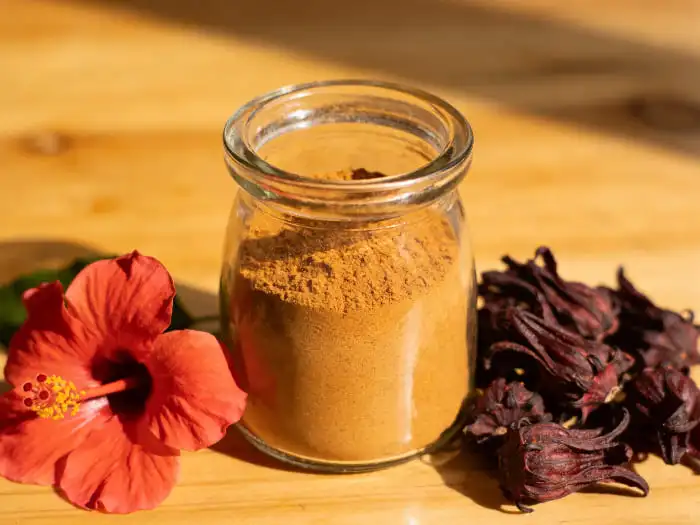
Improving functional drinks with hibiscus flower extract powder is a smart move for companies that want to get a piece of the growing health drink market. This concentrated botanical ingredient comes from the Hibiscus sabdariffa plant. It has a vibrant natural color, a unique tart flavor, and health benefits that are backed by science and appeal to today's health-conscious customers. The high amount of anthocyanins and polyphenolic compounds in the extract makes it easy to mix with other ingredients and gives current beverage developers the antioxidant properties they need for high-quality functional products.
Understanding Hibiscus Flower Extract Powder and Its Benefits in Beverage Formulation
Rich Anthocyanin and Polyphenolic Composition
Due to its exceptionally high concentration of bioactive chemicals, hibiscus flower extract powder stands out in the market. Instead of the usual hibiscus tea preparations, the standardized extract has constant amounts of anthocyanins, flavonoids, and phenolic substances that work as antioxidants. These chemicals give the extract its deep red color and give formulators a way to measure the amount of active ingredient needed for healthy beverage claims.
The standardization method makes sure that the levels of both anthocyanins and total polyphenols are the same from batch to batch. This meets important quality control standards for making commercial beverages. Because the extract is so reliable, it is especially useful for companies that are making goods with specific health or nutrition labels.
Cardiovascular and Metabolic Health Applications
Researchers have found that hibiscus extract may help keep the heart healthy and the metabolism working well. Hibiscus has been used traditionally for a long time to help keep blood pressure and fat levels in check. Its health benefits have been used as a basis for modern functional beverage recipes that aim to improve heart health and weight management.
The bioactive chemicals in the extract may help the metabolism in more than one way. This makes it a great ingredient for energy drinks, pre-workout drinks, and wellness-focused functional drinks. These uses are in line with how people want to stay healthy and with their desire for natural ingredients.
Natural Plant-Based Clean Label Characteristics
Hibiscus flower extract powder meets the rising need for plant-based ingredients with clean labels in functional drinks. The extract comes from natural flower parts and doesn't depend on chemical synthesis. This supports the positioning of vegan, plant-based, and natural products, which are in line with modern customer values.
The natural history of the ingredient and its long-standing use in traditional medicine give it marketing benefits and help it meet the rules for natural ingredient claims in most foreign markets.
Selecting the Right Hibiscus Extract Powder: Quality and Comparison Guide
Extraction Methods and Standardization Requirements
Hibiscus extract powder quality changes a lot depending on how it was extracted and how it was standardized. When buying from businesses, B2B teams have to check to see if the suppliers use water extraction or ethanol extraction. This is because each method produces different compound profiles and solubility characteristics that can be used in different beverage uses.
Important quality markers include the amount of anthocyanin, the levels of total polyphenols, and proof of consistency from batch to batch. Suppliers should give detailed certificates of analysis that show the same amounts of active compounds in all production runs. This will make sure that the formulation is reliable and that all regulations are followed.
Organic Certification Versus Conventional Options
Organic certified Hibiscus extract powder gets a high price in the functional beverage market, especially for products aimed at people who care about their health. The certification process makes sure that farming methods meet strict standards and gives marketers a way to stand out in crowded drinking categories.
Hibiscus products that are used in everyday life may be cheaper for large-scale production while still providing the same health benefits. When making decisions about purchases, people should weigh the costs of certification against the setting for the target market and the prices they expect to pay.
Supplier Assessment and Quality Verification
Suppliers of hibiscus extract that you can trust show that their products are always of high quality by using thorough testing methods, keeping records of where the products come from, and getting regulatory compliance certifications. Some important things that are used to judge a facility are its GMP certification, its heavy metal testing methods, its microbiological safety standards, and its pesticide residue monitoring.
To make sure that production schedules don't get thrown off, supply chain resilience requires looking at agricultural sourcing areas, how seasonal availability affects them, and what other options are available.
Formulation Best Practices for Functional Beverages Using Hibiscus Extract Powder
Solubility and Stability Optimization Techniques
To effectively add hibiscus flower extract powder, you need to pay close attention to how well it dissolves and how stable the pH is. The anthocyanin content in the extract gives it a natural color that changes as the pH changes. This opens up new ways to make the product, but it needs to be precisely controlled to keep the color and flavor uniform.
Temperature affects both the longevity of bioactive compounds and the ability of colors to stay the same during processing and storage. To keep the quality of the product throughout its shelf life, formulation methods should include instructions for thermal processing and packaging.
Flavor Balancing and Sensory Profile Management
Because hibiscus extract is naturally sour, it needs to be skillfully balanced with other flavors to make it taste good to people. The naturally acidic nature of the ingredient goes well with citrus tastes, berry profiles, and tropical fruit combinations. It also improves flavors naturally, without adding any chemicals.
Hibiscus extract is often mixed with other plants that work well together, like green tea, ginger, or rose hip extracts, to make complex flavors that cover up any remaining astringency while increasing the health benefits.
Dosage Forms and Manufacturing Considerations
For industrial beverage production, different dosage forms have different benefits. For dry mix uses, powder forms are very stable on the shelf and easy to handle. For ready-to-drink formulations, liquid concentrates may dissolve better at first.
Options that are encapsulated keep sensitive compounds safe during processing and allow controlled release properties that make finished goods more bioavailable. Manufacturing teams should check to see if each form works with the tools and methods they already have.
Strategic Procurement and Supply Chain Insights for Hibiscus Flower Extract Powder
Supplier Evaluation and Certification Verification
When buying Hibiscus sabdariffa extract powder strategically, you need to make sure that the suppliers you're considering can make the product and that their quality systems and compliance with regulations are thorough. Leading suppliers show that they have ISO certifications, GMP facility standards, and thorough testing methods that make sure the quality of their products is always the same.
As proof, you need to keep thorough certificates of analysis, reports on heavy metal testing, microbiological safety data, and monitoring results for pesticide residues. These certificates help with regulatory filings and quality control programs that are necessary for making drinks for sale.
International Sourcing and Logistics Management
Global sourcing plans need to take into account how seasonal changes in availability, the characteristics of farming regions, and the logistics of shipping all affect the quality of the goods and how long it takes to send them. Seasonal changes affect where you can grow hibiscus, which in turn affects the prices and supply of raw materials throughout the year.
Building ties with several qualified suppliers in different parts of the world is an important part of managing the supply chain well. This way, you can avoid interruptions in the supply while keeping quality standards high and prices low.
Bulk Purchasing and Inventory Optimization
When you buy in bulk, you need to carefully consider how to store the goods, how long they will last, and how to predict demand in order to get the most out of your inventory investment and keep the goods fresh. When stored properly, hibiscus extract powder usually stays stable for a long time, which helps you save money when you buy in bulk.
Specifications for packaging should include ways to keep wetness out, keep light out, and keep things from getting dirty during storage and handling.
Future Trends and Innovation in Hibiscus-Based Functional Beverages
Market Evolution and Consumer Preferences
The functional beverage market keeps growing toward natural ingredients that come from sustainable sources and have been shown to be good for your health without adding any fake ingredients. Formulations with hibiscus are in line with these trends and can help you stand out in a crowded beverage category.
Consumer research shows that people are becoming more open to botanical flavors and functional ingredient transparency. This means that there are market possibilities for hibiscus-containing products that are marketed as premium wellness drinks.
Technological Advancements and Product Innovation
New extraction methods make bioactive compounds more bioavailable and improve the stability and color retention of flavors. These innovations make it possible for products to stand out by giving them better useful performance and sensory qualities that make them more expensive.
Microencapsulation and controlled-release systems are two examples of advanced formulation techniques that can be used to improve product performance and the user experience while still keeping a clean label positioning.
Conclusion
Hibiscus flower extract powder is a great ingredient for making functional drinks because it has a lot of health benefits and natural taste and smell qualities that meet changing customer tastes. To be successful in business, implementation needs to pay close attention to choosing the right seller, checking the quality, and making the formulation work best. The ingredient's ability to be used in a variety of clean-label ways, along with its long history of use and current scientific support, makes it a valuable ingredient for the next generation of functional drinks that are aimed at health-conscious consumers looking for natural wellness solutions.
FAQs
What's the difference between hibiscus flower extract powder and hibiscus tea?
In contrast to traditional tea preparations, which vary in strength, hibiscus flower extract powder provides concentrated bioactive chemicals with standardized potencies. The extract has a steady amount of anthocyanins and polyphenols that meet the needs of commercial formulations. It also dissolves easily and stays stable on the shelf for drinking uses.
What effect does pH have on the color and stability of drinks that contain hibiscus extract?
The pH level has a big effect on the stability and color development of hibiscus extract's anthocyanins. When things are acidic, they stay bright red, but when they are alkaline, they turn blue-purple. When a product is stored for a long time, the best pH range is between 3.0 and 4.0. This keeps the color stable and the beneficial compounds intact.
What kinds of licenses should I look for in hibiscus extract suppliers?
Some important certifications are GMP production standards, organic certification when it applies, and full analytical tests for heavy metals, pesticides, and microbiological safety. Suppliers should give analysis papers that show the same amount of anthocyanin and polyphenol in all production batches.
Hibiscus extract powder: Can it be mixed with other plant-based ingredients?
Hibiscus extract works very well with other plant extracts that are complementary, like ginger, rose hip, lemon, and green tea. These mixtures make flavor profiles that work better together, and they may also improve health benefits by using bioactive compounds that work well together.
Partner with Wellgreen for Premium Hibiscus Extract Solutions
Wellgreen Technology makes high-quality hibiscus flower extract powder that is backed by GMP manufacturing standards, a wide range of quality certifications, and a dependable supply chain. Our standardized extraction methods make sure that the amounts of anthocyanins and polyphenols stay the same, while also preserving the natural taste and smell that are important for making high-quality functional drinks. Wellgreen is a reliable hibiscus flower extract powder seller for making more of your successful functional drinks. They offer flexible minimum order quantities (MOQs) and dedicated technical support. Email our formulation experts at wgt@allwellcn.com to talk about your unique needs and get access to detailed product specifications that will help you reach your innovation goals.
References
McKay, D. L., Chen, C. Y., Saltzman, E., & Blumberg, J. B. (2010). Hibiscus sabdariffa L. tea (tisane) lowers blood pressure in prehypertensive and mildly hypertensive adults. Journal of Nutrition, 140(2), 298-303.
Da-Costa-Rocha, I., Bonnlaender, B., Sievers, H., Pischel, I., & Heinrich, M. (2014). Hibiscus sabdariffa L.–a phytochemical and pharmacological review. Food Chemistry, 165, 424-443.
Peng, C. H., Chyau, C. C., Chan, K. C., Chan, T. H., Wang, C. J., & Huang, C. N. (2011). Hibiscus sabdariffa polyphenolic extract inhibits hyperglycemia, hyperlipidemia, and glycation-oxidative stress while improving insulin resistance. Journal of Agricultural and Food Chemistry, 59(18), 9901-9909.
Mozaffari-Khosravi, H., Jalali-Khanabadi, B. A., Afkhami-Ardekani, M., & Fatehi, F. (2009). Effects of sour tea (Hibiscus sabdariffa) on lipid profile and lipoproteins in patients with type II diabetes. Journal of Alternative and Complementary Medicine, 15(8), 899-903.
Herranz-López, M., Fernández-Arroyo, S., Pérez-Sanchez, A., Barrajón-Catalán, E., & Micol, V. (2015). Synergism of plant-derived polyphenols in adipogenesis: perspectives and implications. Phytomedicine, 22(2), 253-261.
Riaz, G., & Chopra, R. (2018). A review on phytochemistry and therapeutic uses of Hibiscus sabdariffa L. Biomedicine & Pharmacotherapy, 102, 575-586.