How Purple Sweet Potato Powder Is Used in Baking and Snacks?
2026-01-21 18:12:24
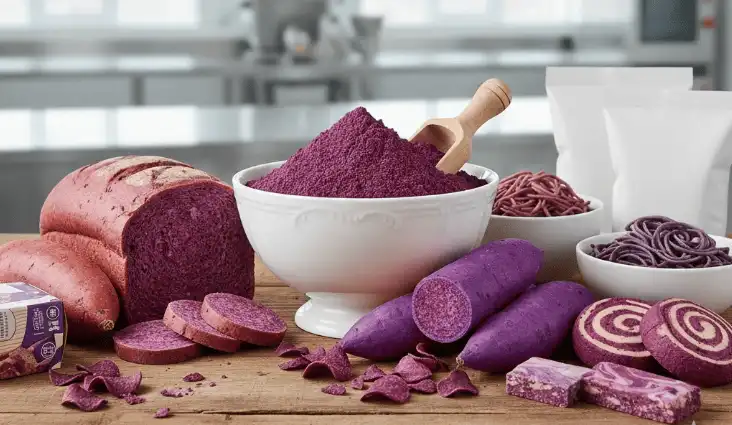
Adding purple sweet potato powder to simple baked items and snacks makes them look better and taste better. These snacks are both fun and good for you. When you add this natural ingredient to sweets like cakes, cookies, muffins, bread, and energy bars, they turn a pretty purple color. Adding purple sweet potato powder to food makes it healthier by adding natural anthocyanins, fiber, and vital minerals. This is a vital part of making food in today's world.
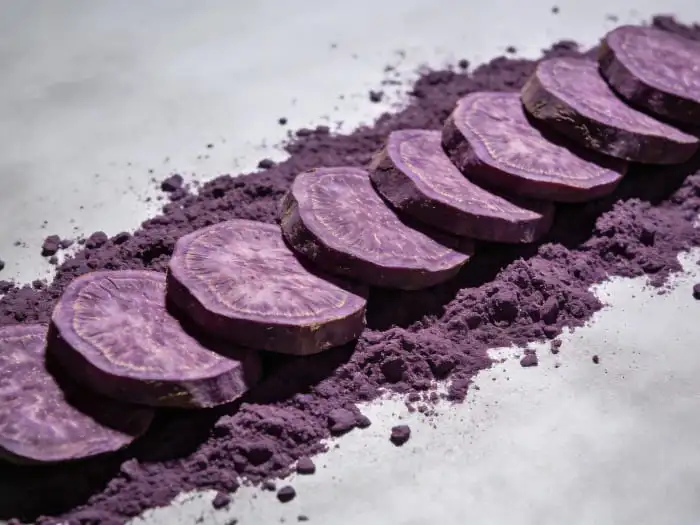
What Makes Purple Sweet Potato Powder Ideal for Baking and Snack Applications?
Many people like purple sweet potato powder since it is a natural colorant and a nutritious vitamin. You can find concentrated anthocyanins in this whole-food ingredient. These are strong antioxidant compounds that make meals purple. People want things to look good, and these colors that happen in nature are better for you than man-made colors.
Rich Anthocyanin Content for Functional Benefits
There are a lot of anthocyanins in purple sweet potato powder, which makes it a better antioxidant than many other foods. These vital chemicals help keep the heart healthy and protect cells. This makes finished goods a type of useful food, which is a growing group. It has been shown that anthocyanins lower oxidative stress. This means that they can be used in healthy goods.
The vitamins keep the fats from going bad and oxidizing, which makes the food last longer. Because this natural preservative works so well, manufactured ones aren't needed as much, and the quality of the product stays the same even after being stored for a long time. Products that are more stable and don't hurt the placement of clean labels are good for manufacturers.
Natural Purple Coloration for Clean Label Products
The ingredient gives the product a bright purple color that doesn't change no matter what the pH level is or how it is handled. Heat can change or lose the color of some fruit-based dyes, but purple anthocyanins in sweet potatoes keep their color when baked at room temperature. There is always the same color from batch to batch because of this steadiness. This is important for brand memory.
A lot of people want to buy things with clean labels because they don't want to buy fake ingredients. These trends look good with purple sweet potato powder because the color comes from the food itself, which supports the claim that it is healthy. If the company wants to keep or improve the look of the product, they can use the powder instead of artificial colors.
Comprehensive Nutritional Profile
Along with anthocyanins, purple sweet potato powder still has the same amount of fiber, polyphenolic chemicals, trace minerals, and natural carbohydrates as the whole vegetable. This full nutritional profile backs up recipes that do two things: they taste good and are good for you. Fiber makes you feel full after snacking and backs up claims that it is good for your gut health.
There are minerals in the mix, such as potassium, manganese, and vitamin A precursors. These make the end products healthier in general. As nutrients that happen naturally, these nutrients help supplement businesses that want to get their ingredients from whole foods instead of separated synthetic chemicals.
How to Incorporate Purple Sweet Potato Powder into Baking Recipes and Snack Production?
To successfully add purple sweet potato powder to current recipes, you need to know how it will change the texture, moisture content, and flavor balance. The powder adds a light sweetness and earthy notes that go well with a wide range of flavors without overpowering the main tastes. Strategic inclusion increases the visual impact while keeping the quality of the result at a high level.
Baking Applications and Formulation Guidelines
In regular baking, purple sweet potato powder can be used instead of 10 to 25 percent of regular flour, based on how bright you want the color to be and how much nutrition you want to add. The end texture is affected by the substitution ratio. Higher percentages help keep more moisture in the dough and make the crumb structure a little denser. Changing the amounts of liquids makes up for the powder's ability to absorb liquids.
Gradual inclusion during the creaming stage is good for cake recipes because it makes sure that the ingredients are spread out evenly in the batter. When sifted properly, the powder mixes smoothly with other dry ingredients, so there are no color streaks or uneven coloring. Controlling the temperature while mixing keeps the anthocyanin stable and stops the color from fading too quickly.
To keep the color vibrant, cookie applications need to bake at different temperatures and for shorter amounts of time. Lowering the oven temperature by 25°F and baking for longer protects heat-sensitive colors while keeping the structure intact. This change makes the results the same for all types and amounts of cookies.
When making bread, the powder is mixed in with the other dry ingredients during the mixing stage. Because purple sweet potato powder has natural sugars that may speed up yeast activity, proving times may need to be changed. Keeping an eye on how the dough grows makes sure it has the right thickness and that the color stays true as much as possible during the baking process.
Snack Manufacturing Considerations
The natural sweetness and binding qualities of purple sweet potato powder make it a good ingredient for making energy bars. Some of the extra sugars can be replaced by the powder, which also adds color and useful compounds. Unlike manufacturing methods that use a lot of heat, cold processing methods keep the most anthocyanin content.
The powder's ability to stick to surfaces is used in coating uses to make snack foods that look great. When you mix the powder with binding agents, you get even coverage on nuts, seeds, or extruded goods. The natural color makes it possible to place the snack as a premium option in a competitive snack category.
When making extruded snacks, it's important to keep an eye on the temperature so that the anthocyanin doesn't break down during high-heat processing. Adding protective chemicals to the powder before it is used or adding it after the extrusion process keeps the color true. These methods make it possible for bright purple snacks to be made without changing their structural features.
Comparison of Purple Sweet Potato Powder with Similar Ingredients for Baking and Snacks
Buying teams can make better choices about where to get ingredients when they know how purple sweet potato powder stacks up against other options. Each choice has its own benefits that depend on the needs of the product, the cost, and the positioning of the target market. A thorough comparison lets you choose the best ingredients for your product development goals.
Purple Sweet Potato vs. Regular Sweet Potato Powder
Normal sweet potato powder has the same texture benefits and natural sweetness as purple sweet potato powder, but it is not purple. The nutritional profiles are very similar, but purple types have higher amounts of anthocyanin. The different prices are due to the fact that purple types need to be grown and processed in a certain way.
With purple sweet potato powder, color steadiness is a big part of what makes it different from other products. Regular sweet potato powder works well in situations where nutritional value is more important than visual effect. Both choices back claims of natural ingredients and clean labels.
Comparison with Ube and Other Purple Ingredients
Purple yam is used to make ube powder, which has a similar color but a different taste. Purple colors come from both ube and purple sweet potato, but ube has stronger nutty flavors than purple sweet potato does. International buyers are affected by regional access when it comes to prices and supply consistency.
There is another natural purple colorant called beetroot powder, which reacts differently with pH. In acidic conditions, beetroot colors turn red instead of purple like sweet potato anthocyanins do. Compared to purple sweet potato powder, which has a wider stability range, this one depends on pH, which limits how it can be used.
There is also taro powder, which is purple but has a different flavor and cultural meanings in some stores. The mild flavor and starchy texture make it good for situations where a neutral flavor effect is needed. There are big differences in the supply chains of these different purple products.
Organic vs. Conventional Options
Organic purple yam powder costs more than regular powder, but it supports efforts to make farming more sustainable. Certification rules make sure that quality is strictly controlled and that products can be tracked all the way through the supply chain. Even though the costs of ingredients are higher, manufacturers who want to make organic products gain from better brand positioning.
Conventional choices are cheaper for uses that care about price while still having the same functional properties. The quality standards for both are still very high, with the major difference being the certification requirements for cultivation and processing. For large-scale manufacturing processes, volume availability often makes conventional sources the best choice.
Procurement Insights: How to Source Quality Purple Sweet Potato Powder for Baking and Snacks
To make sure that ingredients are always available, good buying strategies balance the need for quality with the need to save money and the need for a reliable supply chain. By learning about global supply patterns, seasonal changes, and quality standards, you can make smart choices about where to buy things that will help you reach your long-term production goals. Strategic connections with suppliers give businesses an edge in markets that are always changing.
Quality Specifications and Testing Requirements
The main way to tell if purple sweet potato powder is good or bad is by its anthocyanin content, which should be between 50 and 200 mg per 100g, based on the use. Standardized testing methods make sure that differences between batches are the same and allow for accurate formula calculations. Suppliers should give full analytical reports that show the amount of anthocyanin, the amount of moisture, and the microbiological safety factors.
Using standardized color measurement systems allows for objective quality evaluation and ensures compliance with design specifications. CIE L*a*b* color values provide a quantitative basis for precise color matching, helping maintain consistent appearance across branding products. Suppliers that guarantee defined color tolerances support effective quality control and reduce production variability.
Different powders work differently depending on the size distribution of their particles. For example, smaller meshes work better in liquid systems for dispersion. Mesh sizes usually fall between 80 and 200, but the exact needs depend on the purpose. Consistent particle sizing makes sure that manufacturing processes can be planned for.
Processing Methods and Their Impact
For making purple sweet potato powder, the main ways to process the potatoes are spray drying, freeze drying, and hot air drying. Each method changes how much anthocyanin is kept, how stable the color is, and how the finished product looks. Spray drying is a cheap way to make things that keeps the anthocyanins well, but freeze drying keeps more of the nutrients but costs more.
Changing the processing temperature has a direct effect on how the anthocyanin breaks down and the quality of the color. Low-temperature processing methods used by suppliers usually result in better color retention and nutritional protection. Knowing how things are processed helps you choose a seller based on your quality needs and your budget.
Supply Chain Considerations
Purple sweet potatoes are only available at certain times of the year, which causes supply changes that affect prices and plans for future purchases. Peak harvest times vary by area, but Asian suppliers make up most of the world's production. Setting up business relationships with several suppliers in different areas ensures a steady flow of goods at a fair price.
There are many types of bulk packing, from 25 kg bags to intermediate bulk containers. Which one you choose depends on how much you will use it and how much space you have. When you package something properly, it keeps moisture and light from getting in and breaking down the anthocyanin content. Suppliers who offer custom packaging options help businesses meet their own needs.
Company Introduction and Our Purple Sweet Potato Powder Solutions
Wellgreen Technology is a world leader in making plant extract powder, and they specialize in high-quality purple sweet potato powder for business-to-business markets around the world. Our GMP-certified, state-of-the-art facilities make sure that quality and safety standards are always met to the highest world standards. We know the unique problems that modern product makers face because we've worked with many nutraceutical brands, food manufacturers, and contract producers.
Our all-around method covers every part of making purple sweet potato extract powder, from choosing the raw materials to packaging and shipping the finished product. Modern processing methods keep the highest amount of anthocyanins while making sure the powder has the best properties for a wide range of uses. Quality control protocols include thorough testing at several steps of production to make sure that specifications are met and that each batch is the same.
Because our recipe support team is so tech-savvy, we can work together to make goods that use purple sweet potato powder in the best way possible. Specific application guidelines, data for stability testing, and customization services that make adding new products easier are some of the things we give. When we answer customer service requests quickly, we can quickly answer questions about technology and meet supply chain needs.
Wellgreen has a global logistics network that makes sure supplies happen on time in all foreign markets. It also has flexible inventory management options that can change based on how demand changes. Our long-term commitment to sustainable buying methods and honest business relationships will help customers who are looking for responsible supply chain partners.
Conclusion
This ingredient, purple sweet potato powder, changes the game because it addresses many industry trends at once, such as the need for clean labels and the growth of healthy foods. As a natural colorant, it adds protein and keeps the product stable during processing. This makes it a great way to make your product stand out in a very competitive market. You need to know how something works, how to use it most effectively, and what high standards are needed to get the same results every time. Building long-term ties with reliable suppliers is key to the long-term success of a product. This also helps keep costs and supply chain risks low.
FAQ
About how long does purple sweet potato powder usually last if it is stored properly?
Purple sweet potato powder stays at its best for 18 to 24 months if it is kept in sealed packages that are cool, dry, and out of direct sunlight. When stored correctly, anthocyanins don't break down or absorb water, which can change the color and nutritional value. Based on how they make and package their goods, suppliers should give specific storage tips and expiration dates.
Can purple sweet potato powder completely take the place of fake food colorings in business?
In most baking and snacking situations, purple sweet potato powder can be used instead of artificial purple and violet colorants because it works just as well and has more health benefits. It may be necessary to make small changes to the formulation of natural pigments in order to reach certain color goals, but the end results are often more appealing to customers than artificial options. In some very acidic situations, color changes may happen that need pH buffering or safe encapsulation.
Are there any worries about allergens or rules about using purple sweet potato powder?
Because purple sweet potato powder is naturally gluten-free and doesn't contain big allergens, it can be used by people who are sensitive. As a natural food ingredient, it has regulatory approval in the United States, the European Union, and the Asia-Pacific area. Manufacturers should check with their suppliers to make sure they have the right paperwork for the regulatory requirements of the places they want to sell to.
How does the temperature of processing change the amount of anthocyanins and how stable the color is?
Higher processing temps speed up the breakdown of anthocyanin. Above 180°C, color loss is significant after long exposure. To keep the color and make sure the product develops properly, the best baking temperatures are between 160°C and 175°C. Adding natural stabilizers to the powder ahead of time or changing the pH levels can make it more resistant to heat in high-temperature situations.
How much purple sweet potato powder should be used in different kinds of products?
Usage levels usually range from 2% to 5% for a light purple tint to 15% to 25% for a strong color and a big nutritional boost. Because of how they are made, baked goods can usually handle higher numbers than extruded snacks. Product developers should do small-scale tests to find the best levels for their unique formulations and quality goals.
Partner with Wellgreen for Premium Purple Sweet Potato Powder Solutions
Food companies, nutraceutical brands, and contract producers are all welcome to check out Wellgreen Technology's high-quality purple sweet potato powder for commercial use. Our GMP-certified manufacturing capabilities, thorough quality testing methods, and large inventory make sure that you can always get what you need for your production needs. Get in touch with our technical team at wgt@allwellcn.com to talk about custom formulation help, bulk price options, and sample availability. As a reliable purple sweet potato powder provider, we offer full documentation, help with regulations, and logistics coordination that make the buying process easier while maintaining high quality standards.
References
Food and Agriculture Organization. "Nutritional composition and functional properties of purple sweet potato varieties in global food systems." Journal of Agricultural Sciences, 2023.
International Food Additives Council. "Natural colorants in food processing: stability and regulatory considerations for anthocyanin-based ingredients." Food Technology Review, 2023.
Smith, J.R. and Chen, L.M. "Thermal stability of anthocyanins in purple sweet potato powder during commercial baking processes." Food Chemistry and Processing Technology, 2022.
American Baking Institute. "Alternative flour and powder ingredients: implementation guidelines for commercial bakery operations." Industrial Baking Quarterly, 2023.
Global Food Ingredients Association. "Clean label trends and natural ingredient sourcing in the North American food industry." Market Analysis Report, 2023.
Wang, K.H., Thompson, S.A., and Rodriguez, M.P. "Functional properties of purple sweet potato powder in snack food manufacturing applications." Journal of Food Engineering and Technology, 2022.