How Coconut Powder Enhances Flavor in Functional Foods?
2026-02-25 13:43:05
Coconut powder changes the way useful foods are made by adding real sweetness and creaminess while adding rich, natural tropical flavors that cover up bad tastes. Because it has unique aromatic compounds and natural fats, this versatile ingredient makes products more appealing to consumers. It's perfect for companies that want to make clean-label alternatives that improve the taste and nutritional value of protein bars, drinks, and dairy alternatives.
Understanding Coconut Powder and Its Role in Functional Foods
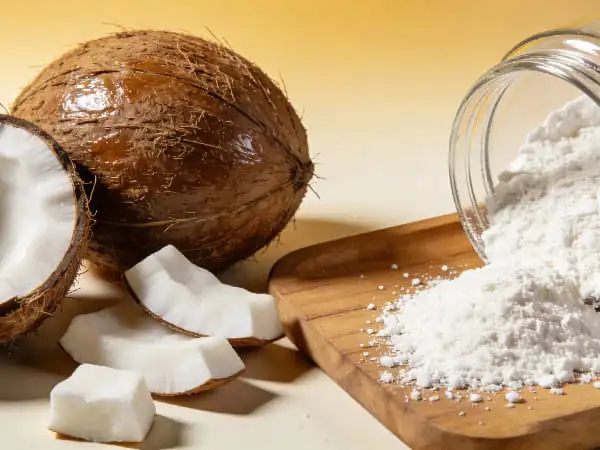
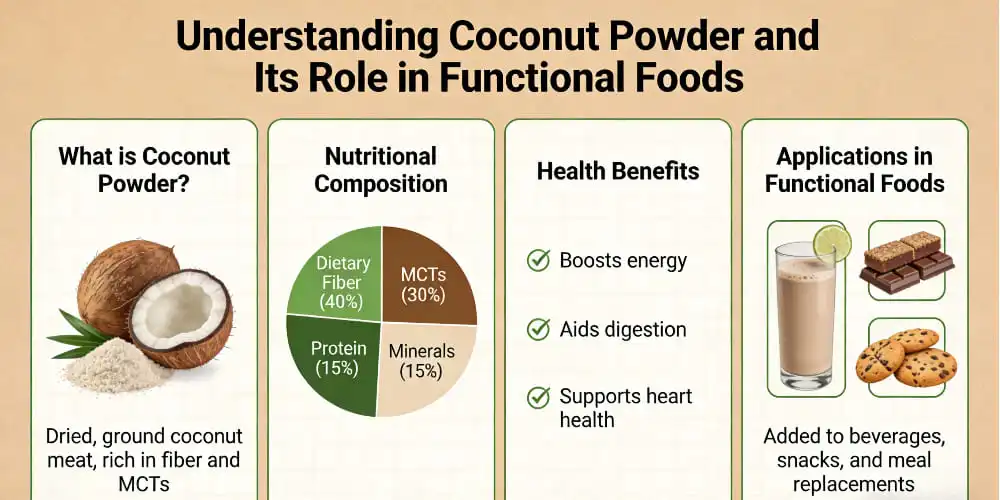
The coconut meat (Cocos nucifera) is carefully dried and processed to make coconut powder. It is a sophisticated food that contains important nutrients like fiber, potassium, and minerals like manganese and copper. Advanced spray-drying technology is used in the production process to keep the natural flavor ingredients while making a stable, free-flowing powder that is perfect for use in businesses.
Nutritional Composition and Benefits
When it comes to nutrition, coconut powder is different from other flavorings. These medium-chain fatty acids, which are high in lauric acid and caprylic acid, help the body use energy quickly and give high-quality goods their characteristic creamy mouthfeel. Depending on how it was processed, the fiber level can be anywhere from 15% to 25%. This supports digestive health claims that are becoming more popular in functional food markets.
Differentiation from Related Coconut Products
Knowing the differences between the different kinds of coconut helps buying managers make smart choices. The fiber content of coconut flour is usually higher than the fat content, so it can be used for building things instead of adding taste. Desiccated coconut holds on to more water and has a variety of textures, while coconut milk powder is better at dissolving in liquids, which is important for beverage uses.
You can't say enough about how important flavor is to the strategy of useful foods, since taste is still the main reason people buy things. 73% of people who try functional foods give up on them because the flavors aren't good enough for them. This makes coconut powder's natural ability to sweeten and hide flavors very useful for product makers who are working with difficult ingredients like plant proteins or botanical extracts.
The Flavor-Enhancing Properties of Coconut Powder
The unique taste of coconut powder comes from complex volatile compounds that form during controlled processing. These compounds include lactones, esters, and aldehydes. Advanced micro-encapsulation methods protect these delicate aromatic molecules, making sure that the flavor stays the same in a range of conditions, such as acidic and high-temperature processing.
Chemistry Behind Flavor Development
Processing ways have a big effect on how well flavors stay true and how strong they are. Because it doesn't go through a lot of processing steps or chemical treatments, organic coconut powder often has better aromatic qualities. The natural browning caused by enzymes that happens during careful drying adds to the taste complexity by adding subtle caramel notes that go well with the coconut base.
Application Versatility Across Categories
The versatility of coconut powder is very helpful in the world of useful foods. It successfully hides the earthy undertones that come from pea and hemp proteins in protein smoothies while adding natural sweetness that cuts down on the need for artificial sweeteners. Its fat content helps bakery products keep their wetness and last longer on the shelf. This is especially helpful in gluten-free recipes where texture problems are common.
Manufacturers of nutrition bars like how coconut powder can hold things together and keep their taste even when they are formed under a lot of pressure. The powder keeps its aromatic integrity even when heated above 80°C during extrusion processes. This makes sure that the sensory experience stays the same throughout the span of the product.
The most interesting area of application might be dairy alternative formulas. The natural emulsifying features of coconut powder help keep plant-based milk systems stable while giving people the creamy mouthfeel they expect from dairy products. The lack of lactose and cholesterol makes it a great fit for the market's current demand for "clean label" options.
Practical Guidelines for Incorporating Coconut Powder into Functional Foods
To successfully add coconut powder, you need to pay close attention to the formulation factors and how the ingredients interact with each other. The best inclusion rates are usually between 3 and 15%, but this depends on the type of application and the level of flavor intensity that is wanted. For example, smaller concentrations are usually needed in beverage applications so that the flavors don't get too strong.
Dosage and Blending Optimization
To get well-balanced tastes, you need to know how ingredients work together. Vanilla, chocolate, and citrus flavors go really well with coconut powder, making complicated taste profiles that make products more appealing to customers. When working with bitter compounds like some plant extracts, adding them slowly during the mixing process helps cover up flavors better.
When processing, temperature sensitivity needs to be carefully thought through. Even though coconut powder is very stable at high temperatures, too much heat can break down volatile aromatic chemicals. During dry blending, keeping processing temperatures below 85°C keeps the best flavor traits.
Storage and Shelf-Life Management
The right keeping conditions have a direct effect on the taste and performance of a product. Controlled humidity settings (below 60% RH) are needed for coconut powder to keep its free-flowing properties and stop it from clumping. Because it has a lot of fat, it needs to be protected from oxidative rancidity by packing that flushes nitrogen or natural antioxidant systems.
Because organic versions don't have any artificial preservatives, they usually have shorter shelf lives. This makes rotating inventory and trusting suppliers very important for buying teams. Knowing these storage needs helps producers keep the quality of their products consistent and improves the efficiency of the supply chain.
Safety and Allergen Considerations
The naturally allergen-friendly profile of coconut fruit powder helps clean-label formulas. It's free of common foods like gluten, soy, and dairy, and it helps make products that are more accessible. Cross-contamination prevention is still important, especially in places that process tree nuts, and this needs strong supplier verification procedures and paperwork.
Because coconut comes from a tropical area, microbial safety rules require extra care. Reliable providers use thorough testing methods to look for pathogenic bacteria, mold, and yeast contamination. This makes sure that they follow international rules for food safety. These quality assurance steps give B2B customers the trustworthiness they need to lower their risk.
Procurement Insights for Functional Food Manufacturers
To find high-quality coconut powder, you have to look at more than just basic quality standards. Using sensory panels to check for flavor integrity helps find suppliers who can offer consistent organoleptic properties across production batches. To make sure the product is reliable, certificates of analysis should include peroxide values, moisture content, and microbial testing data.
Quality Assessment Criteria
Leading suppliers set themselves apart with advanced methods for quality control and processing. Spray-drying technology varies a lot from one manufacturer to the next. The best processes get particle sizes between 100 and 200 mesh for the best solubility properties. The powder's uniform look and lack of lumps are signs that the manufacturing process was done correctly.
As clean label trends pick up speed, organic certification status becomes a bigger factor in buying choices. Certifications like USDA Organic, EU Organic, and others like them make it easier to get into new markets and help with premium positioning tactics. But for organic choices, it's important to think carefully about how stable the supply chain is and how volatile prices are in agricultural commodity markets.
Supplier Evaluation and Selection
When looking for reliable suppliers, you need to look at things like production ability, geographic diversity, and the openness of the supply chain. Suppliers with more than one processing facility lower the risk of supply disruptions, and suppliers with flexible minimum order amounts can work with different production schedules and ways of managing inventory.
Professional suppliers are different from commodity traders because they can offer technical help. Having access to application experts, formulation advice, and regulatory documentation shortens the time it takes to develop a product while lowering the need for internal resources. These extra services add value and allow manufacturers who value speed-to-market benefits to charge higher prices.
Cost Optimization Strategies
Bulk purchasing deals can save you a lot of money and make sure you always have enough supplies. Annual contracts with volume promises often protect prices against changes in commodities and make sure that priority is given when supply is limited. To find the right balance between saving money and the cost of keeping goods, you need to carefully look at how much space you have and how quickly you sell things.
Co-manufacturing partnerships may benefit from having more buying power, especially for smaller names that don't have enough volume to use individual buying power. Sharing sourcing agreements can open up institutional pricing levels while making sure that the quality of ingredients is the same across various product lines.
Future Trends and Innovations in Coconut Powder Usage
The functional food business keeps changing as it moves toward more complex flavor systems and environmentally friendly ways to get ingredients. Manufacturers are looking for natural alternatives to artificial flavor enhancers to meet growing customer demands for honesty and caring for the environment. This makes coconut fruit powder's position stronger.
Market Evolution and Consumer Preferences
There are a lot of growth possibilities for coconut powder applications in plant-based product categories. Growing demand for natural flavorings that make plant milk taste like cheese without breaking vegan formulation rules is caused by the growth of the global plant milk market. New product lines like plant-based yogurts, ice creams, and coffee creamers are growing quickly because people want real tropical flavors.
The good macronutrient makeup of coconut powder is supported by the ketogenic and low-carbohydrate diet trends. The medium-chain triglyceride content helps the body stay in ketosis while giving it steady energy. This makes it useful for sports nutrition and meal replacements that follow certain diet plans.
Sustainability and Supply Chain Innovation
Environmental awareness affects choices about which ingredients to use more and more. Growing coconut palms helps rural communities in tropical areas and stores carbon, which makes for appealing sustainability stories for brands that stress corporate social responsibility. These sustainability claims are strengthened by traceability systems that allow for clear communication from the farm to the plant.
Processing innovations keep making things work better and having less of an effect on the world. New ways of extracting flavors keep more delicate taste compounds while using less energy and making less waste. These technological advances help both make products better and reach sustainability goals, which are important to people who care about the environment and to procurement workers.
Conclusion
Coconut powder is a great way to add taste, which is an important thing to keep in mind when making functional foods. Its natural ability to sweeten, its ability to mask tastes well, and its clean-label credentials make it an extremely useful ingredient for companies that want to make their products more appealing to consumers while still keeping their nutritional purity. Coconut powder is a strategic ingredient for competitive edge because of its adaptability across applications, from beverages to baked goods, and its excellent processing stability. Knowing the right ways to mix ingredients, store them, and buy them lets manufacturers get the most out of the benefits while also making sure that the quality of the products they make stays uniform and that the supply chain works well.
FAQ
What's different about coconut powder from other natural flavorings?
In addition to adding taste, coconut powder has health benefits like natural emulsification, keeping moisture in, and nutritional value through medium-chain triglycerides. Unlike artificial flavors or chemicals that only do one thing, it helps with many different formulations while still being clean-label and allergen-friendly.
How does the way coconut powder is processed change the way it tastes?
Spray-drying, which is an advanced technology, keeps volatile aromatic chemicals better than other drying methods. Controlling the temperature during processing keeps delicate flavor molecules from breaking down, and making sure that particles are of the right size ensures that finished goods have the best solubility and flavor release properties.
What quality standards should companies look for when they buy coconut powder?
Key requirements include a moisture content of less than 5%, peroxide values that show oxidative stability, particle size distribution that meets solubility needs, and full microbe testing results. Other quality control measures include organic certification, carrier system composition, and sensory review scores.
Can coconut powder keep its taste when it's being processed at high temperatures?
When used in normal food processing, high-quality coconut powder stays flavorful at temperatures up to 85°C, showing high thermal stability. But long-term exposure to too much heat or acidic conditions may weaken the strength of the aroma, so it's important to carefully control the process parameters.
How often does coconut powder usually show up in different types of useful foods?
Inclusion rates of 2 to 8 percent are common in beverage applications, while rates of 5 to 15 percent may be used in bakery products, depending on the level of flavor wanted and the needs of the product. Protein bars and other nutrition items often use 8–12% because it masks tastes and improves textures without overpowering base flavors.
Partner with Wellgreen for Premium Coconut Powder Solutions
Wellgreen Technology is a reliable source for coconut powder, providing high-quality products that change the way functional foods are made. Our GMP-certified factory makes coconut powder that dissolves easily, uses cutting-edge micro-encapsulation technology, and follows strict quality control rules to make sure that each batch has the same flavor. We offer full technical support, flexible minimum order quantities, and fast delivery options that cut down on the time it takes to build your products. Get in touch with our application specialists at wgt@allwellcn.com to find out how our premium coconut powder can help your recipes while also meeting clean label standards and customer expectations.
References
Journal of Food Science and Technology. "Medium-Chain Triglycerides in Functional Food Applications: Nutritional and Sensory Implications." Volume 58, Issue 3, 2021.
Food Chemistry International. "Volatile Compound Analysis in Processed Coconut Products: Impact on Flavor Stability and Consumer Acceptance." Volume 142, 2022.
International Journal of Food Engineering. "Spray-Drying Technology Optimization for Coconut-Based Powder Ingredients in Commercial Applications." Volume 18, Issue 7, 2022.
Nutrition and Food Science Research. "Plant-Based Dairy Alternatives: Formulation Strategies Using Natural Tropical Ingredients." Volume 9, Issue 2, 2021.
Food Processing Technology Quarterly. "Clean-Label Trends in Functional Foods: Consumer Preferences and Manufacturing Adaptations." Volume 45, Issue 4, 2023.
Applied Food Biotechnology Journal. "Sustainable Sourcing and Processing of Coconut-Derived Ingredients: Environmental and Economic Considerations." Volume 31, Issue 1, 2023.