How Green Tea Can Boost Your Energy and Metabolism
2026-05-15 14:13:27
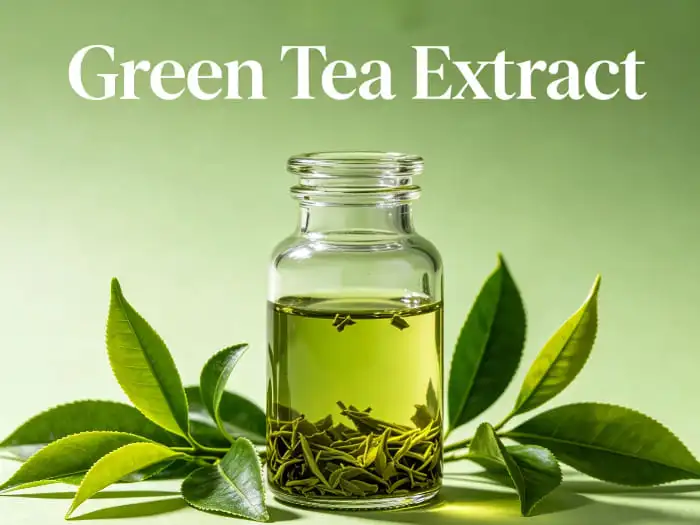
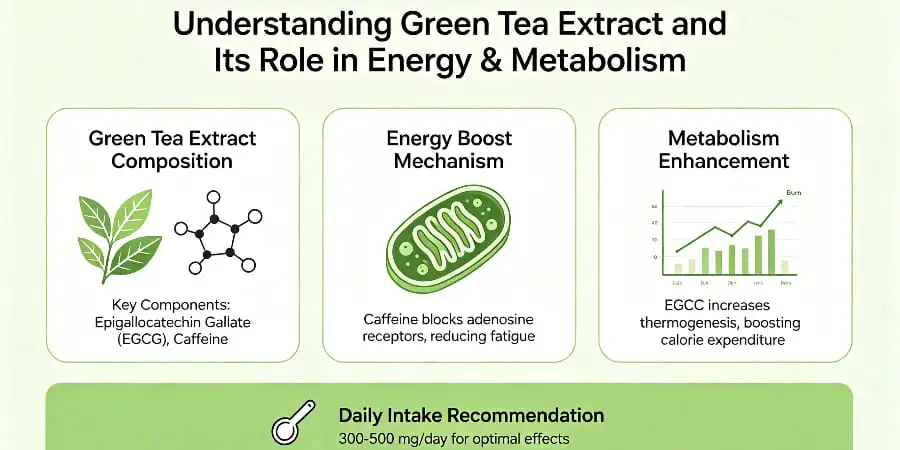
The concentrated bioactive chemicals in green tea extract, especially catechins like epigallocatechin gallate (EGCG) and natural caffeine, give you a lot of energy and help your metabolism work better. These polyphenols, which come from Camellia sinensis leaves and are extracted in a controlled way, speed up thermogenesis, the body's process of making heat. This directly increases fat burning and calorie expenditure. For companies that make functional health products, understanding these processes is key to making supplements and drinks that really speed up the metabolism and give you long-lasting energy without the crash that comes with synthetic stimulants. Because it does two things, green tea extract is very useful in the nutraceutical, medicinal, and functional food industries.
Understanding Green Tea Extract and Its Role in Energy & Metabolism
The Bioactive Compounds Behind Metabolic Activation
Standardized green tea extract powder is a concentrated plant-based substance that is high in polyphenols, with EGCG making up 15% to 50% of the total content, depending on the standard. These catechins work together with naturally occurring caffeine to change the way cells use energy. This can be decaffeinated versions with less than 1% caffeine or high-energy forms. Activating brown adipose tissue, raising norepinephrine levels, and stopping catechol-O-methyltransferase, an enzyme that breaks down hormones that burn fat, are all parts of the biochemical process. This multi-targeted method explains why thermogenic effects are consistent in clinical settings for products made with high-potency extracts (usually 50% to 98% polyphenol content).
Scientific Validation Through Clinical Research
Many studies that have been reviewed by experts agree that taking 300–400 mg of EGCG every day with a modest amount of caffeine raises the metabolism by 4–5% over 24 hours. According to studies published in metabolic journals, taking standardized catechin extracts along with mild exercise can increase fat oxidation by up to 17%. These results give procurement teams the fact-based information they need for government filings and marketing claims. The controlled extraction methods that keep the bioactive compounds stable at high temperatures and in water make sure that they stay effective throughout the shelf life of the product. This addresses important stability concerns in formulation development.
Antioxidant Capacity and Cellular Energy Production
Green tea polyphenols have Oxygen Radical Absorbance Capacity (ORAC) numbers that are much higher than those of vitamins C and E. This antioxidant strength saves mitochondrial function from oxidative damage. Mitochondria are the powerhouses of cells that make energy. When making energy-boosting goods, this double benefit lets companies market their products as both performance boosters and cell health protectors. When extracts are properly handled, they keep their chemical stability. This means that antioxidant activity stays the same in a wide range of formulations, from drinks to capsuled supplements.
Benefits of Green Tea Extract for Business Clients: Beyond Energy
Weight Management Applications in Modern Formulations
Green tea extract is one of the main ingredients in goods that help control your metabolism. It often works well with other botanicals in complex mixtures. The compound's ability to stop lipid intake and speed up fat breakdown makes it a better weight management system than ingredients that only do one thing. Manufacturers of products in this area like that polyphenol specifications can be changed from 30% to 98%, which lets them make precise dosing plans that match health claims and target groups. Because of this, the ingredient can be used in a wide range of delivery methods, from traditional capsules to new types of functional drinks.
Cosmeceutical Value in Anti-Aging and Skin Health
The uses on skin of catechin-rich extracts open up more business possibilities than just taking them as supplements. Because they reduce inflammation and protect against UV light, these polyphenols are useful in high-end skin care serums and emulsions. They stop matrix metalloproteinase activity caused by UV light and stop collagen breakdown. Color stability and solubility profiles are important to cosmetic chemists who work with these extracts because oxidation can turn finished goods brown, which is not what they want. Suppliers that offer pH-buffered formulations or encapsulated forms can solve these technical issues, making it easy to add them to clean-beauty lines that need to be effective and look good at the same time.
Safety Profiles and Caffeine Management
Regulatory managers really like being able to control the amount of caffeine in different types of products. Standard extracts have naturally occurring caffeine that gives you energy. Decaf forms with high polyphenol concentrations are better for people who are sensitive to caffeine and for use in the evening. Long-term supplement products can be trusted because they have safety records that show tolerance at doses of up to 800 mg of catechins per day. This balance between risk and benefit, backed up by a lot of toxicology data showing that at recommended levels, there aren't many bad effects, makes regulatory dossiers stronger and boosts consumer trust around the world.
Comparing Green Tea Extract with Other Market Options
Extract Concentrations Versus Whole Leaf Powders
For procurement choices, it's important to understand the differences between things that matter. Standard green tea powder, which is just ground leaves, only has about 10 to 15 percent polyphenols, so you have to take much higher amounts to reach therapeutic levels. Concentrated extracts that meet standardization standards for 50–98% polyphenols offer the same bioactive loads in smaller serving sizes. This means that supplements don't have to contain as many pills and drinks don't lose as much flavor. Matcha is nice to use for ceremonies, but it doesn't meet the standards needed for consistent clinical benefits. Buyers who care more about effectiveness than marketing hype always choose certified extracts that have been tested by a third party.
Delivery Format Considerations for Different Applications
When stored properly, encapsulated forms keep photosensitive catechins from breaking down, which can extend the shelf life to 24 to 36 months. This advantage of stability is very important for global distribution routes where storage temperatures change all the time. Spray-dried powders that dissolve in water meet the needs of the beverage business. They keep the clarity of ready-to-drink mixes even in acidic pH environments that are common in functional drinks. Liquid extracts are useful in some manufacturing processes, but they need to be carefully stabilized with glycol and have shorter use windows. These technical differences have a direct effect on the total cost of ownership, which goes beyond the original price.
Certification Impact on Market Positioning
Organic approvals give natural products a higher status, but they need to be checked all the way through the supply chain. In addition to the needs for growing, organic green tea extract powder methods limit the types of solvents that can be used, which could affect the end yield and the ability to concentrate. GMP-compliant facilities provide the quality assurance standard needed for pharmaceutical and nutraceutical uses, and ISO certifications boost trustworthiness in talks about international purchasing. Buyers need to think about how much certification will cost and what their target market wants. They also need to be aware that some retail sites require organic status no matter what the price.
How to Choose the Best Green Tea Extract Supplier and Product?
Critical Quality Indicators and Testing Protocols
For serious procurement processes, third-party analytical verification is a must. Certificates of Analysis should show that the polyphenol content was measured using HPLC, that heavy metal levels were below USP limits (lead <3ppm, arsenic <2ppm), and that the number of microbes was in line with medicinal standards. Suppliers who provide paperwork for testing specific batches show transparency, which lowers quality risks further down the line. Testing for leftover solvents is especially important for grades that are extracted with ethanol because it makes sure that the finished products meet the standards for consumer goods. These technical details tell the difference between professional-grade ingredients and common materials whose quality varies.
Manufacturing Capabilities and Supply Chain Reliability
Indicators of production ability show if suppliers can meet the needs for scaling as product lines grow. Facilities that keep a lot of goods on hand—which is especially important because the supply of raw tea leaves changes with the seasons—ensure that the product is always available without sacrificing quality through rushed processing. Cross-contamination risks are kept to a minimum in GMP-certified manufacturing settings with separate lines for processing botanicals. This is especially important for allergen-sensitive formulations. Being close to areas where tea is grown usually means having access to fresher raw materials, but new extraction technology can cancel this out if it is used with proper quality controls.
Customization Support and Technical Partnership
OEM skills set strategic partners apart from transactional suppliers. In competitive markets, being able to make your own polyphenol specifications, change the amount of caffeine, or make your own standardization marks helps you stand out. Technical help that includes formulation advice, especially for difficult tasks like keeping the clarity of beverages or making sure that capsules are filled evenly, adds a lot of value above and beyond the price of the commodity. Product development timelines are shortened by suppliers who offer prototyping and stability testing. Shorter time-to-market windows are becoming more and more important for business success in fast-moving wellness categories.
Practical Guide to Using Green Tea Extract to Maximize Energy and Metabolism Benefits
Optimal Dosing Strategies Across Product Categories
There is clinical proof that taking 300 to 450 mg of EGCG every day can help your metabolism. This is usually done by taking 400 to 600 mg of 50% polyphenol extract. Formulations that focus on energy often have 50–100 mg of natural caffeine from the extract, which is about the same as one cup of coffee and gives you energy without making you feel too jittery. When you take it matters—morning or before a workout is best for getting the most thermogenic benefits during active times. Sustained-release encapsulation technologies make catechins available for an extra 8 to 12 hours, which supports metabolic elevation all day long, which is good for weight control plans that need consistent support.
Integration Across Diverse Product Portfolios
Functional beverage designers use water-soluble grades at 200–500ppm concentrations, which balance the antioxidant benefits with a neutral taste that is important for consumers to accept. For these uses, oxidative stability is important, and to keep the color from fading, chelating agents or matching antioxidants like ascorbic acid are often needed. Putting the extract in capsules or tablets lets it be delivered more effectively. Most makers mix 250 to 500 mg of extract with other nutrients, like chromium or B vitamins, that help the body's metabolic processes. In cosmetics, extract amounts of 1% to 5% are usually used in the final emulsions. This is enough to protect against free radicals without causing pH problems.
Real-World B2B Success Applications
Private-label companies have successfully launched thermogenic supplement lines that use 80% polyphenol extracts along with herbs that work well together, like cayenne and ginger, to make fat-burning products that work better together. Ready-to-drink energy tea brands that use spray-dried extracts keep 150 mg of EGCG per bottle and can stay stable at room temperature for 18 months with nitrogen flushing and light-protective packing. These case studies show how knowing the properties of a material and the needs of a particular application can turn technical specs into products that can be sold and meet customer expectations for quality and effectiveness.
Conclusion
The commercial potential of green tea extract powder in energy and metabolism applications continues expanding as consumer demand for natural, science-backed ingredients intensifies. Procurement professionals equipped with knowledge of polyphenol standardization, bioavailability factors, and supplier quality markers can confidently specify ingredients that deliver authentic functional benefits. The versatility spanning nutraceuticals, functional foods, and cosmeceuticals positions this botanical extract as a strategic component across multiple product development initiatives. When sourced from reputable suppliers offering customization support and regulatory compliance documentation, green tea extract provides the foundation for differentiated products capturing growing market segments prioritizing both performance and natural composition.
FAQ
What is the caffeine content compared to regular coffee?
Standard green tea extract contains 3-6% caffeine by weight, meaning a 500mg extract dose delivers approximately 15-30mg caffeine—roughly one-third the amount in an 8-ounce cup of coffee. Decaffeinated versions reduce this to under 5mg per serving while maintaining high polyphenol content, suitable for caffeine-sensitive populations or evening-use products.
How does long-term supplementation affect safety profiles?
Clinical trials monitoring subjects consuming 400-800mg catechins daily for 12 months show excellent tolerance with minimal adverse effects. Liver enzyme monitoring in pharmaceutical-grade studies reveals no hepatotoxicity at recommended dosages, though individuals with pre-existing liver conditions should consult healthcare providers. This safety record supports chronic supplementation protocols typical in weight management programs.
Can organic certifications be verified for international markets?
Reputable suppliers maintain organic certifications from multiple jurisdictions—USDA Organic for North American markets, EU Organic for European distribution, and equivalent certifications for Asian-Pacific regions. Proper documentation includes organic certificates for raw materials, processing facilities, and chain-of-custody records. Buyers should verify current certification status directly with certifying bodies when regulatory compliance forms critical selection criteria.
Partner with a Trusted Green Tea Extract Supplier
Wellgreen Technology specializes in manufacturing premium green tea extract powder with polyphenol standardization ranging from 30% to 98%, meeting the rigorous demands of nutraceutical formulators, beverage innovators, and pharmaceutical developers worldwide. Our GMP-certified facility ensures consistent quality through validated extraction processes and comprehensive testing protocols covering polyphenol profiles, heavy metals, and microbial standards. With substantial inventory capacity supporting reliable supply chains and OEM customization services including caffeine adjustment and solubility optimization, we provide the technical partnership essential for successful product launches. Whether developing thermogenic supplements, functional energy drinks, or metabolic wellness formulations, our team offers formulation consultation and rapid sampling to accelerate your development timeline. Connect with our procurement specialists at wgt@allwellcn.com to discuss your specific requirements, request detailed product specifications, or obtain quotations as a qualified green tea extract manufacturer ready to support your growth objectives.
References
Hursel, R., Viechtbauer, W., & Westerterp-Plantenga, M. S. (2009). The effects of green tea on weight loss and weight maintenance: a meta-analysis. International Journal of Obesity, 33(9), 956-961.
Dulloo, A. G., Duret, C., Rohrer, D., Girardier, L., Mensi, N., Fathi, M., ... & Vandermander, J. (1999). Efficacy of a green tea extract rich in catechin polyphenols and caffeine in increasing 24-h energy expenditure and fat oxidation in humans. American Journal of Clinical Nutrition, 70(6), 1040-1045.
Venables, M. C., Hulston, C. J., Cox, H. R., & Jeukendrup, A. E. (2008). Green tea extract ingestion, fat oxidation, and glucose tolerance in healthy humans. American Journal of Clinical Nutrition, 87(3), 778-784.
Rains, T. M., Agarwal, S., & Maki, K. C. (2011). Antiobesity effects of green tea catechins: a mechanistic review. Journal of Nutritional Biochemistry, 22(1), 1-7.
Zheng, X. X., Xu, Y. L., Li, S. H., Liu, X. X., Hui, R., & Huang, X. H. (2011). Green tea intake lowers fasting serum total and LDL cholesterol in adults: a meta-analysis of 14 randomized controlled trials. American Journal of Clinical Nutrition, 94(2), 601-610.
Chacko, S. M., Thambi, P. T., Kuttan, R., & Nishigaki, I. (2010). Beneficial effects of green tea: A literature review. Chinese Medicine, 5(13), 1-9.