How Green Tea Extract Can Supercharge Your Wellbeing?
2026-05-22 14:17:28
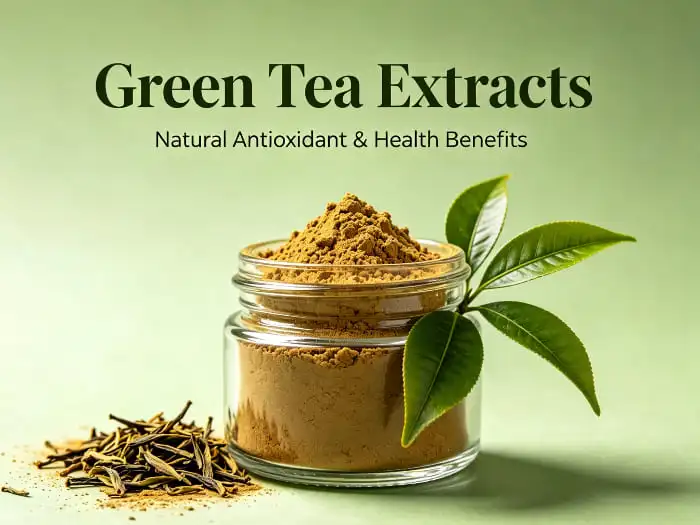
The leaves of the Camellia sinensis plant contain a lot of bioactive substances. These include catechins like EGCG (epigallocatechin gallate) and powerful antioxidants. This plant-based product meets important health needs in many fields, such as functional beverages, cosmeceutical uses, and nutraceutical formulations. Unlike drinking tea every day, standardized green tea extracts have constant polyphenol concentrations between 30% and 98%, which lets you know exactly how much to take to support your metabolism, keep your heart healthy, and protect your skin. Business-to-business buyers are becoming more aware of how useful this ingredient is for making clean-label goods that meet customers' needs for natural, science-based health solutions.
Understanding Green Tea Extract and Its Core Benefits
What Makes Green Tea Extract Different from Other Botanicals?
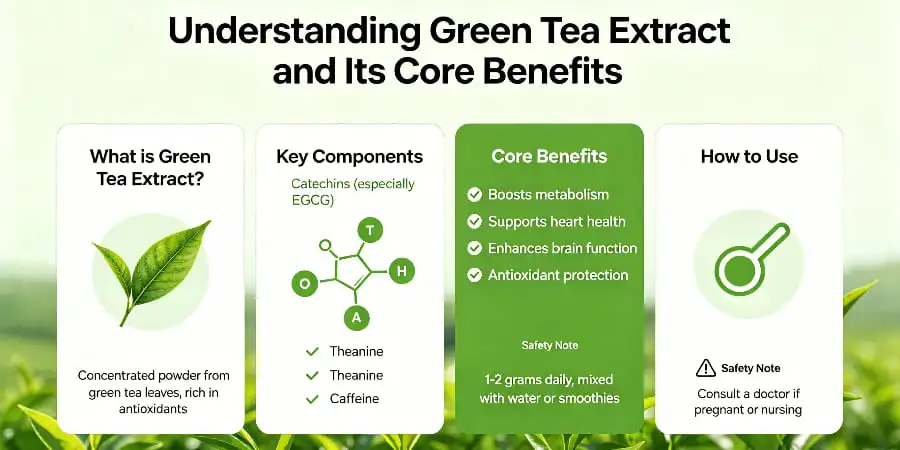
This concentrated powder is very different from matcha or regular tea mixes because it was made through aqueous or hydro-ethanolic extraction methods. The method for separation separates and standardizes the catechin content, especially EGCG, which is the most pharmaceutically active part. While matcha's whole leaf is healthy, standardized extracts make sure that the strength of each batch is the same, which is very important for pharmaceutical-grade uses and regulated supplement production.
The main chemicals are flavan-3-ols, which are epicatechin gallate (ECG), epigallocatechin (EGC), and epicatechin (EC). These chemicals have higher oxygen radical absorption capacities (ORAC) than man-made antioxidants like BHT or BHA. This makes them perfect for keeping functional foods fresh without adding any chemicals to the label. It is very stable at normal working temperatures and can be dissolved in both water and ethanol, which lets you use a variety of formulation methods.
Core Health-Promoting Properties for Industrial Applications
There are many places in the body where antioxidants work. At 200 to 500 parts per million, polyphenols stop the formation of hexanal and lipid breakdown in high-fat foods like fish oil supplements and fried snacks. This property solves a problem that food makers have been having for a long time: they want natural alternatives to synthetic preservatives that don't affect the shelf life of the food.
Improving metabolism is another benefit that has been proven to work. Studies in humans show that EGCG levels above 300 mg per day help the body burn fat and increase thermogenesis. Nutraceutical companies that make weight loss products often mix high-EGCG extracts (90%+ purity) with substances that help the body absorb them, such as piperine or phospholipid complexes, to get around problems with solubility. Precise bulk density standards make sure that capsules are filled evenly during production.
The photoprotective properties of the chemical are used in skin health products. In cosmetics, catechins stop matrix metalloproteinases (MMPs) from breaking down collagen after UV radiation. The hard part is keeping emulsion systems from turning brown due to oxidation. To keep the product looking good without losing its effectiveness, formulators usually use capsule technology or keep the pH level strict (4.0–5.0).
Caffeine Considerations and Safety Profiles
The natural caffeine level depends on how the material was extracted and what it came from. Standard grades have between 3 and 8 percent caffeine, which is good for energy drinks and thermogenic pills. Decaffeinated forms (<1% caffeine) are better for people who are sensitive to caffeine and for use in the evening. With this customization feature, brands can target particular groups of people without having to go through the trouble of reformulating.
In many extraction protocols, the amount of polyphenols changes caffeine levels in the opposite way. This is something that procurement managers should keep in mind. Higher-purity EGCG parts often go through extra steps of purification that lower the amount of caffeine they contain. Clear specs from suppliers keep formulations from being surprised and make sure that all markets follow the rules.
Optimizing Usage: Dosage, Timing, and Forms
Research-Backed Dosage Guidelines for Different Applications
Dosing that works relies on what health results you want. To keep plasma catechin levels steady, weight control formulas usually have 250 to 500 mg of EGCG per serving, which is split into two daily doses. For general antioxidant support, lower doses are needed—around 100–200 mg of total polyphenols per day is enough to protect cells without having too many energizing effects.
When used in cardiovascular settings, they need careful thought. Studies that showed changes in lipid profiles used daily doses of 150 to 300 mg EGCG for 8 to 12 weeks. Topical concentrations of 0.5 to 3% in finished formulas are used in cosmetics to find a good balance between effectiveness and acceptability.
Regulatory systems are different around the world. The USP and EP guidelines set quality standards, such as limits for heavy metals, ash content (<5%), and moisture levels (<5%). To avoid costly batch rejections, procurement teams must make sure that the supplier's specs match the needs of the target market.
Optimal Timing and Bioavailability Factors
Giving it in the morning gets the most thermogenic effects while causing the least amount of sleep disturbance from the caffeine. Taking green tea extract powders with fattened meals makes it easier for lipophilic catechins to be absorbed, but some study shows that eating them without food might make them more bioavailable for some uses. This flexibility in timing lets formulators make goods that fit the way people use them.
The problem of catechin breakdown in the stomach has led to new ways of delivering them. Enteric-coated pills keep polyphenols safe until they are released in the intestines, which makes them more stable. Phospholipid complexes, or phytosomes, make the intestines more permeable, which makes absorption rates two to three times higher than with regular powders.
Comparing Product Forms: Capsules, Powders, and Liquids
Each form meets the wants of a different market. Capsules are the most popular form of nutraceuticals because they are easy for consumers to use and give accurate dosages. To keep particles from bridging during encapsulation, hard gelatin capsules need specific particle size ranges (80–120 mesh). Clean-label placement works with vegetarian options that use HPMC.
Powders work best in functional food and drink uses that need a lot of formulation flexibility. It is important for ready-to-drink (RTD) tea goods that water-soluble grades keep their clarity in acidic pH environments and cold-fill processes. Spray-drying or agglomeration methods are often used along with careful particle engineering to stop sedimentation.
Liquid extracts are quickly absorbed, but they can be hard to keep stable. Glycerin or propylene glycol bases make the product last longer while keeping the catechin action. These forms work well for tinctures and shots where bioavailability right away supports higher prices.
Sourcing Green Tea Extract: What Procurement Managers Must Know
Critical Quality Certifications and Testing Protocols
While ISO 9001 and GMP standards show that a company is competent in making things, they still need to be checked for quality purposes. Third-party testing for polyphenol content using HPLC methods proves the claimed potency, which is an area where cheaper suppliers often fail to match up. Certificate of Analysis (CoA) forms should include amounts of EGCG as well as total polyphenols so that label claims are correct.
Heavy metal screening gets rid of the risks of contamination that come with farming raw materials. Testing for lead, arsenic, cadmium, and mercury according to USP <2232> guidelines keeps people safe and makes sure that rules are followed. Microbiology tests (total plate count, yeast/mold, E. coli, Salmonella) keep batches from getting contaminated, which could lead to expensive recalls.
Solvent residue research is important, especially for ethanol or acetone-based extracts. For example, ethanol must be less than 5000 parts per million (ppm), and acetone must also be less than 5000 ppm. Verification keeps regulatory problems from happening during testing of the end product.
Evaluating Supplier Capabilities and Reliability
For supply chains to be stable, they need suppliers who have direct farming links or contracted farming networks. Traceability and quality consistency are provided by single-origin sourcing from well-known tea-growing areas like China, India, and Japan. Suppliers who keep product buffers (usually between 3 and 6 months) are protected against changes in the harvest and problems with shipping.
Premium suppliers are different from commodity traders because they offer technical help. Formulation help for healthy drinks that deals with solubility, color stability, and masking flavors speeds up the time it takes to make new products. Being flexible with OEMs on custom polyphenol specifications, caffeine adjustments, and particle size changes lets products stand out without having to move suppliers.
Lead times and minimum order quantities (MOQ) affect how much working cash is needed. For custom specifications, bulk sellers usually need MOQs of 25 to 100 kg and lead times of 4 to 6 weeks. Building connections with manufacturers who offer smaller trial quantities (5–10 kg) makes it easier to develop a product before committing to buying in bulk.
Pricing Benchmarks and Cost Optimization Strategies
Prices on the market for green tea extract powder are directly linked to the amount and quality of polyphenols. Standard grades with 50% polyphenols are priced at the commodity level, while medicinal grades with 98% EGCG are priced much higher because they go through more steps to clean them. Volume agreements usually lead to discounts of 10–15%, but the costs of keeping inventory must be taken into account when figuring out the total cost.
Geographic source affects how prices are set. Vertical integration and economies of scale allow Chinese manufacturers to offer reasonable prices and control most of the world's supply. Indian suppliers offer organically certified choices at a slightly higher cost. Japanese manufacturers charge very high prices for special ceremonial-grade versions.
Long-term supply deals keep prices stable when the prices of agricultural commodities go up and down. Setting annual volumes and changing prices every three months based on public tea commodity indices strikes a good mix between cost predictability and market-rate fairness. This method keeps supplier ties strong during times when supplies are tight while protecting margins.
Practical Applications and Case Studies in Industry
Functional Beverage Innovation and Formulation Challenges
Tea polyphenols are being added to more and more energy drinks as a natural source of energy that is different from manmade caffeine. Usually, 100–150 mg of EGCG is mixed with B vitamins and adaptogens to make useful stacks that wellness-conscious customers like. The scientific challenge is to keep the clarity in acidic pH environments (pH 2.5–3.5) while stopping the oxidation of polyphenols that changes colors.
Certain water-soluble grades work on these trouble spots by encapsulating them or joining them with cyclodextrins. These changes make cold-fill processing possible, which is important for co-packing situations where heat processing isn't possible. Successful launches of new drinks show that choosing the right grade can stop sedimentation problems that happen when normal powders are used for reformulation.
Protein blend uses are aimed at markets that need to recover after a workout. Adding 200 to 300 mg of polyphenols to each meal helps protect against oxidative stress after doing a lot of exercise. Flavor hiding is the biggest problem with formulation; natural astringency needs careful chocolate, vanilla, or fruit flavor systems to be accepted by consumers.
Nutraceutical Product Development and Market Trends
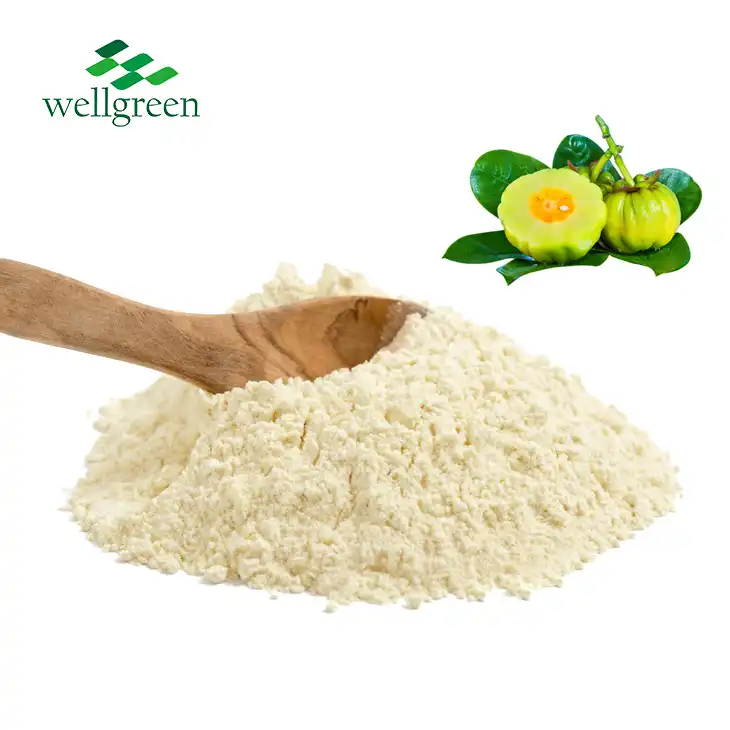
Combination products that combine polyphenols with Garcinia cambogia, chromium, or conjugated linoleic acid (CLA) are still the most popular way to use these ingredients. Supporting marketing claims with clinical evidence increases demand for high-EGCG grades (≥45%) that match the doses used in published research. Private label makers can use ready-to-use formulations that cut down on time to market and use proven effectiveness data.
The field of cognitive health is opening up new opportunities. L-theanine, which is found naturally in tea, works with the mild amount of caffeine to help you stay calm and focused without getting jittery. Brands that market their products for studying, gaming, or work-related efficiency mix 150–200 mg of polyphenols with 100 mg of L-theanine. This makes their products stand out from traditional stimulants.
Cardiovascular support products are made for older people who are worried about their cholesterol levels and the health of their arteries. Polyphenols mixed with omega-3 fatty acids, CoQ10, or plant sterols can help with a number of cardiovascular risk factors all in one product. This move toward all-inclusive formulas makes it harder to find ingredients, but it gives consumers better value.
Cosmeceutical Applications and Formulation Stability
At active amounts of 1% to 3%, anti-aging serums use EGCG's ability to stop MMP and protect against UV light. The hardest part of formulating is keeping oil-in-water emulsions from turning brown due to oxidation. Some methods that work well are using antioxidant stabilizers like vitamin E and ferulic acid, putting the food in dark packaging to keep light out, and keeping the pH level just slightly acidic.
Polyphenols are added to sunscreens as extra photoprotectants, along with chemical or mineral UV blockers. This combined method deals with the production of reactive oxygen species that happens even when sunscreen is used, giving products better "beyond SPF" protection stories. Different markets have different rules about these claims; some accept them with proof, while others don't.
Haircare products are meant to protect the skin and hair follicles from outside factors that can damage them. Shampoos and scalp serums use 0.5 to 1% polyphenol concentrations, which balance how well they work with how the product looks. Tea polyphenols and zinc pyrithione or selenium sulfide are combined in anti-dandruff products to provide dual-action options that appeal to natural-minded customers looking for effective treatments.
Conclusion
The strategic value of incorporating high-quality tea polyphenols into product portfolios extends across nutraceutical, functional food, and cosmeceutical sectors. Procurement success depends on understanding the interplay between polyphenol concentration, caffeine content, solubility characteristics, and application-specific requirements. Suppliers offering customization flexibility—adjustable specifications from 30% to 98% polyphenols, decaffeinated options, and particle engineering—enable brands to differentiate products while maintaining consistent quality. The growing consumer preference for clean-label, science-backed ingredients positions this botanical green tea extract as a cornerstone ingredient for manufacturers seeking competitive advantage through natural efficacy and global market recognition.
FAQ
What EGCG concentration is optimal for weight management supplements?
Clinical studies supporting metabolic benefits typically use 300-500 mg EGCG daily, which translates to approximately 600-800 mg of a 50% polyphenol extract or 300-500 mg of a 90%+ high-purity grade. The choice depends on capsule size constraints and desired serving sizes.
How does caffeine content affect product positioning?
Standard extracts containing 3-8% caffeine suit energy and thermogenic products, while decaffeinated versions (<1%) cater to evening-use supplements or caffeine-sensitive consumers. Custom caffeine adjustment enables precise targeting of specific market segments without reformulation.
What causes color instability in beverage applications?
Polyphenol oxidation in aqueous systems produces browning, particularly at neutral-to-alkaline pH or with metal ion exposure. Solutions include acidic pH buffering (3.0-4.5), chelating agents (EDTA), and specialized water-soluble grades engineered for beverage stability.
Are there specific testing requirements for cosmetic applications?
Beyond standard purity testing, cosmetic applications require preservative efficacy testing, stability studies under temperature cycling, and patch testing for dermal safety. Particle size specifications differ from nutritional applications—typically requiring finer grades (<80 mesh) for smooth emulsion integration.
Partner with a Trusted Green Tea Extract Supplier
Wellgreen Technology specializes in manufacturing premium botanical extracts that meet the rigorous demands of nutraceutical, functional food, and cosmeceutical industries. Our GMP-certified facilities produce customized polyphenol specifications ranging from 30% to 98%, with precise caffeine control tailored to your formulation requirements. We maintain substantial inventory to ensure supply continuity, support OEM projects with formulation expertise, and provide comprehensive testing documentation including CoA and third-party verification. Whether developing functional beverages requiring water-soluble grades or high-potency capsules demanding pharmaceutical-grade purity, our technical team collaborates closely to optimize your product development timeline. Contact us at wgt@allwellcn.com to discuss your specific sourcing needs and discover how our green tea extract powder capabilities can enhance your product portfolio.
References
Chacko, S. M., Thambi, P. T., Kuttan, R., & Nishigaki, I. (2010). Beneficial effects of green tea: A literature review. Chinese Medicine, 5, 13.
Hursel, R., Viechtbauer, W., & Westerterp-Plantenga, M. S. (2009). The effects of green tea on weight loss and weight maintenance: a meta-analysis. International Journal of Obesity, 33(9), 956-961.
Katiyar, S. K., & Elmets, C. A. (2001). Green tea polyphenolic antioxidants and skin photoprotection. International Journal of Oncology, 18(6), 1307-1313.
Lambert, J. D., & Yang, C. S. (2003). Mechanisms of cancer prevention by tea constituents. Journal of Nutrition, 133(10), 3262S-3267S.
Rains, T. M., Agarwal, S., & Maki, K. C. (2011). Antiobesity effects of green tea catechins: a mechanistic review. Journal of Nutritional Biochemistry, 22(1), 1-7.
Zaveri, N. T. (2006). Green tea and its polyphenolic catechins: medicinal uses in cancer and noncancer applications. Life Sciences, 78(18), 2073-2080.