Ginger Extract: Benefits, Immune Support & Complete Guide
2026-05-22 14:00:00
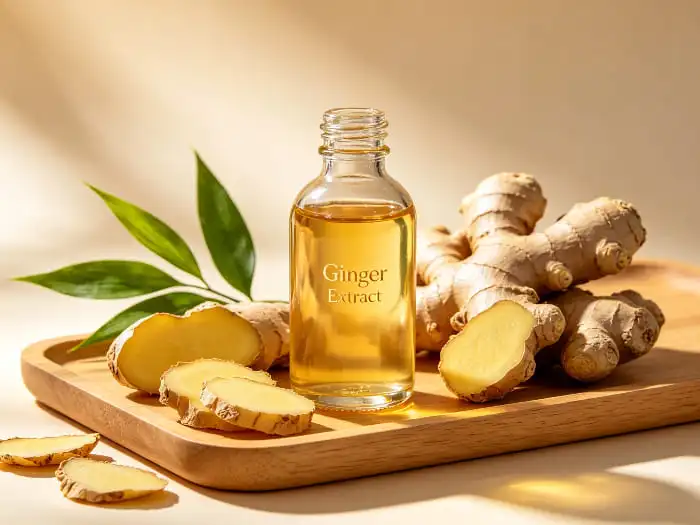
Ginger extract is one of the most useful and scientifically proven plant-based ingredients that can be used to make current products. This concentrated bioactive substance comes from the rhizomes of Zingiber officinale and has strong health effects. It also gives manufacturers consistent quality and functional properties. Ginger extract is a natural plant-based ingredient that is known all over the world. It is used in the nutraceutical, medicinal, food and beverage, and cosmetic industries for a variety of purposes, including immune support and digestive health. Product developers and procurement workers can make smart choices that meet both market needs and government rules when they know about a material's properties, where to get it, and how it could be used.
Understanding Ginger Extract and Its Health Benefits
During the extraction process, raw ginger rhizomes are turned into concentrated powders or oleoresins that contain only the best bioactive chemicals. This way of making things solves a big problem that formulators have: getting constant potency, which is something that raw ginger powder can't do.
Extraction Methods and Bioactive Compounds
Modern methods of extraction include supercritical CO2 extraction and methods based on ethanol. Each has its own benefits for certain uses. Supercritical CO2 extraction keeps volatile oils and heat-sensitive chemicals safe, giving full-aroma extracts that are great for use in drinks. When gingerol is extracted with ethanol, it makes high-concentration extracts that can be put into capsules and used in food supplements.
Gingerols (especially 6-gingerol, 8-gingerol, and 10-gingerol) and their dried forms, shogaols, are the main bioactive components. Gingerol levels in standard extracts in the industry are usually between 5% and 20%, as measured by HPLC. Higher concentrations allow for smaller dosage forms in pharmaceutical and nutraceutical goods. Consumers know ginger for its pungent smell and healing qualities, which come from these compounds.
Immune System Enhancement and Anti-Inflammatory Properties
Clinical study shows that gingerol compounds change the immune system in more than one way. Studies in reputable journals show that these bioactives boost the activity of macrophages and help keep the balance of cytokines, which helps the body's natural defenses. This scientific support gives supplement brands that want to reach health-conscious customers more confidence in their immune support claims.
The anti-inflammatory effect of ginger extract comes from blocking COX-2, which is similar to how pharmaceutical NSAIDs work but is safer. Standardized extracts are especially useful for joint health formulations because they give bioactives consistently, which backs up what the label says. This well-documented effectiveness is good for companies that make supplements for people with inflammation and movement issues.
Digestive Support and Gastrointestinal Wellness
Ginger extract is one of the most popular gut support ingredients in the world. It helps with nausea, gas, and stomach pain. Over 60 clinical studies have shown that the compounds help by increasing the production of digestive enzymes and speeding up the emptying of the stomach. With so much evidence to back them up, supplement companies can safely put their products in the digestive health category.
It can help with a wide range of digestive problems, from occasional nausea to promoting healthy inflammatory reactions in the gut lining. Manufacturers of functional foods use ginger extract in meal replacements and digestive health drinks because it tastes good and has health benefits that people already know and trust.
Sourcing and Quality: Selecting the Best Ginger Extract for Your Business
Quality buying has a direct effect on how well a product works, how well it meets regulations, and how well a brand is known. Procurement teams can get ingredients that meet strict manufacturing standards when they know the differences between the types of raw materials and what suppliers can do.
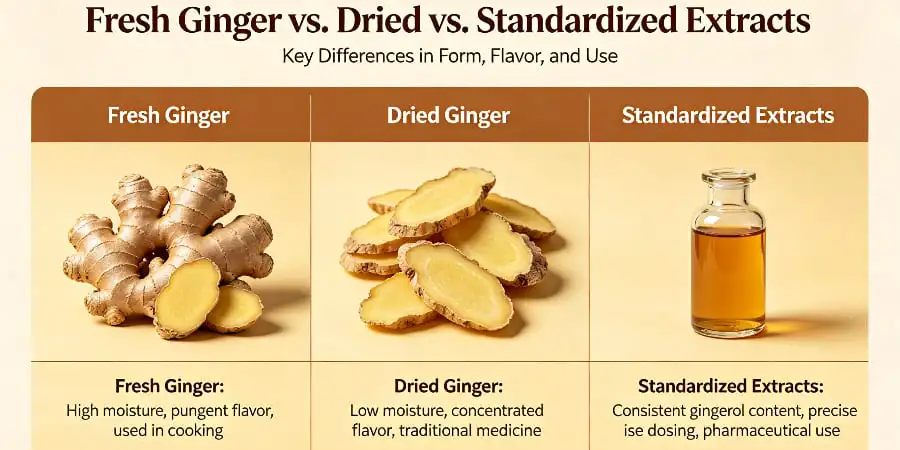
Fresh Ginger vs. Dried vs. Standardized Extracts
Fresh ginger rhizomes are mostly water and have a great taste, but they are hard to standardize and keep fresh on the shelf. While ground dried ginger has a longer shelf life, the potency of different batches changes a lot, which makes formulation inconsistencies that make quality control harder.
Standardized extracts get rid of these problems by guaranteeing certain amounts of gingerol, even if the raw material changes with the seasons or where it comes from. Because of this, manufacturers can be sure of the same results every time they make something, which is what pharmaceutical and nutraceutical uses need for batch-to-batch reliability. Because it is concentrated, it is cheaper to ship and takes up less space than raw materials of the same amount.
Organic Certification and Clean Label Requirements
To meet customer expectations for chemical-free ingredient lists, more and more high-end food and drink brands need to be certified organic. Organic ginger extract powder grown according to USDA NOP or EU Organic guidelines gets rid of worries about pesticide residue and commands a higher price in the market.
The "clean label" trend is more than just organic certification. It also includes ways of processing and carrying the food. Versions of ginger extract that dissolves in water use clean production methods that don't use manmade solvents, meeting the needs of health-conscious customers who want to know the truth. When suppliers offer a range of specification choices, brands can choose the certification profile that best fits how they position themselves in the market.
Supplier Evaluation Checklist
Several important factors determine the viability of a partnership when evaluating possible suppliers. Certifications like ISO 9001, GMP, and HACCP show dedication to quality management systems that are necessary for making medicines and supplements. The tracking that regulatory managers need comes from testing records from a third party that include heavy metals, microbiology, and pesticide residues.
The ability to provide technical help is just as important. Product makers can fine-tune formulations for specific uses with the help of suppliers who offer different gingerol specifications, solubility customization, and pungency control. The problem of making consumer products that are both therapeutically effective and tasty can be solved by making flavor-optimized versions. Supply chain stability, shown by consistent availability and flexible minimum order quantities, keeps output from stopping, which could hurt relationships with customers and market share.
Practical Applications of Ginger Extract in Various Industries
Because ginger extract can be used for many different things, it opens up possibilities in many different manufacturing sectors, each with its own set of technical requirements and performance standards.
Functional Beverages and RTD Products
The fastest-growing use for ginger extract is in ready-to-drink health shots, ginger beers, and functional waters. For these items to do well in the market, they need certain technical properties. With water-soluble versions, the oil separation called "ringing" that makes clear drinks look bad is stopped.
Stability in acidic settings (pH 3.0-4.0) makes sure that the smell stays the same over time without fermentation changing. Extracts designed to give drinks the recognizable ginger bite that customers expect while keeping the drinks' brightness and mouthfeel are useful for beverage makers. Because quality extracts are thermally stable, they can survive pasteurization processes. This means that ambient-stable products can be sold in more places.
Dietary Supplements and Nutraceuticals
High-potency extracts are used by companies that make capsules and softgels to reduce the size of the pills while still giving clinically useful doses. A 20% gingerol extract makes it possible for a 500 mg pill to contain 100 mg of active compounds, which is what the label says it will do to help with digestion or reduce inflammation. This concentration edge takes into account the fact that people like smaller, easier-to-swallow dosage forms.
Increasing bioavailability by using piperine or lipid-based delivery systems together makes the effects even stronger, which helps brands set their goods apart in competitive categories. Because oleoresin types are lipophilic, they easily mix with softgel matrices and provide the best absorption profiles, as shown in pharmacokinetic studies.
Cosmetics and Topical Formulations
The anti-inflammatory and circulation-improving benefits of ginger root extract are used in beauty and personal care. Skin study has shown that this ingredient improves the health of hair follicles and increases blood flow to the scalp. It is used in hair growth serums for this reason. Warming massage gels and pain relief balms use the rubefacient qualities that make thermoreceptors work so that you can feel therapeutic heat.
It's important to pay close attention to reducing the amount of terpenes in the formula so that the warming effect is balanced with the risk of skin sensitivity. Through strict testing on the skin, cosmetic chemists work with suppliers to find the best concentrations of antioxidant 6-shogaol that offer the most benefits while also lowering the risk of irritation.
Food Applications and Functional Ingredients
Food companies use ginger extract in more than just drinks. They also put it in protein mixes, snack bars, and functional candies. There are two uses for this ingredient: it adds a complex taste and has health benefits that back up the claims made on the package. Because they are naturally antibacterial, they also help keep organic meats and baked goods fresh longer, so they can still meet clean label requirements.
Storage, Handling, and Shelf Life Best Practices for Ginger Extract
Keeping bioactive stability during storage and distribution saves the investment in high-quality ingredients and makes sure that the final product works well.
Optimal Storage Conditions
Controlling the temperature is the most important thing for keeping gingerol levels over time. Gingerols are protected from thermal degradation that turns them into less bioactive chemicals when stored at 15 to 25°C in containers that can't be opened. Controlling the humidity below 60% RH stops the uptake of water, which can cause powders to harden and microbes to grow.
The choice of packaging has a big effect on stability. Light exposure speeds up the breakdown of compounds, but opaque containers or metalized pouches stop it. During packing, nitrogen flushing gets rid of oxygen that would otherwise oxidize sensitive parts, especially in oleoresin forms that have volatile oils in them.
Bulk Storage and Logistics Considerations
Setting up designated storage areas with environmental monitoring systems is helpful for manufacturers who deal with large amounts. Changes in temperature during transport, especially in the summer, can damage materials before they get to the production sites. Working with transportation partners who know how to handle botanical ingredients will make sure that the temperature chain stays in good shape.
Inventory management methods that limit the time items are stored and follow the "first-in, first-out" rule keep old items from getting into output streams. Setting up quality deals with sellers that include guarantees for retest dates and stability is another way to protect procurement investments.
Conclusion
Ginger extract stands as a scientifically validated, commercially mature ingredient that meets the evolving demands of health-conscious consumers and stringent regulatory environments. Its proven efficacy in immune support, digestive wellness, and anti-inflammatory applications, combined with technical versatility across supplement, beverage, food, and cosmetic formulations, positions it as a strategic ingredient for product innovation. Successful implementation requires careful attention to sourcing quality, supplier capabilities, and application-specific technical requirements. By understanding extraction methods, standardization levels, and storage best practices, manufacturers can leverage this globally recognized botanical to create products that deliver both functional benefits and market differentiation in competitive categories.
FAQ
Is ginger extract safe during pregnancy?
Pregnant women have used ginger traditionally for morning sickness relief, and clinical studies support this application at moderate doses. Research indicates that 1g daily of standardized extract appears safe during pregnancy when used under healthcare provider guidance, though consultation remains essential for individual circumstances.
What distinguishes fresh ginger from dried extract in terms of efficacy?
Fresh ginger delivers volatile aromatic compounds and enzymes that degrade quickly, making standardization difficult. Dried extracts concentrate bioactive gingerols and shogaols to specific levels, providing consistent potency essential for therapeutic applications. Extracts standardized to 5-20% gingerols offer predictable effects that fresh ginger cannot match.
How should ginger extract be stored to maintain potency?
Store powder forms in sealed, opaque containers at room temperature (15-25°C) in low-humidity environments. Avoid direct sunlight and heat exposure. Properly stored extracts maintain potency for 24-36 months, though verification through periodic testing ensures bioactive stability throughout this period.
Partner with Wellgreen for Premium Ginger Extract Solutions
Wellgreen Technology operates as a professional ginger extract manufacturer serving the global nutraceutical, pharmaceutical, beverage, and cosmetic industries. Our GMP-certified facility produces multiple gingerol specifications tailored to your exact formulation requirements, from 5% standardized extracts for beverage applications to 20% high-potency concentrations for supplement encapsulation. We provide critical advantages including pungency control customization, water-soluble formulations for clear beverage systems, and flavor-optimized versions that balance therapeutic benefits with consumer palatability. Our OEM support includes formulation assistance, ensuring your products achieve targeted sensory and functional profiles while maintaining batch consistency across production runs. Contact our technical team at wgt@allwellcn.com to discuss your project specifications and discover how our stable supply capabilities support your market success.
References
Bode AM, Dong Z. "The Amazing and Mighty Ginger." Herbal Medicine: Biomolecular and Clinical Aspects, 2nd edition, CRC Press, 2011.
Mashhadi NS, Ghiasvand R, Askari G, et al. "Anti-oxidative and anti-inflammatory effects of ginger in health and physical activity: review of current evidence." International Journal of Preventive Medicine, 2013.
Palatty PL, Haniadka R, Valder B, et al. "Ginger in the prevention of nausea and vomiting: a review." Critical Reviews in Food Science and Nutrition, 2013.
Grzanna R, Lindmark L, Frondoza CG. "Ginger—an herbal medicinal product with broad anti-inflammatory actions." Journal of Medicinal Food, 2005.
Rahmani AH, Shabrmi FM, Aly SM. "Active ingredients of ginger as potential candidates in the prevention and treatment of diseases via modulation of biological activities." International Journal of Physiology, Pathophysiology and Pharmacology, 2014.
Semwal RB, Semwal DK, Combrinck S, Viljoen AM. "Gingerols and shogaols: Important nutraceutical principles from ginger." Phytochemistry, 2015.