Turmeric Extract: The Golden Superfood for Everyday Health
2026-05-21 14:38:13
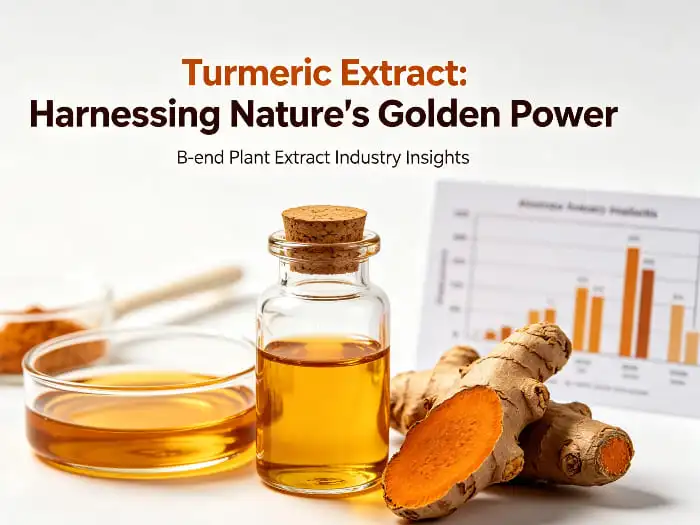
Turmeric extract has evolved from a traditional spice into a cornerstone ingredient for the modern nutraceutical industry. Derived from the rhizomes of Curcuma longa, this concentrated botanical delivers standardized curcuminoid levels—typically 95%—far exceeding the 2-5% found in raw turmeric powder. As product developers and procurement directors face mounting pressure to formulate efficacious, clean-label products, understanding the technical specifications, bioavailability challenges, and application versatility of this golden superfood becomes essential for maintaining competitive advantage in global health markets.
Introduction to Global B2B Procurement in Botanical Extracts
Global B2B procurement in the botanical extract sector requires balancing scientific rigor with supply chain reliability. The nutraceutical industry relies on partners who understand that sourcing curcumin-rich extracts involves more than price negotiation. Effective procurement strategies center on supplier capabilities—specifically their testing protocols, batch-to-batch consistency, and regulatory compliance infrastructure. Companies that prioritize these factors reduce formulation risks and accelerate time-to-market.
The Strategic Importance of Quality Sourcing
Quality sourcing directly impacts product efficacy and brand reputation. When procurement teams select turmeric extract suppliers with GMP-certified facilities and comprehensive COA documentation, they mitigate contamination risks and ensure regulatory alignment. This approach creates supply chain stability that supports long-term brand partnerships and consumer trust.
Connecting Science with Commercial Viability
The intersection of scientific validation and commercial scalability defines successful botanical procurement. Standardized curcuminoid content enables precise dosage formulation across capsules, beverages, and topical applications. Suppliers offering varied curcumin concentrations—from functional food grades to pharmaceutical-grade 95% extracts—provide the flexibility needed for diverse product lines and market segments.
Key Challenges in International Procurement of Turmeric Extracts
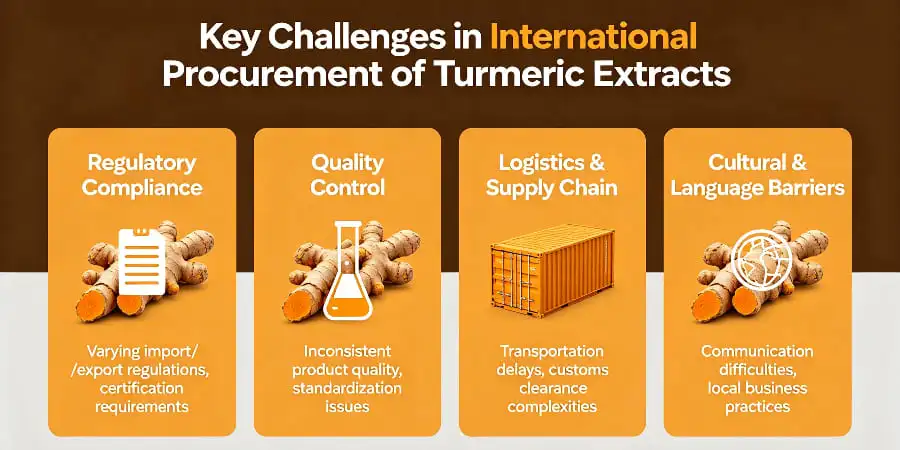
Sourcing botanical extracts internationally presents distinct challenges that extend beyond traditional supply chain concerns. Regulatory landscapes vary dramatically between the US FDA framework and European Novel Foods regulations, requiring suppliers to maintain multiple certifications simultaneously. Curcumin's inherent instability under certain pH conditions and light exposure adds technical complexity to storage and transportation protocols.
Bioavailability and Formulation Complexity
Low bioavailability remains the primary technical hurdle for curcumin applications. Native curcuminoids exhibit poor water solubility and rapid metabolism, limiting their therapeutic potential. Procurement professionals must evaluate suppliers offering absorption-enhancement solutions—such as piperine co-formulations or micronized delivery systems—that increase systemic availability by up to 2,000%. This consideration directly influences finished product performance and consumer satisfaction.
Contamination Control and Analytical Rigor
Heavy metal contamination and pesticide residues pose significant risks in botanical sourcing. Lead levels exceeding 0.5 ppm or arsenic above 1.0 ppm can trigger product recalls and regulatory penalties. Reliable suppliers implement multi-stage testing using HPLC, ICP-MS, and microbiology panels, ensuring compliance with USP standards and organic certifications when applicable. These quality controls protect brand integrity and consumer safety.
Best Practices for Optimizing Procurement Strategy
Strategic procurement in the botanical curcumin powder market demands a data-driven approach that evaluates suppliers across multiple dimensions. Effective practices begin with supplier segmentation based on production capacity, technical support capabilities, and regulatory track records. Contract standardization around specification sheets—detailing curcuminoid ratios, moisture content, and particle size distribution—eliminates ambiguity and establishes clear performance benchmarks.
Leading nutraceutical brands implement dual-sourcing strategies to manage supply continuity without compromising quality standards. This approach balances risk while maintaining negotiating leverage. Transparency becomes paramount when suppliers provide batch traceability through cultivation records, extraction methodologies, and stability testing data. These practices enable procurement teams to respond quickly to formulation adjustments or regulatory updates.
Custom Specifications for Competitive Differentiation
Custom formulation support distinguishes exceptional suppliers from commodity providers. Whether developing water-dispersible curcumin for RTD beverages or designing sustained-release capsules for joint health supplements, technical collaboration accelerates product innovation. Suppliers offering application guidance—including pH stability recommendations and excipient compatibility testing—reduce R&D timelines and formulation failures.
Cost Management Through Volume Planning
Volume planning directly impacts procurement economics without sacrificing quality parameters. Establishing minimum order quantities that align with production forecasts prevents inventory obsolescence while securing favorable pricing structures. Suppliers offering flexible MOQ arrangements accommodate both established brands scaling operations and emerging companies testing market viability.
Leveraging Technology for Procurement Efficiency
Digital transformation reshapes botanical extract procurement through enhanced transparency and operational efficiency. Advanced supplier management platforms now integrate real-time inventory tracking, automated compliance documentation, and predictive analytics for demand forecasting. These systems reduce manual errors and accelerate approval workflows across regulatory, quality assurance, and purchasing departments.
Blockchain technology emerges as a powerful tool for verifying organic certifications and traceability claims throughout the supply chain. When suppliers implement blockchain-enabled systems, procurement teams gain immutable records of cultivation practices, extraction methods, and quality testing results. This transparency becomes particularly valuable when addressing consumer concerns about ingredient authenticity and sustainability.
Artificial intelligence applications streamline supplier evaluation by analyzing historical performance data, identifying quality trends, and predicting supply disruptions. These capabilities enable procurement professionals to make proactive decisions rather than reactive adjustments, maintaining production continuity even during agricultural crop variations or geopolitical disruptions.
Integration with Formulation Development Systems
Modern procurement efficiency extends into R&D collaboration through integrated platforms that share technical specifications, stability data, and formulation recommendations. When suppliers provide digital access to application studies and compatibility matrices, product developers accelerate prototype testing and reduce reformulation cycles. This technological synergy enhances innovation velocity across the product development lifecycle.
Sustainability and Compliance in Procurement
Environmental stewardship and regulatory compliance have transitioned from optional considerations to mandatory requirements in botanical extract procurement. ISO certifications, organic farming protocols, and ethical sourcing standards now influence purchasing decisions as significantly as pricing and quality metrics. Brands committed to ESG principles seek suppliers demonstrating carbon footprint reduction initiatives and fair labor practices throughout cultivation and processing operations.
Compliance complexity intensifies as regulations evolve across markets. The US market demands different documentation than European buyers, while organic certification requirements vary between USDA and EU standards. Suppliers maintaining multiple certifications—including GMP, ISO 22000, and HACCP—provide procurement teams with the flexibility to serve diverse geographic markets without managing multiple supply chains.
Pesticide Residue Management
Agricultural practices directly impact final product purity. Suppliers implementing integrated pest management systems and organic cultivation methods minimize pesticide contamination risks. Regular residue testing against California Prop 65 limits and EU maximum residue levels ensures products meet the strictest global standards, protecting brand reputation and consumer health.
Carbon Neutrality and Waste Reduction
Progressive suppliers adopt carbon-neutral curcumin powder processes and waste minimization protocols that align with corporate sustainability goals. Solvent recovery systems, renewable energy integration, and by-product repurposing demonstrate environmental commitment that resonates with conscious consumers and supports brand positioning in premium market segments.
Building Trust with Global Suppliers
Long-term partnerships with botanical extract suppliers depend on mutual transparency and collaborative problem-solving. Establishing clear communication channels regarding specification changes, market trends, and regulatory updates creates alignment that benefits both parties. Performance metrics extending beyond pricing—such as batch consistency scores, documentation accuracy rates, and technical support responsiveness—foster accountability and continuous improvement.
Cultural understanding plays an underappreciated role in international procurement relationships. Recognizing differences in business communication styles, quality expectations, and negotiation approaches reduces misunderstandings and builds respect. Suppliers who invest in customer education—providing formulation workshops, market insights, and regulatory updates—demonstrate commitment beyond transactional relationships.
Technical Support as a Partnership Foundation
Exceptional suppliers function as technical partners rather than mere ingredient vendors. When formulation challenges arise—whether addressing beverage sedimentation issues or optimizing capsule disintegration rates—responsive technical teams accelerate solutions. This collaborative approach transforms procurement relationships into strategic alliances that drive innovation and market responsiveness.
Quality Consistency Through Process Validation
Validated extraction and standardization processes ensure batch-to-batch consistency that formulation teams depend on. Suppliers documenting process controls, conducting stability studies, and implementing statistical process control methodologies provide the reliability necessary for scaled production. This consistency eliminates costly reformulation efforts and maintains product performance across manufacturing runs.
Practical Applications Across Industry Sectors
Curcumin's versatility extends across multiple product categories, each presenting unique formulation requirements. Joint health supplements constitute the largest market segment, where anti-inflammatory properties support mobility and post-exercise recovery. These applications typically combine 95% curcuminoid extracts with black pepper extract to enhance absorption, delivering therapeutic dosages in convenient capsule formats.
Functional beverage applications require specialized water-dispersible or cold-water-soluble forms that maintain color stability and prevent sedimentation. Golden milk powders, wellness shots, and fortified teas leverage curcumin's antioxidant profile while addressing formulation challenges through microencapsulation or liposomal delivery systems. These formats expand market reach to consumers seeking convenient, on-the-go wellness solutions.
The cosmeceutical sector utilizes decolorized or low-staining curcumin fractions in anti-aging serums, brightening creams, and soothing masks. These applications prioritize gentle efficacy profiles that reduce inflammation and oxidative stress without causing skin discoloration. Suppliers offering customized concentration ranges enable cosmetic chemists to optimize active levels for specific skin concerns and product textures.
Conclusion
The strategic procurement of turmeric extract demands technical expertise, quality vigilance, and collaborative supplier relationships. As nutraceutical brands, pharmaceutical manufacturers, and functional food producers navigate increasing regulatory complexity and consumer expectations, partnering with suppliers who demonstrate analytical rigor, formulation support, and sustainable practices becomes non-negotiable. The golden superfood's market prominence continues growing, driven by robust scientific validation and versatile application potential across health and wellness categories. Procurement decisions made today establish the foundation for product efficacy, brand reputation, and competitive positioning in tomorrow's dynamic marketplace.
FAQ
What curcuminoid concentration is optimal for dietary supplements?
Professional formulations typically utilize 95% curcuminoid extracts standardized by HPLC. This concentration delivers therapeutic dosages within reasonable capsule sizes while maintaining cost-effectiveness. Lower concentrations may suffice for functional foods where label claims focus on antioxidant support rather than specific inflammatory pathway modulation.
How does piperine enhance curcumin absorption?
Piperine inhibits hepatic and intestinal glucuronidation pathways that rapidly metabolize curcuminoids. Clinical studies demonstrate absorption increases of up to 2,000% when combining 20 mg piperine with curcumin doses. This synergistic approach enables lower curcuminoid dosages while achieving comparable bioavailability to higher-dose formulations without absorption enhancers.
Can turmeric extract maintain stability in acidic beverages?
Curcumin exhibits pH-dependent stability, degrading rapidly below pH 3.0. Functional beverage applications require microencapsulation or complexation with cyclodextrins to protect curcuminoids in acidic environments. Alternative approaches include buffering systems or selecting pH ranges above 5.0 where native curcumin demonstrates adequate stability for shelf-life requirements.
Partner with Wellgreen for Superior Botanical Solutions
Wellgreen Technology stands as a trusted turmeric extract manufacturer committed to advancing your product development goals through uncompromising quality standards and technical collaboration. Our GMP-certified facilities produce standardized curcuminoid extracts ranging from functional food grades to pharmaceutical 95% specifications, supported by comprehensive testing protocols that control heavy metals, pesticides, and microbial loads. We provide formulation consultation for absorption enhancement systems, beverage applications, and custom concentration requirements that address your specific market positioning. With established inventory management supporting consistent batch availability, we enable the long-term partnerships that nutraceutical brands, OEM manufacturers, and functional food producers require. Contact our technical team at wgt@allwellcn.com to discuss your procurement needs and discover how our analytical rigor, application expertise, and reliable supply chain can elevate your product portfolio in competitive wellness markets.
References
Hewlings, S.J. & Kalman, D.S. (2017). Curcumin: A Review of Its Effects on Human Health. Foods, 6(10), 92.
Prasad, S., Gupta, S.C., Tyagi, A.K., & Aggarwal, B.B. (2014). Curcumin, a component of golden spice: From bedside to bench and back. Biotechnology Advances, 32(6), 1053-1064.
Anand, P., Kunnumakkara, A.B., Newman, R.A., & Aggarwal, B.B. (2007). Bioavailability of curcumin: problems and promises. Molecular Pharmaceutics, 4(6), 807-818.
Pulido-Moran, M., Moreno-Fernandez, J., Ramirez-Tortosa, C., & Ramirez-Tortosa, M.C. (2016). Curcumin and health. Molecules, 21(3), 264.
Kocaadam, B. & Şanlier, N. (2017). Curcumin, an active component of turmeric: effects on health. Critical Reviews in Food Science and Nutrition, 57(13), 2889-2895.
Nelson, K.M., Dahlin, J.L., Bisson, J., Graham, J., Pauli, G.F., & Walters, M.A. (2017). The Essential Medicinal Chemistry of Curcumin. Journal of Medicinal Chemistry, 60(5), 1620-1637.