How to Use Ginseng Extract for Maximum Health Benefits?
2026-05-21 14:38:12
To get the most out of ginseng extract, you need to know how to take the right amount of it. This plant-based ingredient comes from ginseng roots and has potent ginsenosides that help the body use energy and think clearly. Manufacturers and formulators should choose extracts that are standardized to specific ginsenoside concentrations, which are usually between 5% and 30%, and then put them in pills, tablets, functional drinks, or skin creams to get the most benefits. Using the right storage conditions, checking that each batch is consistent, and combining with botanicals that work well together all improve therapeutic outcomes and make sure that the product stays stable across a variety of delivery methods.
Understanding Ginseng Extract: What It Is and How It Works?
The Origins and Processing of Quality Ginseng Extract
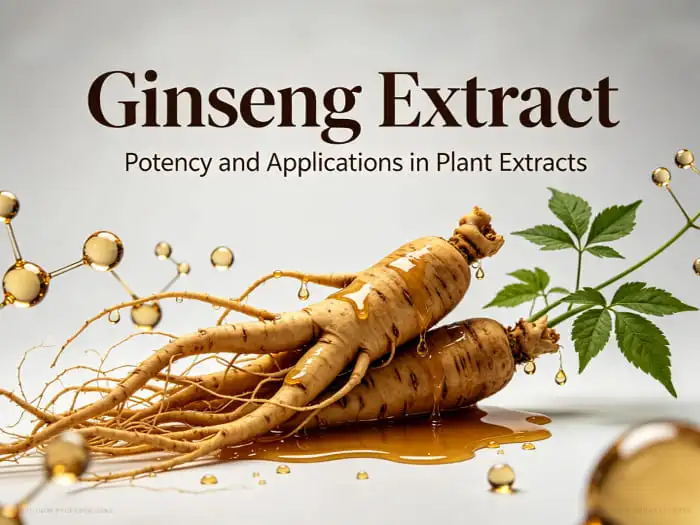
Ginseng extract powder comes from the roots of Panax species, mostly Panax ginseng (also called Asian or Korean ginseng) and Panax quinquefolius (also called American ginseng). This traditional plant ingredient has become very popular in modern B2B markets, especially in formulas that help with energy and in full lines of nutritional supplements. Solvent extraction, filtration, and vacuum drying are all steps in the extraction process that concentrate bioactive substances and get rid of unwanted plant materials. This way of making things solves some of the biggest problems in the business, like the fact that raw materials aren't always the same and that processing big root materials can be hard to do.
High-quality extracts come in fine, hygroscopic powders that are light yellow to pale yellow and smell bittersweet and herbal. Standardization makes sure that the exact amount of ginsenoside is present, which is what sets professional-grade extracts apart from raw root powders. To meet regulatory standards and get predictable therapeutic results, companies that make products for the pharmaceutical, nutraceutical, or functional food industries need this level of consistency.
Ginsenosides: The Active Compounds Behind Health Benefits
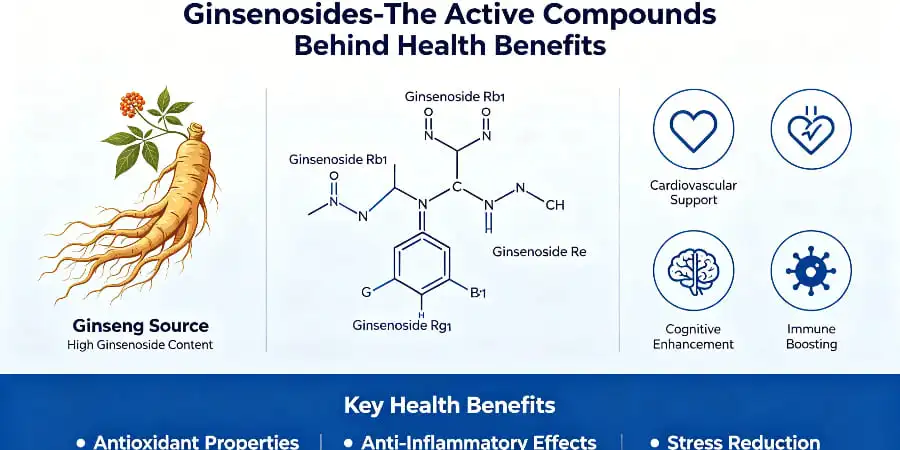
Ginsenosides, which are also called ginseng saponins, are the main beneficial components of ginseng that make it good for you. These triterpenoid compounds affect many physiological processes, including how energy is used, how the immune system responds, and how the body deals with stress. More than 40 different ginsenosides have been studied. Rb1, Rg1, Re, Rc, Rd, and Rb2 have been studied the most.
Asian ginseng usually has higher amounts of Rg1, which helps with its "warming" or yang properties that make you more alert and give you more energy. On the other hand, American ginseng extract has higher amounts of Rb1, which has "cooling" or yin benefits that help with stress management without being too stimulating. This chemistry difference lets product makers pick the right kinds based on health claims they want to make and the types of people who will buy them.
Ginsenosides work in a number of ways, such as by changing the activity of neurotransmitters, improving the function of mitochondria, and controlling the reactions of the hypothalamus, pituitary, and adrenal glands. Because of these pharmacological effects, standardized extracts are useful ingredients for evidence-based wellness formulations because they improve cognitive ability, immune system strength, and metabolic efficiency.
Forms and Applications Across Industry Segments
The botanical ingredient business offers different types of ginseng extract to meet the needs of different production processes. Powders that dissolve in water can be used in drinks, so formulators can add adaptogenic qualities to energy drinks without worrying about sedimentation. Powders that have been extracted with alcohol have higher amounts of ginsenoside and can be used to make capsules for dietary supplements where precise dosing is important.
Granulated forms are better at flowing, which is important for high-speed tableting, and spray-dried forms are more stable in formulations that are sensitive to wetness. Some providers offer liposome-encapsulated versions made for cosmeceutical uses, where better penetration into the skin makes anti-aging skin care products work better.
Functional food companies use ginseng extract powder in protein mixes, nutrition bars, and herbal teas because it is well-known in the market and has been used for a long time. The ingredient can be used in capsules, tablets, gummies, and liquid delivery systems, which makes it appealing to OEM makers who work with a wide range of wellness categories. By knowing these differences in format, procurement teams can choose the right grades that work with the production tools and meet the performance needs of the finished product.
How to Use Ginseng Extract Safely and Effectively?
Dosage Guidelines for Different Product Categories
Setting up the right dosing parameters depends on the level of standardization of the extract and the health results that are wanted. For cognitive enhancement and stress control, clinical studies usually use daily doses between 200 mg and 400 mg of a standardized extract containing 4–7% total ginsenosides. 400 mg to 600 mg per dose is common in energy-boosting formulas, especially when mixed with other adaptogens.
When making drinks with liquid delivery methods, companies need to think about flavor profiles and volume limits. Water-soluble extracts that are standardized to 10–20% ginsenosides allow lower inclusion rates while still being effective. This solves the problem of hiding tastes that comes with high soy protein concentrations. Pharmaceutical companies that make over-the-counter medicines or plant APIs need to validate certain ginsenoside profiles through HPLC testing to make sure that the products are consistent from batch to batch.
When making ginseng-based supplements, product makers should think about ways to improve bioavailability. It is possible to improve absorption rates by mixing extracts with black pepper extract (piperine) or using liposomal delivery methods. The timing of the suggestions is also important. Products that focus on boosting alertness and energy should usually be taken in the morning, while stress-relieving products that use American ginseng's calming effects may be better taken in the evening.
Safety Considerations and Interaction Management
Ginseng extract should be used with caution due to potential interactions and contraindications, despite the fact that it is usually safe when used correctly. People who take blood thinners should be careful because some studies show that ginsenosides may change how platelets stick together. Managing blood pressure is another thing to think about. Asian ginseng may have different effects on cardiovascular parameters than American types.
Pesticide residues and heavy metal contamination are strictly controlled by good suppliers. This addresses safety concerns that have a direct effect on customer trust and regulatory compliance. Manufacturers who are GMP-certified and do full tests for microbiology, solvent residues, and adulterants give pharmaceutical-grade applications the quality guarantee they need.
When making combination formulations, people who make products should think about the possible synergistic effects and stability issues. For stress relief, ginseng works well with rhodiola. For brain health, it works well with ginkgo biloba. When maca or ashwagandha is mixed with other ingredients in energy blends, the formulators have to make sure that the blends are compatible by checking for stability, which checks for color changes, moisture absorption, and active compound breakdown over time.
Optimizing Formulation Stability and Efficacy
To get the most health benefits, you need to pay attention to the technical aspects of composition that affect how bioactive compounds are kept. Because ginseng extract powder is hygroscopic, it needs to be kept dry while it is being made and while it is being stored. Keeping the relative humidity below 60% stops clumping and ginsenoside decay, which lowers the effectiveness of the product.
When making tablets and capsules, choosing excipients that speed up breakdown without letting active compounds out too soon is helpful. Enteric coating technologies keep ginsenosides from breaking down in stomach acid, which makes them more bioavailable in supplement uses that aim for certain absorption windows.
When it comes to pH stability and solubility, beverage makers face special problems. Because energy drinks often have low pH levels, it's important to choose types that dissolve in water but don't form precipitate. Flavor systems have to find a way to make bitter high-ginsenoside products taste good to people who expect them to. Microencapsulation methods are used by some formulators to hide unpleasant taste profiles while keeping the functional properties. Because these technical factors have a direct effect on how well a product works and how happy customers are with it, formulation knowledge is a key differentiator in the wellness market.
Procuring Ginseng Extract: Best Practices for Global B2B Clients
Supplier Verification and Certification Standards
To find trustworthy bulk suppliers, you need to carefully check their quality control systems and their ability to follow regulations. ISO 9001 certification shows that a quality system is being used correctly, while GMP certification focuses on pharmaceutical-grade production controls that are needed for supplement and drug uses. Organic certifications from the USDA, EU, and JAS check that farming practices are followed, but they don't automatically ensure the quality of the ginseng root extract. This is because both farms and factories need their own certifications.
Traceability tools make the whole supply chain clear, from growing the plants to packing them up. Leading suppliers keep thorough batch records that connect specific lots of finished extract to specific harvests of raw materials. These records include where the crops were grown, when they were harvested, and how they were processed. This paperwork is very helpful during quality probes or audits by regulators.
People who want to see proof should include up-to-date COAs with full testing panels, stability studies that back up promises about shelf life, and allergen statements that talk about the risks of cross-contamination. Suppliers who are willing to keep samples for proof by a third party show that they have faith in their quality systems. These ways of checking protect buyers from fake ingredients, fillers that aren't listed, and false claims about potency that hurt the brand's image and lead to more scrutiny from regulators.
Balancing Cost Considerations with Quality Requirements
When negotiating prices, more than just the cost per kilogram must be taken into account. Even though they may seem cheaper at first, lower-potency extracts that need higher inclusion rates may end up being more expensive than concentrated grades. Specialty grades that dissolve in water cost more than regular powders, but they have benefits in formulation that make up for the higher prices in beverage uses.
The choice of sourcing route affects both prices and service levels. Direct relationships with manufacturers usually mean better prices for big orders and the ability to get technical help and make changes. Trading companies might have lower minimum orders and faster shipping, but their costs go up because they add profit layers on top of everything else. Online business-to-business markets let you see prices and choose from a variety of suppliers, but you need to do more research to make sure the quality of the goods you buy.
Long-term value is gained from strategic relationships with certified suppliers through consistent quality, priority allocation during supply shortages, and joint support for product development. When you look at the total cost of ownership, which includes things like quality problems, regulatory risks, and supply interruptions, you'll often find that premium providers are a better deal than the cheapest ones.
Logistics and Storage Best Practices
Ginsenoside's strength and quality stay high as long as it is handled properly throughout the supply chain. Ginseng extract powder should be kept in a cool, dry place that is out of direct sunlight. Keeping the temperature between 15°C and 25°C and the humidity below 60% stops the absorption of water that leads to clumps and encourages the growth of microbes.
Specifications for packaging have a big effect on shelf life. Polyethylene packaging doesn't protect against oxidation as well as multilayer foil-lined bags with sealed nitrogen draining. Large-volume users can save money by shipping in bulk in fiber drums with polyethylene liners. Smaller amounts can benefit from resealable pouches that keep air out when they are opened and closed again and again.
When you buy something from another country, you have to think about things like how to clear customs, making sure you have the right HS code classification, proof of origin, and phytosanitary certificates for agricultural goods. If you know what the target country's rules are about importing botanical ingredients, you can avoid costly delays or rejections of your shipments. Working with experienced freight forwarders who know about the details of nutraceutical ingredients makes it easier to do business across borders and makes sure that items are transported at the right temperature when needed.
Case Studies and Best Practices: Real-World Applications
Successful Product Integration Examples
Leading energy drink makers have added water-soluble ginseng extract standardized to 10% ginsenosides at 300 mg per dose to replace some of the caffeine in their drinks to give people long-lasting energy without making them feel jittery. Consumer feedback studies showed that "clean energy" formulations were better received by consumers than high-caffeine versions, which supports methods for charging higher prices. To keep the formulation from settling in acidic settings, it had to go through a lot of stability tests. This was done using special spray-drying methods.
A well-known company that makes food supplements created a nootropic stack with ginseng extract, ginkgo biloba, and phosphatidylserine to help professionals improve their brain power. The product quickly spread through the market thanks to marketing that was based on evidence and used clinical studies to back up each ingredient. Finding pure extracts with full testing records helped back up what was said on the label and made sure that regulations were followed in many foreign markets.
Cosmetic uses of ginseng root extract show that it can be used for more than just oral nutrition. An Asian skin care company made an anti-aging serum with 2% ginseng extract encapsulated in liposomes. After 12 weeks, clinical tests showed that the serum helped skin elasticity and wrinkle depth. The formula needed a methanol-free extraction method and light color requirements to keep the result from staining. This shows how technical requirements directly affect the possibility of an application.
Cost-Benefit Analysis for Bulk Sourcing
When handled correctly, strategic bulk purchasing can save you a lot of money. A medium-sized supplement company switched from buying on the spot to signing a yearly contract with a certified supplier. By committing to a higher volume, the company was able to save 18% on costs and get priority access to supplies during peak supply times. As part of the relationship, there were business reviews every three months that talked about formula optimization and new market trends.
Making sourcing choices based on quality pays off by lowering the risk of product failure and regulatory issues. One company had to recall an expensive product because low-cost extract from a supplier that wasn't certified had pesticide residues that weren't revealed. Switching to a GMP-certified manufacturer with thorough testing methods raised the cost of raw materials by 12% but got rid of quality problems, which increased profits by improving the brand's image and keeping customers.
When comparing suppliers, purchasing managers should add up all the landed costs, which include freight, customs duties, quality tests, and the cost of keeping inventory on hand. Regional sourcing from near locations may be able to make up for higher unit costs by cutting down on logistics costs and shortening lead times, which makes it easier to keep track of less inventory.
Conclusion
Maximizing the health benefits of ginseng extract requires informed decision-making across sourcing, formulation, and application strategies. Understanding ginsenoside profiles, selecting appropriate standardization levels, and partnering with certified suppliers ensures product efficacy and regulatory compliance. The botanical ingredient's versatility across supplement, beverage, and cosmeceutical applications offers substantial opportunities for brands differentiating through science-backed wellness formulations. Successful implementation depends on rigorous supplier verification, attention to formulation stability parameters, and strategic combination with complementary botanicals. By applying these best practices, procurement managers and product developers can confidently integrate this traditional botanical into innovative wellness products that meet evolving consumer expectations while maintaining competitive market positioning.
FAQ
What is the optimal daily dosage of ginseng extract?
Clinical research supports daily dosages between 200-600mg of standardized extract containing 4-7% total ginsenosides for general wellness applications. Energy support products typically utilize 400-600mg, while cognitive enhancement formulations often employ 200-400mg. Specific dosing should account for extract standardization levels, delivery format, and target health claims, with pharmaceutical applications requiring validation through HPLC testing.
Can ginseng extract interact with blood pressure medications?
Potential interactions exist, particularly with Asian ginseng varieties, that may influence cardiovascular parameters. American ginseng typically presents fewer concerns but still warrants medical consultation for individuals on antihypertensive drugs. Product developers should include appropriate label warnings and work with regulatory consultants to ensure compliant claim substantiation and risk communication.
How can buyers verify the quality of a ginseng extract supplier?
Request current Certificates of Analysis documenting ginsenoside profiles, heavy metal testing, pesticide residue analysis, and microbiological validation. Verify GMP and ISO certifications through independent registrar databases. Evaluate traceability systems linking finished lots to raw material origins. Consider third-party laboratory testing of samples before committing to large purchases, and assess the supplier's willingness to provide retained samples for verification purposes.
Partner with Wellgreen for Premium Ginseng Extract Supply
Wellgreen Technology stands as a trusted ginseng extract manufacturer serving global nutraceutical, pharmaceutical, and functional food industries. Our GMP-certified facility produces standardized extracts with customizable ginsenoside specifications from 5% to 30%, ensuring consistent batch quality through rigorous HPLC testing protocols. We maintain substantial inventory for rapid order fulfillment while offering flexible OEM customization to meet unique formulation requirements.
Our technical team provides comprehensive support, including energy blend formulation recommendations and stability testing guidance. Strict quality controls monitor pesticide residues and heavy metals, delivering clean-label ingredients suitable for diverse applications from dietary supplements to functional beverages. Whether you need water-soluble grades for beverage applications or high-potency powders for encapsulation, our diverse product portfolio addresses varied manufacturing needs.
Contact our procurement specialists at wgt@allwellcn.com to discuss your ginseng extract requirements. We provide detailed product specifications, competitive pricing for bulk orders, and complete documentation supporting regulatory compliance across international markets. Visit wellgreenherb.com to explore our botanical extract catalog and discover how partnering with an experienced supplier streamlines your product development process.
References
Lee, S.M., Bae, B.S., Park, H.W., et al. (2015). Characterization of Korean Red Ginseng: History, preparation method, and chemical composition. Journal of Ginseng Research, 39(4), 384-391.
Qi, L.W., Wang, C.Z., Yuan, C.S. (2011). Ginsenosides from American ginseng: Chemical and pharmacological diversity. Phytochemistry, 72(8), 689-699.
Scholey, A., Ossoukhova, A., Owen, L., et al. (2010). Effects of American ginseng on neurocognitive function: An acute, randomized, double-blind, placebo-controlled, crossover study. Psychopharmacology, 212(3), 345-356.
Kim, J.H., Yi, Y.S., Kim, M.Y., et al. (2017). Role of ginsenosides in the prevention and treatment of chronic diseases. Journal of Ginseng Research, 41(4), 435-443.
Kiefer, D., Pantuso, T. (2003). Panax ginseng: Evaluation of the clinical evidence for therapeutic use and safety. American Family Physician, 68(8), 1539-1542.
Yuan, C.S., Wei, G., Dey, L., et al. (2004). Brief communication: American ginseng reduces warfarin's effect in healthy patients. Annals of Internal Medicine, 141(1), 23-27.