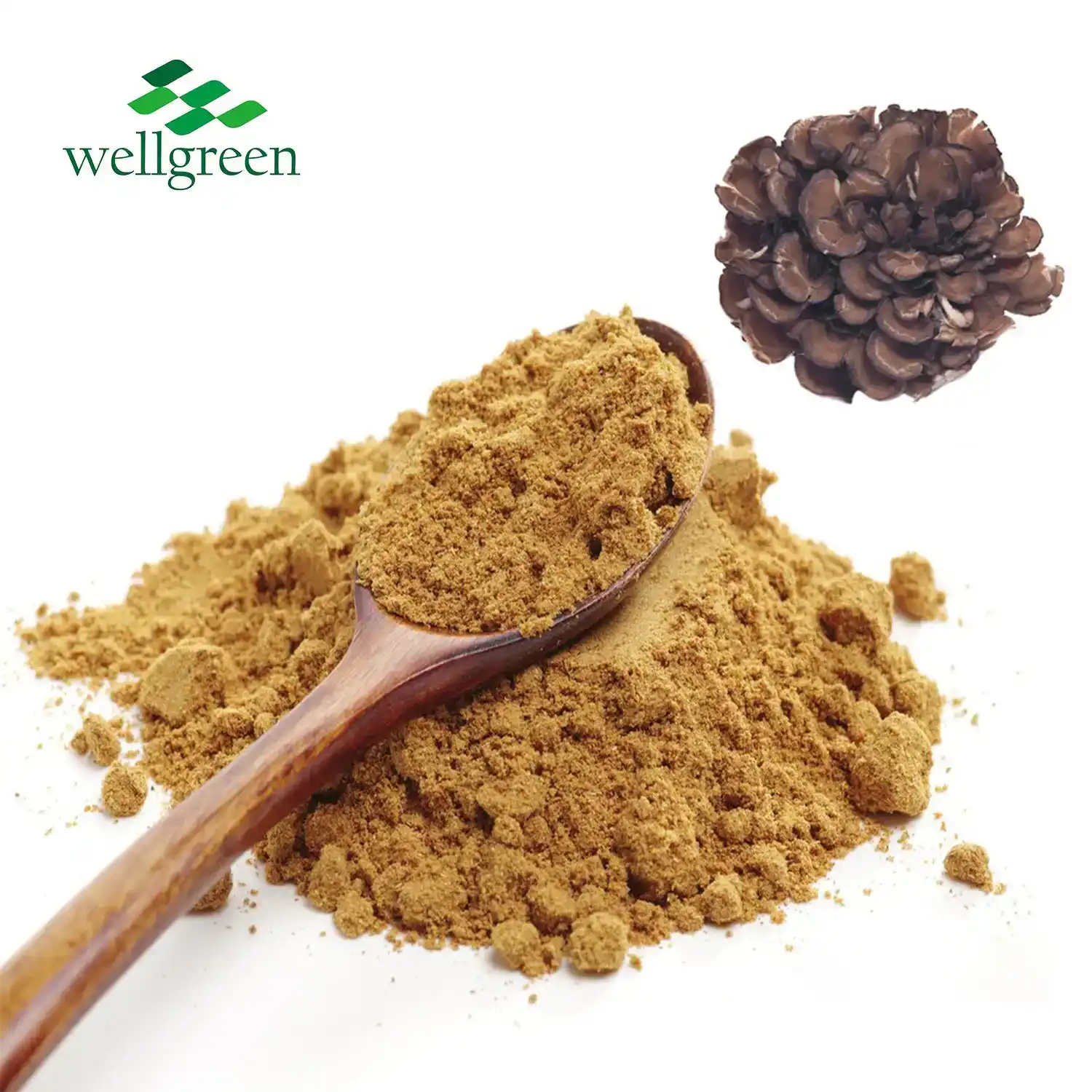
Lion's Mane for Athletes: Boost Focus & Performance
2026-04-30 15:41:01
Athletes are always looking for natural, effective ways to keep their bodies and minds sharp dhttps://www.wellgreenherb.com/organic-products/hericium-erinaceus-powderuring training and competition. Lion's mane extract, which comes from the Hericium erinaceus plant, has become a very useful ingredient for improving performance and brain health. This medicinal mushroom extract is full of bioactive polysaccharides and hericenones, which help neurones grow, reduce mental tiredness, and improve focus. This makes it a great ingredient for sports nutrition products. As the need for brain-health supplements grows around the world, product makers and purchasing teams are becoming more aware of lion's mane extract as a top ingredient for sports-focused capsules, powders, and functional drinks.
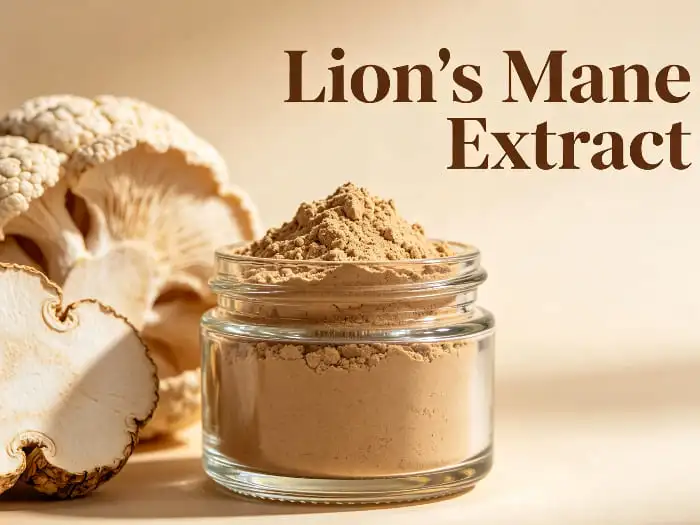
Understanding Lion's Mane Extract and Its Benefits for Athletes
Source and Extraction Process of Lion's Mane
Lion's mane extract comes from the growing body of the medicinal mushroom Hericium erinaceus, which has been used for a long time in Eastern health practices. High-quality extracts, on the other hand, are made by combining pressurised hot water and ethanol in two different extraction methods. This method separates and concentrates important bioactive compounds like hericenones, polysaccharides, and beta-glucans while getting rid of chitin cell walls that the body can't handle. As a result, there is a normal ingredient that is more bioavailable, which means that the active ingredients get to the systemic circulation more quickly. For business-to-business uses, getting the material from fruiting bodies instead of mycelium guarantees more potency and better notice among knowledgeable customers.
Cognitive and Physical Performance Benefits
Athletes need to be mentally and physically strong all the time. Scientists have found that chemicals in lion's mane help make nerve growth factor (NGF), which is good for brain health and mental toughness. Standardised extracts have been shown to help people remember things, think more clearly, and respond faster in studies. These effects have a direct impact on sports performance, leading to better decisions during competitions, more focused training sessions, and less mental fatigue during long periods of physical activity. The polysaccharide content also helps the immune system work better and lowers inflammation, which are very important for athletes who are going through hard training cycles.
Scientific Evidence Supporting Athletic Applications
Hericium erinaceus extracts have been shown in clinical studies to protect neurones and improve brain function. In a study released in Biomedical Research, people who took 750 mg every day for sixteen weeks showed measurable improvements in their cognitive function. Another study showed that the mushroom can lower anxiety and boost happiness, which are both very important for athletes who are under a lot of stress during competition. Even though there haven't been many direct studies on athletes yet, the basic mechanisms—support for neurogenesis, anti-inflammatory effects, and better neural communication—align well with the demands of performance. This scientific basis can help procurement teams that are looking at lion's mane extract for sports nutrition items make claims that are more likely to be true.
Optimal Usage of Lion's Mane Extract for Athletic Performance
Dosage Guidelines and Delivery Formats
For brain support, a daily dose of 500 mg to 1,500 mg of a standardised extract with a polysaccharide content of 20% to 40% is usually enough. For athletes, regularity is important, so taking supplements every day is better than using them sometimes. Delivery forms change depending on what the customer wants and how it will be used. For athletes on structured supplement routines, capsules make it easy to take the right amount of supplements at the right time. Powders can be easily mixed into functional drinks, pre-workout shakes, and protein mixes, giving you more options for how to make them. In ready-to-drink goods, where heat stability and neutral flavour profiles are very important during processing, beverage-grade soluble extracts have become popular.
Strategic Timing and Complementary Stacking
The best results can be achieved by timing supplements around exercise plans. Taking lion's mane mushroom extract in the morning can help keep your mind clear all day, and taking it before a workout may help you concentrate during hard sessions. Some athletes like to eat after a workout to help them heal and deal with stress. When you take nootropics like citicoline or phosphatidylserine with each other, the effects on your brain can be amplified. When you take adaptogens like cordyceps or reishi together, they work on both your mental and physical strength. Product makers who are looking for all-around performance solutions will really like these synergistic formulations.
Safety Considerations and Interactions
The safety profile of lion's mane extract is very good, with few known side effects. People who are sensitive may experience mild stomach pain, especially at higher amounts. There have been no reports of any major drug interactions, but athletes who take anticoagulant medicines should talk to their doctors because interactions could happen. Quality sourcing is still very important: products must meet strict standards for heavy metals and microbes to be safe for long-term use. Purchasing teams should give more weight to sellers who can provide proof of testing at the batch level and certifications like GMP, ISO, and organic credentials. This care lowers the risk and helps markets follow the rules in a variety of situations.
Comparing Lion's Mane Extract with Other Nootropics and Supplements
Extract Versus Whole Mushroom Powder
The difference between pure extract and raw mushroom powder has a big effect on how well it works and what it can be used for. Extracts provide consistent amounts of active compounds, which ensures that label claims are accurate and bioavailability can be predicted. Whole powders have cell walls that are still whole, which makes it harder for our bodies to break down the good carbohydrates. When it comes to price, extracts are more expensive, but they offer more potency per serving, which makes them more cost-effective in formulations that need precise dosing. Extracts are strongly preferred for use in beverages because they dissolve better and stay stable during heat processing. Extracts are often chosen by B2B clients making goods for athletes because they are more effective and make customers happier.
Lion's Mane Versus Established Nootropics
Lion's mane has clear benefits when compared to artificial nootropics like racetams or natural options like Ginkgo Biloba. Lion's mane helps neurones grow by stimulating NGF, which is a way that most other nootropics don't work. Ginkgo Biloba mostly improves blood flow to the brain and protects against free radicals, which are good for many parts of cognitive health. Lion's mane has many benefits for athletes who want to support their brains in a complete way. It can improve memory, stabilise mood, and protect neurones. Another popular botanical nootropic, bacopa monnieri, takes longer (8–12 weeks) of supplementation to show benefits, while lion's mane users often say they feel better within weeks. Athletes and buying teams that are looking for performance-focused customers will like this faster onset.
Organic Certification and Quality Benchmarks
In competitive markets, organic approval is very valuable, especially for athletes who care about their health and people who support clean labels. Certified organic extracts make sure that crops are grown without using manmade fertilisers or pesticides, which is in line with what customers want: purity. Premium goods are defined by their polysaccharide content, beta-glucan concentration, and lack of fillers or adulterants, in addition to being organic. Heavy metals (lead, cadmium, mercury), microbial contamination, and herbicide residues must be tested by a third party to make sure the quality is high. Professionals in purchasing should ask for detailed Certificates of Analysis and make sure that suppliers are open about how they remove materials, where they get their raw materials, and how they can track batches.
Procuring Lion's Mane Extract for B2B Clients: Smart Bulk Purchasing Guide
Essential Quality Criteria and Supplier Certifications
Checking core quality indicators and industry certifications is the first step in finding trusted suppliers. GMP-certified sites show that they follow strict manufacturing controls that keep batches consistent and stop contamination. Organic certifications (USDA, EU Organic) show that farming methods are correct, and ISO certifications (ISO 9001, ISO 22000) show that quality management systems are strong. The standards used for lion's mane mushroom extract are very important. Two-step processes produce higher amounts of bioactive compounds than one-step processes. Suppliers should give thorough information, such as the polysaccharide assay (usually 20–40%), the amount of moisture, the distribution of particle sizes, and the limits for microbes. Premium suppliers can be told apart from commodity suppliers even more by clear paperwork about where the fruit comes from and how real it is.
Pricing Structures and Volume Advantages
When you buy in bulk, you save a lot of money, but the prices change depending on the amount you order, the grade of the extraction, and your certification status. When big buyers negotiate multi-ton contracts, they can get good prices and keep quality standards high. Volume discounts usually start to apply at levels between 100 kg and 1,000 kg, and prices get better as the amount purchased goes up. Price stability clauses are often included in long-term supply deals. These protect buyers from market volatility caused by changes in harvest times or sudden rises in demand. Cost and quality should be balanced by procurement teams, who should avoid sellers whose prices are much lower than the market average, as this could mean that the purity of the raw materials has been compromised.
Building Long-Term Supplier Partnerships
Strategic ties with suppliers go beyond just buying things. When supplies are low, established relationships give customers priority access, help with customising proprietary formulations, and chances to work together on research and development. Reliable suppliers give extra services that make your products more valuable, like private labelling, mixing with other mushroom extracts (like reishi, cordyceps, and chaga), and giving you advice on how to make your products based on your ideas. These features help products stand out in areas with a lot of competition. Clear communication, quick technical help, and the ability to accommodate sample requests for testing new products show that the supplier is committed to a partnership, not just a transaction. Checking how responsive a provider is during the initial enquiry phase can tell you a lot about the quality of service in the long run.

Maximizing the ROI of Lion's Mane Extract in Athlete-Focused Products
Market Positioning and Scientific Validation
Ingredients that have been proven scientifically are becoming more and more important in the sports nutrition market. Brand credibility is increased by marketing strategies that focus on peer-reviewed research, NGF stimulation mechanisms, and clinical trial results. Lion's mane's role as a natural nootropic for "mental endurance" makes sense to athletes who want to get an edge over their competitors without using artificial stimulants. Product designers can use new trends in functional mushroom mixes to their advantage by putting together lion's mane and cordyceps to boost energy and reishi to help with stress. People who are interested in holistic health buy these synergistic formulations at high prices. Targeted marketing works better when it includes educational material about the mental demands of certain sports, like golf, endurance events like marathons, and team sports that need quick decisions.
Emerging Extraction Technologies and Innovation
New technologies in extraction methods offer better effectiveness and long-term viability. Supercritical CO2 extraction keeps heat-sensitive chemicals intact while getting rid of solvent residues, which makes it appealing to markets that want clean labels. By using enzymes to help with extraction, more polysaccharides can be extracted without using harsh chemicals. Fermentation-derived hericenones are another new area of innovation that offers standardised chemical profiles with a smaller impact on the environment. By keeping up with these changes, procurement teams can predict how the market will change and make sure that their buying strategies are in line with new formulations. The world market for functional mushrooms is still growing very quickly, and lion's mane is one of the ingredients that is growing the fastest in cognitive health uses. As consumer demand rises, proactive sourcing puts brands in a good situation.
Conclusion
Lion's mane extract represents a scientifically grounded, market-proven ingredient for athletic performance supplementation. Its cognitive benefits—enhanced focus, memory support, and mental fatigue reduction—address critical needs among competitive athletes and active individuals. Procurement professionals benefit from understanding extraction quality indicators, supplier certification requirements, and strategic formulation opportunities. As consumer interest in natural nootropics intensifies, lion's mane extract offers compelling ROI potential through premium positioning and diverse application formats. Building relationships with certified suppliers who provide consistent quality, transparent documentation, and formulation support ensures long-term success in this dynamic market.
FAQ
What Form of Lion's Mane Extract Works Best for Athletes?
Standardized extracts with 20-40% polysaccharides in capsule or beverage-grade powder formats deliver optimal bioavailability. Capsules suit athletes preferring convenient, precise dosing, while soluble powders integrate seamlessly into functional beverages and protein shakes. Choosing between formats depends on target consumer preferences and product positioning.
Is Long-Term Use of Lion's Mane Extract Safe?
Clinical evidence and traditional use patterns support long-term safety. Adverse effects remain rare and mild, primarily limited to occasional digestive sensitivity. Athletes should source extracts meeting GMP standards with verified purity testing to ensure quality during extended supplementation periods.
How Can Buyers Verify Supplier Quality and Purity?
Request comprehensive Certificates of Analysis documenting polysaccharide content, heavy metal screening, microbial testing, and pesticide residues. Verify certifications (GMP, ISO, organic) through independent registries. Reputable suppliers readily provide batch documentation, extraction method details, and raw material sourcing transparency.
Partner with Wellgreen for Premium Lion's Mane Extract Supply
Wellgreen Technology stands ready to support your product development goals with pharmaceutical-grade lion's mane extract backed by rigorous quality controls and comprehensive certifications. As a GMP-certified lion's mane extract manufacturer, we offer standardized polysaccharide specifications, beverage-grade solubility optimization, and flexible OEM formulation support. Our sourcing emphasizes premium fruiting body material, ensuring superior bioactive compound profiles that meet stringent North American and European market requirements. Whether you need bulk quantities for large-scale manufacturing or customized mushroom blend solutions, our technical team provides dedicated support throughout the development process. Contact us at wgt@allwellcn.com to request samples, discuss custom specifications, or explore our complete botanical extract catalog at wellgreenherb.com.
References
Mori, K., Inatomi, S., Ouchi, K., Azumi, Y., & Tuchida, T. (2009). Improving effects of the mushroom Yamabushitake (Hericium erinaceus) on mild cognitive impairment: a double-blind placebo-controlled clinical trial. Phytotherapy Research, 23(3), 367-372.
Friedman, M. (2015). Chemistry, nutrition, and health-promoting properties of Hericium erinaceus (Lion's Mane) mushroom fruiting bodies and mycelia and their bioactive compounds. Journal of Agricultural and Food Chemistry, 63(32), 7108-7123.
Lai, P. L., Naidu, M., Sabaratnam, V., Wong, K. H., David, R. P., Kuppusamy, U. R., ... & Malek, S. N. (2013). Neurotrophic properties of the Lion's mane medicinal mushroom, Hericium erinaceus (Higher Basidiomycetes) from Malaysia. International Journal of Medicinal Mushrooms, 15(6), 539-554.
Nagano, M., Shimizu, K., Kondo, R., Hayashi, C., Sato, D., Kitagawa, K., & Ohnuki, K. (2010). Reduction of depression and anxiety by 4 weeks Hericium erinaceus intake. Biomedical Research, 31(4), 231-237.
Khan, M. A., Tania, M., Liu, R., & Rahman, M. M. (2013). Hericium erinaceus: an edible mushroom with medicinal values. Journal of Complementary and Integrative Medicine, 10(1), 253-258.
Rossi, P., Cesaroni, V., Brandalise, F., Occhinegro, A., Ratto, D., Perrucci, F., ... & Orrù, G. (2018). Dietary supplementation of lion's mane medicinal mushroom, Hericium erinaceus (Agaricomycetes), and spatial memory in wild-type mice. International Journal of Medicinal Mushrooms, 20(5), 485-494.