Lion's Mane Mushroom Benefits: Boost Brain Health & Cognitive Function
2026-04-29 19:18:45
Lion's mane extract has become a pivotal factor in brain health, especially for the unique neuroprotective compounds it contains, such as polysaccharides, beta-glucans, hericenones, and erinacines. Standardised lion's mane mushroom extract is an important part of nootropics, functional drinks, and clinical nutrition products because these bioactive chemicals work together to help brain function. More and more studies show that it can increase brain clarity, lower neuroinflammation, and boost nerve growth factor production. This makes it an important ingredient for companies that make nutraceuticals and medicines that aim to reach the growing cognitive wellness market.
Understanding Lion's Mane Extract and Its Brain Health Benefits
What Makes Lion's Mane Extract Unique?
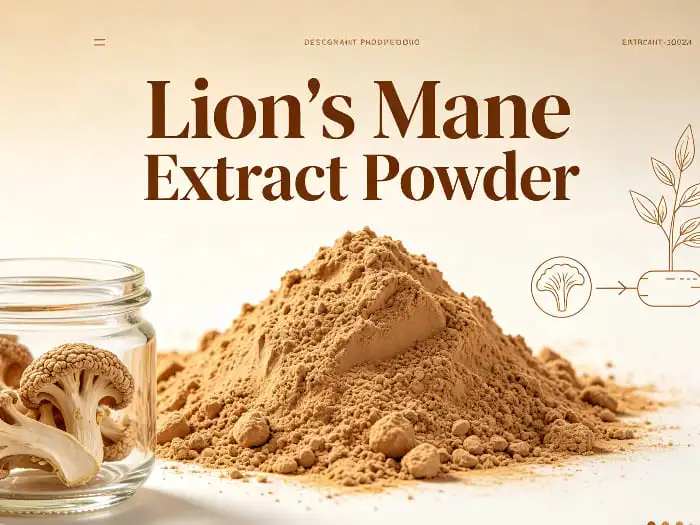
Lion's mane mushroom extract is a concentrated form of Hericium erinaceus. It was made by using both pressurised hot water and ethanol to separate the bioactive ingredients. Professional-grade extracts of mushrooms get rid of the indigestible chitin cell walls that are present in raw mushroom powder. This makes them more bioavailable, which is important for maintaining accuracy in formulations. The standard polysaccharide content, which is usually between 20% and 50%, gives manufacturers the accurate assay amounts they need for labelling their products correctly and following the rules.
The difference between goods made from fruiting body extract and those made from mycelium has a big effect on how well they work and how well they sell. Fruiting body extracts have higher amounts of hericenones and erinacines, which are chemicals that have been directly linked to brain benefits in studies that were reviewed by experts in the field. This difference in quality is very important for procurement teams that are making high-end product lines, since the transparency of the ingredients affects customer trust and brand positioning.
Core Bioactive Compounds and Their Mechanisms
Specifically, hericenones and erinacines are the main active ingredients that help the brain. These chemicals can get through the blood-brain barrier and boost the production of nerve growth factor, a protein that is necessary for neurones to live and synapses to change shape. Studies in evidence-based magazines of complementary medicine show that regular use is linked to better cognitive performance markers, such as memory recall and processing speed.
The extract contains beta-glucans that work with the bacteria to change the immune system, and polysaccharides that help change the gut-brain axis. The anti-inflammatory qualities lower oxidative stress in neural tissues, which takes care of the problems that cause cognitive decline. Together, these mechanisms form a multi-pathway approach to brain health. This makes lion's mane different from single-target nootropics and increases its therapeutic potential across a wide range of areas.
Scientific Evidence Supporting Cognitive Enhancement
Standardised dosing protocols have been used in clinical studies with people who have mild cognitive impairment to show improvements in cognitive function scores. A double-blind, placebo-controlled study showed that people who took lion's mane extract for sixteen weeks did much better on memory tests than people who were in the control group. These results give regulatory managers and product developers the scientific evidence they need to back up promises about brain health.
Animal model studies helps us learn more about the neuroprotective pathways by showing that amyloid-beta plaque formation is slowed down and hippocampal neurogenesis is increased. This kind of information supports using lion's mane mushroom extract in health products that help avoid cognitive decline that comes with getting older. As more evidence builds, pharmaceutical companies can look into how botanicals can be used to make new drugs, and nutraceutical companies can safely sell brain health products that are backed by solid research.
How to Take Lion's Mane Extract for Optimal Benefits?
Dosage Recommendations and Delivery Forms
Dosing guidelines based on evidence usually suggest 500 to 3000 milligrammes of standardised extract every day, but this can change depending on the quantity of polysaccharides and the results that are wanted. Capsule forms allow for exact dosing, which is appealing to supplement companies that care about label accuracy and customer compliance. Powder forms are flexible for functional beverage uses, but the way they dissolve needs to be carefully thought out when the formulation is being made.
Bioavailability and the customer experience are affected by the different delivery methods. Extra steps are taken with beverage-grade extracts to make them water-soluble. This keeps them stable at high temperatures during pasteurisation without breaking down the active ingredients. This new technology solves a major problem for companies that make healthy drinks: they need clean-label ingredients that work reliably in acidic or protein-rich mixtures. Alcohol extraction is used to concentrate lipophilic ingredients in tincture forms, which have fast absorption profiles that work well for sublingual delivery methods.
When you take it affects how well it works; taking it in the morning can help your brain work better during the day, while taking it in the evening might change the way your sleep works. When recommending extract grades and consumption methods, procurement teams working on targeted formulations should think about the end users' goals. The variety of shipping platforms makes it possible to tailor product differentiation strategies to different groups of customers and times when they will be using the product.
Quality Indicators and Certification Standards
Organic certification makes sure that farming methods don't use synthetic pesticides, which meets the needs of health-conscious customers who want clean labels. GMP certification makes sure that the methods used in manufacturing meet the strict quality standards needed for pharmaceuticals. These standards cover things like keeping the facility clean, keeping track of batches, and avoiding contamination. These certifications have a direct effect on how a product is positioned and how easy it is to get into markets, especially in controlled distribution routes that need proof of quality.
Heavy metal testing, microbial limits, and residual solvent analysis are all quality standards that procurement experts will not compromise on. Reliable sellers give full Certificates of Analysis that show the polysaccharide content by HPLC, the percentages of beta-glucan, and the lack of any contaminants. This paperwork makes it easier to send things to the government and helps with the due research that is needed for applications for pharmaceutical APIs and dietary supplements.
Safety Profile and Potential Interactions
According to published toxicology studies, lion's mane extract is very safe. Adverse effects are very rare at the suggested doses. Mild stomach pain is the most common side effect, which usually goes away after a while or when the dose is changed. This good safety margin makes it possible to use it in a wide range of products, from clinical nutrition formulas to popular wellness drinks.
Possible associations with blood thinners should be thought about because they can change the immune system, but for now, the clinical importance is just an idea. During preclinical screening, R&D experts working on new drug formulations should look at these factors. Common supplements can be used in complex, multi-ingredient formulas because they don't have any known side effects. This is a strategic advantage for OEM makers who are making full cognitive health stacks.
Comparing Lion's Mane Extract With Other Nootropics and Forms
Bioavailability and Potency Analysis
Lion's mane mushroom extract is better than mushroom powder that hasn't been treated because it is more bioavailable because the extraction process concentrates it. When chitin matrices are taken out, more digestible active compounds become available. This means that lower effective doses are needed, and the product is more cost-effective. Comparative research shows that standardised extracts give consistent results across production batches, which fixes the problems that come with the fact that raw botanical materials aren't always the same.
Compared to well-known nootropics like ginseng and ashwagandha, lion's mane works in ways that are different from but not the same as those of ginseng and ashwagandha. Ginseng mainly changes how the body uses energy and reacts to stress through ginsenoside action. Ashwagandha, on the other hand, controls cortisol pathways as an adaptogen. Lion's mane is one of a kind because it directly targets nerve growth factor stimulation. When mixed with other ingredients in multi-component formulations that address cognitive health as a whole, they work better.
The molecular differences between erinacines in mycelium and hericenones in fruiting bodies affect how well they are extracted and how biologically active they are. Fruiting body extracts are more expensive because they contain higher amounts of both types of compounds, but mycelium products can grow faster and may have cheaper material costs. When making purchases, people should think about these trade-offs along with their goals for product placement and price points.
Cost-Efficiency for Bulk Manufacturing
When buying in bulk, the benefits become important at industrial scales, where agreements to buy in bulk allow for better pricing without lowering quality standards. When manufacturers are making capsule lines, extract powders are better at flowing and compressing than raw mushroom materials. This means that manufacturers don't need as many excipients and can make more capsules faster. Because of these technical advantages, costs per unit are lower, even though more raw materials are needed.
When makers of functional drinks look at the costs of ingredients, they need to think about solubility-enhanced grades that get rid of problems with filter and sedimentation. Even though these specialised extracts are more expensive, they keep production from going down and make sure that the organoleptic properties stay the same, which is important for customer acceptance. Along with the cost of raw materials, the overall cost analysis should include the benefits of cutting down on waste and improving the efficiency of the process.
Pure Extract Versus Blended Formulations
Lion's mane products with only one ingredient are popular with people who want focused cognitive support and clear labels, which supports the supplement industry's clean-label trends. This method makes following the rules easier and helps with clinical validation, but it might make it harder to stand out in product categories with a lot of other products.
Using lion's mane in mixed formulations with other mushrooms, like reishi or cordyceps, creates unique value propositions that aim for overall health beyond just cognitive function. These complicated formulas allow for premium placement and protect against commoditization, but they make formulation harder because of the need to test for stability and make sure that ingredients work well together. When deciding between pure and blended methods, private label developers should look at what the target market wants and how the competition is doing.
Strategic Procurement of Lion's Mane Extract for B2B Clients
Supplier Certification and Quality Assurance
Finding suppliers with well-established quality control systems is the first step to building good procurement relationships. GMP-certified facilities show they are dedicated to pharmaceutical-grade production practices, such as following approved cleaning protocols, keeping an eye on the environment, and following set training protocols for staff. These methods reduce the chances of contamination and make sure that each batch is the same, which is important for regulated product uses.
Traceability documentation that links the finished extract to the place where it was grown provides the transparency that regulators and knowledgeable customers are increasingly asking for. Brands can back up their claims of sustainability and organic status through third-party certification groups when their suppliers keep full records of the chain of custody. This paperwork is very helpful when trying to get your products registered on foreign markets that need detailed ingredient dossiers.
Professional suppliers are different from commodity traders because they can test their products. In-house analytical labs with HPLC polysaccharide quantification, ICP-MS heavy metal screening, and microbial testing show that the company is technically skilled and dedicated to quality. These features let you respond quickly to changes in specifications and help with joint formulation development by giving you a lot of information about the ingredients.
Geographic Sourcing Considerations
Asian providers, especially those with a history of growing mushrooms, make most of the lion's mane extract because they have the most experience and are better at farming. Being close to sources of raw materials makes the supply chain simpler and allows for better quality control over the growing conditions that affect bioactive chemical profiles. But when you import something, you need to carefully plan your operations because of things like lead times, customs paperwork, and changes in the value of the currency.
Processing foreign fruiting bodies at domestic extraction facilities offers a mix of benefits, including lower costs for the raw materials and advantages specific to domestic manufacturing, such as shorter lead times and easier compliance with regulations. Brands that want to emphasise "Made in USA" branding while keeping costs low will like this model. Teams in charge of buying things should weigh these trade-offs against specific business needs and marketing plans.
Pricing Strategies and Bulk Purchase Benefits
The lion's mane extract market is changing because supplement and functional food makers are buying more of it, which is pushing up the prices of quality fruiting body extracts. Long-term supply deals can help strategic buyers keep prices stable and make sure they get what they need during times of high demand. Making promises to buy in bulk also makes relationships with suppliers stronger, which makes it easier to get technical help and custom formulation services.
Pricing structures usually depend on the amount of polysaccharides present, with 30% standardised extracts being in the middle range and 50% concentrations being at the top. By understanding these value relationships, you can make better formulation choices that balance the need for effectiveness with the need to stay within your budget. When buying in bulk, the benefits are greatest when you buy by the load, because the cost per kilogram may drop by a lot compared to buying in sample sizes.
Future Potential and Trends in Lion's Mane Extract Usage
Emerging Research Directions
Lion's mane is being studied in clinical trials right now to see if it can help treat neurodegenerative diseases. These trials are looking at effects on the progression of mild cognitive impairment and the signs of peripheral neuropathy. These research directions could lead to more therapeutic uses beyond general health and into the development pipelines for new drugs. This would open up new market possibilities for API-grade extracts that meet strict purity standards.
New extraction methods that use supercritical CO2 and ultrasonics offer higher yields of certain bioactive fractions while having less of an effect on the environment than traditional methods that use solvents. With these new developments, it may be possible to make extracts that work better for certain processes. For example, hericenone-rich mixtures can be made to stimulate nerve growth factors. Such specialised materials would help market high-end products and protect intellectual property.
Innovation in Product Formulation
One of the areas that is growing the fastest is beverage applications, which are being driven by customer interest in functional coffee alternatives and cognitive wellness drinks. Modern methods for making products that deal with the earthy taste of mushroom extract by microencapsulation and flavour hiding make it possible to make products that aren't just for health food markets. These innovations lower the barriers to acceptance and make it possible to reach a lot more people.
Combination formulas that mix lion's mane with nootropics, adaptogens, and omega-3 fatty acids work together to make brain health goods that work on many pathways at once. As more and more ingredients are added to products, it can be hard for companies to keep track of stability issues and prove that combined health claims are true. This opens up possibilities for companies that offer technical formulation support and custom extract blends.
Market Demand Projections
Trend research shows that categories of cognitive health supplements are growing at a steady rate of 10% per year. This is because the population is getting older and more people are learning about how to take care of their brains before they get sick. Lion's mane extract is likely to get a big part of this growth, thanks to better clinical evidence and more people being familiar with ingredients that come from mushrooms.
More and more, doctors are recommending natural products that have been proven to help with treatments. These products are now being sold in integrative medicine clinics and functional medicine practices, in addition to standard supplement channels. This professional endorsement boosts the credibility of the ingredients and increases demand for practitioner-grade goods with strong quality documentation and scientific support.
Conclusion
Lion's mane mushroom extract represents a scientifically validated functional ingredient addressing the substantial and growing cognitive wellness market. Its unique neuroprotective mechanisms, favorable safety profile, and versatile application potential across supplement, beverage, and pharmaceutical categories position it as a strategic material for forward-thinking manufacturers. Successful procurement requires careful attention to quality specifications, supplier certifications, and formulation compatibility, balanced against cost considerations and market positioning objectives. As research continues expanding the evidence base and extraction technologies advance, early adoption by innovative brands can establish competitive advantages in this dynamic sector.
FAQ
What is the recommended duration for taking lion's mane extract?
Clinical studies demonstrating cognitive benefits typically involve continuous use for 12 to 16 weeks, suggesting that sustained supplementation may be necessary for optimal neurological effects. Long-term safety data supports extended use, though periodic evaluation with healthcare providers remains advisable when addressing specific health conditions.
Which extract form delivers the most effective cognitive benefits?
Standardized fruiting body extracts with verified polysaccharide content generally provide superior efficacy compared to mycelium products or unstandardized powders. The optimal form depends on specific application requirements, with capsules offering precise dosing for supplements and water-soluble grades suiting beverage formulations.
What quality factors should B2B buyers prioritize when evaluating suppliers?
Critical evaluation criteria include third-party certification verification, comprehensive analytical testing documentation showing polysaccharide content and contaminant absence, transparent sourcing information, and demonstrated batch consistency. Suppliers offering technical support and custom formulation capabilities provide additional value beyond raw material supply.
Partner With Wellgreen for Premium Lion's Mane Extract Supply
Wellgreen Technology specializes in manufacturing standardized lion's mane extract powder meeting rigorous quality specifications demanded by nutraceutical, pharmaceutical, and functional food industries. Our GMP-certified production facility ensures pharmaceutical-grade quality control throughout the extraction process, delivering consistent polysaccharide content verified through comprehensive analytical testing. We maintain substantial inventory of both standard and beverage-grade formulations, supporting rapid fulfillment for production schedules without compromising quality standards.
Our technical team provides comprehensive OEM support, assisting with custom extract specifications, stability testing, and formulation optimization for your specific application requirements. Whether developing cognitive health capsules, functional beverage lines, or complex mushroom blends, Wellgreen offers flexible minimum order quantities and responsive technical consultation. Contact our procurement specialists at wgt@allwellcn.com to discuss your lion's mane extract requirements and receive detailed product specifications with competitive bulk pricing tailored to your manufacturing needs.
References
Friedman, M. (2015). Chemistry, Nutrition, and Health-Promoting Properties of Hericium erinaceus (Lion's Mane) Mushroom Fruiting Bodies and Mycelia and Their Bioactive Compounds. Journal of Agricultural and Food Chemistry, 63(32), 7108-7123.
Mori, K., Inatomi, S., Ouchi, K., Azumi, Y., & Tuchida, T. (2009). Improving effects of the mushroom Yamabushitake (Hericium erinaceus) on mild cognitive impairment: a double-blind placebo-controlled clinical trial. Phytotherapy Research, 23(3), 367-372.
Lai, P. L., Naidu, M., Sabaratnam, V., Wong, K. H., David, R. P., Kuppusamy, U. R., & Malek, S. N. (2013). Neurotrophic properties of the Lion's mane medicinal mushroom, Hericium erinaceus (Higher Basidiomycetes) from Malaysia. International Journal of Medicinal Mushrooms, 15(6), 539-554.
Brandalise, F., Cesaroni, V., Gregori, A., Repetti, M., Romano, C., Orrù, G., & Botta, L. (2017). Dietary Supplementation of Hericium erinaceus Increases Mossy Fiber-CA3 Hippocampal Neurotransmission and Recognition Memory in Wild-Type Mice. Evidence-Based Complementary and Alternative Medicine, 2017, 3864340.
Khan, M. A., Tania, M., Liu, R., & Rahman, M. M. (2013). Hericium erinaceus: an edible mushroom with medicinal values. Journal of Complementary and Integrative Medicine, 10(1), 253-258.
Rossi, P., Cesaroni, V., Brandalise, F., Occhinegro, A., Ratto, D., Perrucci, F., & Girometta, C. (2018). Dietary Supplementation of Lion's Mane Medicinal Mushroom, Hericium erinaceus (Agaricomycetes), and Spatial Memory in Wild-Type Mice. International Journal of Medicinal Mushrooms, 20(5), 485-494.