Pineapple Powder and Its Use in Food Production
2026-07-15 14:40:52
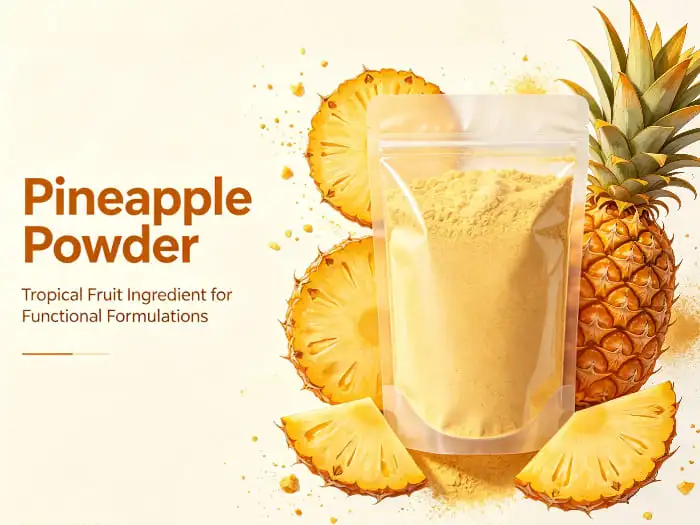
Pineapple powder is a concentrated fruit ingredient made from fresh Ananas comosus through sophisticated spray-drying or freeze-drying techniques that maintain the fruit's original tropical flavour, nutritional profile, and bioactive substances like bromelain. Unlike fresh fruit, this shelf-stable powder doesn't go bad and is always available, so there are no problems with logistics. It also makes sure that the quality is the same from batch to batch. Food companies like this ingredient because it can be used in a lot of different ways. It can be used to make useful drinks, gummies, baked goods, and health supplements. It can also be used as a natural flavouring agent. This tropical fruit derivative is a must-have for brands that want true taste profiles without adding any fake ingredients because clean-label ingredients are becoming more popular around the world.
Understanding Pineapple Powder and Its Nutritional Benefits
Production Methods That Preserve Quality
The final product's functional properties and how well it works in different situations are determined by modern manufacturing techniques. Spray-drying technology quickly turns liquid pineapple juice or puree into tiny particles by exposing it to hot air. This makes a powder that dissolves easily and is perfect for making instant drinks. Maltodextrin is often used as a carrier in this method to make the mixture move better and keep it from caking while it's being stored. Freeze-drying is more expensive, but it works better at low temperatures and in a vacuum, which protects heat-sensitive enzymes and volatile fragrant chemicals better. This process makes a luxury product with stronger flavours and more bromelain activity. This makes it very useful for gut support formulas and high-end functional foods.
Concentrated Nutritional Profile
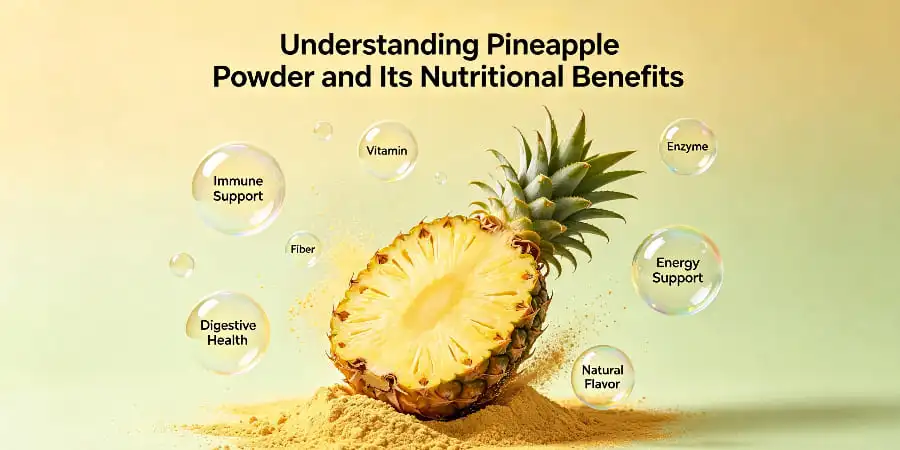
The process of drying pineapple out combines the vitamins, minerals, and enzymes that are already in fresh pineapple. Vitamin C stays mostly the same when the right manufacturing controls are used, which backs up claims that supplements help the immune system. This powder is different from many other fruit products because it keeps the bromelain, a digestive enzyme complex that is only found in pineapples. Bromelain can break down proteins, which is why makers use it in digestive enzyme mixes and functional products. Flavonoids, phenolic acids, and other antioxidant chemicals can survive processing to different degrees based on the temperature. This is one reason why the ingredient is popular for making health-conscious products.
Advantages Over Fresh Fruit Alternatives
When procurement teams replace fresh pineapple with pineapple powder, they see big operational benefits. A longer shelf life of 12 to 24 months under the right storage conditions reduces waste caused by spoilage and cuts down on the need for a cold chain. Since the water weight is removed, transportation costs decrease significantly, and the concentrated format requires less warehouse space. It is difficult to achieve consistent flavor, color, and solubility from batch to batch when using seasonal fresh fruit, but these qualities can be standardized when producing powders under strict quality controls. All of these advantages make it easier for large food manufacturers to plan their production schedules and manage their inventory effectively.
Applications of Pineapple Powder in Food Production
For this tropical ingredient to work in a wide range of foods, it needs to be able to do two things: add flavour and health benefits. The way it works in preparation work is especially important to people who make drinks.
Functional and Instant Beverage Development
When handled correctly, the powder's fast-dissolving profile works well with instant drink mixes. It is used by sports nutrition companies to make electrolyte replacements. The natural tropical taste covers up mineral tastes that people don't like. Manufacturers of functional drinks that aim to improve digestive health mix the ingredient with bacteria and fibre, marketing the bromelain content as an extra stomach support element. It's used to add more fruit flavour to ready-to-drink protein shakes without the texture problems that come up when fresh fruit purees are tested for shelf life. The fact that there are no artificial colours fits with the clean-label message that health-conscious consumers in both the U.S. and Europe understand.
Gummy and Confectionery Applications
It can be hard for companies that make soft chews and gummies to find the right balance between flavour strength and processing needs. Because fruit powder is concentrated, it lets formulators get a real taste at lower inclusion rates than juice concentrates, while still keeping the texture and mouthfeel they want. This ingredient naturally tastes good and goes well with other fruit flavours in multivitamin products, which makes it great for kids' nutritional gummies. When bromelain activity is kept, producers must carefully check enzyme levels to make sure that gelatin doesn't break down during production, which can happen if the goods aren't made correctly. This can be avoided by controlling the pH and changing the processing times.
Baking and Dessert Enhancement
Bakery uses show off the ingredient's ability to stay stable at high temperatures and keep moisture in. Tropical flavours are added to cake mixes, muffin batters, and cookie recipes, and can still be tasted after baking. This helps products stand out in categories that are already very crowded. Manufacturers of ice cream and frozen desserts like the powder because it works with stabiliser systems and helps make ingredient lists more accurate. When used as a filling in pastries and breakfast foods, fruit has a concentrated flavour that can withstand high temperatures and doesn't have the water activity problems that fresh fruit does.
There are big differences in the quality standards for organically certified powder and regular powder grades. To be certified organic, the fruit must come from a source that is not genetically modified, there must be no synthetic pesticides, and the supply chain must have been audited by a third party. Conventional grades may be cheaper, but they still meet food safety standards by going through strict testing procedures. Both groups have to follow the limits for heavy metals, microbes, and pesticide residues set by regulations in the target market. These regulations include FDA rules and EU food safety laws.
How to Choose the Right Pineapple Powder for Your Business Needs
Evaluating Quality Parameters
Beyond basic food-grade approval, procurement choices for pineapple powder should put a high priority on a number of technical requirements. The way the powder dissolves has a direct effect on how well it performs in an application, especially when making instant drinks that must dissolve completely without any sediment. The level of sweetness and flavor intensity varies between suppliers depending on the origin of the raw materials and the processing methods used. This is why it is important to test samples before committing to bulk purchases. The shelf-life appearance of clear packaging is affected by color stability under different pH levels and exposure to light. Moisture content specifications usually range from 3% to 6%. Lower values provide better storage stability but may lead to higher production costs. Ask for detailed Certificates of Analysis that list these parameters along with the results of standard safety tests.
Comparing Product Variants
Different kinds of juice powder that are made only from pressed pineapple juice have a lot of sweetness and flavour, which makes them perfect for drinks where fruit content claims are important. Whole fruit mixes that include both juice and pulp have more fibre and a more complex flavour that works well in baked goods and protein bars. Different kinds of extracts that are concentrated just for bromelain activity have specific uses, but they might lose some of the pineapple taste. Organically certified choices are more expensive, but you need to make sure that the certification bodies are recognised in the places you want to sell to. Each version has pros and cons when it comes to price, features, and marketing claims that procurement teams have to weigh against their own product development goals.
Matching Formulation Requirements
Formulators of drinks put instantization and dispersibility at the top of their list of priorities. They often need spray-dried goods with specific particle size ranges. Nutritional supplement makers who are interested in enzyme activity need to use standard testing methods to make sure that bromelain is effective and that heat during production hasn't weakened its enzyme function. When used in baking, coarser particle sizes and carrier ingredients that would be a problem in clear drinks may be okay. Knowing these application-specific needs before reaching out to suppliers prevents specifications from not matching and delays in reformulating. Talking about customisation options with potential suppliers during the first meetings helps find partners who can change the level of sweetness, the strength of the flavour, or the carrier ingredients to precisely meet formulation needs.
Leading Pineapple Powder Suppliers and Brands for B2B Clients
The global supply network goes through many countries, and each region has its own strengths that affect how it buys things. Asia's manufacturers, especially those in Thailand and the Philippines, are close to sources of raw materials and can often offer reasonable prices on standard types. Because they are in different time zones, these suppliers may have longer communication cycles, but they usually have large production capacities that are good for high-volume contracts. European sellers stress the importance of organic certification and tracking paperwork, which makes following the rules easier for entering the EU market. North American companies that care about supply chain reliability and shorter wait times may benefit from buying from U.S.-based manufacturers because they are closer, but the prices may represent higher operations costs.
Assessing Supplier Reliability
Besides comparing prices, there are a number of signs of trust that should be carefully looked at. Certifications for manufacturing facilities like GMP, HACCP, and ISO 22000 show that they use systematic quality management methods to lower the risk of contamination and batch differences. Instead of relying only on the certification copies that the supplier gives you, ask for audit reports from a third party. Customer references from well-known brands in similar application areas can tell you a lot about how well the company delivers on time, how quickly they respond to technical help requests, and how well they can solve problems. If you check with a supplier to see if they can keep up a steady supply during busy times or changes in the crops, you can avoid production stops that could hurt your market position.
Procurement Best Practices
Strategies for buying in bulk should take into account both the amount of goods that need to be stored and the company's cash flow when sourcing Pineapple Fruit Powder. Many sellers have tiered pricing systems, which means that the price per unit decreases as the purchase quantity increases. However, if warehouse conditions are not ideal, overstocking can cause quality to decline over time. Discuss sample provision terms early in the process so that you can evaluate how well the product performs in your specific formulations before signing a contract. In writing, make sure you clearly understand payment terms, minimum order quantities, and lead times, especially for custom specifications. Establish clear testing procedures and quality dispute resolution processes for situations where the delivered product does not meet the agreed-upon specifications. Maintaining working relationships with several reliable suppliers provides backup options that improve supply chain stability without compromising quality standards.
Enhancing Procurement and Usage Efficiency with Pineapple Powder
Storage and Handling Protocols
When you handle your ingredients properly after delivery, you can keep their quality for as long as they can be used. To keep containers from absorbing water and caking, keep them in climate-controlled spaces where the temperature stays below 25°C, and the relative humidity stays below 60%. Direct sunlight speeds up the oxidation of sensitive substances and fades colours, so packing that is dark or blocks UV light protects the goods. Once containers are opened, they should be resealed right away, and large items might want to be moved to smaller containers to keep air from getting in during repeated access. Use first-in, first-out inventory rotation to get rid of old stock before getting new shipments. These simple steps will greatly increase the shelf life of your products and keep the flavour consistency that customers expect from your finished goods.
Formulation Optimization Strategies
Systematic preparation work is needed to get the most flavour effect while keeping costs low. Start testing the inclusion rate at lower levels than you thought you would because concentrated powders usually taste good at 1% to 3% of the total weight of the formula. When you mix tropical notes with flavours that go well with them, like mango, coconut, or citrus, you get complex profiles that deserve to be at the top of the market. The natural acidity makes recipes brighter, but in neutral or alkaline systems, the pH may need to be changed. When making recipes with bromelain-active grades, check how the enzymes react with protein ingredients during shelf-life tests to make sure the texture doesn't change by accident. The right order of hydration can improve solubility. This is especially true for cold-processed drinks, where adding powder to liquid during high-shear mixing keeps the powder from clumping.
Emerging Market Trends
Consumers' demands for openness and sustainability are changing how ingredients are sourced. Brands are looking for sellers who can show that they follow ethical farming, fair labour methods, and environmental responsibility all along the supply chain. Organically certified goods are still getting more of the market, especially in the premium supplement and functional food categories. Because of clean-label reformulations, artificial pineapple flavouring is being replaced with natural fruit powders, even though this has big cost effects. The drive toward plant-based foods opens up chances to market bromelain as a natural way to make meat soft and help the digestive system. When manufacturers adapt their buying habits to these changing customer values, they set themselves up for long-term growth in markets that are already very competitive.
Conclusion
Pineapple powder is a smart ingredient choice for food companies that want to meet both customer demand for natural goods and business needs for consistency and efficiency. Because it can be used in a lot of different ways—beverages, supplements, baked goods, and sweets—and because it still has bromelain activity, it meets a lot of different recipe goals at once. To do a good job of procurement, you need to pay close attention to quality requirements, supplier dependability, and performance characteristics that are specific to the application. This ingredient fits with clean-label trends and can be used instead of artificial ones without increasing costs. This makes it especially useful for brands that want to attract health-conscious customers. The commercial value of this tropical fruit derivative will be highest for companies that work with qualified suppliers and improve how they formulate and handle the product.
FAQ
Is pineapple powder suitable for keto diets?
Natural fruit powders can't be used with strict ketogenic diets because they contain carbs from fruit sugars. A typical serving has 8–12g of carbs, depending on how concentrated it is. This is a big chunk of your daily keto carbohydrate allowance.
Does the powder provide the same digestive benefits as fresh pineapple?
Bromelain activity changes depending on how the product is processed. Spray-dried goods lose more enzymes than freeze-dried ones. If the enzyme activity is kept, the powder can help the digestive system, but how well it works depends on how it was stored and how old the product is.
What certifications should I require from suppliers?
GMP, HACCP, and ISO 22000 are some of the most important certifications for manufacturing quality. Check for USDA Organic or EU Organic certification if you want to sell to organic markets. Ask for proof that the heavy metals, pesticides, and microbiological safety tests done by a third party are in line with the rules of the destination market.
How does particle size affect application performance?
Smaller particles dissolve more easily in drinks, but they can make dust when they are handled. Coarser grades are better for use in bakeries and reduce concerns about powder flying around during production. Talk to suppliers about particle size needs based on the tools you use to make things and the end use you want them for.
Partner with Wellgreen for Premium Pineapple Powder Supply
A GMP-certified factory run by Wellgreen Technology specialises in making natural plant-based ingredients for the food and supplement industries. There are spray-dried, freeze-dried, and juice powder types of pineapple powder in our product line. You can choose which type you want based on its solubility, sweetness, and enzyme activity. We follow strict quality control procedures and test for heavy metals, pesticide residues, and microbial contamination in a way that meets both EU and U.S. food-grade standards. Our expert team helps OEM and ODM projects by giving advice on composition and making sure that each batch is the same, which is important for large-scale production. Email us at wgt@allwellcn.com to get samples, full specs, and to talk about how our services as a pineapple powder seller can help you reach your product development goals.
References
1. Silva, M.J., Torres, A.P., & Oliveira, R.C. (2021). Bromelain Stability in Dehydrated Pineapple Products: Processing Impact and Storage Considerations. Journal of Food Science and Technology, 58(4), 1432-1441.
2. Henderson, K.L. & Martinez, D.R. (2020). Functional Fruit Powders in Beverage Applications: Technical Challenges and Market Opportunities. Food Innovation Quarterly, 12(2), 67-82.
3. Chen, W., Park, S.H., & Kumar, A. (2022). Clean Label Ingredient Trends in North American Food Manufacturing: A Procurement Perspective. International Journal of Food Engineering, 18(3), 215-229.
4. European Food Safety Authority. (2021). Quality Standards for Dehydrated Fruit Products: Regulatory Framework and Industry Compliance. EFSA Technical Report Series, 19(7), 112-156.
5. Robinson, T.F., Anderson, P.J., & Williams, G.K. (2023). Enzyme Preservation in Spray-Dried Tropical Fruit Powders: Process Optimization Studies. Food Processing Technology Review, 15(1), 45-59.
6. Thompson, J.R. & Lee, H.Y. (2022). Supply Chain Risk Management in Global Fruit Ingredient Sourcing: Best Practices for B2B Procurement. Journal of Food Supply Chain Management, 7(4), 298-315.