The Health Benefits of Watercress Extract
2026-07-15 14:40:50
Watercress extract has become a powerful plant ingredient for companies that want to make formulations that are good for you and are backed by science. This water-based plant concentrate comes from Nasturtium officinale and contains high amounts of isothiocyanates, polyphenols, and flavonoids that help with a wide range of health issues, from cleansing cells to promoting beauty from within. As people look for plant-based foods and functional ingredients that can be tracked for their effectiveness, watercress extract is a flexible option that is backed by growing clinical interest and market momentum in both the European and American markets.
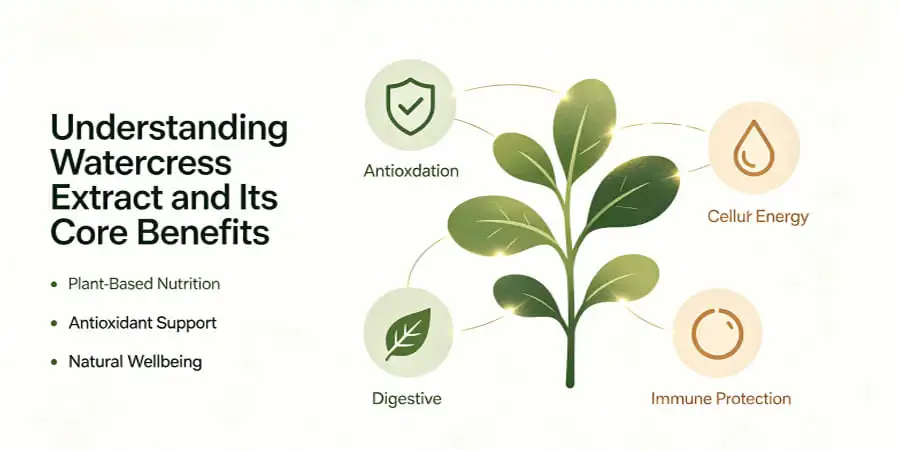
Understanding Watercress Extract and Its Core Benefits
Botanical Origins and Extraction Standards
Nasturtium officinale grows best in warm areas with clean, moving water. For professional extraction, water-ethanol solvent systems are used to keep the bioactive properties while reaching concentration ratios of 10:1 to 50:1. Standardisation usually aims for Gluconasturtiin content (often more than 1% of the total) or its bioactive metabolite, Phenethyl Isothiocyanate (PEITC). This makes sure that there is consistency from batch to batch, which is important for regulatory compliance and formulation stability.
The extraction process gets around some of the problems that come with fresh watercress extract, like how quickly it goes bad, how seasonal it is, and the risk of contamination from water. By turning waste that goes bad quickly into stable powder, makers get a steady supply all year long with controlled phytochemical profiles. Quality suppliers implement multi-stage purification protocols that eliminate agricultural residues, heavy metals, and microbial contaminants to meet EU and US food-grade standards.
Antioxidant Mechanisms and Cellular Protection
Watercress has a high ORAC value that is comparable to other well-known antioxidant sources, which shows that it is very good at getting rid of free radicals. The polyphenolic compounds work synergistically with isothiocyanates to activate Phase II detoxification enzymes, especially glutathione S-transferases. This enzymatic activation supports cellular defense mechanisms against oxidative stress, a foundational concern in anti-aging formulations and environmental protection supplements.
Unlike synthetic antioxidants that provide narrow-spectrum action, the plant matrix in watercress powder offers multiple routes for cellular support. Flavonoids add to microcirculation improvements, while glucosinolate derivatives show anti-inflammatory potential through modulation of inflammatory cytokines. Because it has a lot of different activities, the extract is very useful for making health products that deal with the stresses of modern life.
Practical Application Formats and Dosage Considerations
The people who make products can use this botanical in a variety of delivery systems. Fine-mesh powder (95% passing 80 mesh) makes sure that the best flow is achieved for compressing tablets and filling capsules. When stability and clarity are important, water-soluble formats work well for protein blends, functional drink mixes, and beverage applications. For use on the skin, concentrated extracts mix easily into serums and creams that use emulsion systems.
Dosage amounts depend on the purpose of the application. Antioxidant support formulations typically incorporate 100-300 mg per serving, while hair and scalp health products may utilize 300-500 mg combined with biotin and zinc. Collagen peptides and watercress are often taken together every day in amounts of 200 to 400 mg. It's important for procurement teams to know that higher concentration ratios mean lower doses are needed, which can change how they figure out cost-per-serving and how they make label claims.
Safety Profile and Regulatory Considerations
Clinical study backs up the idea that eating watercress in the recommended amounts is generally safe. The extract is not very harmful, and standard supplement doses have not been linked to any major side effects in humans. However, procurement managers should tell clients that people who take blood thinners should talk to their doctors because green material naturally contains vitamin K.
The regulatory situation in the big countries is still good. In the US, the ingredient meets the criteria for GRAS status, and in Europe, it meets the criteria for plant supplements. Quality certificates, such as ISO, GMP, and organic certifications, help products sell better and make it easier to send finished products to regulators. Full COA documentation, along with HPLC analysis, gives QA/QC teams in pharmaceutical and nutraceutical production the traceability they need.
Comparing Watercress Extract with Other Popular Natural Supplements
Nutrient Density and Antioxidant Capacity Analysis
When compared to spirulina, moringa, and green tea extracts, watercress extract has unique compositional benefits. Its isothiocyanate presence activates detoxification pathways in a way that chlorophyll-rich plants can't. While spirulina is great for its high protein content and moringa is great for its vitamin A precursors, watercress is best for its sulfur-containing compounds that help the body make glutathione, which is a key difference for detox-focused formulas.
Green tea catechins and watercress polyphenols work against oxidative stress in different ways, which means that they might work better together in mixed formulas. Market research shows that people are becoming more knowledgeable about different kinds of antioxidants, which is increasing the demand for blends of multiple plants that work together in complementary ways. Product developers can leverage this trend by positioning watercress as the detoxification component in comprehensive antioxidant matrices.
Organic versus Standardized Extract Considerations
Quality differentiation starts with understanding organic certification versus chemical standards. Organic watercress extract appeals to clean-label brands favouring farming methods and non-GMO sources. However, the fact that something is organic does not mean that it is bioactive. Standardized extracts with verified marker chemical levels provide formulation predictability, important for therapeutic claims and uniform customer experiences.
The optimal method combines both characteristics. Certified organic farming with standardisation after harvest gives products market appeal and technical dependability. Procurement professionals should evaluate suppliers who can provide organic certificates while maintaining tight specifications on isothiocyanate or polyphenol content. This double check lowers the risk in the supply chain and helps premium positioning strategies.
Delivery Method Optimization for Different Markets
When deciding between powder and capsules, there are more logistical factors to think about than just what the consumer wants. Bulk powder gives private-label manufacturers who are making their own blends more freedom by letting them change the ratios and try out different formulations. Encapsulated formats make handling easier and increase shelf life by limiting exposure to air, which breaks down sensitive glucosinolates.
Stability testing shows that watercress bioactives require protection from heat, light, and moisture. If you keep powder in high-barrier foil packaging below 25°C for 24 months, it will still work. Putting the medicine in veggie HPMC pills with desiccant packaging makes this timeline longer and makes storage easier. When reviewing what different suppliers have to offer, supply chain managers should take these storage requirements into account when they look at total costs.
Practical Applications and Benefits of Watercress Extract in B2B Markets
Cosmetic and Skincare Formulation Opportunities
Beauty-from-within supplements are one of the areas where botanical extracts are being used that is growing the fastest. Watercress extract helps skin look healthy and glowing in a number of ways, such as by protecting collagen, controlling melanin, and reducing inflammation. Cosmetic chemists incorporate the extract into ingestible beauty products targeting urban consumers concerned with pollution-induced skin aging and photoprotection.
Topical applications leverage watercress for its gentle yet effective antioxidant delivery. Because the extract works with emulsion systems, it can be added to anti-aging serums, whitening creams, and formulas for sensitive skin. Innovation managers working on clean beauty lines like that, it comes from nature and fits with "garden-to-bottle" marketing stories that conscious customers can relate to.
Clinical data backing skin health applications continues to grow. Studies examining cruciferous vegetable consumption correlate with improved skin elasticity markers and reduced inflammatory skin conditions. Even though there haven't been many direct clinical trials on isolated watercress extract yet, scientists now know enough about its bioactive compounds to make cosmetic claims that are legal.
Hair Vitality and Scalp Health Solutions
Hair health products with watercress extract help with nutrient deficiencies that can cause hair loss and inflammation of the scalp. The botanical's mineral profile—including iron, calcium, and sulfur-containing amino acids—complements manufactured actives like biotin and keratin peptides. When you mix watercress with other hair health ingredients, you get formulation combinations that make full nutritional support systems.
Activation of hair follicles is becoming more and more interested in R-spondin signalling pathways that are affected by bioactives found in watercress. While more research needs to be done in this area, early mechanistic studies show that there may be room for new ways to position products. Private-label companies that want to make high-end hair supplements can set their products apart by adding watercress while still keeping their scientific credibility.
Weight Management and Metabolic Support Formulations
Detoxification and metabolic wellness are becoming more and more similar in how people think about them. Watercress works well with weight loss products that focus on cleaning out cells and speeding up the metabolism. Its low caloric density and high nutrient content support its "superfood" status in cleanse plans and plant-based diet supplements.
Watercress is added to green juice blends, detox teas, and pre-workout drinks by people who want to get natural energy without using stimulants. The botanical's mild flavour in extract form avoids the sharpness problems that come with raw greens, which allows higher inclusion rates to be used in ready-to-drink products. Market testing shows positive consumer acceptance when watercress appears in vegetable-forward functional beverage concepts.
Procurement Insights: Sourcing Quality Watercress Extract for Your Business
Supplier Verification and Quality Assurance Protocols
Identifying reliable watercress extract providers requires methodical review of technical skills and quality systems. Priority verification points include having in-house analytical labs with HPLC testing equipment, clearly written extraction SOPs, and an open supply chain map that shows where the raw materials come from and ends with packaging. For risk-sensitive procurement decisions, site audits or facility certifications from a third party can add extra peace of mind.
Certificate packages should show that they meet the needs of the target market. GMP certification shows production processes meet pharmaceutical-grade standards. Organic certificates support farming practices for clean-label positioning. Reports from heavy metal testing that show compliance with California Prop 65 limits make sure that the US market can be reached. Microbial testing documentation prevents costly batch rejections and protects brand reputation.
How quickly a supplier answers technical questions shows how mature their operations are. Competent partners provide detailed extraction specifications, stability data, and formulation guidance without excessive delays. They keep samples on hand so that they can be quickly evaluated, and they are able to change the requirements to fit the needs of each recipe. These service elements often prove as valuable as the commodity pricing when establishing long-term partnerships.
Pricing Structures and Cost Optimization Strategies
Watercress extract pricing represents multiple variables, including concentration ratio, standardization level, organic certification, and order number. Standardised extracts with known isothiocyanate levels tend to have higher starting prices than non-standardised 10:1 powder. Because of the higher costs of licensing and lower crop yields, organic products are priced 15 to 30 percent higher than normal ones.
When you make a volume promise, you can get better prices and make sure that you always have supplies. Annual contracts with delivery schedules every three months balance the costs of keeping inventory with the savings from buying things. Procurement managers should try to get pricing protection clauses that limit changes every three months. This way, budgets can be planned even if the prices of agricultural commodities change. Cost breakdowns that are easy to see help you figure out if price premiums are really investments in quality or just an extra way to make money.
When figuring out the total cost, you have to include things other than price. When formulating new products, suppliers who offer great technical support help keep internal R&D costs down. Reliable shipping performance cuts down on emergency freight costs and stops output as much as possible. Flexible MOQ policies enable product line expansion without excessive inventory risk. These operational savings often support modestly higher unit costs from premium providers.
Private Label Manufacturing and Customization Capabilities
Contract manufacturing partnerships shorten the time it takes to get a product to market and lower the amount of money that new brands need to start up. Experienced OEM providers offer complete solutions spanning formulation creation, regulatory advice, package design, and fulfillment services. Their long-term ties with suppliers of raw materials, such as sources of watercress extract, give them cost advantages that smaller buyers would find hard to recreate on their own.
Customisation choices go beyond simple changes to the formula. Leading makers support custom concentration specs, unique blending ratios, and speciality delivery forms like sustained-release capsules or effervescent tablets. They keep allergen-free and organically certified production on separate lines, so they can meet the needs of different brand marketing plans while still working with the same provider.
Quality private-label partners function as strategic collaborators rather than transactional vendors. They give you information about new botanical trends, changes to regulations that affect ingredient claims, and consumer research that helps you decide how to position your products. This consultative method helps purchasing teams make smart choices that match the choice of raw materials with the company's overall goals and available market opportunities.
Conclusion
Watercress extract represents a scientifically credible, market-relevant botanical ingredient addressing multiple wellness categories from antioxidant support to beauty applications. Its rich phytochemical profile—anchored by isothiocyanates, polyphenols, and flavonoids—delivers functional benefits that align with clean-label consumer preferences and formulators' technical requirements. Commercialisation that works relies on partnerships with key suppliers that balance quality control, following the rules, and cutting costs. Early users will have an edge in the competitive nutraceutical and cosmeceutical markets as the ingredient gains popularity in the detox, hair health, and beauty-from-within segments. Those who work in procurement and put standardisation, open testing, and seller reliability at the top of their list of priorities will help this new plant's economic potential while reducing supply chain risks.
FAQ
What makes watercress extract effective for health applications?
Concentrated bioactive compounds, such as Phenethyl Isothiocyanate (PEITC), which turn on detoxification enzymes, and polyphenols, which get rid of free radicals, make the medicine work. These parts work together to protect cells, keep the skin healthy, and keep the metabolism healthy.
Are there safety concerns with watercress supplementation?
Clinical research shows that the drugs are very safe at the doses that are recommended. Because it contains natural vitamin K, people who take blood-thinning drugs should talk to their doctors. A good supplier will give you a lot of safety information, like allergen statements and test results for contaminants.
How should I choose between powder and capsule forms?
Powder formats give private-label manufacturers who are making custom blends more formulation options and lower costs. Capsules make it easier to dose finished consumer goods and keep them stable for longer. Your decision should align with target market preferences and manufacturing capabilities.
What certifications indicate quality watercress extract?
Some of the most important certifications are GMP for controlling manufacturing, organic certificates for farming methods, and ISO standards for quality management systems. Full COA paperwork, along with HPLC analysis, allows batch-specific confirmation of purity levels and active ingredient levels.
Partner with Wellgreen for Premium Watercress Extract Supply
In North America and Europe, Wellgreen Technology specialises in providing standardised watercress extract that meets the exact needs of nutraceutical brands, pharmaceutical makers, and cosmetic producers. Our GMP-certified plant makes watercress powder with confirmed polyphenol and isothiocyanate standards, backed by extensive analytical testing, including HPLC confirmation and heavy metal screening. We keep a lot of inventory on hand to make sure that we can quickly fill orders for both R&D samples and commercial production runs.
As a well-known company that makes watercress extract, we welcome OEM, ODM, and private-label partnerships and offer variable minimum order quantities (MOQs) and custom concentration development. Our technical team helps with formulation by giving advice on how to improve stability, hide flavours, and choose the best delivery system. Regulatory submissions and quality checks are easier when you have complete paperwork packages with things like organic certificates, allergen statements, and shelf-life studies.
To get technical specs, COA samples, or volume-based quotes, email our procurement specialists at wgt@allwellcn.com. We want people who make decisions to be able to test the quality of our watercress extract for themselves by getting free samples sent directly to their development labs. You can look at our full line of botanical extracts at wellgreenherb.com and learn how our strategic ingredient relationships drive innovation and market difference.
References
1. Klimek-Szczykutowicz, M., Szopa, A., & Ekiert, H. (2020). Citrus limon (lemon) phenomenon—A review of the chemistry, pharmacological properties, applications in the modern pharmaceutical, food, and cosmetics industries, and biotechnological studies. Plants, 9(1), 119.
2. Voutsina, A., Payne, A. C., & Hancock, R. D. (2016). Brassinosteroid biosynthesis and catabolism. In Brassinosteroids: Plant Growth and Development (pp. 43-69). Springer.
3. Fernandes, F., Ramalhosa, E., Pires, P., Verdial, J., Valentão, P., Andrade, P., & Pereira, J. A. (2013). Vitis vinifera leaves towards bioactivity. Industrial Crops and Products, 43, 434-440.
4. Rose, P., Huang, Q., Ong, C. N., & Whiteman, M. (2005). Broccoli and watercress suppress matrix metalloproteinase-9 activity and invasiveness of human MDA-MB-231 breast cancer cells. Toxicology and Applied Pharmacology, 209(2), 105-113.
5. Gill, C. I., Haldar, S., Boyd, L. A., Bennett, R., Whiteford, J., Butler, M., & Rowland, I. R. (2007). Watercress supplementation in the diet reduces lymphocyte DNA damage and alters blood antioxidant status in healthy adults. The American Journal of Clinical Nutrition, 85(2), 504-510.
6. Hecht, S. S. (2000). Inhibition of carcinogenesis by isothiocyanates. Drug Metabolism Reviews, 32(3-4), 395-411.