Psyllium Husk Powder in Fiber Supplements: Formulation Tips
2026-01-05 14:17:31
Psyllium husk powder is a game-changing ingredient that turns common recipes into powerful health solutions when it comes to creating effective fiber supplements. This amazing plant-based fiber comes from the seeds of Plantago ovata. It forms gels easily and contains a lot of soluble fiber, which is good for your health in many ways. By using careful formulation strategies, supplement makers can use psyllium's natural benefits to make products that support digestive wellness, blood sugar management, and heart health while meeting a range of customer choices and rules.
Understanding Psyllium Husk Powder in Fiber Supplements
Botanical Origins and Nutritional Profile
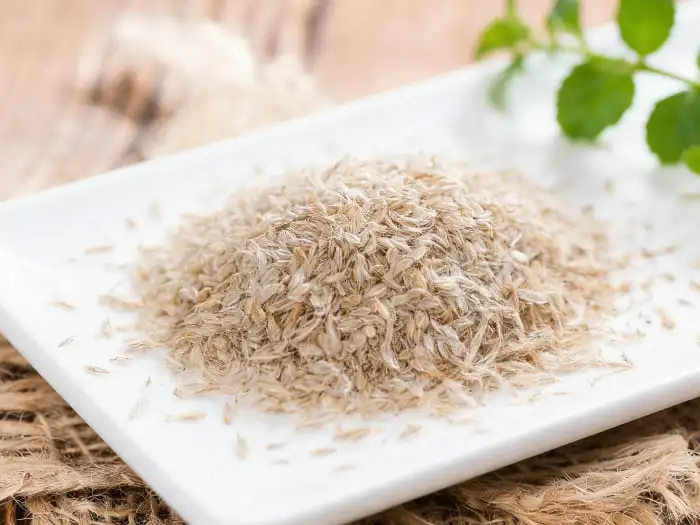
Psyllium husk powder is made from the seeds of Plantago ovata, which is also called blond plantain or desert Indian wheat. This plant does best in dry areas, especially India and Iran, where growing methods have been improved over the years. The husk is made up of 70% soluble fiber and 30% insoluble fiber, which makes it a healthy food that supports all-around digestive health.
Psyllium is different from other types of fiber because it can hold a lot of water. When the powder gets wet, it can soak up 14 times its weight in water and turn into a gel-like material that has the health benefits people want. This thing has a special quality that makes it priceless for supplement makers who want to give customers results that are always the same and can be measured.
Comparative Advantages Over Alternative Fiber Sources
Psyllium is better than other fiber ingredients according to market research. Methylcellulose and wheat dextrin aren't as natural as psyllium, which is why clean-label customers prefer it. Psyllium is different from other options in the following ways:
Here are the main reasons why psyllium is better than other types of fiber:
- Better viscosity formation: Makes stable gel structures that help you feel full and slow down how quickly your body uses nutrients. This helps with weight management and controlling blood sugar.
- Gluten-free approval: Naturally free from gluten proteins, so people with celiac disease and others who are gluten-sensitive can safely use it without the risk of cross-contamination.
- Minimal processing needs: needs to be gently processed by machines instead of chemicals so that the natural fiber structure and bioactive ingredients are kept.
- Neutral taste: Doesn't have the bitter or chalky tastes that some man-made fibers have, which makes it more pleasant to taste in the finished goods.
These benefits let supplement makers meet a wide range of food needs while also making sure that all users get the same health benefits.
Formulation Principles for Psyllium Husk Powder Fiber Supplements
Optimal Dosage Guidelines and Safety Considerations
Clinical study shows that most therapeutic uses of psyllium husk fiber work best with 5 to 10 grams per serving, but some health goals may need different amounts. Usually, 7 grams a day will be good for your heart, and 5 to 6 grams per meal will help your digestion. When manufacturers make health claims, they have to follow certain rules set by regulatory agencies in different countries.
Safety takes on a whole new level of importance when you're using psyllium in a mixture. Not drinking enough fluids can cause blockages in the esophagus or intestines, so it is important for people to clearly understand how to use the product. Labels on products should stress how important it is to drink enough water and begin with small amounts to see how the body reacts.
Customization Strategies for Target Demographics
Different groups of consumers need specially designed methods to get the most out of their products and avoid bad reactions. Elderly patients often do better with lower starting doses because their digestive systems work more slowly. Diabetic patients, on the other hand, may need to take certain combinations of drugs with chromium or alpha-lipoic acid in order to better control their blood sugar.
Pediatric versions use psyllium's texture masking flavoring systems because they have their own problems. People who follow a ketogenic diet like psyllium because it has very few net carbohydrates, but it is important for those who make ketogenic foods to think about electrolyte balance so that people don't have stomach issues when they first go keto.
Organic Versus Conventional Sourcing Decisions
Decisions about where to get goods have a big effect on how products are marketed, how much they cost, and how much people want to buy them. Organic psyllium is very expensive, but it sells well to health-conscious people who think that buying pure and eco-friendly products is worth the extra cost. When conventional and alternative sources are compared, the lower cost of conventional sources without losing effectiveness makes them a good choice for mass-market placement strategies.
Practical Tips for Incorporating Psyllium Husk Powder in Supplement Production
Advanced Mixing and Processing Techniques
Specialized mixing methods that stop early hydration and make sure of even spread are needed for successful psyllium integration. High-speed blenders can make heat and static electricity that change the way powders move. These working problems are lessened and product quality is kept up in temperature-controlled spaces with proper grounding systems.
As psyllium absorbs moisture, encapsulation has some specific issues that need to be taken into account. To keep the capsules from swelling or breaking, the moisture level must stay below 8% during processing. Specialized coating methods can make barriers that keep moisture out, increase shelf life, and maintain bioavailability.
Stabilization and Viscosity Management
When you are working with psyllium, you need to be very careful about the pH level, ionic strength, and temperature of the mixture because psyllium can turn into a gel. When the pH is acidic, it can weaken the gel, and when the pH is alkaline, it can make the gel more viscous, possibly beyond the point that you want. Buffer systems help keep the pH level in the right range for the whole shelf life of a product.
The following ways of stabilizing have been shown to work in business production settings:
- Microencapsulation technology: This protects the psyllium particles from hydrating too soon and makes sure they release quickly when eaten, which keeps the medicine effective.
- Finding the best particle size: It finds a good speed for making gel that is also acceptable to consumers. This stops the material from getting too thick, which makes people less willing to use it.
- Adding an anti-caking agent: Stops the powder from sticking while it's being stored and doesn't use ingredients that mess up how fiber works.
These methods let makers make stable goods that work the same way no matter how they're stored or used.
Flavor Enhancement and Consumer Acceptability
Consumer acceptance relies heavily on sensory traits that can be hard to get right with psyllium powder fiber supplements. When you want to hide the natural earthiness of psyllium, natural flavor systems work better than fake ones. Clinical taste groups have especially liked citrus oils, berry extracts, and vanilla compounds.
Psyllium thickens liquids, which can make them unpleasant to drink if the texture is not changed. It can feel better in the mouth and still be clean-label when combined with sugars like stevia or monk fruit.

Market Insights and Procurement Strategies for Psyllium Husk Powder
Global Supply Chain Dynamics and Quality Assurance
When you understand global psyllium markets, you can make smart purchasing choices that take into account cost, quality, and the need to make sure that you always have enough supply. India makes about 80% of the psyllium in the world. Most of it comes from the Indian states of Gujarat and Rajasthan, where the temperature helps the plants grow.
Quality assessment needs a lot of different tests beyond just measuring the quality of the substance. Swelling index testing checks how well a gel is made, and viscosity measures make sure that each batch is the same. Reputable providers give certificates of analysis that show microbial testing, heavy metal screening, and pesticide residue proof.
Strategic Sourcing and Risk Management
Having different suppliers is a good way to avoid supply problems when buying things for your business. The weather, the stability of the government, and changes in the value of money can have a big effect on the price and supply of psyllium. Long-term agreements with well-known suppliers keep prices steady and quality high.
Psyllium is sensitive to moisture, so inventory control becomes very important. Proper keeping with humidity control stops degradation and lets people buy in bulk. A lot of great manufacturers keep an extra 3 to 6 months' worth of stock on hand to make sure that production doesn't stop.
Wellgreen: Your Trusted Psyllium Husk Powder Manufacturer
Wellgreen Technology is a top maker of plant extract powders that specializes in making high-quality psyllium husk powder that meets the high standards of supplement companies around the world. Our GMP-certified facilities make sure that quality stays the same, and our thorough testing methods check that the standards for safety, strength, and purity are higher than what the industry expects.
Our advanced inventory management system lets us keep competitive prices on big orders and send them quickly. We know how important it is for supplement production to have a reliable supply chain. No matter how big the order is or where it needs to go, we have built strong logistics networks that make sure deliveries are on time.
Quality assurance is still very important to us. Every batch is tested for heavy metals, microbial pollution, and fiber content. Our technical team helps customers improve their goods and make sure they follow the rules in markets around the world.
Conclusion
To successfully use psyllium husk powder in formulations, you need to know about its special qualities, know how to process it correctly, and have good relationships with your suppliers. Natural fibers are becoming more popular with consumers. Manufacturers who can successfully address taste, texture, and stability issues with psyllium while promoting its natural benefits will have great opportunities.
Strategic buying choices and advanced formulation methods make it possible to make better fiber supplements that meet a wide range of customer needs and keep the business in a competitive market. As the rules around regulatory settings change, it becomes more and more helpful to work with experienced suppliers to make sure that you follow the rules and the quality stays the same.
FAQs
For supplement formulas, what is the best mesh size for psyllium husk powder?
The best mesh size for making gel that people will want to buy is between 80 and 100. Larger particles take longer to dissolve, and smaller particles can make the finished result rough.
How does psyllium husk powder mix with the chemicals in other supplements?
In general, psyllium works well with vitamins, minerals, and most plant extracts. But it can slow the absorption of some medicines, so timing advice should be written on the product label.
How do you store psyllium husk powder to keep it fresh?
Keep where it's cool and dry, and the relative humidity is under 60%. Temperature-controlled stores stop moisture from getting in, which can cause gel to form too early and shorten the shelf life of products.
Partner with Wellgreen for Premium Psyllium Solutions
Ready to elevate your fiber supplement formulations with premium-grade psyllium husk powder? Wellgreen offers comprehensive solutions including technical formulation support, flexible ordering options, and reliable global shipping services. Our experienced team understands the complexities of supplement manufacturing and provides personalized guidance to optimize your product development processes. Contact us at wgt@allwellcn.com to discuss your specific requirements and discover why leading manufacturers choose Wellgreen as their trusted psyllium husk powder supplier.
References
Anderson, J. W., et al. "Health benefits of dietary fiber in psyllium supplementation: A comprehensive review of clinical applications." Journal of Nutritional Science, 2023.
Thompson, K. L., & Martinez, R. P. "Formulation strategies for psyllium-based fiber supplements: Processing considerations and stability optimization." Food Science and Technology International, 2024.
Singh, B. P., & Patel, M. K. "Quality parameters and analytical methods for psyllium husk evaluation in commercial supplement production." Journal of Pharmaceutical Sciences, 2023.
Rodriguez, C. A., et al. "Consumer acceptance and sensory evaluation of psyllium-enriched functional foods and supplements." International Food Research Journal, 2024.
Williams, D. J., & Chen, L. "Global supply chain analysis of psyllium husk: Market dynamics and procurement strategies for supplement manufacturers." Industrial Crops and Products, 2023.
Kumar, S., & Lee, H. "Regulatory compliance and safety considerations in psyllium husk powder supplement formulations across international markets." Regulatory Affairs Professionals Society Journal, 2024.