Resveratrol Powder: A Guide to Proper Usage
2026-05-09 13:58:11
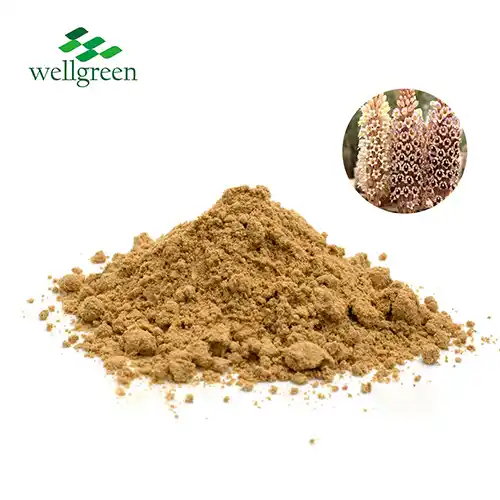
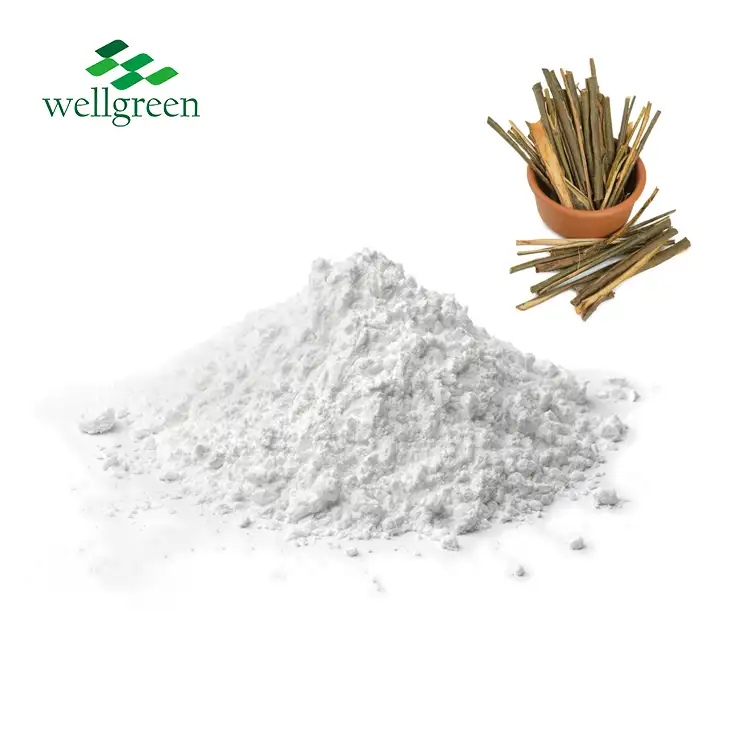
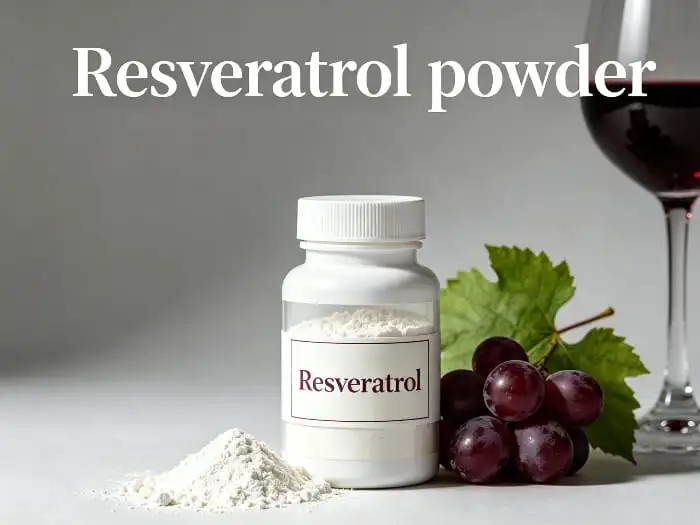
Resveratrol powder is a pure polyphenolic substance that is mostly taken from Japanese knotweed (Polygonum cuspidatum) and grape skins. It can be used as an ingredient in functional supplements, cosmetics, and drinks. This natural stilbene has strong antioxidant action through activation of the SIRT1 pathway. This makes it very useful for anti-aging and heart health products. To use it correctly, you need to pay attention to purity requirements, methods for improving bioavailability, and stability issues that can happen with different delivery systems.
Understanding Resveratrol Powder – Properties and Benefits
Core Biochemical Characteristics
There are two isomeric forms of the active compound. The trans-configuration has better biological action than its cis-counterpart. Molecular weight is 228.25 Da, and the best way to extract it gives purity levels between 50% and 98%, based on the method used. The compound's lipophilic nature gives formulators both chances and problems when they want to get the most solubility out of their products.
Natural sources include peanut skins, grape skin residues from making wine, and Japanese knotweed root, which usually gives the best yield for commercial extraction. Advanced extraction methods use ethanol or supercritical CO2 to get pharmaceutical-grade purity while leaving behind as few solvent leftovers as possible. This is an important thing for supplement companies that want to be known for having clean labels.
Antioxidant Mechanisms and Industry Applications
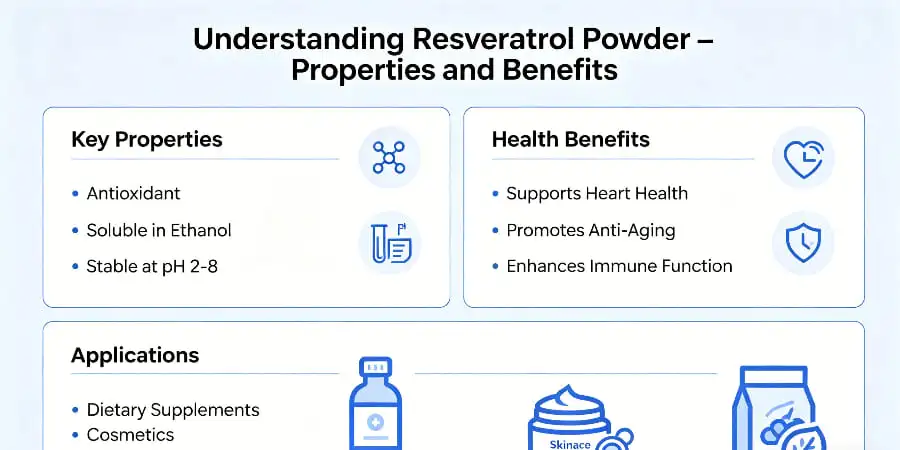
The chemical works in several ways, such as directly removing free radicals and indirectly starting up the body's defence systems through the SIRT1 deacetylase enzyme. This two-way method explains why it works so well in formulas that aim to manage oxidative stress. Researchers have shown that it can change inflammatory pathways by blocking NF-κB and stopping the COX-2 enzyme. This gives formulators scientifically proven ways to back up product promises.
Cardiovascular support products use it with coenzyme Q10 and omega-3 fatty acids in metabolic health formulas to make them work better. Companies that make anti-aging skin care products use amounts of 0.5% to 2% in serums and creams to protect collagen. Functional beverage makers have to deal with special problems because it doesn't mix well with water. However, they can successfully add it by using cyclodextrin complexation or liposomal packaging technologies.
Synergistic Potential with NAD+ Precursors
New ways of making medicines use this stilbene along with nicotinamide riboside (NR) or nicotinamide mononucleotide (NMN) to work on energy metabolism in cells in ways that support each other. This mix targets the growing market for supplements that help people live longer, where people want all-around mitochondrial support. Product makers should know that these mixes need to be carefully tested for stability because the different chemical properties need excipients and packaging that work well with them.
Proper Usage Guidelines for Resveratrol Powder
Dosage Recommendations Across Application Categories
Nutraceutical formulations usually use daily amounts of 100 mg to 500 mg of a standardised resveratrol extract. Clinical studies have shown that these levels are effective for cardiovascular and metabolic uses. For cosmetic uses, different concentration methods are needed. For example, topical products work best at an active concentration of 0.5% to 2%, where skin penetration and stability are more important than systemic absorption.
Because of issues with taste and solubility, people who make functional drinks usually use smaller concentrations, usually between 25 mg and 100 mg per serving. Microencapsulation technologies help these uses because they keep the active chemical from breaking down and improve its taste and smell. When setting usage amounts, formulators have to think about how sensitive the ingredient is to changes in light, oxygen, and pH.
Bioavailability Enhancement Strategies
The substance doesn't dissolve well in water and breaks down quickly, which makes it hard to formulate and has a direct effect on how well the product works. Taking it with piperine (black pepper extract) has been shown to increase solubility by up to 1500% by blocking cytochrome P450 enzymes. Liposomal delivery systems are another option. These encapsulate the lipophilic molecule in phospholipid vesicles, which makes them better at getting into cells than normal powder formulations.
Nanoparticle formulations are the newest and most advanced way to give medicine. Particles smaller than 200nm have better absorption profiles. These advanced transport systems are highly regarded, but they need to be manufactured in a certain way and their stability must be proven. When choosing formulation approaches, product developers have to weigh the costs of each method against the competitive benefit of better bioavailability.
Stability Considerations and Formulation Best Practices
The trans-isomer is sensitive to light, so it needs to be stored in dark or UV-protective containers to keep its effectiveness over time. Testing for temperature stability shows that breakdown speeds up above 25°C, which means that both bulk ingredients and finished goods need to be stored in climate-controlled areas. The pH of the formulation has a big effect on its stability. The best conditions are in neutral to slightly acidic settings (pH 4–7).
When you mix this antioxidant with other polyphenols like curcumin, quercetin, or grape seed proanthocyanidins, you get networks of antioxidants that work better together, but you need to make sure they are compatible first. Minerals like iron and copper can speed up oxidative degradation, so they should be spread out in different areas of multi-compartment delivery systems or time-release products.
Comparing Resveratrol Powder: Making the Right Choice
Form Factor Selection for Manufacturing Efficiency
As a large-scale manufacturer, raw powder gives you the most options because it lets you precisely control the dosage and easily incorporate it into different delivery forms, such as capsules, tablets, sachets, and beverage systems. The powder form lets you mix it in any way you want with other items that go well with it, and buying it in bulk saves you money. Manufacturers like that powder stays stable for longer than pre-formulated liquid resveratrol extracts when it is kept properly.
Capsule and tablet formats are popular in some markets because they are convenient and offer standard doses. However, private-label makers can't make many changes to these finished forms. Liquid extracts are better at dissolving right away, which is great for beverage applications. However, they are less stable and cost more per unit, which changes how the end product is priced.
Natural Extraction versus Synthetic Production
Naturally extracted material from botanical sources has a clean label appeal that appeals to health-conscious customers and helps position a product as a premium one. When the extraction process from Japanese knotweed or grapes is done correctly, it gives full-spectrum polyphenolic profiles that may include unknown compounds that work well with the target molecule.
Chemical synthesis or biofermentation can be used to make synthetic products that are more pure and uniform from batch to batch. This is useful for pharmaceutical and clinical study needs where standardisation is more important than naturalness claims. For high purity levels above 98%, synthetic routes are more cost-effective, but natural extraction is still a good option for the 50–98% purity range that food supplement makers want.
Purity Specifications and Application Matching
In order to choose the right purity levels, technical specifications must be matched with the planned uses and regulatory requirements. When the carrier matrix adds useful qualities, cosmetic formulations work well with 50–75% purity grades, which lowers the cost of raw materials without lowering their effectiveness. Premium dietary supplements that are meant to be therapeutic must be 98% pure or higher to get the most active compounds into each dose.
Purities in the middle, between 80 and 95%, are best for functional foods because they meet both cost and effectiveness standards from consumers. It is important for procurement teams to look at both the total polyphenol content and the specific trans-resveratrol assay values. This is because some sellers give false numbers by adding inactive cis-isomers or other stilbene derivatives to the total percentages.
Navigating Procurement: How to Buy Resveratrol Powder Wisely?
Supplier Qualification and Certification Requirements
Verification of current Good Manufacturing Practices (GMP) certification is needed to find approved suppliers. GMP certification makes sure that production controls and quality systems are always the same. Getting ISO 22000 certification for managing food safety or ISO 9001 certification for managing quality gives you even more peace of mind that the process controls are being done in a planned way. Organic certification (USDA Organic, EU Organic) lets you enter certain markets, but it comes with higher prices that need to fit with your product selling strategies.
By asking for Certificate of Analysis (CoA) paperwork for recent production batches, you can see how well the standards were met compared to what was claimed. Some important factors are assay purity (using HPLC), heavy metal screening (for example, lead, arsenic, cadmium, and mercury), microbial limits (for example, yeast/mold, pathogens, and total plate count), and residue solvent analysis. When suppliers refuse to give full analytical paperwork, procurement teams should raise red flags.
Origin Transparency and Supply Chain Considerations
China makes most of the Japanese knotweed resveratrol extract in the world. Their prices are affordable because their extraction infrastructure is well-developed and their raw materials are easy to get. American and European suppliers often get their base materials from Asian manufacturers. To add value, they offer extra services like testing, purification, and legal compliance that are designed for Western markets. Knowing the whole supply chain, from growing the plants to extracting the oil and finally packaging them, lets you figure out the risks for supply continuity.
Traceability methods that keep track of materials from the time they are harvested until they are packaged show that the supply chain is mature and make it easier to show that you are following the rules. Procurement officers should inquire about backup sourcing arrangements and inventory buffers that protect against supply disruptions. When talking about a long-term partnership, you should talk about ways to increase capacity, keep prices stable, and work together on product growth.
Bulk Pricing Structures and MOQ Negotiations
For speciality types, the minimum order quantity is usually between 25 kg and 100 kg. There are price breaks for large orders at 100 kg, 500 kg, and 1000 kg. When procurement teams can agree to annual volume forecasts, suppliers can better plan their production and pass on cost savings to customers, this gives buyers more negotiating power. Unit price and payment term flexibility often go against each other, with smaller payment windows leading to small cost cuts.
Private-label agreements allow for customised specifications, mixed formulations, and co-branded packaging that sets market offerings apart. These deals usually have higher minimum commitments, but they give you a unique place in the market that lets you charge higher prices. Instead of just comparing prices per kilogram, procurement teams should look at the overall value proposition, which should include technical support, formulation advice, and regulatory guidance.
Ensuring Product Quality and Compliance for B2B Clients
Regulatory Landscape Navigation
To get into the US market, you have to follow the FDA's dietary supplement rules in 21 CFR Part 111. These rules require name verification, potency testing, and contamination screening. European markets follow EFSA rules and country-specific rules that might require new food status factors based on how the food was extracted and how pure it is. Different rules apply to cosmetic uses. For example, the EU Cosmetics Regulation 1223/2009 says that safety tests and ingredient declarations must be followed.
Specifications sheets, safety data sheets (SDS), allergen declarations, GMO status statements, and BSE/TSE compliance papers should all be in documentation packages. Halal and Kosher certifications make it easier for goods that are aimed at certain groups of people to reach new customers. Regulatory consulting services from experienced providers can help businesses, especially those that are entering new markets, find their way through the complicated world of compliance.
Quality Assurance Protocols and Testing Requirements
Third-party laboratory verification is an independent way to prove what a supplier says. Reputable testing laboratories use validated HPLC methods to figure out purity. ICP-MS technology is used to analyse heavy metals to make sure they are within the limits set by California Proposition 65 and meet international safety standards. Microbial tests should include a total aerobic plate count, a list of yeasts and moulds, and specific pathogen screening for E. Salmonella, E. coli, and Staphylococcus aureus.
Testing for stability under accelerated conditions (40°C/75% RH) suggests how long something will last in the real world and shows how it breaks down, which helps with packaging and storage suggestions. Annual checks of suppliers, which can be done directly or by a third-party audit service, make sure that GMP standards are still being followed and that the quality system is working well. These proactive steps keep brands' reputations safe in markets that are becoming more controlled and save money by avoiding expensive product recalls.
Building Strategic Supplier Relationships
By switching from transactional buying to strategic relationships, you can gain a competitive edge through priority access to new products, preferential allocation when supplies are low, and teamwork when formulation problems arise. Regular performance reviews that look at quality metrics, delivery reliability, and how quickly technical help responds keep people accountable and find ways to keep getting better.
Suppliers can invest in resveratrol powder capacity growth, create custom solutions, and offer competitive business terms when product roadmaps and volume forecasts are clear. Achieving excellence in procurement goes beyond lowering costs; it also includes creating total value through things like technical know-how, regulatory intelligence, innovation teamwork, and supply chain resilience, all of which make the market more competitive.
Conclusion
To successfully add this polyphenolic extract to product lines, many things need to be taken into account: technical specs that are right for the job, supplier qualifications that make sure quality is always high, and formulation strategies that make the extract as bioavailable and stable as possible. If procurement workers learn a lot about how these factors affect each other, their companies will be better able to compete in the growing markets for health-focused drinks, anti-aging cosmetics, and functional supplements.
Scientists have proven that the substance has health benefits, which makes people want it a lot. However, making it and following the rules can be hard, which is why technical know-how is needed. Strategic relationships with suppliers that go beyond negotiating prices and include quality assurance, working together on new ideas, and regulatory support help businesses stay competitive in markets that are always changing.
FAQ
How should resveratrol powder be stored to maintain potency?
Store bulk material in tightly sealed containers protected from light exposure, maintaining temperatures below 25°C with relative humidity under 60%. Inert gas flushing (nitrogen or argon) extends shelf life by minimizing oxidative degradation. Typical shelf life under proper conditions ranges from 24 to 36 months, with periodic re-testing recommended for extended storage.
Can this ingredient be combined with other active compounds?
Compatibility with other antioxidants, vitamins, and botanical extracts is generally excellent, though stability testing specific to each formulation is essential. Avoid direct contact with transition metals (iron, copper) that catalyze oxidation. Synergistic combinations with quercetin, NAD+ precursors, and omega-3 fatty acids demonstrate enhanced biological activity in research studies.
What verification steps should precede supplier commitment?
Request recent Certificates of Analysis demonstrating specification compliance, verify certification authenticity through issuing bodies, and conduct sample testing through independent laboratories. Site audits or third-party audit reports confirm GMP compliance. Reference checks with existing customers provide insights into reliability, communication quality, and technical support capabilities.
Partner with Wellgreen for Premium Resveratrol Powder Supply
Wellgreen Technology operates as a professional plant extract manufacturer delivering standardized botanical ingredients across purity ranges from 50% to 98% trans-resveratrol. Our GMP-certified production facility maintains comprehensive inventory to support both trial quantities and large-scale commercial manufacturing, while our testing laboratory conducts full specification verification including HPLC assay, heavy metal screening, and microbial analysis. We provide OEM/ODM formulation support for complex antioxidant systems, helping nutraceutical brands, cosmetic manufacturers, and functional beverage producers optimize stability and bioavailability. As a dedicated resveratrol powder supplier, we control extraction processes to minimize solvent residuals and ensure batch-to-batch consistency that long-term partnerships demand. Contact our technical team at wgt@allwellcn.com to discuss your specific requirements, receive application guidance for your formulation challenges, and access competitive bulk pricing tailored to your procurement needs. Visit wellgreenherb.com to explore our complete botanical extract portfolio and discover how our quality systems and rapid delivery capabilities strengthen your supply chain reliability.
References
Baur JA, Sinclair DA. "Therapeutic potential of resveratrol: the in vivo evidence." Nature Reviews Drug Discovery, 2006, 5(6): 493-506.
Walle T. "Bioavailability of resveratrol." Annals of the New York Academy of Sciences, 2011, 1215(1): 9-15.
Cottart CH, Nivet-Antoine V, Beaudeux JL. "Review of recent data on the metabolism, biological effects, and toxicity of resveratrol in humans." Molecular Nutrition & Food Research, 2014, 58(1): 7-21.
Gambini J, Inglés M, Olaso G, et al. "Properties of resveratrol: in vitro and in vivo studies about metabolism, bioavailability, and biological effects in animal models and humans." Oxidative Medicine and Cellular Longevity, 2015, Article ID 837042.
Davidov-Pardo G, McClements DJ. "Resveratrol encapsulation: designing delivery systems to overcome solubility, stability and bioavailability issues." Trends in Food Science & Technology, 2014, 38(2): 88-103.
Burns J, Yokota T, Ashihara H, et al. "Plant foods and herbal sources of resveratrol." Journal of Agricultural and Food Chemistry, 2002, 50(11): 3337-3340.