Sourcing High-Alginate Brown Seaweed Extract for Industrial Use
2026-06-23 14:00:00
A big problem for procurement managers when they are looking for raw materials for nutraceuticals, medicines, or functional foods is that they have to find marine-derived products that are both proven to work and meet strict quality standards. Brown seaweed extract powder is a valuable marine ingredient that comes from species like wakame, kombu, and kelp. It provides consistent amounts of alginate that are needed in commercial settings. This natural material is high in polysaccharides and can be used to thicken, support, and carry bioactive ingredients in functional drinking systems, medicine preparations, and supplement formulations. Knowing the buying requirements, like controlling heavy metals and making sure that each batch is the same, has a direct effect on the quality of the product, following the rules, and saving money. This guide walks you through the important things you need to think about in order to choose a buyer with confidence and get long-lasting buying results for your business.
Understanding Brown Seaweed Extract Powder and Its Industrial Value
Origin and Compositional Profile
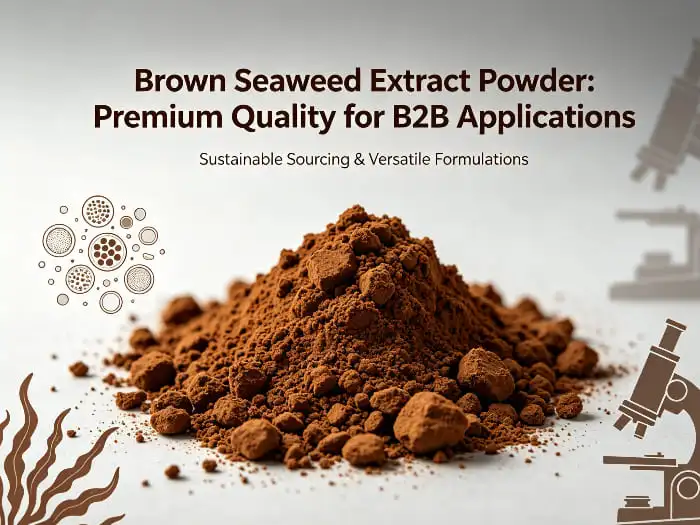
Brown seaweed extract powder comes from marine algae species that are known for having a lot of nutrients. It is collected from clean ocean waters. Bioactive chemicals like fucoidan polysaccharides, alginates, fucoxanthin colors, and trace minerals like iodine and magnesium are concentrated during the extraction process. Instead of plant products from land, this marine ingredient has special sulfated polysaccharides that act biologically in different ways in labs.
In industry, alginates are very important because they have great gelling, thickening, and film-forming qualities. These natural polymers join water molecules well, which makes food matrices stable and medicine pills with controlled-release mechanisms. The antioxidant power of fucoxanthin and polyphenols makes products that aim to control oxidative stress more useful.
Multifunctional Applications Across Industries
Brown seaweed extract powder products are useful in many technical and practical ways in the industrial world. Nutraceutical companies use regulated fucoidan extracts in immune support products. They do this by taking advantage of new studies about how cells protect themselves. Pharmaceutical companies use highly pure alginate sections for wound dressings, gastric protectants, and long-lasting drug delivery methods where safety and biocompatibility meet strict regulatory standards.
Functional food designers use marine polysaccharides, which have prebiotic-like effects on gut bacteria balance, to add water-soluble seaweed powders to protein drinks, energy bars, and health teas. Cosmetic makers choose mild actives that come from the ocean for anti-aging serums and hydrating masks because they are good for the skin and have a lot of minerals, which helps the products stand out in clean beauty markets.
Differentiation From Other Marine Ingredients
Kelp powder and spirulina both come from the sea, but brown seaweed extract powder has higher alginate amounts and more consistent bioactive ratios. Because kelp powder usually includes whole plants with different vitamin profiles, it can be hard to get the same consistency from batch to batch. A cyanobacterium called spirulina gives us protein and the color phycocyanin, but it does not have the structural carbohydrates that we need to make things thicker and more stable. Brown seaweed extract powder combines its useful properties with its bioactive potential, making them top-notch ingredients for products that are backed by science.
Key Considerations When Sourcing High-Alginate Brown Seaweed Extract Powder
Quality Indicators and Standardization
To make a successful purchase, you need to be clear about the clarity of the alginate and the quantity of the fucoidan. Industrial buyers should ask for Certificates of Analysis that show the polysaccharide content, which is usually between 10% and 85% based on how the product was extracted. The content is tested using validated HPLC methods. Standardized fucoidan levels make sure that all production batches have the same biological activity. This is very important for supplement brands that make structure-function claims or pharmaceutical clients that are working on therapeutic uses.
Measuring viscosity is also important, especially for food-grade uses where accuracy in taste affects how customers feel. Suppliers should give you rheological data that shows how the extract works in different pH levels and temperature ranges that are important for your manufacturing processes.
Heavy Metal Control and Purity Standards
Ocean pollution makes it possible for heavy metals to get into ingredients that come from the ocean. The most important quality check for buying brown seaweed extract is to put it through strict tests for arsenic, lead, cadmium, and mercury. Reliable sellers use multiple steps of purification and third-party tests to make sure their products meet EU and US food-grade standards. These standards usually set limits for lead and cadmium below 0.5 ppm and 0.1 ppm, respectively.
We have strong rules on heavy metals all along our supply chain. We only buy from coastal areas that are closely watched, and each batch is tested individually before it is released. Our GMP-certified center makes sure that international safety standards are met, which protects the safety of your end users and the image of your brand.
Certifications and Regulatory Compliance
Food safety management systems like ISO 22000, GMP production standards, and organic certifications show that a provider is dedicated to quality systems. Pharmaceutical companies should make sure that the sources they work with have the right pharmaceutical-grade certifications, such as cGMP for facilities that make API-grade extracts. Kosher and Halal approvals help brands that are trying to reach certain groups of people get into more markets.
Regulatory bodies and well-informed customers care more and more about being clear about where products come from. Traceability documentation that connects finished powder to specific harvest places and processing times shows that the supply chain is honest, which lowers the risk of an audit and backs up marketing claims about clean labels.
Supply Chain Reliability and MOQ Flexibility
Seasonal gathering processes affect how much brown seaweed extract powder is available, so it is important for suppliers to be able to handle their stock. Well-known makers keep extra supplies on hand to account for changes in the seasons. This makes sure that you always get what you need when you need it, so you can plan your production accordingly. Minimum order numbers range from 25 kg for custom specifications to multi-ton commitments for standard grades. Making volume needs clear up front makes talks go more smoothly.
Lead times for in-stock items are usually between 2 and 4 weeks, and they can be up to 8 weeks for special extraction specs. Talking about expected volumes with suppliers at the start of a relationship helps makers decide how to divide up production space and get better prices for long-term partnerships.
Comparison of Brown Seaweed Extract Variants for Industrial Use
Alginate Content and Functional Performance
For industrial thickening uses, high-alginate brown seaweed extract powder products usually have 60–85% alginate parts that have been improved through selective extraction and purification. These grades give the best viscosity with the lowest inclusion rates, making them perfect for food companies that need to keep cost-per-unit costs low in dairy replacements or stabilizing drinks. Extracts in the 30–50% range that contain alginate balance their functional performance with a wider range of bioactive profiles. This makes them good for use in nutraceutical products where immune-supporting polysaccharides work well with structural qualities.
Fucoidan-enriched versions give up some alginate concentration to increase the amount of sulfated polysaccharide, aimed at supplement brands that value biological activity over binding power. Figuring out what your main application driver is—functional performance versus bioactive content—will help you choose variants that will help you reach your formulation goals.
Organic Versus Conventional Sourcing
Organically certified brown seaweed extract powder costs 20 to 35 percent more than regular ones, but they open up new market possibilities in natural product channels where certification affects buying choices. Organic brands need recorded procedures for wild-harvesting or approved aquaculture operations. This limits the suppliers that can be used and could affect the stability of supply during times of high demand. When bought from reputable companies that follow food-grade standards, conventional extracts have a wider range of suppliers, lower prices, and the same level of safety.
For pharmaceutical uses, where purity requirements are more important than certification status, there are not many differences between organic and standard types when it comes to regulatory compliance. Functional food brands are moving more toward an organic stance to meet the needs of retailers and meet customer standards. This makes the investment for goods sold through expensive channels worth it.
Best Practices for Using Brown Seaweed Extract Powder in Industrial Processes
Dosage Guidelines by Application Sector
Pharmaceutical versions usually include 2–5% brown seaweed extract in tablet structures for long-term use. Higher amounts are used in topical wound care products where the gel-forming qualities help keep the moisture in. Nutraceutical capsules have between 300 and 800 mg per dose to help the immune system. This is done by balancing studies on effectiveness with dosing plans that make sense.
To get the thickness they want without adding marine tastes, functional beverage systems need inclusion rates of 0.3 to 1.5%. However, this range can be extended by using water-soluble extracts that have been treated to get rid of smells. Cosmetic serums use amounts between 1% and 3%, and their humectant qualities keep the skin hydrated while keeping the structure beautiful. These suggestions are just a starting point. To find the best inclusion rates for your individual processing conditions, you should do some trial testing.
Storage and Stability Management
When kept in covered cases below 25°C with relative humidity below 60%, brown seaweed extract powder stays stable for 24 months. When something is exposed to water, it clumps and microbes may grow, which makes it less safe and less useful. Suppliers should offer different types of packages that use materials that keep out moisture and nitrogen washing to extend the shelf life. This is especially helpful for clients who are keeping strategic inventory backups.
Light breaks down fucoxanthin colors over time, which makes antioxidants less effective. During the whole delivery chain, opaque packages or clear glass keep the bioactive purity. Using first-in, first-out inventory cycle and batch tracking systems stops old materials from going into production, which keeps product performance uniform.
Real-World Integration Success
A European supplement company changed their immune support mix and now uses our standardized 40% fucoidan brown seaweed extract powder instead of a different kelp powder that had bioactive content that varied by 15% from batch to batch. Customers were less likely to worry about inconsistent potency after the switch, and label claims were backed up by more confidence study summaries from the provider.
An American functional beverage brand was able to add water-soluble brown seaweed extract powder at a strength of 0.8% to their plant-based protein shake, which gave it the right mouthfeel and added "immune support" messaging through the fucoidan content. Sensory tests showed that the deodorized extract did not add any sea notes, so the vanilla flavor profile of the product was not changed. These examples show how buying with an eye toward quality leads straight to formulations that are ready for the market.
Where and How to Buy High-Alginate Brown Seaweed Extract Powder in Bulk?
Supplier Evaluation Framework
A good way to vet suppliers is to look at their paperwork and see how well they can do their job. Ask for full technical data sheets that list the extraction methods, solvent systems, and standardization steps that will change the properties of the end product. Third-party audit reports from groups like NSF or SGS back up claims of licenses and manufacturing methods that go beyond what the company itself says.
When you want to make more of a good recipe, production capacity is important. For example, suppliers with dedicated seaweed processing lines that can handle more than 500 tons of product every year show that they have invested in infrastructure that will support long-term dependability. Geographic diversity among suppliers reduces the effects of regional problems caused by weather events or changes in rules that affect certain harvest zones.
Procurement Strategies for Cost Optimization
Annual supply deals with volume promises usually get 8–15% savings compared to buying on the spot, and they also make budgeting easier by giving you a clear picture of your spending. By negotiating flexible delivery schedules—for example, getting shipments every three months instead of once a year—you can combine the costs of keeping goods with the benefits of buying in bulk.
FOB terms make buyers responsible for shipping, which helps clients with established transport networks keep freight costs down. CIF agreements make foreign buying easier for smaller businesses that don't have freight forwarding relationships. However, the profits show how well the seller manages logistics. DDP terms get rid of all the hassles of importing by sending duty-paid goods right to your door. This is great for testing out new suppliers before committing to bigger orders.
Leading Suppliers in Global Markets
There are a number of well-known companies in North America and Europe that sell brown seaweed extract powder. These companies have decades of experience working with marine ingredients. Manufacturers who keep direct ties with seaside harvesting groups can be sure that their products are traceable and come from safe sources, which are being looked at more closely by brand owners and regulators. Companies that spend money on their own extraction methods can make goods that are different by giving them unique alginate molecular weight profiles or better bioactivity.
As a professional company that makes plant extracts, Wellgreen Technology has a GMP-certified production center that can do all kinds of tests and has a large inventory that lets them ship orders quickly. Our expert team helps with formulating new products by sending you samples of all of our brown seaweed extract powder to help you find the best ones for your needs. We offer flexible minimum orders and full regulatory paperwork packages for OEM, ODM, and private label agreements.
Conclusion
Finding high-alginate brown seaweed extract powder means combining a lot of different technical, legal, and business factors that have a direct effect on how well the product works and how competitive the market is. Quality indicators, such as standardized fucoidan content and strict heavy metal tests, keep a brand's image safe and up to buyer standards for safety. Knowing the differences between variants and the right dose for each application lets you choose materials that are in line with your product positioning. By looking at more than just price when evaluating a supplier, including certifications, capacity, and the stability of the supply chain, businesses can build relationships that will help them grow in the long run. The move toward marine superfoods is still driving demand in the nutraceutical, pharmaceutical, and functional food industries. To take advantage of tomorrow's possibilities, it is important to make smart buying decisions today. By following the best practices for procurement mentioned here, your business will be able to use this valuable marine ingredient with trust and stability.
FAQ
What makes brown seaweed extract powder suitable for industrial applications?
Brown seaweed extract powder has constant alginate concentrations, which are necessary for predictable production results in terms of thickness, gelling, and stability. The natural structure of the polysaccharide allows it to be biocompatible in food, medicine, and cosmetics. The fucoidan and minerals in it also give it extra useful benefits. Industrial-grade processing makes sure that microbes are safe, that particle size is controlled, and that specs are written down so that they can be easily added to production processes that have already been proven to work.
How can I verify the quality of brown seaweed extract before bulk purchase?
Ask for full Certificates of Analysis that include HPLC chromatograms that prove the polysaccharide content, heavy metal test results from approved labs, and microbe testing that proves the product meets the standards set by the pharmacopeia. Testing samples at independent labs is a neutral way to check what suppliers say. Before committing to large purchases, useful performance can be confirmed by running pilot-scale tests in real work settings.
What are the primary risks when sourcing marine-derived ingredients?
Ocean pollution that releases heavy metals is the biggest quality risk, so sellers have to get their supplies from waters that are closely watched and follow strict testing procedures. Seasonal changes in algae makeup make it hard to be consistent from batch to batch. This is why seller quality systems and inventory management skills are so important when evaluating suppliers. Different places have different rules about how to follow regulations, so you need paperwork packages that are made to fit the needs of your market.
Partner With Wellgreen for Premium Brown Seaweed Extract Powder Supply
Wellgreen Technology has been a trusted seller of brown seaweed extract powder to nutraceutical, pharmaceutical, and functional food makers in North America and Europe for over ten years. They can help you with your procurement issues. Our GMP-certified plant keeps a large stock of standardized extracts with confirmed fucoidan content. This allows for quick sample delivery and orders ranging from 25 kg to multiple tons. We provide all the necessary legal paperwork, such as Certificates of Analysis, heavy metal testing results, and allergen statements, to make the process of qualifying your ingredients easier.
Our expert team works together to create new formulations and suggest the best extract specs based on your needs and the profiles of the products you want to make. We offer stable quality, backed by batch-specific testing and full traceability paperwork. This is true whether you need high-alginate grades to stabilize beverages or fucoidan-enriched variants for immune support supplements. Our R&D support, custom packaging choices, and affordable pricing structures are built for long-term relationships with OEM and private label clients.
Contact our procurement specialists at wgt@allwellcn.com to discuss your brown seaweed extract powder requirements. We welcome the opportunity to provide samples from our diverse product portfolio, share technical specifications, and develop supply solutions that enhance your competitive position in dynamic functional ingredient markets.
References
Ale MT, Mikkelsen JD, Meyer AS. Important Determinants for Fucoidan Bioactivity: A Critical Review of Structure-Function Relations and Extraction Methods for Fucose-Containing Sulfated Polysaccharides from Brown Seaweeds. Marine Drugs, 2011.
Draget KI, Skjåk-Bræk G, Stokke BT. Alginates from Algae. Biopolymers Online: Biology, Chemistry, Biotechnology, Applications, Wiley-VCH, 2005.
Fitton JH, Stringer DN, Karpiniec SS. Therapies from Fucoidan: An Update. Marine Drugs, 2015.
McHugh DJ. A Guide to the Seaweed Industry. FAO Fisheries Technical Paper No. 441, Food and Agriculture Organization of the United Nations, 2003.
Rioux LE, Turgeon SL, Beaulieu M. Characterization of Polysaccharides Extracted from Brown Seaweeds. Carbohydrate Polymers, 2007.
Wells ML, Potin P, Craigie JS, et al. Algae as Nutritional and Functional Food Sources: Revisiting Our Understanding. Journal of Applied Phycology, 2017.