The Skin Brightening Effects of Mulberry Leaf Extract in Cosmetics
2026-06-23 15:21:14
Mulberry leaf extract powder has become a popular plant ingredient in modern skin care products because it has been shown to help with discoloration and uneven skin tone. This ingredient comes from Morus alba leaves and is extracted and standardized in a controlled way. It contains powerful tyrosinase-inhibiting chemicals, especially 1-deoxynojirimycin (DNJ), flavonoids, and polyphenols that work together to make skin look brighter. Understanding both the biological processes and sourcing issues is important for makeup makers and formulators who want to use this ingredient successfully in high-end product lines.
Understanding the Skin Brightening Benefits of Mulberry Leaf Extract Powder
Tyrosinase Inhibition and Melanin Regulation
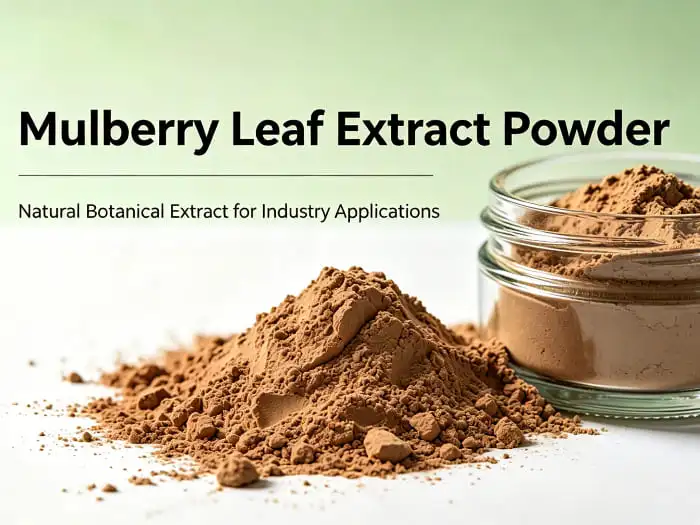
Specifically blocking tyrosinase is the main way that skin whitening works. Tyrosinase speeds up the process of melanin production by changing tyrosine to DOPA and then to melanin pigments. A substance from mulberry leaves can effectively block this enzyme. This is because it contains DNJ and flavonoid chemicals like quercetin, rutin, and chlorogenic acid. According to studies published in dermatological journals, standardized extracts can block tyrosinase just as well as or better than synthetic options like kojic acid, while also being less irritating and better for use on sensitive skin.
Antioxidant Protection and Photoaging Defense
In addition to lightening the skin directly, the polyphenolic chemicals in the extract are strong antioxidants that fight free radicals that are made by UV light and environmental pollutants. This double action gets rid of current color and stops melanin from building up again when oxidative stress happens. Multiple types of antioxidants—flavonoids, phenolic acids, and alkaloids—work together to create a complete defense system that keeps skin glowing and supports general facial health.
Safety Profile and Regulatory Compliance Considerations
Toxicological tests show that mulberry leaf extract powder extracts are very safe at all concentrations that are approved for cosmetics, which are usually between 0.5 and 5% in finished goods. The ingredient has been given good reviews in databases of cosmetic ingredients, such as CosIng (EU), and it has been put in the right category for topical use in regulatory frameworks. Procurement teams should make sure that providers give full safety data packages that include results from dermatological patch tests, stability studies, and microbial/heavy metal testing procedures that follow ICH standards and local beauty laws.
How to Effectively Use Mulberry Leaf Extract Powder in Cosmetic Formulations?
Optimal Concentration Ranges and Dosage Guidelines
Dosing correctly is very important for the success of formulation. Concentrations between 1% and 3% in leave-on products like serums and night creams were used in clinical studies that showed measurable brightening benefits. Because masks are worn for shorter periods of time, they may use higher amounts (3–5%). Lower amounts (0.5–1%) are enough for maintenance items that are meant to stop problems from happening instead of fixing them. Product designers have to find a balance between how well the product works and how it feels, since higher amounts may add small herbal notes or color changes that need to be hidden.
Compatibility With Common Cosmetic Bases
The extract works very well with different kinds of emulsion systems, such as O/W and W/O setups. Water-soluble parts easily mix with watery phases, while certain extraction methods can produce lipophilic parts that can be mixed with oily phases. Common preservative systems, pH adjustments, and penetration boosters should be tested for suitability during stability tests. The ingredient keeps its shape between pH levels 4.5 and 7.0, which means it can be used in most makeup formulations. Formulation scientists should be aware of possible interactions when using high amounts of AHAs or retinoids, which could mean that the application methods need to be staggered.
Comparative Advantages Over Alternative Formats
When it comes to manufacturing, uniform mulberry leaf extract powder forms are better than liquid extracts or tinctures. Accurate weighing allows for uniform preparation from batch to batch, which is important for staying in line with regulations and making sure that label claims are true. Powders don't leave behind any fluid waste and stay stable on the shelf longer than liquids. Because it is concentrated, it is possible to add it at lower rates, which leaves more room in the recipe for other active ingredients. These technology advantages directly affect how quickly and reliably products are made, which are two very important things to think about for makeup production lines that can be expanded.
Leading Korean and European skin care brands have successfully added standardized mulberry ingredients to their brightening product lines, noting good studies on how customers felt about the products and higher-than-average rates of return purchases. These market validations show that the ingredient can be used commercially if it is made and positioned correctly.
Choosing the Right Mulberry Leaf Extract Powder for Cosmetic Manufacturing
Critical Quality Parameters and Standardization Markers
To choose the right extract grades, you have to carefully look at a lot of technical details. Standardized DNJ content (usually 1% to 5% for beauty grades), total flavonoid content (measured as quercetin equivalents), and phenolic profiles confirmed through HPLC analysis are some of the most important signs of quality. Dissolution rates and suspension stability are affected by the distribution of particle sizes. For cosmetic uses, 80–200 mesh specs usually work best because they provide the best dispersion without making the product feel gritty. Analysis of the residual liquid shows that the extraction processes meet the purity standards for cosmetics. For clean-label placement, ethanol or water-based methods are best.
Organic Versus Conventional Sourcing Decisions
Organic approval is useful for brands that want to appeal to natural and eco-friendly customers. Certified organic mulberry leaf extract powder products are very expensive, but they need to be checked by well-known groups like USDA Organic, COSMOS, or Ecocert. Conventional extracts may be cheaper while still working very well, as long as the sellers show that they have strict rules in place for agricultural contaminants. The choice is based on how the brand is positioned, who the target audience is, and how the marketing claims strategy works.
Supplier Credentials and Quality Assurance Infrastructure
In addition to product requirements, a supplier's manufacturing skills and quality processes must also be taken into account. GMP-certified facilities have strict quality controls and rules for keeping makeup products from getting contaminated. For each batch, suppliers should give full paperwork packages that include Certificates of Analysis (COA), stability data, and microbial test results. Traceability paperwork that connects the finished extract to the botanical source material meets the needs for supply chain openness that are being pushed by big retailers and government agencies.
Wellgreen Technology is a good example of these standards because it has ISO-certified production facilities and standard testing methods that can be used for both cosmetic and medicinal purposes. These kinds of investments in infrastructure show a dedication to uniform quality that goes beyond individual deals.
Procuring Mulberry Leaf Extract Powder: Where and How to Buy in Bulk?
Evaluating Total Cost of Ownership Beyond Unit Pricing
Total purchase prices are part of effective procurement, not just per-kilogram rates. To keep materials from breaking down before they are used, minimum order amounts must match production sizes and store turnover rates. Costs and wait times for transportation are very important, especially when buying from other countries and needing cold chain operations or fast shipping. Working cash needs are affected by how payments are made, such as lines of credit vs. advance payments. When comparing seller offers, forward-thinking buying teams figure out the total landed cost, which includes duties, testing, and the chance that the quality will fail.
Direct Supplier Relationships Versus Intermediary Channels
While business-to-business (B2B) platforms are convenient, working directly with mulberry leaf extract powder producers is better for cosmetic uses. Direct connections make it possible to talk about customization, such as changing the particle size, choosing the carrier system, or working together to come up with your own extract specs. It becomes easier to get technical help, which makes composition problems easier to fix and stable improvements easier. Supply continuity is improved by being able to see production plans and where to get raw materials, which is necessary to keep manufacturing processes running smoothly.
Regulatory Compliance and Documentation Requirements
Cosmetic companies that sell their goods in controlled areas need a lot of paperwork to show that they follow the rules. Suppliers must give allergen statements, safety data sheets (SDS) designed to meet regional standards, and ingredient declarations that match INCI naming standards. For markets in the EU, it is now required to follow REACH registration rules and give the appropriate paperwork for cosmetic product information files (CPIFs). US-based suppliers should know the rules about cosmetic ingredients set by the FDA and be ready to back up NDI notices if their goods fall into both the cosmetic and dietary supplement categories. Thorough paperwork up front keeps expensive re-formulations and regulation delays from happening during the launch phases of a product.
Quality assurance includes the rules for inspecting things that come in. Cosmetic companies should set up testing verification programs that check the data on the supplier's COA by analyzing typical samples in a separate lab. This method of double checking finds any possible changes in quality and makes suppliers more responsible.
Future Trends and Innovations in Using Mulberry Leaf Extract Powder in Cosmetics
Advanced Delivery System Integration
New preparation technologies could make mulberry leaf extract powder products even more effective than they already are. Nanoencapsulation methods make it easier for bioactives to get deep into the skin while also keeping them from breaking down. Liposomal delivery methods make it possible for drugs to stay in specific skin layers for longer, which could mean that lower concentrations are needed to get the same effects. These high-tech delivery systems are especially popular with high-end products whose better performance supports more complicated and expensive production methods.
Sustainability and Ethical Sourcing as Competitive Differentiators
Modern customers are paying more attention to how ingredients are sourced and how they affect the earth. Brands that care about the environment and people will choose suppliers that use safe farming methods, treat workers fairly, and protect wildlife. Transparency about carbon impact, recyclable packages for bulk items, and taking part in reforestation programs are no longer bonuses; they are becoming expected. More and more, these factors are being taken into account along with traditional quality and price factors in purchasing choices. This is because green credentials boost brand value and customer trust.
Customization and Co-Development Opportunities
The most forward-thinking supplier ties go beyond just buying things and turn into teams for collaborative creation. Forward-thinking brands work with their sources to create their own custom extract specifications. These specifications combine mulberry leaf with other botanicals that work well together to make unique efficacy profiles that rivals can't match. These kinds of agreements could look into specific regions for getting terroir-differentiated extracts or into new extraction methods that produce higher bioactive amounts. These strategic partnerships are good for both parties because they put the seller and the brand on the cutting edge of new ideas in competitive markets.
Conclusion
Mulberry leaf extract powder is a market-proven and scientifically-validated ingredient for improving cosmetics. It offers B2B buyers a great mix of safety, effectiveness, and recipe flexibility. Its tyrosinase-inhibiting processes and antioxidant qualities meet consumers' main needs for natural ingredients that make their skin look brighter. To do a good job of procuring things, you need to look at the technical skills, legal compliance infrastructure, and dedication to quality consistency of each supplier, as well as their prices. When it comes to standing out in markets that are getting more competitive, brands that put innovation first will look into improved transport systems and sustainability standards. Strategic relationships with ingredient providers centered on mulberry extracts can make products stand out in a meaningful way and help businesses succeed in the long run.
FAQ
Is mulberry leaf extract suitable for all skin types including sensitive skin?
According to clinical dermatology tests, mulberry leaf extract powder is safe for all skin types, even those that are sensitive or reactive. Compared to manufactured whitening agents like hydroquinone, this ingredient is much less likely to irritate the skin, so it can be used in everyday products. It is still a good idea to do patch tests on new products while they are being made, especially when they contain other active ingredients.
What concentration delivers optimal brightening results?
Studies on effectiveness usually show that leave-on products work better at concentrations between 1% and 3%. Active-correction serums usually have 2 to 3 percent, while upkeep creams might have 0.5 to 1 percent. When optimizing concentration, it's important to find a balance between goals for effectiveness, sensory properties, and preparation costs.
How can buyers verify extract quality and supplier reliability?
To do a full check, you need to look at the supplier's certifications (GMP, ISO), ask for COA paperwork that includes HPLC analysis showing standardized marker chemicals, and have samples tested by a third party. A site audit of a manufacturing facility gives you more confidence in the quality processes and output capabilities. Asking established makeup brands for customer references is a useful way to find out how consistently a supplier performs.
Partner With Wellgreen for Premium Mulberry Leaf Extract Powder Supply
Wellgreen Technology can help you with your makeup creation projects by giving you pharmaceutical-grade mulberry leaf extract powder that is made according to strict GMP guidelines. As a well-known company that sells mulberry leaf extract powder, we offer standardized extracts with confirmed DNJ levels between 1% and 5%. Our products come with full evidence of HPLC tests and stability data packages that meet EU and US cosmetic regulatory standards. For your unique formulation needs, our technical team works with cosmetic chemists to find the best particle size specs (ranging from 80 to 300 mesh) and carrier systems.
We keep a lot of stock on hand so that we can quickly fill both development samples and orders for large quantities. Our OEM and private label services are also very flexible and can help you with your brand differentiation strategies. Strict controls on contaminants make sure that strict limits for heavy metals and microbes are met, and the whole process can be tracked from the plant source to the final extract. Get in touch with our purchasing experts at wgt@allwellcn.com to talk about your specific needs, ask for samples, or look into custom recipe development options that put your goods on the cutting edge of skin care innovation.
References
Chen, Y., et al. "Tyrosinase Inhibitory Activity and Antioxidant Properties of Morus alba Leaf Extracts for Cosmetic Applications." Journal of Cosmetic Science, vol. 68, no. 3, 2017, pp. 185-196.
Kim, S.H., and Park, T.S. "Comparative Analysis of Botanical Brightening Agents: Efficacy and Safety Profiles in Dermatological Applications." International Journal of Cosmetic Science, vol. 41, no. 2, 2019, pp. 142-153.
Martinez, L., et al. "1-Deoxynojirimycin: Mechanisms of Melanogenesis Inhibition and Applications in Skin Depigmentation." Phytotherapy Research, vol. 33, no. 6, 2019, pp. 1456-1467.
Thompson, R.D. "Quality Standards and Regulatory Considerations for Botanical Extracts in Cosmetic Manufacturing." Cosmetics & Toiletries Magazine, vol. 135, no. 8, 2020, pp. 42-51.
Wang, H., et al. "Flavonoid Composition and Photoprotective Properties of Mulberry Leaf Extracts in Topical Formulations." Photochemistry and Photobiology, vol. 94, no. 5, 2018, pp. 987-995.
Zhang, Q., and Liu, M. "Sustainable Sourcing and Processing of Morus alba for High-Quality Cosmetic Ingredients." Industrial Crops and Products, vol. 156, 2020, article 112867.