The Future of Vegan Protein: Is Agaricus Bisporus Powder the Answer?
2026-07-07 14:00:00
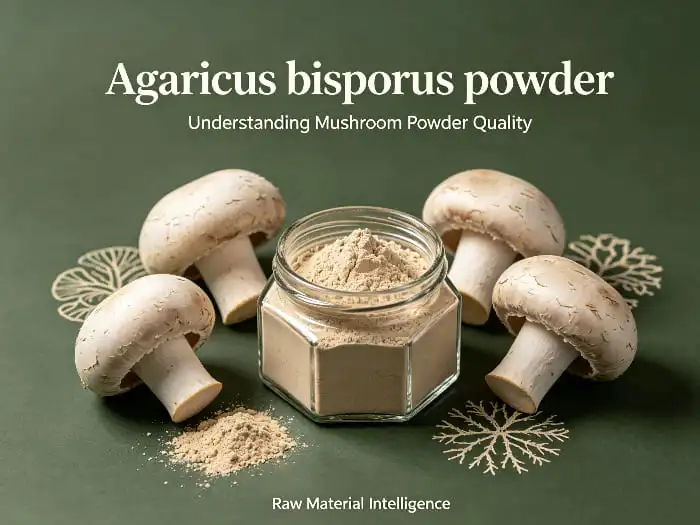
As the interest in plant-based nutrition has grown, new products have been made in many areas. One popular choice is Agaricus bisporus powder. Agaricus bisporus, the white button mushroom, is the source of this natural ingredient. It is high in protein from plants. Not only that, but it tastes great and is clean-label approved. That it has a healthy mix of amino acids, natural fiber, and vitamin D precursors makes it more than just another vegan protein source. It's a useful ingredient that helps modern formulators do things like lower salt, switch out MSG, and make nutrition last longer. The world's markets are becoming more open and eco-friendly. White button mushroom powder is very healthy and can be used in many ways that aren't possible with other protein sources.
Understanding Agaricus Bisporus Powder as a Vegan Protein Source
What Makes White Button Mushroom Powder Unique?
To make white button mushroom powder, you need to choose the right Agaricus bisporus mushrooms, clean, dry, and grind them very well. It is normal for this process to keep the useful chemicals while making an ingredient that can be kept for a long time and can be used in business. Minerals like selenium, potassium, and copper are found in large amounts in the powder. Protein makes up about 25 to 35 percent of its dry weight. The natural glutamic acid in this ingredient makes it one of a kind. It gives food a real umami taste without using fake flavor enhancers. As the food is dried, the wetness level drops to below 8%, concentrating the nutrients. Microbes can't grow, which is important for uses that are safe for food.
Nutritional Profile and Functional Benefits
As well as protein, foods that come from mushrooms also have beta-glucans, which are known to help the immune system. Polysaccharides that were in the powder before it was prepared are still there and solid. These work well in functional food recipes because they are prebiotic. People who take supplements are making more and more claims about metabolic health, which is supported by keeping vitamin B complex in the body, especially riboflavin and niacin. When ergosterol is put in UV light, it turns into vitamin D2. And this lets people make things that are stronger. By binding water and making people feel full, the fiber grid changes the structure of meat alternatives. Both of these effects are important for weight control products.
Processing Methods and Quality Considerations
Controlled cooling methods are very important for the quality of the goods that are made. Most of the time, hot air drying is still the cheapest option. However, spray drying makes particles smaller and easier to mix into drinks. Freeze-drying is the only way to make high-end nutritional grades because it protects chemicals that are sensitive to heat. How well it breaks and how it feels in your mouth depend on the size of the mesh. This means that 200-mesh powder works well for quick mixes and thicker grades work better for flavor mixes. Keep a close eye on the microbial parameters. For food-grade approval, the overall plate counts must stay below 10,000 CFU/g, and harmful bacteria, mold, and yeast must be tightly controlled. EU and FDA rules are followed when heavy metals like lead, cadmium, and mercury are tested. This makes buyers feel better about growing poisons.
Comparing Agaricus Bisporus Powder with Other Mushroom-Based Protein Sources
Nutritional Benchmarking Against Specialty Mushrooms
Because of their unique bioactives, shiitake and maitake goods get a lot of attention. But button mushroom powder has more nutrients that can be used in everyday life. Shiitake has more lentinan than other mushrooms, which is good for health supplements. However, its strong taste makes it hard to use in products that don't taste like anything. It costs a lot more because it is harder to grow, but maitake has more beta-glucan. When it comes to low price, mild taste, and high nutritional value, the white button mushroom is the best choice. This makes it useful for making a lot of food at once, where cost-per-serving is important as well as value.
Organic Versus Conventional: Quality and Certification Impact
Organic approval is helpful, but there must be clear records of the whole supply chain for it to work. Both the USDA NOP and EU 834/2007 organic standards are met by organic Agaricus bisporus powder. This makes it a good choice for brands that want to attract health-conscious customers who are willing to pay more. Common options have similar nutritional values and cost less, which makes them good for mass-market goods that need to compete. It will depend on the market the product is aimed at to make the choice. Some high-end supplements may want to buy their ingredients from organic sources, while corporate food uses may want to make sure that costs and supplies stay stable. The guidelines for microbial safety are the same for both types, but residues of man-made herbicides are not allowed in organic approval, which makes testing easier.
Powder Versus Extract: Application Suitability
Whole mushroom powder keeps all of its fiber and minerals, so it's great for making plant-based meals and bars that are meant to make you feel full more interesting. Because concentrated extracts make some substances, like polysaccharides or beta-glucans, more uniform, they work better for pill vitamins that need to be accurate about how much to give. Extracts are made by first putting them through a process with water or alcohol and then concentrating them. This gets rid of the rigid fiber and makes them more accessible. Most of the time, companies mix the two when they make useful drinks. Powder gives it body and taste, and extract makes sure that the active ingredients are always present. If buying teams know about this difference, they can choose the right forms that fit the goals of the formulation and the production tools.
Procurement Insights: Sourcing Agaricus Bisporus Powder for B2B Clients
Evaluating Supplier Credibility and Certifications
The first thing you should do when doing study is to check out GMP production sites and ISO 22000 food safety management systems. A good certificate of analysis will have details on the moisture level, bacteria limits, heavy metal screening, and protein test. Traceability papers should be able to link finished powder to planting lots. This is necessary for government checks and to handle recalls. Tests done by outside labs like Eurofins or SGS are more convincing than statistics given by the seller. People who work on supply deals have the right to audit buildings to see how clean they are and what quality control measures are in place. This has a direct impact on how alike the goods are.
Minimum Order Quantities and Flexible Specifications
When it comes to normal grades, the MOQ for corporate buyers is generally between 500 kg and 1,000 kg. But trustworthy manufacturers can take on smaller orders at first to help with research and development. When you need specific mesh sizes, moisture goals, or mixed formulas, the MOQ may go up because of the specialized production runs that are needed. Private label services let you make your brand stand out without having to spend a lot of money on processing gear. Suppliers create the package, make the food panels, and handle the paperwork that needs to be done to meet government standards. There are good OEM ties for well-known brands that need special mixes that include mushroom powder with things that work well together, like pea protein or herbs that help the body adapt. Getting open order plans helps keep inventory levels in line with expected sales. This way, having too much stock doesn't put a strain on cash flow.
It's important to be clear about wait times if you want to build good ties. Standard goods take two to four weeks to arrive during busy times, and approved organic materials take six to eight weeks. If you are buying something from another country, you need to make sure you understand the Incoterms (FOB, CIF, DDP) that say who is responsible for the freight, insurance, and customs clearance. When you ship more in containers, the costs are lower, but when you need to replace quickly, air freight costs more. In order for powder to be properly dried, operations that control temperature are still not needed. However, operations that control humidity during transport keep powder from absorbing water, which shortens its shelf life.
Understanding Market Pricing Dynamics
A lot of things affect the price, like how much it costs to get organic certification, how small the mesh is (which affects how long it takes to process), and the type of packaging (which can be anything from big bags to boxes that are ready for consumers). There is even more doubt because changes in the market are linked to how well mushroom farms do. For instance, bad weather that destroys crops can temporarily lower the supply. Deals for long-term supplies that link changes in prices to seller rates protect both sides from big price changes. You can set fair prices and avoid the risks that come with depending on just one source by getting quotes from several qualified providers. When people buy in bulk, they can often get deals on the prices, but they need to think about how much it will save them compared to the cost of keeping the goods and how long they will last on the shelf.
Application Scenarios and Market Potential of Agaricus Bisporus Powder
Integration in Plant-Based Protein Supplements
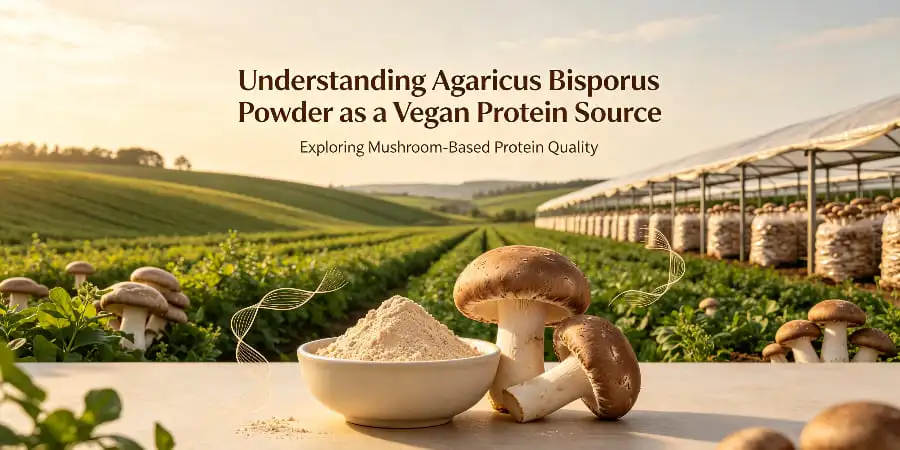
Proteins from peas, rice, or hemp are mixed with organic agaricus bisporus powderto get full amino acid profiles and useful value that goes beyond the macronutrient content. Plant proteins have earthy notes that are hidden by umami. This makes the food taste better without adding any fake flavors. A normal mix might have 10–15 percent mushroom powder along with the main protein sources. This adds taste, nutrients, and a marketing edge. The capsules have a pure mushroom preparation that has been checked for polysaccharide levels. Study-backed comments about overall health are backed up by this. Stick packs of powder are made for people who want an easy and quick way to get their nutrition. For good habits on the go, you can mix them into breakfast or shakes.
Functional Food and Beverage Innovation
As part of the "clean label" trend, mushroom powder is being used more in savory snacks, energy bars, and instant soups because it makes them taste better and requires less salt. Two techniques that help beverage makers who are having trouble with solubility are ultra-fine grinding and pre-hydration. Mix mushroom powder with ready-to-drink protein shakes that have a chocolate or vanilla base to give them a mild earthy taste. The savory depth and ability to hold water are used by plant-based meat replacements to make the food more juicy and tasty, which is important for getting people to buy it. To stay in line with clean label rules and keep the taste strong, companies that make seasoning mixes use mushroom powder instead of MSG.
Emerging Opportunities in Cosmetics and Pet Nutrition
Ingredients from mushrooms are added to skin care items to help them work as vitamins. Because they link what you eat to how healthy your skin is, powder forms are better for taking as beauty nutrients. Biotin, hyaluronic acid, and amino acids that come from mushrooms are all in collagen-alternative products. This makes them appealing to vegans who are looking for beauty choices. There is a lot of room for new pet food to grow because natural ingredients are in line with trends toward making animals more like people. This means that pet owners want the best nutrients for their pets. Of course, mushroom powder is added to food to make it taste better. Prebiotic fiber is also in it, which is good for gut health and a big fear for pet parents.
Conclusion
The nutritional science behind white button mushroom powder, the need to be eco-friendly, and the desire of customers for honesty all come together in this one element. It solves important formulation problems in functional foods, supplements, and new categories thanks to its unique mix of plant-based protein, natural taste, and functional versatility. When you buy something, you should check the sellers' credentials, know what the quality standards are, and make sure that the items you use match the products they will be used in. Not only is Agaricus bisporus powder a hot ingredient, it is also a key part of how vegan nutrition and clean-label formulation are changing as laws favor natural ingredients more and people want to buy products with real sustainability stories.
FAQ
What protein content can manufacturers expect from white button mushroom powder?
Mushroom powder that is good for you should have between 25 and 35 percent protein by dry weight. The exact amounts rely on how the mushrooms were grown and handled. This can be used instead of many plant-based sources, and it's better for you because it has fiber and nutrients. Proof of protein analysis using tried-and-true methods like Kjeldahl nitrogen measurement should be part of standardized standards. People who want more protein might want to look into mixed recipes that have mushroom powder and plant proteins that have been split to get the right macronutrient profiles.
How does organic certification impact mushroom powder sourcing decisions?
Materials cost 20–40% more when they are approved for organic use, and you have to keep better records. Brands of high-end supplements can make this investment because they have a strong market place and people are willing to pay more for them. When you need to save money without lowering the quality, regular products that meet the same safety standards work well. The decision you make should fit with your business strategy, the people you want to reach, and how you see yourself in that market.
What shelf life can processors expect under proper storage conditions?
For 18 to 24 months, mushroom powder that has been dried properly and stored in sealed containers in a cool, dry place will stay good. But it's still very important to keep an eye on the humidity because too much of it makes things stick together and makes it easy for germs to grow. By stopping reactive breakdown, nitrogen washing during packing makes food last longer. First-in, first-out should be used to change buyers' products, and they should test them often to make sure they stay free of microbes and full of nutrients for the whole shelf life.
Partner with Wellgreen for Premium Agaricus Bisporus Powder Supply
It is safe to say that Wellgreen Technology can make Agaricus bisporus powder. They give quality that is good enough for pharmaceutical use and have many standards, such as GMP, ISO 22000, and organic qualifications. We can finish orders quickly because we have a large collection, and we keep tight controls on chemical residues, heavy metals, and bacteria factors to make sure they meet EU and US food-grade standards. As an OEM or private label company, you can work with us. We offer a wide range of specifications, from normal mesh grades to ultra-fine mesh grades, as well as custom solubility profiles that are made to fit your individual formulation needs. Each package has all the scientific information that you need, like Certificates of Analysis and reports from microbiological tests. This makes it easy to follow the rules that the government sets. For more information on why top brands choose Wellgreen as their Agaricus bisporus powder provider, email wgt@allwellcn.com and tell them about your project.
References
Valverde, M.E., Hernández-Pérez, T., & Paredes-López, O. (2015). Edible mushrooms: improving human health and promoting quality life. International Journal of Microbiology, exploring nutritional composition and bioactive compounds in Agaricus bisporus.
Roncero-Ramos, I., & Delgado-Andrade, C. (2017). The beneficial role of edible mushrooms in human health. Current Opinion in Food Science, examining protein quality and functional properties of cultivated mushroom species.
Muszyńska, B., Grzywacz-Kisielewska, A., Kała, K., & Gdula-Argasińska, J. (2018). Anti-inflammatory properties of edible mushrooms: A review. Food Chemistry, detailing bioactive polysaccharides and their mechanisms in Agaricus species.
Grimm, D., & Wösten, H.A.B. (2018). Mushroom cultivation in the circular economy. Applied Microbiology and Biotechnology, analyzing sustainability metrics and environmental impact of mushroom protein production.
Bach, F., Zielinski, A.A., Helm, C.V., Maciel, G.M., Pedro, A.C., Stafussa, A.P., & Ávila, S. (2019). Bio compounds of edible mushrooms: In vitro antioxidant and antimicrobial activities. LWT - Food Science and Technology, investigating functional properties relevant to food applications.
Reis, F.S., Martins, A., Vasconcelos, M.H., Morales, P., & Ferreira, I.C.F.R. (2017). Functional foods based on extracts or compounds derived from mushrooms. Trends in Food Science & Technology, reviewing commercial applications and formulation strategies for mushroom-derived ingredients.