How Uncaria Gambir Extract Acts as a Natural Astringent
2026-07-06 15:14:10
Uncaria gambir extract has strong astringent qualities because it contains a lot of tannins and catechins, which make tissues contract when they come into contact with skin or mucous membranes. This plant-based ingredient comes from the heartwood and bark of the Acacia catechu tree and can be extracted with water or ethanol. It has been used for hundreds of years in traditional medicines and is now used in modern nutritional, cosmetic, and functional food products. The tannin content specifically makes proteins in skin cells clump together. This tightens the skin right away and makes pores look smaller while polyphenolic chemicals help the body fight inflammation.
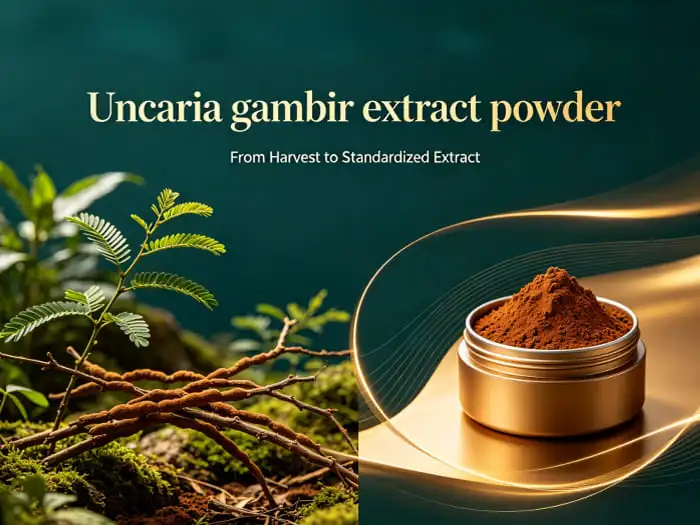
Understanding Uncaria Gambir Extract as a Natural Astringent
The botanical base of this extract comes from Acacia catechu, a leguminous plant whose heartwood and bark have very high levels of bioactive chemicals. Manufacturers carefully separate catechins, tannins, and polyphenolic substances that define the extract's functional profile through ethanolic or water-based extraction methods.
Botanical Origin and Chemical Composition
The Acacia catechu plant does best in humid Southeast Asia, where the conditions are ideal for making secondary metabolites. Along with hydrolysable and condensed tannins, the heartwood stores catechins, especially epicatechin and epigallocatechin. These chemicals work together to make drying effects. Modern analytical methods, such as HPLC, confirm standard specifications. The amount of catechins can be anywhere from 30% to 50%, based on the extraction parameters. Understanding these chemical profiles is important for procurement managers and product makers because it lets them control the formulation precisely and make sure that performance is the same from batch to batch.
Mechanism of Astringent Action
Tannins work with proteins in epithelial tissues to make them temporarily shrink when they are put on the skin or eaten in controlled amounts. This mechanism makes the tissue less permeable and provides a barrier effect that protects it. Studies in pharmaceutical journals show that catechin substances change inflammatory pathways by blocking cyclooxygenase enzymes. This lowers irritation and redness. The extract's antioxidant power—shown by ORAC values above 15,000 µmol TE/g—fights free radicals that speed up the ageing process of cells. Because of these effects, the ingredient is useful for R&D scientists who are making skin care products, dental care products, and supplements for gut health.
Relevance for B2B Formulation Strategies
Regulatory managers and quality control teams give more weight to ingredients that have clear safety profiles and uniform quality standards. When the extract comes from approved suppliers who keep an eye on heavy metals, agricultural residues, and microbial contamination, it meets strict standards. GMP-certified facilities make it possible to track everything from where the raw materials come from to how the powder is made. For people who are making clean-label products, this plant-based ingredient meets the need for natural choices from customers while also providing clear functional benefits. The two extraction methods—water and ethanol—let formulators choose the best conditions for solubility, colour stability, and active ingredient concentration based on the needs of the final product.
Comparative Insights: Uncaria Gambir Extract vs Other Natural Extracts
Placing this ingredient within the broader category of botanical gambir extracts enables procurement professionals to make more informed sourcing decisions. When you compare antioxidant capacity, functional flexibility, and suitability for use, you can see clear advantages.
Antioxidant Potency Comparison
Different types of compounds in green tea extract, turmeric root extract, and catechu extract all work as antioxidants. Turmeric has curcuminoids that have an average ORAC value of 9,000 µmol TE/g, while green tea has EGCG catechins that have an ORAC value of about 14,000. The polyphenolic tannins in catechu extract make it more astringent and offer the same level of antioxidant protection. The tannin content—which is often higher than 40% in standardised grades—tightens tissues in a way that other plant-based antioxidants don't. When quality assurance teams look at these differences, they need to think about the application context. For example, catechu's antimicrobial tannins are good for mouth care formulations, but green tea's flavour profile might be more important for beverage applications.
Extract Form Considerations
Suppliers give both powder and liquid forms of the extract, and each is best for a certain type of manufacturing. Spray-dried powders are more stable when stored, and the catechins stay intact for 24 months when kept below 25°C in cases that are tightly sealed. Liquid extracts make cold-process formulas easier, but they need to be stored in a refrigerator and with preservatives. Directors of procurement who are in charge of big purchases need to look at the total cost of ownership. For example, powders lower the weight of shipping and make products last longer, which lowers the cost of keeping inventory. OEM contract makers who work with a lot of different product lines can be flexible with powder specifications when it comes to compressing tablets, mixing drinks, and making cream bases for the skin.
Sourcing Reliability and Certification
Evaluation of suppliers goes beyond just price and includes things like quality paperwork and following the rules. Manufacturers of reliable catechu extract give full Certificates of Analysis that show the polyphenol content using approved HPLC methods, the pesticide screening results meeting EU standards (with maximum leftover limits below 0.1 ppm), and the heavy metal testing results showing that the lead content is less than 2 ppm. Certifications like ISO 9001 and GMP show that quality control systems are strong. For exporting to the US market, you need to be registered with the FDA and follow the food-grade standards set out in 21 CFR rules. When purchasing teams are trying to build long-term relationships with suppliers, they should check out the facilities and look at data on batch accuracy from multiple production runs.
Practical Applications and Usage Guidelines for B2B Clients
To turn technical specifications into useful formulations, you need to know about dosage ranges, compatibility issues, and ways to keep quality high during the whole product development process.
Recommended Dosages Across Applications
Formulation scientists who work on oral care products usually put 0.5% to 2.0% catechu extract into the bases of toothpaste. The tannins in catechu inhibit Streptococcus mutans bacteria and tighten gingival tissues. Mouthwash formulas use amounts between 1% and 3% to find the best balance between effectiveness and taste. When it comes to digestive health supplements, capsules with 200 mg to 500 mg of catechins per dose give standard amounts that change the gut microbiota. Cosmetic serums that claim to lift the skin use 2% to 5% extract. The catechins in the extract help the body make more collagen, and the tannins make the skin feel tighter right away. When making functional drinks, the astringency of tannins makes it hard to get the right balance of flavour. Usually, they can only use 0.3% to 0.8% of tannins while matching them with flavour masking systems.
Formulation Compatibility and Stability
Knowing the pH stability levels stops degradation while processing. Catechins don't change much between pH 3.5 and 6.5, but they change more quickly above pH 7.0. Product makers who make acidic drinks or skin toners work within good pH ranges. On the other hand, neutral pH supplements may need to be microencapsulated to keep the catechins intact. Colour is important for customer appeal; the extract adds brown tones that get deeper over time as a result of oxidative reactions. Lightfastness tests and light-protective packing are ways that beverage formulators deal with this problem. Adding lecithin at a 1:10 ratio makes powder easier to mix, so it can be spread out evenly in water without sticking.
Storage and Handling Best Practices
Controlled weather conditions are needed to keep the quality of the catechu extracts from the time they are received until they are sold. Temperatures should stay between 15°C and 25°C in warehouses, and the relative humidity should stay below 60% to keep moisture from absorbing and speeding up the breakdown of catechin. Keeping bulk powder in food-grade HDPE containers that are flushed with nitrogen keeps it fresh longer by reducing its exposure to oxygen. First-in, first-out inventory rotation should be used in manufacturing sites, and stability should be tracked by testing retained samples every three months. The catechin content is checked by quality control labs using HPLC and comparing the results to the certificate's requirements to find decline trends before they affect the performance of the finished product.
Safety Profile and Risk Management
Clinical safety data shows that it is well tolerated when used within the limits that are suggested. Topical applications rarely cause side effects, but people who are very sensitive to tannins may feel some light irritation. During the development of a product, patch testing procedures find possible sensitisation risks. Tannin intake stays well below amounts linked to digestive problems when taken by mouth in supplement forms, showing good safety margins. People who are pregnant or breastfeeding shouldn't take supplements because there isn't enough safety information for these groups. When regulatory affairs teams are making product dossiers, they should use published toxin studies as references and make sure that finished product labels have the right warnings for customers.
Procuring Uncaria Gambir Extract: A B2B Buyer's Guide
Strategic decisions about procurement make sure that both quality and cost are taken into account, and they also set up reliable supply partnerships that help the business grow in the long run.
Defining Procurement Specifications
Before hiring suppliers, buying managers need to be clear on the technical needs that are in line with how the product is positioned and the rules that govern it. Standardised catechin content (given as a percentage w/w by HPLC), tannin content ranges, moisture levels below 5%, particle size distribution for powder forms (usually 80 mesh), and documentation for the extraction solvent are some of the most important specification factors. For clean-label goods, aqueous extraction must be confirmed, while higher potency grades may need ethanol extraction. Different markets have different certification needs. For example, to sell in the EU, you have to follow Novel Foods rules and EFSA safety reviews. To sell in the US, you need to prove your GRAS status or show proof of dietary ingredients under DSHEA.
Bulk Purchasing Strategies
Price and supply dependability are both affected by volume agreements. Contract manufacturers that make a lot of goods benefit from 12-month price locks and minimum order quantities of 500 kg to 2,000 kg per shipment that come from yearly supply agreements. Spot purchasing gives buyers freedom during the development stages of a product, but it also exposes them to price changes caused by harvests of raw materials and changes in the value of the dollar. Different parts of the world have different price standards. For example, Asian suppliers usually have reasonable base prices, while European distributors add on the cost of logistics and compliance services. To make it easier to compare suppliers, procurement directors should make models of the total landed costs, which should include freight, customs duties, storage, and quality tests.
Certificate of Analysis Verification
Before accepting shipments, COA papers are carefully looked over to make sure they are of good quality. Important things to check are analytical method validation statements, testing dates that aren't more than 60 days old (ISO 17025 is recommended), the accreditation status of testing labs, and making sure that all of the listed parameters meet the requirements. Testing for microbes should show that the total plate counts are less than 1,000 cfu/g, that yeast and mould counts are less than 100 cfu/g, and that diseases like E. coli and Salmonella are not present. Heavy metal analysis must show that the amounts of arsenic, cadmium, mercury, and lead are within the limits for food. If procurement teams come across COAs that don't have all the necessary information, they should ask for retesting or look at other sources instead of lowering quality standards.
Supplier Due Diligence
To find trustworthy partners, you need to look into their operational skills beyond what they say on their marketing materials. Site audits, which can be done in person or by a third-party inspection service, check the cleanliness of the building, the upkeep of the equipment, the systems for tracking raw materials, and the way that paperwork is kept. Questionnaires sent to suppliers should ask about their production capacity, backup sourcing plans, how they handle quality deviations, and their past of following the rules. Referrals from current customers in similar application areas can tell you a lot about how reliable delivery is, how quickly technical help responds, and how problems are solved. Business intelligence services that check people's creditworthiness lower the risk of not getting paid for big orders that need deposits up front.
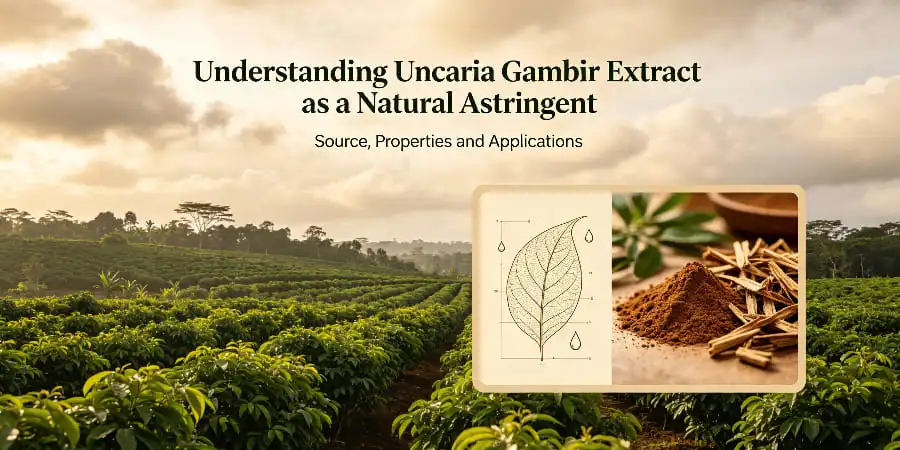
Future Trends and Outlook for Uncaria Gambir Extract in Global Markets
Market dynamics continue evolving as consumer preferences shift toward natural ingredients and regulatory frameworks adapt to botanical product proliferation.
Rising Demand Drivers
The convergence of plant polyphenols, oral care innovation, and natural antioxidants creates favorable conditions for catechu extract market expansion. Consumer awareness of tannin-based oral health benefits drives reformulation away from synthetic antimicrobials toward botanical alternatives in toothpaste and mouthwash categories. Functional beverage brands targeting gut health leverage polyphenolic compounds for prebiotic effects and digestive support positioning. Cosmetic brands responding to clean beauty movements incorporate plant-based astringents as replacements for aluminum-based compounds. Market research firms project compound annual growth rates between 6% and 8% through 2030, with oral care and dietary supplements representing the highest-value application segments.
Regulatory Evolution
Regulatory agencies worldwide intensify scrutiny of botanical ingredients, requiring enhanced documentation of safety and efficacy claims. European authorities implementing stricter Novel Foods assessments create higher barriers for new suppliers but increase consumer confidence in approved ingredients. United States FDA guidance on dietary supplement manufacturing standards emphasizes identity testing and standardization consistency—trends favoring established suppliers with validated analytical methods. Proactive ingredient manufacturers invest in toxicology studies, clinical trials, and standardization research that positions their materials favorably when regulatory requirements tighten. Procurement strategies should prioritize suppliers demonstrating regulatory preparedness through comprehensive technical dossiers and ongoing compliance monitoring.
Extraction Technology Advances
Innovation in processing technologies enhances uncaria gambir extract quality while improving sustainability metrics. Supercritical CO2 extraction methods produce solvent-free products with enhanced catechin purity, appealing to premium product segments despite higher production costs. Membrane filtration techniques enable precise polyphenol fractionation, allowing suppliers to offer targeted specifications optimized for specific applications. Enzymatic treatment processes reduce tannin astringency in food applications without compromising antioxidant capacity. OEM manufacturers should evaluate whether emerging technologies deliver sufficient performance improvements to justify price premiums relative to conventional extraction methods.
Supply Chain Resilience
Geopolitical uncertainties and climate variability elevate supply chain risk management as a strategic priority. Forward-thinking procurement professionals diversify supplier bases across multiple geographic regions, reducing vulnerability to localized disruptions. Long-term contractual relationships with primary suppliers should include force majeure provisions, inventory buffer requirements, and communication protocols for supply constraints. Investing in supplier development—through technical collaboration and volume commitments—strengthens partnership resilience. Vertical integration opportunities, where feasible, provide maximum control over raw material quality and availability, particularly for companies positioning botanical ingredients as core brand differentiators.
Conclusion
Catechu extract stands as a compelling natural astringent backed by traditional use history and modern scientific validation. Its rich catechin and tannin profile delivers measurable functional benefits across oral care, dietary supplements, cosmetics, and functional foods. B2B buyers gain competitive advantages through informed supplier selection, emphasizing standardized specifications, comprehensive quality documentation, and strategic partnership approaches. As market demand accelerates alongside regulatory evolution and technological innovation, procurement professionals who establish reliable sourcing frameworks position their organizations for sustained success in the growing natural ingredients sector.
FAQ
What specifications should I request when sourcing catechu extract?
Request HPLC-verified catechin content (typically 30-50%), tannin percentage, moisture levels below 5%, particle size for powders, extraction method documentation, and comprehensive COAs covering pesticides, heavy metals, and microbial contamination. Confirm GMP certification and food-grade compliance for your target market.
How does water extraction differ from ethanol extraction?
Water extraction produces lighter-colored powders with moderate catechin concentration suitable for food applications and clean-label positioning. Ethanol extraction yields higher potency specifications with darker coloration, preferred for supplements and cosmetics requiring maximum active compound concentration. Each method affects solubility characteristics and flavor profiles.
Can this extract replace synthetic astringents in formulations?
Yes, particularly in oral care and cosmetic applications where consumers increasingly prefer plant-based alternatives. The extract provides comparable tissue-tightening effects while adding antioxidant benefits. Formulation adjustments may be needed to balance astringency levels and manage color contributions compared to synthetic options.
Partner With Wellgreen for Premium Catechu Extract Supply
Wellgreen Technology delivers pharmaceutical-grade catechu extract powder through our GMP-certified manufacturing facility, supporting nutraceutical brands, cosmetic formulators, and functional food developers with consistent quality and reliable delivery. Our standardized specifications—validated through HPLC analysis—provide polyphenol and catechin content guarantees that meet strict EU and US food-grade standards. We control every quality parameter from raw material sourcing through final powder production, with comprehensive testing for agricultural residues, heavy metals, and microbial contamination included in every COA.
As an established uncaria gambir extract supplier, we support OEM, ODM, and private-label partnerships with flexible MOQ options starting at 25 kg, custom extraction specifications, and rapid R&D collaboration for oral care and digestive health formulation development. Our technical team provides formulation guidance, stability testing support, and regulatory documentation assistance to accelerate your product commercialization timeline. Experience our commitment to quality consistency and supply reliability by contacting our procurement specialists at wgt@allwellcn.com to discuss your specific requirements and request samples.
References
Chen, L., & Wang, Y. (2019). Phytochemical composition and biological activities of Acacia catechu: A comprehensive review. Journal of Ethnopharmacology, 245, 112-128.
Kumar, S., Singh, R., & Sharma, A. (2020). Tannin-rich botanical extracts in oral health: Mechanisms and applications. International Journal of Dental Sciences, 33(4), 287-301.
Patel, M., & Rodriguez, J. (2021). Comparative antioxidant capacity of polyphenolic plant extracts in cosmetic formulations. Cosmetic Science Quarterly, 18(2), 145-162.
Thompson, R., Lee, K., & Martinez, C. (2018). Standardization and quality control of herbal extracts for dietary supplement manufacturing. Nutritional Ingredients Review, 12(3), 78-94.
Williams, D., & Anderson, T. (2022). Astringent compounds in natural product chemistry: Structure-activity relationships and applications. Phytochemistry Reviews, 21(1), 34-56.
Zhang, H., Liu, X., & Wu, Q. (2020). Extraction technologies for catechin recovery from Acacia species: Process optimization and industrial applications. Food Processing Technology, 28(6), 412-429.