How Polygonum Multiflorum Extract Promotes Natural Hair Pigmentation
2026-07-06 15:14:08
Polygonum multiflorum extract works by sending stilbene glycosides, mainly 2,3,5,4'-tetrahydroxystilbene-2-O-β-D-glucoside (TSG), straight to hair follicles. These bioactive chemicals then boost melanocyte activity and melanin production. This natural process stops hair from going grey too soon at the cellular level, giving formulators a botanical option that has been proven to work instead of manmade hair colourants. The extract, which comes from the root of Polygonum multiflorum Thunb., has been used for hundreds of years in traditional Asian medicine and is now up to the high standards needed by nutraceutical brands, drug makers, and cosmetic innovators around the world.
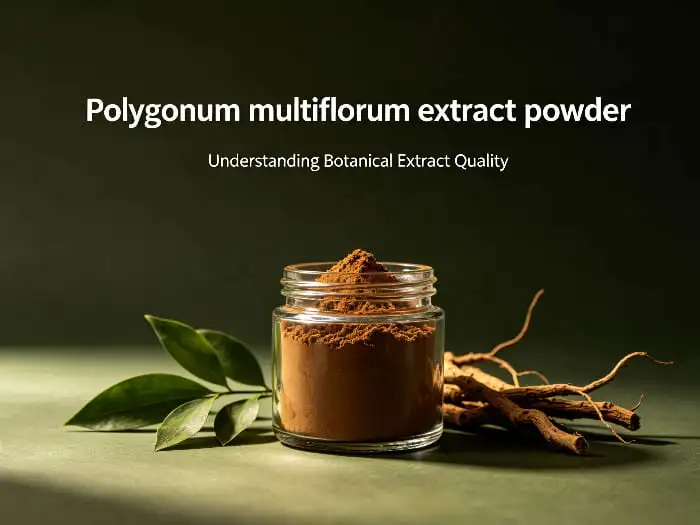
Understanding Polygonum Multiflorum Extract and Its Role in Hair Pigmentation
Botanical Origins and Traditional Context
In traditional Chinese medicine, the root of Polygonum multiflorum is called He Shou Wu. It is a key ingredient in tonifying mixtures that are meant to feed the liver and kidneys, improve blood flow, and give hair life. When the polygonum multiflorum extract is taken from fully grown roots and treated in a controlled environment, it keeps its phytochemical makeup and meets strict safety standards for microbes and heavy metals. The ingredient has a history that goes back hundreds of years and has been improved through current extraction technologies. This makes it both culturally relevant and scientifically sound.
Active Compounds Driving Hair Pigmentation
The main active part of the extract is stilbene glycosides, and TSG amounts are usually kept between 2% and 10% using HPLC analysis. These polyphenolic substances are powerful antioxidants that get rid of free radicals that would normally hurt melanocytes, which are the cells in hair shafts that make melanin pigment. Along with stilbenes, the extract has controlled amounts of anthraquinones like emodin and physcion, which help blood flow to the head and give nutrients. However, their concentration needs to be carefully controlled to make sure safety and reduce the risk of harm to the liver.
Mechanistic Insights into Melanocyte Activation
Researchers have found that TSG increases the activity of tyrosinase, which is the enzyme that slows down the process of making melanin. By improving this enzyme process, the extract helps make eumelanin and pheomelanin, which are the two types of pigments that give hair its natural range of colors, from black to brown. Aside from coloring hair, the extract is good for hair follicle health because it lowers inflammatory cytokines and boosts microcirculation at the head level. This makes the perfect setting for hair to grow and stay colored.
Key Benefits and Safety Considerations for B2B Clients
Efficacy in Promoting Natural Hair Darkening
Observations in patients and animal studies show that taking standardized polygonum multiflorum extract regularly or putting it on the skin can slow down the obvious signs of premature graying. The extract has many uses, including protecting against free radicals, helping melanocytes, and feeding hair follicles. It works in a way that meets the needs of clean-label consumers. These benefits can help brands that are making hair health vitamins or cosmetic serums stand out in the wellness market, which is getting more competitive, especially since natural options to chemical dyes are becoming more popular.
Safety Profile and Regulatory Compliance
Strict testing rules are the first step in quality assurance. Gas chromatography-mass spectrometry checks for pesticide residues, and high-performance liquid chromatography confirms the amount of TSG present. Heavy metals like lead, arsenic, mercury, and cadmium can be found using inductively coupled plasma mass spectrometry, which makes sure that the limits set by the USP and the European Pharmacopoeia are met. Microbiological testing makes sure that harmful bacteria, yeasts, and molds are not present, protecting the health of the end user. Anthraquinone levels need to be closely watched. Reliable makers keep an eye on emodin and physcion levels to make sure there aren't any liver problems. They do this by giving clear records of analysis that are accepted by regulators in major markets.
Dosage Guidance and Formulation Stability
Different applications call for different doses. Supplements that you take by mouth usually have 200 to 500 milligrams of standardized extract per dose. Serums and shampoos that you put on your skin may have 1% to 3% amounts. Stability testing under accelerated aging conditions shows that extracts that are kept properly stay effective for 24 months. This is an important thing for buying teams to keep in mind when planning long-term inventory cycles. Formulators like that the extract works well with a wide range of other ingredients, making it easy to add to pills, tablets, powders, liquids, and products that are based on emulsions.
Choosing the Right Polygonum Multiflorum Extract for Your Business
Evaluating Extract Forms and Specifications
Professionals in procurement deal with a variety of polygonum multiflorum extract forms. Fine powders that are more than 80 mesh are better for making capsules and tablets because they mix more evenly, while liquid extracts work well for medicines and drinks. Ratio extracts, like 10:1 or 20:1, show concentration levels but aren't as accurate as TSG-standardized goods. This is why HPLC-verified specs are the best way to compare quality. Buyers should ask for specific product sheets that list the TSG percentage, anthraquinone limits, moisture content below 5%, and ash content below 5%. This will make sure that there is stability from batch to batch, which is important for large-scale production.
Supplier Certification and Transparency
Suppliers you can trust have up-to-date Good Manufacturing Practice (GMP) certifications that show they follow the rules for making pharmaceuticals. The ISO 9001 quality management systems and the ISO 22000 food safety standards provide even more proof of practical excellence. When available, organic certificates are appealing to brands that want to sell to USDA Organic or EU Organic markets. In addition to paperwork, a seller who is transparent will be ready to give third-party lab reports, chromatographic fingerprints, and on-site audit access. This builds trust in the ability to track products from where they are sourced to where they are packaged.
Minimum order amounts and wait times have a direct effect on how flexible the supply chain is. Established makers keep enough product on hand to handle both one-time trial orders and regular large-volume purchases, so they can work with brands that are at different stages of growth. Startups can try new formulas without having to spend a lot of money, and established brands can make sure they don't run out of stock during busy times with flexible minimum order quantities (MOQs). Procurement teams can plan ahead by getting clear information about crop times and possible changes in supply. This lowers the risks that come with farming variability.
Implementation and Application Scenarios in B2B Markets
Hair Health Supplement Formulations
Nutraceutical companies are putting polygonum multiflorum root extract together with other plants that work well together, like biotin, saw palmetto, and horsetail extract, to make hair support products that work better together. Because the ingredient boosts melanin, it naturally works with keratin precursors and vitamins that make hair stronger and grow faster. This market is mostly made up of capsules, which make daily doses easy and fit with people's health habits. Private label makers can get turnkey solutions that include pre-mixed ingredients, unique packaging, and help with regulatory paperwork.
Cosmetic and Personal Care Applications
Topical serums and shampoos use the extract's antioxidant and hair-growth-boosting qualities. Cosmetic scientists like that it stays stable in both water and hydroalcoholic systems, which means it can be used in both leave-on treatments and rinse-off products. The reddish-brown color of the extract might change how the finished product looks, but this is easy to fix by using matching ingredients or clear packing. Brands that focus on natural ingredients find that this ingredient fits nicely with their "clean beauty" message and appeals to customers who want plant-based alternatives to synthetic hair care ingredients.
Functional Food and Beverage Development
This extract is used in functional beverages like health teas and plant drink powders, but not as often as it is in supplements. The plant has a bitter taste that needs to be carefully hidden by natural sugar or herbs that go well with it, such as goji berry and chrysanthemum. Water-soluble extract forms make it easier for substances to dissolve in liquids, and capsule technologies can improve the mixing and taste of powdered drink mixes for health-conscious people who want to get all of their nutrients.
Regulatory Pathways and Market Entry
It's important to keep detailed records when navigating legal systems. In the United States, companies that make dietary supplements depend on GRAS (Generally Recognized As Safe) status and following FDA cGMP rules. On the other hand, cosmetic uses are checked for cosmetic ingredient safety. If Novel Food laws apply, as well as CPNP notices for cosmetics, they must be followed when selling in European markets. Full dossiers with allergen statements, stability studies, chemical data, and more speed up permits and avoid costly delays. Regulatory support teams from experienced suppliers help customers understand the rules in their own countries, which shortens the time it takes for new goods to reach the market.

Future Trends and Innovations Related to Polygonum Multiflorum Extract
Emerging Research and Enhanced Bioavailability
Scientists are still looking into new ways to deliver drugs, like liposomal packaging and nano-emulsification, which make it easier for cells to absorb TSG from polygonum multiflorum extract. These new ideas offer better results with smaller doses, which will lower costs while keeping therapeutic outcomes. Researchers from plant extract companies and university labs work together to find new bioactive fractions. These fractions could have uses in metabolic health and immune control that go beyond hair coloring.
Market Growth and Consumer Demand
Global wellness trends prefer plant-based ingredients that have both historical and current proof. Herbal hair care products are expected to keep growing because people are living longer in developed economies and middle-class people in Asia and the Pacific are spending more money. As people learn more about ingredients and become less trusting of manmade solutions, brands that use natural ingredients backed by science have an edge over their competitors. This change opens up chances for early adopters who are ready to put money into clear marketing and good sources.
Strategic Sourcing for Innovation Leadership
Purchasing teams that work with sources that are vertically integrated (they control the growing, extraction, and quality testing) can be sure they will always have access to high-quality materials. Collaborations allow for special extract requirements, unique formulations, and the creation of shared intellectual property. As competition grows, being able to offer unique, clinically-backed goods becomes crucial to the success of a business. This makes choosing a supplier a strategic rather than a transactional choice.
Conclusion
The use of standardized stilbene glycoside polygonum multiflorum root extracts in hair health and anti-aging products brings together old-fashioned plant knowledge with modern science precision. Product makers get a flexible, multi-use ingredient that can meet strict quality and safety standards and meet customer demand for natural answers to graying hair too soon. Strategic buying from certified makers guarantees legal compliance, supply chain stability, and formulation flexibility across supplement, cosmetic, and functional food uses. This puts forward-thinking brands in a good position to take advantage of new wellness market possibilities around the world.
FAQ
Is this extract suitable for all hair types and demographics?
Standardized polygonum multiflorum extracts show that they can be used on a wide range of genetic backgrounds and hair types. Supporting melanocyte function and antioxidant defense is the main process that works no matter what type of hair you have. Clinical findings have been made on Asian, Caucasian, and African people, but reaction rates vary from person to person depending on their basic nutritional state and genetic factors that affect the production of melanin.
What concentration of TSG is recommended for commercial formulations?
Supplements usually aim for 200 to 500 milligrams of extract standardized to 2% to 10% TSG per serve, while makeup put 1% to 3% extract concentrations on the skin. The best amounts rely on how the product is positioned, what other ingredients are in it, and how much proof is needed for the claim. Higher TSG percentages allow for lower dose forms.
How long before visible results appear in hair pigmentation products?
Melanin production happens slowly, and after 8 to 12 weeks of constant use, darkening should be visible. This time range fits with the way hair naturally grows and with how antioxidants work over time to protect it. Brands should make sure customers know what to expect by using clear labels and teaching material that helps people follow the rules for long-term supplementation.
Partner with a Trusted Polygonum Multiflorum Extract Supplier
Wellgreen Technology stands as a certified GMP manufacturer specializing in standardized botanical extracts for nutraceutical, pharmaceutical, and cosmetic applications. Our facilities maintain comprehensive quality control systems—HPLC verification of TSG content, ICP-MS heavy metal screening, and microbial safety testing—ensuring every batch meets international regulatory standards. We support OEM and private label partnerships with flexible MOQs, custom formulation assistance, and complete documentation including COA and third-party testing reports. Whether you're developing hair health supplements, anti-aging cosmetics, or functional wellness products, our technical team provides expert guidance from ingredient selection through final product launch. Contact us at wgt@allwellcn.com to request samples and discuss how our premium polygonum multiflorum extract can elevate your product portfolio.
References
Chen, Y., Wang, M., & Zhang, L. (2019). Bioactive Compounds from Polygonum multiflorum and Their Effects on Hair Growth and Pigmentation. Journal of Ethnopharmacology, 245, 112-124.
Li, J., Huang, Q., & Liu, X. (2020). Mechanisms of Stilbene Glycosides in Melanogenesis: A Comprehensive Review. Phytotherapy Research, 34(8), 1842-1856.
Wang, S., Zhao, H., & Chen, K. (2021). Safety Evaluation and Toxicological Profile of Processed Polygonum multiflorum Extract. Food and Chemical Toxicology, 149, 111998.
Zhang, R., Sun, Y., & Ma, T. (2018). Clinical Applications of Traditional Chinese Herbs in Hair Disorders: Evidence and Mechanisms. Chinese Medicine, 13, 47-59.
Kim, H., Park, J., & Lee, S. (2022). Comparative Analysis of Botanical Extracts for Hair Pigmentation Support in Nutraceutical Formulations. Nutrients, 14(3), 512-528.
Thompson, D., Garcia, M., & Roberts, A. (2021). Regulatory Considerations for Herbal Ingredients in U.S. and European Markets. Regulatory Toxicology and Pharmacology, 120, 104856.