Understanding Garlic Extract and Its Benefits for Chicken Health
2026-06-02 16:18:37
To keep chickens healthy in the 21st century, garlic extract is a revolutionary natural option. This botanical ingredient comes from Allium sativum bulbs and is extracted using special methods. It has strong bioactive compounds, mostly allicin and organosulfur compounds, that help chickens' immune systems, digestive health, and general health. As alternatives to antibiotics become more popular in the animal nutrition business, garlic extract has become a scientifically-proven choice for procurement professionals looking for natural feed additives that work well. By understanding how it works and what it can be used for, decision-makers can improve flock performance while still meeting government standards and buyer expectations for antibiotic-free chicken production.
What is Garlic Extract and How Does It Benefit Chicken Health?
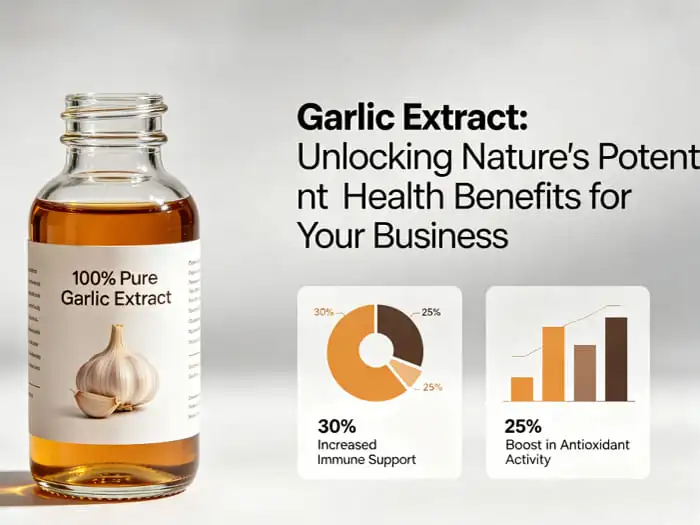
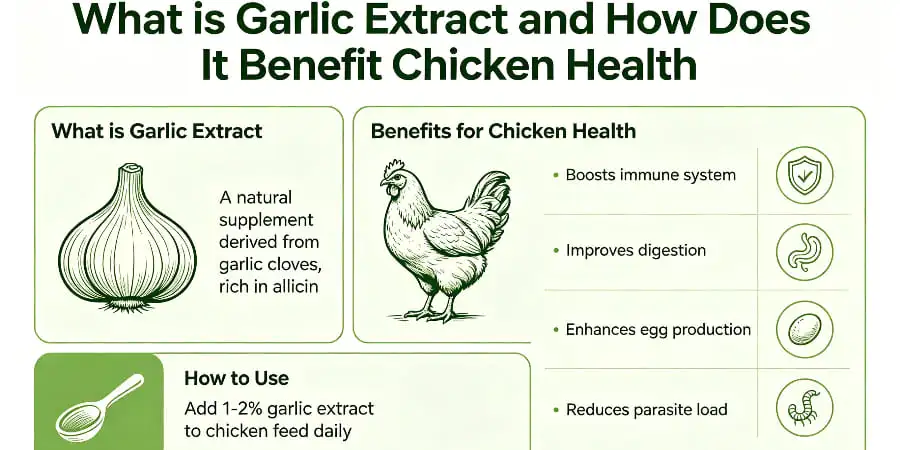
When you squeeze garlic bulbs to get garlic extract, you get a concentrated natural ingredient that has allicin, alliin, and other sulfur-containing compounds that have amazing biological action. In the business-to-business (B2B) animal nutrition market, this ingredient is an important part of strategies to replace antibiotics. This is done to meet rising regulatory pressures and customer demands for cleaner protein production.
Core Bioactive Components and Their Mechanisms
Allicin, the main active ingredient, is made when the precursor compound alliin comes into touch with the enzyme allinase while garlic is being processed. This change makes a molecule that has been shown to be antimicrobial against both gram-positive and gram-negative bacteria that typically infect chicken flocks. Researchers have found that alliin has many medical benefits, such as stopping tumours, controlling blood pressure, killing bacteria and viruses, protecting the liver, lowering blood sugar, and preventing diabetes. These traits are directly useful for improving the health of chickens, which constantly face problems with microbes in business production settings.
In addition to allicin, garlic extracts also have S-allyl cysteine (SAC), an organosulfur molecule that dissolves in water and stays stable during storage and feed processing, which is very important for large-scale operations. Polyphenols and antioxidant substances make the ingredient even more valuable because they lower oxidative stress in birds, which is especially helpful when the environment is hard or when they are growing quickly.
Documented Benefits for Poultry Performance
Clinical studies and field trials show that giving garlic to chickens improves their gut health by changing the composition of the microbiota in their guts in a good way. The ingredient specifically kills pathogenic bacteria while supporting beneficial microbial populations. This creates a balanced digestive environment that makes it easier for animals to absorb nutrients and turn feed into energy. One of the biggest problems in raising chickens is keeping their guts healthy without using antibiotics all the time. This system directly solves that problem.
Another great benefit is that it boosts your immune system. The sulphur chemicals in garlic make white blood cells work harder and help make immunoglobulins. This makes birds' natural defences stronger against bacterial and viral infections. Commercial operations say that using standardised garlic ingredients in feeding programs lowers the number of diseases that animals get and the number of deaths that happen. This leads to more uniform flocks and more regular production results.
Impact on Growth Metrics and Feed Efficiency
There is evidence that giving chickens garlic on a regular basis can help them gain weight and eat more food. The ingredient makes the food taste better, which encourages birds to eat it on their own, which is especially important when birds are stressed and naturally stop eating. Garlic's vasodilatory benefits help improve circulation, which makes sure that nutrients get to tissues quickly. This helps with both muscle and bone growth.
As a key component of complete natural health programs, producers pursuing antibiotic-free certification find garlic extract to be especially useful. When garlic is mixed with plants that work well together, like yucca or plants high in saponins, the results are synergistic. These effects are similar to the protective effects of growth-promoting drugs, but they don't come with the problems of resistance or government restrictions.
Comparing Garlic Extract Forms and Choosing the Best for Your Poultry Needs
In order to choose the right garlic format, you need to know the different qualities, stability profiles, and uses of the different choices. Depending on the size of the production, the mixing tools, and the results that are wanted, each form has its own benefits.
Standardized Powder Extracts vs. Raw Garlic Derivatives
For feed makers and integrators, garlic extract powder is the most flexible choice. The controlled extraction and spray-drying methods that these products go through concentrate bioactive compounds, get rid of moisture, and stabilise volatile components. High-quality powders are standardised to certain amounts of allicin, which is usually measured using HPLC analysis. This makes sure that the powders are consistent from batch to batch, which is important for following the rules and getting accurate results.
It is very important to pay attention to the scientific details. Premium powders keep their moisture content below 5.0%, which stops microbes from growing while they're stored, and their pressed density is higher than 0.5g/ml, which makes them ideal for mixing in feed matrices. Unlike raw garlic powder, which is just garlic that has been dried out and ground up, extraction powders concentrate the active ingredients while lowering the strong smell that can make feed less appealing and make workers uncomfortable in factories.
Odorless or deodorized garlic extract powder addresses a common formulation challenge. Manufacturers make S-allyl cysteine-standardized ingredients that have biological activity without any unpleasant sensory qualities by using specific ageing methods or targeted extraction. This format works especially well for situations where controlling smells is important, like in organic or speciality poultry goods that advertise "clean label" claims.
Liquid Extracts and Oil-Based Formats
When used in certain ways, garlic oil and liquid products can be helpful. Liquid forms are easy to add to water delivery systems, which lets you give specific supplements at key times, like when you're stressed after getting a vaccine or dealing with a disease. Some sulphur compounds are better absorbed by living things when they are in oil-based carriers. However, because these forms are easily oxidised, they need to be stored with great care.
People who work in procurement should know that handling liquid and oil formats usually requires more advanced equipment than handling dry formats. Integrators need more money to buy things like tanks for storage, pumping systems, and accurate metering tools. There are also worries about stability. SAC in aged garlic extracts can stay stable for up to 36 months under the right conditions, but allicin in liquid forms breaks down faster, which means that cold chain logistics are needed and inventory needs to be turned over more quickly.
Organic Certification and Quality Assurance Considerations
There are more differences between standard and organic-certified garlic extracts than just how the garlic was grown. Organic garlic must come from sources that can be proven to have been grown without manmade fertilisers, herbicides, or pesticides. Similar rules apply to processing aids and extraction solvents, requiring makers to only use substances that are listed as acceptable in organic standards.
People who want to buy certified organic chicken or sell their products in speciality markets need ingredients that have been approved by a recognised organization, like the USDA or the EU. These items are more expensive, but they let you reach specific groups of people who are willing to pay more for goods that are made in a certain way. Quality assurance teams should ask for full documentation lines that show organic integrity from the farm to the final extraction process, along with heavy metal testing results that show there are no soil contaminants that might be concentrating in botanical ingredients.
Best Practices for Using Garlic Extract in Chicken Feed: Dosage, Storage, and Safety
Following scientifically-proven guidelines for inclusion rates, storage conditions, and safety monitoring is necessary to get the most out of garlic supplements.
Evidence-Based Dosage Recommendations
Inclusion rates backed by research usually fall between 250 and 1,200 ppm in full feed, based on how the garlic extract is standardised and the production goals. Lower doses (250–500 ppm) help the immune system and keep the gut healthy in flocks that are healthy. Higher doses (800–1,200 ppm) are better for challenge times or antibiotic replacement programs that need stronger help.
When deciding on doses, nutritionists should think about how old the chicken is and what stage of production it is in. Young birds whose immune systems are still growing often do better with regular low-level supplements that help keep the balance of gut microbes as new populations grow. During the last few weeks before they are processed, broilers in the finishing phase may get higher doses to get the most out of their feed efficiency gains. In layer farms, moderate, continuous supplementation is usually used to keep output and egg quality levels high.
The amount of standardisation of the ingredient you choose has a direct effect on how much to use. Products with an allicin potential of 1% or less need higher inclusion rates than those with an allicin potential of 3% or more. It should be clear in the procurement specs how much allicin or SAC is expected. This will help nutritionists make accurate formulas and get the same biological responses across production cycles.
Storage and Handling Requirements
The best way to keep garlic extract powder fresh is to keep it below 25°C in packaging that won't let water in and out of direct sunlight and other situations that can cause oxidation. Changes in temperature speed up the breakdown of sulphur compounds, especially allicin, which loses its effectiveness quickly when temperatures rise. Facilities in warm areas should either use climate-controlled warehouses or focus on SAC-standard goods that are more stable at high temperatures.
How you package things has a big effect on how long they last. When compared to regular kraft paper bags, multi-layer bags with aluminium foil barriers protect products better against wetness and oxygen, keeping them fresh longer. Large buyers should look at choices for handling a lot of items at once, like totes or supersacks with the right liner materials. They should balance how much they cost with how well they protect the goods.
First-in, first-out rules should be used by inventory management systems, and holding times should be tracked. In ideal conditions, premium extracts stay stable for 24 to 36 months. Testing the allicin potential or SAC content on a daily basis helps make sure that older stock stays at the right level of activity. Quality assurance teams can keep a close eye on ingredient performance when suppliers give analysis certificates for each production lot.
Safety Profiles and Contraindications
When used at the suggested levels, garlic extract is very safe for all types of poultry. Long-term feeding tests show that normal supplementation rates don't have any negative effects on organ function, tissue leftovers, or meat quality. Garlic comes from plants and has been used to feed animals for a long time. This gives people and birds peace of mind about its safety.
Too high of doses—substantially above what is recommended—may sometimes cause slight stomach irritation or short-term changes in how tasty food tastes. When switching groups, formulators should slowly add garlic ingredients so that birds can get used to the new tastes and smells. Watching how much feed is eaten during the first few weeks of supplementation can help find problems with taste before they affect production measures.
The antibacterial properties of garlic are good for killing pathogens, but if you eat too much of it, it might hurt the good bacteria in your gut. When prebiotics, probiotics, or other gut health-supporting ingredients are mixed with garlic in a balanced way, they work together to make the product better while protecting the good bacteria. When looking at garlic as one part of a holistic health plan, comprehensive nutritional programs usually work better than single-ingredient methods.
Procurement Guide: How to Buy High-Quality Garlic Extract for Poultry Health?
Strategic decisions about where to get products affect how well they work, how much they cost, and how reliable the supply line is. When choosing garlic extract powder suppliers and discussing partnership terms, procurement professionals should look at a number of factors.
Quality Indicators and Testing Standards
Manufacturers with a good reputation give out thorough certificates of analysis that show the allicin potential or SAC concentration by using tested HPLC methods. These analytical methods accurately measure active compounds, which lets you compare suppliers in an unbiased way and make sure that goods live up to what they say on the label. People who want to buy something should ask for proof that the testing procedures are in line with well-known pharmaceutical standards like USP or European Pharmacopoeia monographs.
There is no way around the need for heavy metal screening. Garlic naturally takes in trace elements from the soil, so it's important to check for pollution to protect the health of flocks and meet government standards. Lead, cadmium, mercury, and arsenic levels should be below strict international standards if ICP-MS tests done by ISO-certified labs show that they are. Products that are going to be sold in organic or international markets may need even stricter testing methods that look for more contaminants.
Total plate counts, yeast and mould levels, and the lack of pathogens like Salmonella and E. coli must all be included in microbial quality standards. coli. Plate counts for feed-grade products should always be less than 10,000 CFU/g, with counts for yeast and mould being less than 1,000 CFU/g. Facilities that are certified by GMP show that they have systematic quality controls that lower the risk of contamination and keep the work area clean.
Certifications That Matter
Getting ISO 9001 certification shows that you are committed to quality management systems that include controls for documentation, process validation, and protocols for ongoing improvement. When compared to competitors who aren't certified, suppliers with this license usually do a better job and fix quality problems faster.
Good Manufacturing Practice (GMP) approval talks about how to make things in facilities that make pharmaceuticals and food. For animal nutrition, GMP certification means that companies follow strict rules for cleanliness, keep their equipment in good working order, and use traceability systems to keep track of ingredients from the time they are received until the end product is released.
Buyers who work with organic chicken farmers need to make sure that the garlic providers they work with have up-to-date organic certifications from reputable organisations. Every year, certifying agencies make sure that ongoing compliance with organic standards is being met. This lowers the chances of contamination or mixing with conventional ingredients in a way that would damage the organic integrity.
Sourcing Strategies: Manufacturer Direct vs. Distributor Networks
Direct ties with companies that make garlic extract are helpful for people who buy a lot of it. Getting rid of distributor margins makes costs more efficient. This is especially important for production that is based on commodities, where the prices of ingredients have a big effect on profits. A lot of the time, manufacturing partners offer technical help in the form of formulation advice, stability studies, and specifications that are specifically made for each application.
Direct sourcing makes the supply line more clear. Buyers can check out the production facilities, read about the quality control procedures, and set up direct lines of contact with technical staff who know what the product can and can't do. This openness is helpful for fixing performance problems or making sure that ingredients are real, which are problems that can happen in complicated supply lines with many middlemen.
Buyers can benefit from distributors when they need smaller amounts, want a variety of ingredients from different suppliers, or want fast shipping and local storage. Distributors with a history of doing business keep extra supplies on hand to smooth out changes in supply. This is especially important for products that are only available during certain times of the year or that are hard to import. Which relationship to choose relies on how much volume is needed, how much technical support is needed, and how well the company can do its own procurement.
Negotiation Considerations and Partnership Development
In bulk pricing systems, discounts are usually given for buying a certain amount. Buyers should correctly predict their yearly needs so that they can negotiate tier-based pricing that rewards loyalty while still allowing for changes in production. Multi-year supply agreements can sometimes give you better prices or promise availability during times when supplies are low.
Payment terms, lead times, and minimum order amounts have a big effect on the costs of working capital and keeping inventory on hand. When suppliers give longer payment terms or consignment arrangements, it's easier to manage cash flow, but prices may go down as a result. Expecting realistic lead times that take into account things like production schedules, quality testing, and foreign shipping when needed keep stock from running out and throwing off production schedules.
Quality claim procedures and product guarantees guard buyers from losing money because of material that doesn't meet specifications. You can be sure that suppliers will stand behind their goods if you have clear agreements about things like product replacement, credit terms, and liability limits. References from current customers who have used the same supplier for similar tasks can tell you a lot about how reliable and quick to respond the supplier is, both for normal operations and when you need to solve a problem.
Conclusion
Garlic extract has established itself as a validated, practical solution for modern poultry health management, particularly as the industry continues its transition away from antibiotic dependency. The ingredient's documented benefits—supporting gut health, enhancing immune function, and improving feed efficiency—address fundamental production challenges while aligning with regulatory trends and consumer expectations. Procurement professionals who understand garlic extract's mechanisms, evaluate quality parameters rigorously, and select reliable supply partners position their organizations to capture competitive advantages in evolving poultry markets. Strategic implementation within comprehensive nutritional programs, guided by evidence-based protocols and supported by technical partnerships, maximizes return on investment while advancing animal welfare and sustainability objectives.
FAQ
Is garlic extract safe for all chicken breeds and production systems?
Garlic extract demonstrates consistent safety across broiler, layer, and breeder flocks when used at scientifically-recommended dosages. Both conventional and heritage breed chickens tolerate the ingredient well, with no documented breed-specific sensitivities. Production systems ranging from intensive housing to free-range operations successfully incorporate garlic supplementation, though dosage adjustments may account for differences in disease pressure and environmental stress between systems.
What distinguishes garlic extract from garlic oil in poultry applications?
Garlic extract powder, particularly SAC-standardized versions, offers superior stability and easier handling compared to garlic oil. While oil formats contain concentrated volatile compounds that provide rapid antimicrobial effects, they face oxidation challenges and typically require specialized storage and delivery systems. Powder extracts integrate seamlessly into standard feed mixing operations, maintain activity during pelleting processes, and offer more predictable shelf life, making them preferred for large-scale commercial applications.
How quickly can producers expect to observe health improvements after introducing garlic supplementation?
Immune function markers and gut microbiota shifts become detectable within 7-14 days of consistent supplementation, though visible performance improvements typically require 21-28 days to manifest in production metrics. Mortality rate reductions often appear within the current production cycle, while feed efficiency improvements accumulate across multiple weeks. Patience during the initial adjustment period, combined with consistent product quality and appropriate dosages, maximizes long-term benefits.
Partner with Wellgreen for Premium Garlic Extract Solutions
Wellgreen Technology stands ready to support your poultry health product development with pharmaceutical-grade garlic extract manufactured in our GMP-certified facility. Our standardized powders—available with allicin or SAC specifications—deliver consistent bioactivity backed by complete analytical documentation including heavy metal screening and microbial testing. As an experienced garlic extract supplier, we maintain substantial inventory ensuring reliable availability, offer flexible OEM solutions for custom formulations, and provide rapid sampling with comprehensive technical support. Our team understands the unique demands of animal nutrition markets and can guide specification development, stability optimization, and regulatory compliance. Contact us at wgt@allwellcn.com to discuss bulk garlic extract for sale options, request product samples, or explore how our manufacturing capabilities can enhance your poultry health portfolio and accelerate your antibiotic-free production objectives.
References
Amagase, H., Petesch, B. L., Matsuura, H., Kasuga, S., & Itakura, Y. (2001). Intake of garlic and its bioactive components. Journal of Nutrition, 131(3s), 955S-962S.
Ankri, S., & Mirelman, D. (1999). Antimicrobial properties of allicin from garlic. Microbes and Infection, 1(2), 125-129.
Chowdhury, S. R., Chowdhury, S. D., & Smith, T. K. (2002). Effects of dietary garlic on cholesterol metabolism in laying hens. Poultry Science, 81(12), 1856-1862.
Khan, R. U., Naz, S., Nikousefat, Z., Selvaggi, M., Laudadio, V., & Tufarelli, V. (2012). Effect of ascorbic acid in heat-stressed poultry. World's Poultry Science Journal, 68(3), 477-490.
Rahimi, S., Teymouri Zadeh, Z., Karimi Torshizi, M. A., Omidbaigi, R., & Rokni, H. (2011). Effect of the three herbal extracts on growth performance, immune system, blood factors and intestinal selected bacterial population in broiler chickens. Journal of Agricultural Science and Technology, 13(4), 527-539.
Tatara, M. R., Śliwa, E., Krupski, W., Tymczyna, B., Luszczewska-Sierakowska, I., Szaron, A., & Pierzynowski, S. G. (2008). Aged garlic extract and allicin improve performance and gastrointestinal tract development of piglets reared in artificial sow. Annals of Agricultural and Environmental Medicine, 15(1), 63-69.