What is Fennel Seed Extract Good For?
2026-06-02 16:18:38
Fennel seed extract is a concentrated botanical ingredient that is becoming more and more popular in the food, drink, cosmetics, and nutraceutical industries because it can be used in many ways and has qualities that have been proven by science. This extract comes from the dried seeds of Foeniculum vulgare. It gives producers a standard, shelf-stable ingredient that helps with digestive health, making functional foods, and meeting the needs of consumers who want clean labels. Unlike raw fennel seeds, professionally processed extract powder consistently offers bioactive concentrations, especially trans-anethole and flavonoids. This makes it an important ingredient for product developers who want to make health-focused formulations that work well and can be scaled up.
Understanding Fennel Seed Extract: Composition and Production
What Defines Professional-Grade Fennel Seed Extract Powder?
Powdered fennel seed extract made for professionals is a big step up from raw plant materials. This ingredient comes from the fully grown seeds of Foeniculum vulgare Mill., a plant in the Apiaceae family. Manufacturers can get concentration ratios between 4:1 and 20:1 or standardise to specific volatile oil percentages above 1% by using controlled solvent extraction with mixes of water and ethanol and then spray drying. This process gets rid of the natural variation that exists in agricultural crops. For example, the oil content of raw seeds can change from 1% to 3% based on the growing conditions and when they are harvested.
The way the ingredients are extracted has a direct effect on how well they work. Grades that dissolve in water are good for use in drinks, while grades that dissolve in solvents work well in lipophilic mixtures. The concentrated delivery system lets formulators lower pill sizes and dosage amounts while keeping therapeutic efficacy. This solves a major problem in supplement design: people want supplements in smaller, easier-to-swallow forms more and more.
Key Compositional Characteristics
The bioactive profile is mostly made up of volatile compounds, mostly trans-anethole, which makes up about 50–70% of the essential oil part. This chemical gives it its familiar licorice-like smell and antispasmodic properties that are useful for digestive health. Phytochemicals like fenchone, estragole, and a group of flavonoids (quercetin and kaempferol derivatives) that work as antioxidants are also present.
Certain physical properties of high-quality extract powder are essential for making the process as efficient as possible. The stuff is a fine, free-flowing brownish-yellow to tan powder, and 95% of it goes through an 80-mesh sieve to make sure that dry mixes are mixed evenly. Controlled mass density is usually between 0.40 and 0.60 g/ml, which makes encapsulation work better and cuts down on production costs. In contrast to volatile essential oils that break down quickly, properly made extract powder is much more stable, keeping its potency throughout the product's lifecycle.
Production Standards and Certifications
Manufacturing centers that make fennel extract powder for pharmaceutical and food use strict rules and regulations. Good Manufacturing Practice (GMP) certification makes sure that production methods are always the same, and ISO standards check that quality management systems are working properly. Organic approvals meet rising demands for clean labels, but when properly processed, bioactive profiles from both organic and conventional sources are similar. The most important difference is not in how well the medicine works, but in how it is grown and tested for residues.
During production, there are several steps of purification that get rid of agricultural residues, lower the number of microbes, and concentrate the active compounds. These steps fix some of the biggest problems in the business, like inconsistent batches, protecting against microbes, and giving accurate doses. There are a lot of microbes and pathogens that can be found in raw spices. These problems can be fixed by using professional extraction and sterilisation methods that follow AOAC (Association of Official Analytical Chemists) guidelines.
Health Benefits and Uses of Fennel Seed Extract
Digestive Health Support
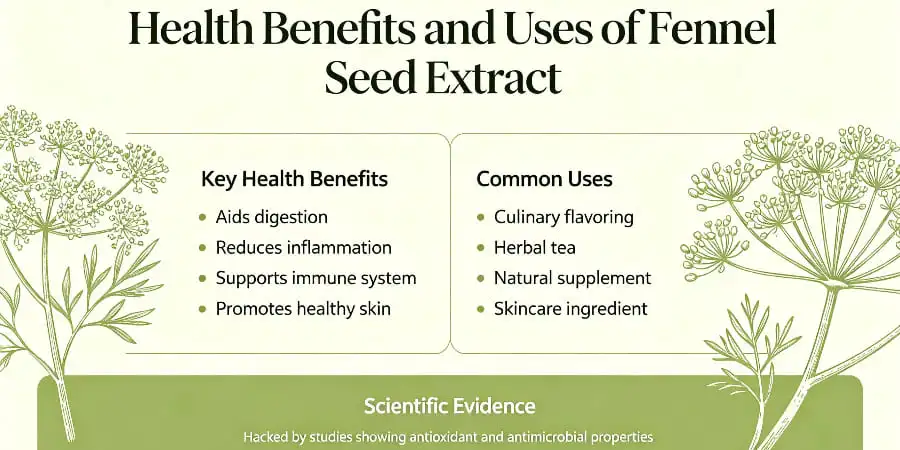
Fennel extract powder is best known for helping the digestive system. This reputation comes from centuries of traditional use that has been backed up by modern study. The extract has carminative properties, which mean it helps break down gas and reduce bloating by relaxing the smooth muscles in the digestive system. Trans-anethole is the main bioactive molecule that causes these effects; it works by interacting with calcium channels to relax muscles.
Based on what doctors have seen, fennel extract may help keep your digestive system healthy and your bowels regular. Because of this, it is very useful for making digestive health goods, like capsules that help with occasional gas, bloating, and digestive pain. The extract works well with other plants, like peppermint and ginger root, in digestive health products because they support each other and make the products work better overall.
Product makers in the nutraceutical industry use these qualities to make supplements that help the digestive system. Standardised extract's concentrated form lets you precisely dose it, making sure that customers have the same experience across production batches. This is a key part of building brand loyalty and meeting government labelling standards for dietary supplements.
Women's Wellness Applications
Because it contains phytoestrogens, fennel extract is being used in women's health products. The structure of these substances from plants is similar to human oestrogen, but they are much less active. In traditional herbalism, fennel was used to help with breastfeeding and menstrual pain. These uses are still used in modern supplement development, as long as the right warnings and safety measures are taken.
Nowadays, fennel extract is added to menstrual health goods by formulators. This helps with occasional cramping and discomfort through natural botanical support. The extract works well with other plants that are good for women's health, like chasteberry and evening primrose oil, which lets different kinds of products be made for this market.
When using fennel extract for women's health, it's important to think carefully about its safety rating. Regulatory managers and formulators are always aware of the times when high-dose plant concentrates shouldn't be used, especially when pregnant women are involved. Labelling and dose suggestions that are correct and in line with local rules and regulations protect consumers and ensure responsible product marketing.
Antioxidant and Metabolic Support
In addition to helping with digestion, fennel extract contains antioxidants that help keep cells healthy. Flavonoid components neutralise free radicals, which helps wellness products that target oxidative stress work better generally. This trait is useful for making complete antioxidant supplements or functional foods that are sold to people with active lifestyles and older people.
New study is looking into the properties that help the metabolism, but claims in this area need to be carefully backed up in a way that meets regulatory standards. Functional food and drink product makers use fennel extract in formulations that focus on natural health benefits, taking advantage of the fact that it is GRAS (Generally Recognised As Safe) for food applications when used in the amounts recommended.
Procurement Insights: Buying and Sourcing Fennel Seed Extract
Identifying Quality Suppliers and Manufacturers
A successful buying process starts with qualifying suppliers based on their manufacturing skills and quality control systems. Reputable manufacturers run GMP-certified facilities with well-documented quality control systems. This makes it possible to track the whole process, from where the raw materials come from to when the finished product is released. When it's possible, site audits check the conditions of production and make sure that quality control labs are set up to do full tests.
Third-party testing certificates are very important for making sure things are correct, especially when it comes to reactive marker compounds and contaminants. The Certificates of Analysis (CoA) should include tests for heavy metals using ICP-MS (Inductively Coupled Plasma Mass Spectrometry), pesticide residue analysis, and microbial testing to make sure there are no pathogens like Salmonella, E. coli, or others. Staphylococcus aureus and E. coli.
Relationships with suppliers include more than just buying things. They also include technical help, regulatory documentation, and the reliability of the supply chain. OEM/ODM businesses and new brands that are expanding their production can benefit from manufacturers who offer formulation help, custom extraction ratios, and flexible minimum order amounts. Respondent communication and clear documentation make regulatory submissions easier and speed up the time it takes to build a product.
Critical Quality Control Parameters
Four things that buying managers must always check are at the heart of quality control for foeniculum vulgare extract powder. Assay proof using HPLC or Gas Chromatography measures the amount of trans-anethole present, making sure that requirements usually higher than 1% are met. Botanical identification through TLC stops products from being tampered with with star anise or other substances that make the product less real.
Lead must be less than 3 parts per million (ppm), arsenic must be less than 1 ppm, cadmium must be less than 1 ppm, and mercury must be less than 0.1 ppm. These requirements are in line with international shipping rules and safety standards for consumers in regulated markets like the EU and the US.
Analysing pesticide residue is especially important for fennel, a crop that tends to accumulate industrial chemicals. GC-MS and LC-MS technologies should be used for thorough screening that covers a wide range of pesticides. This will keep batches from being rejected and protect the brand's image. Microbiological control makes sure that the Total Plate Count stays below 10,000 cfu/g, and tested methods confirm that there are no pathogens present.
Testing for solvent residues makes sure that ICH Q3C rules are followed and that ethanol or methanol residues stay below the set ppm limits. This keeps the product safe and meets the needs of pharmaceutical-grade uses. Physical factors like particle size distribution, bulk density, moisture content (Loss on Drying ≤5.0%), and ash content (≤5.0%) affect how well products are made and how stable they are, so they should be included in purchase contracts.
Bulk Purchasing and Pricing Considerations
Cost-effectiveness, inventory management, and cash flow are all things that bulk buying strategies take into account. The price of fennel extract powder changes based on the amount of standardisation, the number of orders, and the status of the certification. Higher concentration ratios and organic certifications usually mean higher prices, but bigger order volumes usually mean lower prices.
Aside from the price per kilogram, procurement teams look at the total cost of ownership, which includes logistics, customs duties, storage costs, and operating capital that is locked up in inventory. Strategic partnerships with suppliers may include things like vendor-managed inventory plans or scheduled shipping programs that help with cash flow and keep the supply going.
When negotiating a contract, the parties should talk about specification tolerances, conflict resolution processes, provisions for "force majeure," and terms for a quality guarantee. Payment terms that balance the risk of the buyer with the buyer's cash flow needs are often flexible, especially when there are long-term relationships or large orders. Letter of credit agreements protect both parties' interests and provide security for foreign transactions.
Practical Usage Guidelines and Safety Information
Recommended Dosages and Application Rates
Extract powder doses in dietary supplements are usually between 300 mg and 600 mg per serving, but exact amounts depend on the extraction ratio and level of standardisation. When products are standardised to have higher percentages of volatile oils, they need proportionally lower doses to give the same amount of bioactives. Formulators figure out these numbers based on the final form of the product (capsules, pills, or powder blends) and how it will be used.
In functional beverage uses, fennel extract is used at lower concentrations—usually 50 to 200 mg per serving—to balance its health benefits with taste preferences. The characteristic anise-like taste goes well with herbal tea mixes and digestive health drinks, but too much of it could be too strong for sensitive taste buds. The best inclusion rates are set during product creation through sensory evaluation.
In finished cosmetics and personal care items, fennel extract is usually found in concentrations between 0.1% and 2.0%. These amounts provide antioxidant benefits and botanical marketing claims while keeping gentle profiles that can be used topically. Cosmetic scientists test for stability and do studies on how well products are received by customers to find the best concentration for each product.
Integration Considerations for Manufacturers
Paying attention to processing conditions that keep bioactive chemicals safe is needed for manufacturing integration. Fennel extract powder is stable at normal processing temperatures, but if it is exposed to too much heat for a long time, volatile components may break down. To keep the powder's properties while it's being processed at high speeds, encapsulation methods should use the right excipients, which often include anti-caking agents and flow enhancers.
When making drinks with water-soluble grades, companies make sure that the ingredients mix well in the right pH ranges and that they don't precipitate or haze over by using the right solubilisation strategies. Microencapsulation technologies may be needed for functional food uses when protection from moisture or oxidation is needed to make the shelf life longer.
Through in-process testing and stability studies, quality assurance procedures make sure that finished products contain the right ingredients and are effective. These steps help make sure that product labels always say what they say they mean, so they stay in line with regulations and build trust with customers. Manufacturers keep supplier qualification programs going and retest arriving ingredients on a regular basis. This protects them against changes in the supply chain or risks of substitution.
Safety Considerations and Regulatory Compliance
The safety profile of fennel seed extract is usually good when used at the recommended levels, but some groups should be especially careful. Women who are pregnant should talk to their doctors before taking concentrated plant supplements, because high doses of phytoestrogens could be dangerous, even though there aren't many reports of side effects. Product labels for general groups should include the right kinds of warnings, in line with FDA rules for dietary supplements or similar rules around the world.
People who are allergic to plants in the Apiaceae family, like celery, carrots, and others in the same family, may still have allergic responses. Labels on products should list allergens so that customers can make smart decisions. Photosensitivity and contact dermatitis are two rare side effects that have been reported with high doses. These side effects happen less often at normal supplement amounts.
To follow the rules set by regulators, you have to follow the regional rules that guide botanical ingredients. The Dietary Supplement Health and Education Act (DSHEA) says that fennel extract is a dietary ingredient in the United States. This means that structure-function claims can be made with the right evidence without getting FDA approval first. It is regulated by the European Union as a food supplement, and each member state has its own rules about how much you can take each day and what claims you can make.
Labelling rules require correct biological names (like Foeniculum vulgare), the name of the part of the plant that was used (like seed), a description of the processing method (like extract), and, if needed, information on standardisation. These parts help make things clear and let regulators check for compliance when they visit facilities or keep an eye on the market.
Conclusion
Fennel seed extract powder represents a strategically valuable ingredient for manufacturers developing digestive wellness products, functional beverages, and botanical formulations targeting health-conscious consumers. Its standardized bioactive profile, superior stability compared to essential oils, and versatile application potential across supplement, food, and cosmetic sectors make it an essential consideration for product development pipelines. Procurement specialists prioritizing comprehensive quality verification, supplier qualification, and regulatory compliance position their organizations for successful product launches meeting both consumer expectations and regulatory requirements. The extract's scientific backing, combined with traditional use history, supports marketing narratives that resonate with contemporary wellness trends while maintaining credibility within increasingly sophisticated consumer markets.
FAQ
What quality certifications should I verify when sourcing fennel seed extract?
Priority certifications include GMP manufacturing compliance, ISO quality management standards, and organic certifications if targeting clean-label markets. Request third-party lab testing confirming heavy metal limits, pesticide residue screening, microbiological purity, and bioactive compound verification via HPLC or GC methods. These documents protect your brand and ensure regulatory compliance across target markets.
How does fennel seed extract differ from whole fennel seed powder in formulations?
Extract powder delivers concentrated bioactive compounds at standardized levels, eliminating the batch variability inherent in raw agricultural materials. This concentration allows smaller serving sizes and more predictable therapeutic effects. Extract processing also reduces microbial load and removes inert plant material, improving capsule fill efficiency and consumer acceptance compared to ground whole seeds.
Can fennel seed extract be used in both dietary supplements and functional foods?
Fennel extract holds GRAS status for food applications within appropriate usage levels, making it suitable for both supplement and functional food formulations. Beverage and snack applications typically employ lower concentrations than therapeutic supplements, balancing wellness positioning with flavor profile management. Regulatory requirements differ slightly between these categories, requiring appropriate labeling and claim substantiation for each product type.
What shelf life can I expect from properly stored fennel seed extract powder?
High-quality fennel seed extract powder typically maintains potency for 24 to 36 months when stored in sealed containers protected from moisture, heat, and direct light. Regular stability testing verifies bioactive compound retention and microbiological stability throughout this period. Proper storage conditions prove essential for maintaining product quality and supporting extended shelf life claims on finished products.
Partner with a Trusted Fennel Seed Extract Supplier
Wellgreen Technology specializes in manufacturing premium-quality fennel seed extract powder tailored to nutraceutical, functional food, and cosmetic industry requirements. Operating from our GMP-certified facility, we maintain extensive inventory with complete documentation including Certificates of Analysis, allergen statements, and regulatory support files. Our technical team provides formulation guidance, custom extraction specifications, and OEM/ODM partnership opportunities backed by rigorous quality control testing. Procurement managers and product developers benefit from our flexible minimum order quantities, rapid sampling program, and consistent batch-to-batch reliability essential for scaling production. Contact our team at wgt@allwellcn.com to discuss your fennel seed extract needs, request technical specifications, or arrange product samples demonstrating the Wellgreen quality difference that supports your brand's success.
References
Badgujar, S.B., Patel, V.V., & Bandivdekar, A.H. (2014). Foeniculum vulgare Mill: A Review of Its Botany, Phytochemistry, Pharmacology, Contemporary Application, and Toxicology. BioMed Research International, Article ID 842674.
Rather, M.A., Dar, B.A., Sofi, S.N., Bhat, B.A., & Qurishi, M.A. (2016). Foeniculum vulgare: A comprehensive review of its traditional use, phytochemistry, pharmacology, and safety. Arabian Journal of Chemistry, 9(S2), S1574-S1583.
Shahat, A.A., Ibrahim, A.Y., Hendawy, S.F., Omer, E.A., Hammouda, F.M., Abdel-Rahman, F.H., & Saleh, M.A. (2011). Chemical Composition, Antimicrobial and Antioxidant Activities of Essential Oils from Organically Cultivated Fennel Cultivars. Molecules, 16(2), 1366-1377.
Kooti, W., Moradi, M., Ali-Akbari, S., Sharafi-Ahvazi, N., Asadi-Samani, M., & Ashtary-Larky, D. (2015). Therapeutic and pharmacological potential of Foeniculum vulgare Mill: a review. Journal of HerbMed Pharmacology, 4(1), 1-9.
Bae, J., Kim, J., Choue, R., & Lim, H. (2012). Fennel (Foeniculum vulgare) and Fenugreek (Trigonella foenum-graecum) Tea Drinking Suppresses Subjective Short-term Appetite in Overweight Women. Clinical Nutrition Research, 1(1), 168-174.
United States Pharmacopeia (USP). Dietary Supplements Compendium Volume 1: Botanical Extracts. Rockville, MD: United States Pharmacopeial Convention.