Unlocking Ginger Extract's Benefits: A 2026 Wellness Guide
2026-05-20 16:22:01
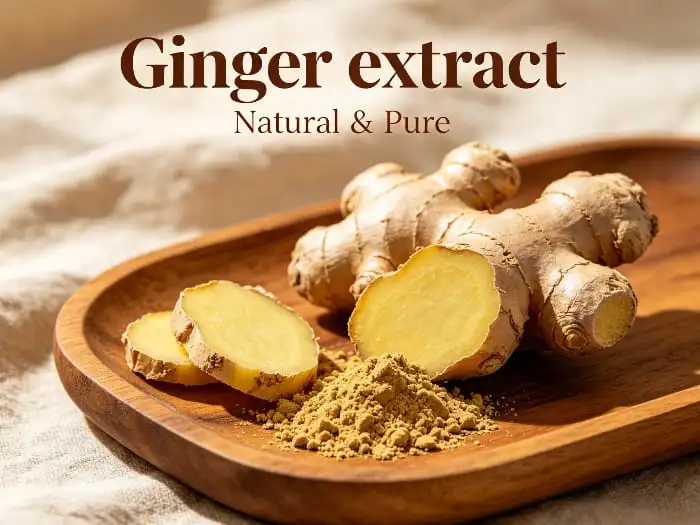
Ginger extract, which comes from the rhizome of Zingiber officinale and is one of the most widely used botanical products in the world, is made using complex extraction methods. As we move through 2026, this bioactive substance will still be changing the way nutraceuticals, functional drinks, and cosmeceuticals are made. Its standardized gingerol content gives it constant therapeutic properties that raw ginger powder can't match. This solves important formulation problems and meets clean-label requirements. B2B decision-makers can choose the best ingredients that meet quality standards and market expectations if they know what the ingredients are made of, how they are used, and how they are sourced.
Understanding Ginger Extract: Composition and Health Benefits
What Makes Ginger Extract Unique?
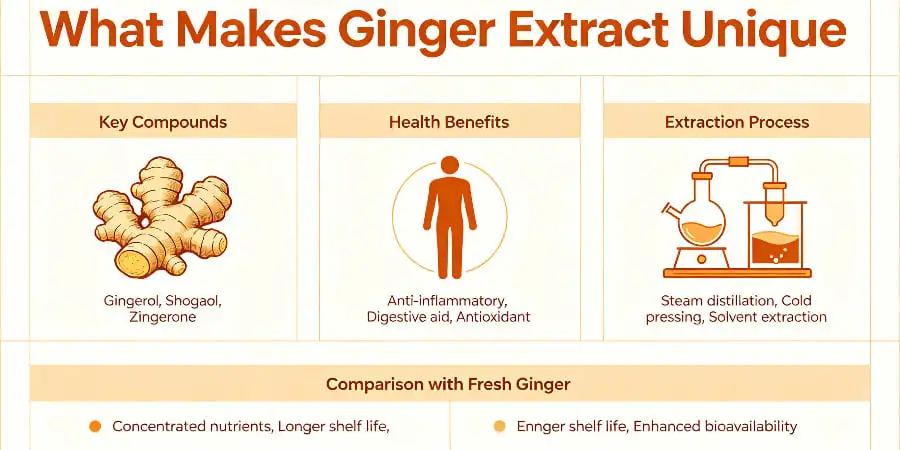
Ginger extract is different from other spice ingredients because it contains more concentrated phytochemical substances that make it bioactive. Along with shogaols that form during processing, gingerols—especially 6-gingerol, 8-gingerol, and 10-gingerol—are the main active ingredients. By blocking COX-2 enzymes and lowering pro-inflammatory cytokines, these molecules have strong anti-inflammatory effects. Methods of extraction like supercritical CO2 and ethanol processing keep the volatile oils that make up 2 to 5 percent of the finished product. This keeps the "entourage effect" that is necessary for therapeutic effectiveness.
Core Health Benefits Backed by Research
Ginger's role in gut health has been proven by clinical studies. It has been shown to help with nausea caused by chemotherapy and morning sickness, among other things. Because the bioactives speed up the emptying of the stomach and change serotonin receptors, this ingredient is a must-have for gut support products. Anti-inflammatory processes help joint health, and studies have shown that they can lower pain markers for osteoarthritis. Antioxidants protect cells from toxic stress and help the immune system be stronger, which is important for functional supplement brands that want to reach health-conscious customers.
Forms and Bioavailability Considerations
Standardized extracts come in a number of different forms, such as oleoresins, powders that dissolve in water, and capsules. Oleoresin forms keep lipophilic compounds that are great for softgel encapsulation, and micro-emulsion technologies let them be used in drinks without separating. Bioavailability improvement through co-administration of piperine raises absorption rates by as much as 2000%, which is a key factor for making high-potency nutraceutical formulations. Knowing these technical differences helps procurement teams choose the right forms for their production systems and the ways they want to send the goods.
The Science and Methods Behind Quality Ginger Extract Production
Advanced Extraction Technologies in 2026
In modern manufacturing, different extraction routes are used that are best for keeping different bioactive profiles. With exact temperature and pressure settings, supercritical CO2 extraction creates pesticide-free concentrates with no solvent residues, which is necessary for organic certifications. Ethanol extraction is a cost-effective way to get a lot of gingerol, which is good for food-grade uses. New developments include ultrasonic-assisted extraction, which cuts processing time by 40% while keeping the purity of the compound, and membrane filtration systems, which get rid of microbes without heating them up.
Quality Control Protocols and Certifications
Premium-grade products are defined by strict testing methods. With ±2% accuracy, HPLC analysis measures gingerol level, making sure that the label claim is met. Heavy metal screening finds lead, cadmium, and arsenic below the levels set by the FDA. Microbiological testing shows that pathogens like Salmonella and E. coli are not present. Organic approvals from the USDA NOP and the EU Organic confirm that farming methods do not use pesticides. GMP-certified facilities use batch traceability systems to connect finished goods to source farms. This meets the strict paperwork needs of pharmaceutical clients for regulatory submissions.
Sustainable Sourcing and Traceability
Leading makers work directly with growing areas to use sustainable harvesting methods that protect the quality of the rhizome and help the farming communities. When blockchain is used in supply chains, it's easy to see what happened from the field to the finished ginger extract powder because it records the times of harvest, the conditions of processing, and the results of quality tests. This traceability is very important when you have to answer to regulatory checks or customer questions about where ingredients come from. Temperature-controlled storage at delivery centers keeps the active ingredient strong. Studies of gingerol's stability show that it loses less than 5% of its strength over 24 months in the right conditions.
Selecting the Right Ginger Extract Product for Your Business Needs
Matching Extract Forms to Applications
Product makers have to choose between different formats, each of which has its own benefits. When comparing different styles, these are the main things to think about:
Powdered extracts are used most often in pill and capsule forms because they are easy to mix and dose accurately. The particles in these forms are usually between 80 and 100 mesh, which makes sure that they mix evenly in mixtures with more than one ingredient. Spray-dried forms have extra ingredients like maltodextrin that help them stay stable in damp places.
Oleoresin concentrates are used in softgels and cosmetic treatments where lipid solubility makes the medicine more bioavailable. Because they are viscous at room temperature, they need special tools to handle, but they have the most power per unit volume. Cosmetic scientists like these for hair growth serums and warming massage gels because they stimulate TRPV1 receptors in a way that doesn't irritate the skin.
Advanced emulsification technology is used for beverage systems in water-soluble versions. These special mixtures keep the clarity of the product in acidic pH ranges (3.0-4.0), which are common in functional drinks. They stop the "ringing" separation that makes the product look bad. These rules must be followed by people who make ginger shots, kombucha blends, and ready-to-drink health waters.
These differences in formats have a direct effect on how products are made, how long they last, and how well they work, all of which affect customer satisfaction and company reputation.
Evaluating Supplier Capabilities
Finding skilled suppliers means looking at more than just basic quality when it comes to operations. Customization is very important. For example, can the maker change the standardization of gingerol from 5% to 20% based on your formulation needs? Flavor optimization services help companies make consumer goods that are both therapeutically pungent and tasty. Your compliance processes will be easier if you have regulatory support, such as proof of analysis paperwork, allergen statements, and specification sheets.
If a supplier can grow with your business, you can tell by looking at their production capabilities and lead times. Minimum order amounts are very different. Some manufacturers need commitments of metric tons, while others are happy to work with 25 kg trial batches. Logistics infrastructure affects landed costs. For example, suppliers with secured warehouses close to major ports have shorter shipping times and fewer problems with customs. When solving formulation problems or adjusting to new regulatory requirements, how quickly technical help responds is important.
Comparing Natural Alternatives
While many plant products have benefits that are similar, ginger has benefits that are only seen in certain situations. Curcuminoids in turmeric make its anti-inflammatory effects stronger, but it needs bioavailability boosters and is hard to dissolve. While black pepper extracts do help with absorption, they don't have any therapeutic powers on their own. While garlic oils are good for your heart, they can make some flavors not work well together in other situations. Ginger is a flexible base ingredient that works well with specialty botanicals in multi-ingredient formulations because it has a balanced profile of being recognized as GRAS, having a wide therapeutic range, and being well-known by consumers.
Practical Applications and Usage of Ginger Extract in the B2B Market
Functional Beverage Formulations
Plant-based products are growing very quickly in the beverage industry. Ginger extract is used as both a flavoring and to support health claims. RTD ginger shots now have a lot of space on the shelves, and extract standardization makes sure that the heat intensity stays the same across production runs. Formulators deal with solubility by using micro-emulsion technologies that spread lipophilic gingerols evenly, stopping sediment from forming during distribution. Because it is thermally stable, pasteurization can be done without losing any potency, which is very important for shelf-stable forms. For beverage applications, exact spice intensity calibration is needed—too much pungency turns off customers, while not enough intensity fails to provide the expected sensory cues.
Nutraceutical and Dietary Supplement Integration
Some types of dietary supplements use high-potency extracts to keep capsule sizes small while still getting the most bioactive ingredients into the body. A 500 mg tablet with 20% standardized gingerols gives you 100 mg of active compounds, which is about 10 grams of fresh rhizome. This concentration makes it possible for clear label claims that are backed up by clinical studies. These claims can be about immune support, digestive health, and managing inflammation. Softgel encapsulation keeps volatile chemicals from oxidizing and hides the taste for people who don't like how strong ginger is. Co-ingredient synergies improve results. For example, combining glucosamine with gut health products or probiotics for gut health formulations gives a unique market positioning.
Cosmetic and Personal Care Applications
The beauty business is mostly interested in products that improve circulation and fight free radicals. Hair growth serums contain extracts that increase blood flow to the scalp. After 12 weeks of use, clinical studies showed that the density of hair follicles had increased. Anti-aging creams use gingerols as antioxidants to fight free radicals that cause photoaging. The chemistry of formulation has to find a balance between how well it works and how well the skin can handle it. Too high of a dose can irritate the skin by overstimulating the TRPV1 receptor. Cosmetic-grade extracts are cleaned even more, getting rid of terpene parts that make people sensitive while keeping the shogaol content that makes skin look younger.
Food Manufacturing and Preservation
Food technologists look into using ginger extract for more than just adding taste. They use its antimicrobial properties to make natural ways to keep food fresh. Studies show that it works against common organisms that cause food to go bad, like Listeria and Staphylococcus, and extends the shelf life of clean-label meat products and baked goods. Antioxidant action slows down lipid oxidation in high-fat formulations, so the sensory quality is kept without using artificial preservatives. Protein blends and meal replacement bars use standardized extracts to say that they help the metabolism. This is based on research that shows gingerols can help with thermogenesis and controlling glucose metabolism.
Procurement and Supply Chain Management for Ginger Extract in 2026
Navigating Supplier Landscapes
The global supply ecosystem is made up of specialized extraction facilities that get their raw materials from local sources, vertically integrated manufacturers that oversee everything from cultivation to finished product, and trade middlemen that connect producers with end users. Direct connections with manufacturers allow for more customization and clear quality documentation, but they may require bigger commitments. Distributors offer smaller amounts and combined shipping, but they charge extra for their services. Online business-to-business (B2B) markets make prices more clear, but they also need careful checks of sellers' credentials and the authenticity of products through third-party testing.
Strategic Contract Negotiations
Long-term supply agreements guard against changes in the market and make sure that priority is given during times of shortage. Good contracts spell out specific quality standards, such as the ranges for gingerol tests, the amount of moisture that is okay, the limits for microbes, and the levels of heavy metals that are allowed. Payment terms that meet your cash flow needs are normal (net-30), but if you make a lot of sales, you may be able to negotiate longer terms. Force majeure terms cover problems in farming caused by weather events or political issues that affect growing areas. Including audit rights clauses lets facilities be inspected on a regular basis to make sure they are following GMPs and the quality system is working properly.
Logistics and Regulatory Compliance
When you buy something from another country, you may need to deal with customs rules, phytosanitary certificates, and import licenses, based on the market you're going to. Air freight speeds up delivery for pressing needs, but it costs a lot more than ocean shipping, which takes 4 to 6 weeks. Temperature-controlled logistics keep the potency during shipping, especially for forms of oleoresin that break down easily in heat. Certificates of analysis, safety data sheets, and origin declarations must all be included in documentation packages so that both regulatory officials and customer quality assurance teams are satisfied. Knowing how to classify things with HS codes keeps customs lines moving quickly and makes sure that duty estimates are correct.
Conclusion
Ginger root extract is a key ingredient for wellness-focused brands in many industries because it has benefits that have been proven by science and is well-known by consumers. When choosing ingredients, it's important to find a balance between technical requirements and supplier dependability, legal compliance, and performance needs that are specific to the application. As clean-label requirements and formulation complexity rise, it becomes more important to work with manufacturers who can show advanced extraction capabilities, complete quality systems, and quick expert support. The landscape of 2026 will reward buying strategies that focus on traceability, customization flexibility, and sustainable sourcing practices that are in line with how the market is changing.
FAQ
What gingerol concentration should I specify for supplement formulations?
Supplement applications typically utilize 5-10% standardized extracts for general wellness products, while therapeutic formulations targeting inflammation or digestive support may require 15-20% concentrations. Higher potency allows smaller serving sizes, reducing capsule counts per dose. Your selection should align with clinical research supporting label claims—most studies demonstrating efficacy used extracts containing 100-200mg gingerols daily. Consider bioavailability enhancement through piperine co-administration when specifying lower concentrations. Consult with your regulatory advisor to ensure chosen specifications support intended structure-function claims while maintaining safety margins documented in toxicology studies.
How do I ensure batch-to-batch consistency in beverage applications?
Batch consistency requires supplier quality systems implementing statistical process control during extraction and standardization. Request specification sheets documenting acceptable ranges for gingerol content (typically ±10% of target), color values, and flavor intensity scores. Micro-emulsion technology maintains solubility consistency, but verify your supplier tests each batch for clarity retention under your product's specific pH and storage conditions. Implement incoming quality control protocols including sensory evaluation by trained panelists comparing new batches against retained reference samples. Establish communication channels enabling rapid supplier notification if batch deviations occur during your production runs.
Partner with Wellgreen for Premium Ginger Extract Solutions
Wellgreen Technology operates as a specialized ginger extract manufacturer supporting nutraceutical, beverage, and cosmetic brands with standardized botanical ingredients. Our GMP-certified production facility delivers customizable gingerol specifications from 5% to 20%, addressing diverse formulation requirements across tablets, beverages, and topical applications. We maintain substantial inventory ensuring rapid fulfillment, while our quality assurance protocols include complete certificates of analysis documenting purity, potency, and safety parameters. OEM partnership services extend beyond raw material supply to formulation consultation, helping optimize solubility profiles and flavor intensity for your specific product matrix. Our technical team provides application support troubleshooting challenges like beverage clarity or capsule stability. Reach our procurement specialists at wgt@allwellcn.com to discuss your ingredient needs, request samples, or explore custom extract development matching your brand's quality standards and market positioning.
References
Bode AM, Dong Z. "The Amazing and Mighty Ginger." In: Benzie IFF, Wachtel-Galor S, editors. Herbal Medicine: Biomolecular and Clinical Aspects. 2nd edition. Boca Raton: CRC Press; 2011. Chapter 7.
Mao QQ, Xu XY, Cao SY, et al. "Bioactive Compounds and Bioactivities of Ginger (Zingiber officinale Roscoe)." Foods. 2019;8(6):185.
Palatty PL, Haniadka R, Valder B, Arora R, Baliga MS. "Ginger in the prevention of nausea and vomiting: a review." Critical Reviews in Food Science and Nutrition. 2013;53(7):659-669.
Semwal RB, Semwal DK, Combrinck S, Viljoen AM. "Gingerols and shogaols: Important nutraceutical principles from ginger." Phytochemistry. 2015;117:554-568.
Stanisiere J, Mousset PY, Lafay S. "How Safe Is Ginger Rhizome for Decreasing Nausea and Vomiting in Women during Early Pregnancy?" Foods. 2018;7(4):50.
Rondanelli M, Fossari F, Vecchio V, et al. "Clinical trials on pain lowering effect of ginger: A narrative review." Phytotherapy Research. 2020;34(11):2843-2856.