Curcumin Powder: Uses, Benefits & Side Effects
2026-05-20 16:22:00
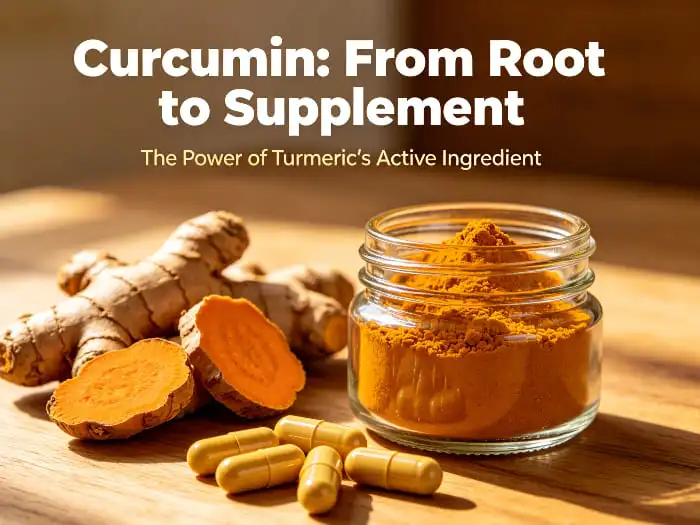
Curcumin powder is the pure bioactive essence that is taken from turmeric rhizomes (Curcuma longa). It is an important ingredient in the pharmaceutical, nutraceutical, and cosmetic industries. This standardized extract has much higher curcuminoid concentrations—usually between 95% and 100% purity—than raw turmeric. This is why formulation professionals who make dietary supplements, functional beverages, and therapeutic-grade goods choose it. Understanding the technical specs, clinical uses, and quality standards of turmeric extract is important for procurement managers who have to deal with the difficulties of sourcing botanical ingredients. This is because they need to keep their product lines competitive and make sure they follow all the rules in global markets.
What Is Curcumin Powder? Understanding the Core Ingredient
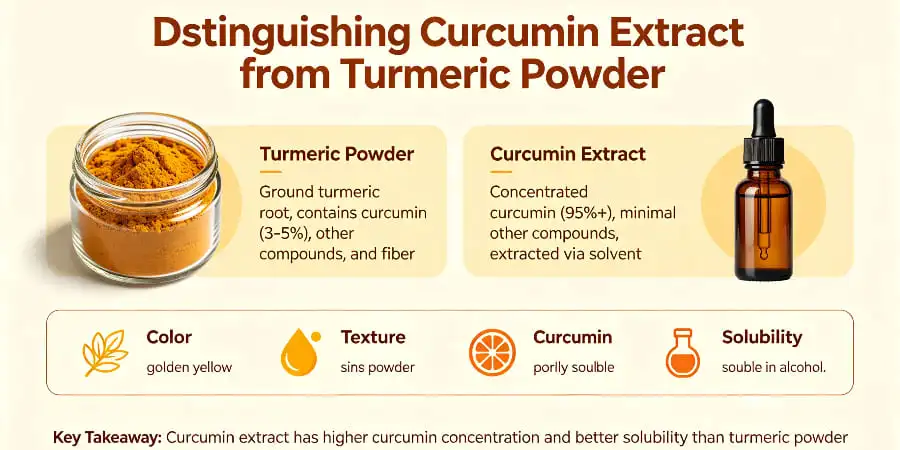
Distinguishing Curcumin Extract from Turmeric Powder
Whole turmeric powder only has about 2% to 5% naturally occurring curcuminoids. Standardized curcumin extract, on the other hand, goes through precise solvent extraction methods to get concentrations of 95% or higher. This concentrated formula makes dosing easy for companies that make supplements that need to make sure the active ingredient amounts stay the same. Food-grade ethanol or acetone are usually used for the extraction process. Toxic solvents are carefully avoided, and strict leftover solvent limits are met according to USP and EP pharmacopeial standards. The bright orange-yellow crystalline powder that is made has particles that are between 80 and 100 mesh, which makes it easy to blend in capsule, tablet, and beverage uses.
Bioavailability Challenges and Enhancement Strategies
Curcuminoids are lipophilic, which makes them hard to absorb because they don't dissolve well in water and are quickly broken down by the liver. According to research, curcumin bioavailability is still very low. This means that most of the curcumin that is eaten is broken down and flushed out of the body before it can enter the bloodstream. Piperine, a bioactive alkaloid found in black pepper extract, has been shown to increase the absorption of curcumin by up to 2000%. This is done by blocking glucuronidation routes in the liver and intestines. Because of this scientific discovery, formulation methods have changed, and now combination products are the standard for supplements that focus on effectiveness.
Physical and Chemical Properties for Manufacturing
Standardized curcumin has a freezing point of about 183°C. It is thermally stable in acidic environments, which makes it useful for a wide range of processing settings. The compound doesn't dissolve in water or ether, but it does dissolve easily in ethanol, glacial acetic acid, and propylene glycol. This is important knowledge for formulators who are making delivery systems. Nano-emulsification, liposomal encapsulation, and microencapsulation are some of the newer delivery technologies that have been created to get around problems with solubility. This is especially true for beverage uses that need to mix with water without settling or forming rings.
Health Benefits and Uses of Curcumin Powder
Anti-Inflammatory and Joint Health Applications
Curcumin is very good at stopping inflammatory pathways. It does this by changing nuclear factor-kappa B (NF-κB) signaling and lowering the production of pro-inflammatory cytokines. Because of this process, it is widely used in joint health products that help with osteoarthritis and exercise recovery. Standardized curcumin extracts given daily in 500–1000 mg doses have been shown to significantly improve joint comfort scores in clinical tests. This makes this plant a key functional ingredient for sports nutrition and active aging product lines.
Antioxidant Protection and Cellular Health
The chemical is very good at getting rid of free radicals, and its many hydroxyl and methoxy groups make it possible to directly neutralize reactive oxygen species. This antioxidant profile supports its use in daily fitness supplements meant to keep your health in good shape, where protecting cells is a key benefit claim. When companies make complete antioxidant formulas, they often mix curcumin powder with plants that work well together, like green tea extract and resveratrol, to make defense systems that work better together.
Cosmeceutical and Topical Formulation Uses
More and more, anti-aging creams, brightening serums, and post-inflammatory treatment items from beauty and personal care brands contain standardized curcumin. The compound's anti-inflammatory and antioxidant benefits work together to fight multiple signs of skin aging at the same time. Nano-lipid carrier technologies have solved formulation problems related to skin stains and photodegradation. These technologies improve dermal penetration while shielding active ingredients from UV light during product shelf life.
Functional Food and Beverage Integration
Curcumin can also be found in energy drinks, protein blends, health teas, and snack foods as a natural colorant (E100) and functional ingredient. Curcumin versions that are water-soluble and use cyclodextrin complexation or polysorbate emulsification can be added to acidic drinks without causing precipitation. When product makers mix curcumin with flavors that go well together, like ginger and lemon, they make functional drinks that taste good and are good for you.
Assessing the Side Effects and Safety of Curcumin Powder
Common Side Effects and Tolerance Thresholds
Curcumin has generally good safety ratings across the dosage ranges that are common in dietary supplements. Higher doses, above 8 to 12 grams per day, may cause mild gastrointestinal effects like nausea or digestive discomfort. However, most people can handle regular supplement doses of 500 to 2000 mg. These tolerance parameters help manufacturers find the right mix between effectiveness and user comfort.
Potential Drug and Supplement Interactions
Because the compound affects cytochrome P450 enzyme systems and P-glycoprotein activity, people who are taking medicines with limited therapeutic windows should think about it. Curcumin might, in theory, make blood thinners work better or combine with building blocks of certain metabolic pathways. Responsible makers put disclaimers on their products that say people should talk to a doctor before using them, especially if they are taking medicines to treat a long-term condition.
Long-Term Safety for Commercial Distribution
A lot of toxicological tests and long-term consumption studies have not shown any major safety worries at normal supplement doses. The strong safety profile of curcumin makes it a good candidate for wide commercial distribution, and it fits well with regulatory systems in major markets like the US, EU, and Asia-Pacific. Manufacturers who want to keep their products on the market can benefit from the compound's long-standing GRAS (Generally Recognized As Safe) status and large body of historical use data.
How to Choose the Best Curcumin Powder for Your Business?
To find a trustworthy botanical extract provider, you need to carefully look at a number of quality factors that have a direct effect on the performance of the finished product and its ability to meet regulatory requirements. When choosing a provider, it's important to know exactly what your target application needs, whether it's therapeutic-grade supplements, functional beverages, or cosmetic formulations.
Purity Specifications and Assay Verification
Standardized to 95% total curcuminoids by proven HPLC methods, premium turmeric extract comes with clear analytical certificates that show the ratios of demethoxycurcumin and bisdemethoxycurcumin. As the performance of a formulation depends on knowing what amounts of active ingredients will be in each batch, procurement teams should make sure that suppliers keep batch-to-batch consistency within tight specification windows. Third-party laboratory verification through ISO/IEC 17025 accredited facilities gives you more confidence than COAs made by the seller.
Certification Requirements and Compliance Documentation
GMP-certified factories make sure that quality is managed consistently throughout the whole production process. Organic certifications from the USDA or EU regulatory bodies prove good farming practices for clean label positioning. Verification of non-GMOs, gluten-free testing, and allergen control documentation meet the needs of growing customer preferences and government regulations. Procurement managers find it easier to get things approved when suppliers offer full regulatory support, such as data on residue testing, heavy metal analysis, and microbiological standards.
Bioavailability Enhancement Technologies
Adding substances that improve absorption is a very important part of the formulation process. When suppliers offer curcumin-piperine mixtures that have already been mixed, it makes manufacturing easier and makes sure that the bioavailability ratios are just right. Different types of enhancement technologies, such as liposomal delivery systems, phytosome complexes, and nano-emulsified forms, are used for different purposes, especially when making liquids that need to be compatible with water.
Supply Chain Reliability and Technical Support
Suppliers that have been around for a while have consistent inventory availability, reasonable lead times, and flexible minimum order amounts that work for both well-known brands and newcomers to the market. The technical support services, such as formulating help, stable testing, and advice on whether to use a beverage or a capsule, add a lot of value on top of providing basic ingredients. A supplier's ability to grow with your business while still meeting quality standards is important for a long-term relationship.
Sourcing and Procurement: Where and How to Buy Curcumin Powder Wholesale
Direct Manufacturer Relationships vs. Trading Platforms
Working directly with GMP-certified extract makers has benefits like easy access to technical experts, the ability to make changes, and clear oversight of the production process. Manufacturing partners can change the distribution of particle sizes, the requirements for moisture content, and create custom formulation mixes that make your products stand out. Online business-to-business (B2B) platforms make it easy to compare suppliers, but direct relationships usually lead to better technical help and quality assurance work.
Quality Assurance Protocols for International Trade
Comprehensive quality agreements should spell out the tests that need to be done to make sure the product's identification, potency, lack of contaminants, and microbiological safety. Pre-shipment sample analysis, review of the certificate of analysis, and regular third-party verification audits are all part of the procurement processes that keep the integrity of the products in the world's complex supply chains. Knowing where the supplier gets their raw materials, like where they grow turmeric and how they control agricultural inputs, gives you upstream visibility that is becoming more important for managing your brand's image.
Logistics Considerations and Lead Time Management
Getting botanical ingredients from other countries involves coordinating shipping paperwork, clearing customs, and keeping things at the right temperature. Accurate forecasting and contact with suppliers are needed to set safety stock levels that protect against supply disruptions while keeping working capital needs as low as possible. Reliable partners offer proactive shipment tracking, flexible packaging configurations, and documentation support that makes it easier for your production sites to receive goods.
Conclusion
Turmeric extract stands as a flexible, deductively approved botanical fixing assembly assorted definition needs over nutraceutical, pharmaceutical, nourishment, and restorative businesses. Its well-documented anti-inflammatory, antioxidant, and restorative properties—combined with favorable security profiles and administrative acceptance—position this turmeric-derived compound as a vital component in health-focused item advancement. Fruitful acquirement requires cautious assessment of immaculateness details, bioavailability improvement methodologies, provider certifications, and specialized back capabilities. As shopper request for normal, useful fixings proceeds growing universally, building up connections with qualified extract producers guarantees get to to steady, compliant, high-quality curcumin that underpins your brand's development targets and keeps up competitive separation in energetic wellness markets.
FAQ
What distinguishes standardized curcumin extract from whole turmeric powder?
Standardized extracts concentrate curcuminoids to 95% purity through solvent extraction processes, delivering 20-40 times higher active ingredient levels than whole turmeric root powder. This concentration enables precise dosing in supplements and eliminates variability inherent in agricultural botanicals, making extracts the preferred choice for therapeutic applications requiring consistent efficacy.
How much curcumin should be included in anti-inflammatory formulations?
Clinical research supports daily dosages between 500-2000 mg of standardized curcumin for meaningful anti-inflammatory effects, particularly when combined with piperine to enhance absorption. Formulation decisions should consider target consumer groups, intended use occasions, and delivery format constraints while staying within established safety parameters documented in toxicological literature.
Can curcumin be safely combined with other botanical extracts?
Curcumin demonstrates excellent compatibility with complementary ingredients including ginger extract, boswellia, MSM, and various antioxidant botanicals in multi-ingredient formulations. The primary interaction concern involves piperine co-administration, which while beneficial for curcumin absorption, may theoretically affect metabolism of other compounds or medications—a consideration addressed through appropriate labeling guidance.
Partner with Wellgreen for Premium Curcumin Powder Supply
Wellgreen Technology operates as a specialized botanical extract manufacturer serving nutraceutical brands, pharmaceutical developers, and functional food producers worldwide. Our GMP-certified production facilities deliver standardized turmeric extract in multiple curcuminoid concentrations including 95% specifications, with rigorous heavy metal screening, pesticide residue testing, and microbiological controls exceeding international standards. We provide comprehensive formulation support for absorption enhancement systems, beverage application troubleshooting, and custom specification development tailored to your product requirements. Our consistent batch-to-batch quality, flexible order quantities, and technical expertise position us as a reliable curcumin powder supplier for brands building long-term market presence. Contact our procurement team at wgt@allwellcn.com for product samples, detailed analytical documentation, and collaborative formulation development. Visit wellgreenherb.com to explore our complete botanical extract portfolio and discover how our supply chain capabilities support your growth objectives.
References
Hewlings SJ, Kalman DS. Curcumin: A Review of Its Effects on Human Health. Foods. 2017;6(10):92.
Gupta SC, Patchva S, Aggarwal BB. Therapeutic roles of curcumin: lessons learned from clinical trials. The AAPS Journal. 2013;15(1):195-218.
Prasad S, Aggarwal BB. Turmeric, the Golden Spice: From Traditional Medicine to Modern Medicine. In: Benzie IFF, Wachtel-Galor S, editors. Herbal Medicine: Biomolecular and Clinical Aspects. 2nd edition. Boca Raton: CRC Press; 2011.
Anand P, Kunnumakkara AB, Newman RA, Aggarwal BB. Bioavailability of curcumin: problems and promises. Molecular Pharmaceutics. 2007;4(6):807-818.
Jurenka JS. Anti-inflammatory properties of curcumin, a major constituent of Curcuma longa: a review of preclinical and clinical research. Alternative Medicine Review. 2009;14(2):141-153.
Shoba G, Joy D, Joseph T, Majeed M, Rajendran R, Srinivas PS. Influence of piperine on the pharmacokinetics of curcumin in animals and human volunteers. Planta Medica. 1998;64(4):353-356.