Best Green Tea Extract: Complete Guide to Quality & Safety
2026-05-20 16:21:56
Finding the best green tea extract supplier is a strategic decision that affects the success of your formulations, your ability to meet regulatory requirements, and your place in the market. Green tea extract is a concentrated natural ingredient that comes from Camellia sinensis leaves. It has a lot of polyphenols, especially epigallocatechin gallate (EGCG), which makes it an essential ingredient in pharmaceuticals, functional drinks, cosmetics, and nutrition products. To get high-quality extracts that meet strict industry standards, this detailed guide walks procurement workers through important quality standards, safety rules, and supplier evaluation criteria.
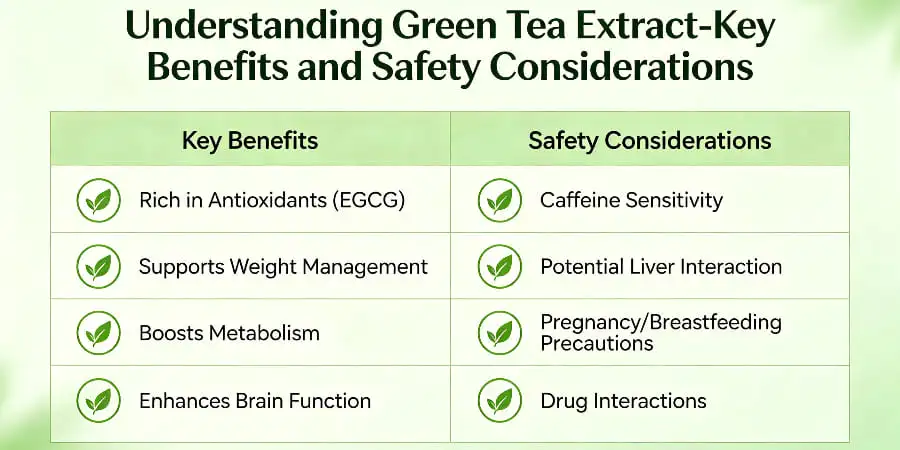
Understanding Green Tea Extract: Key Benefits and Safety Considerations
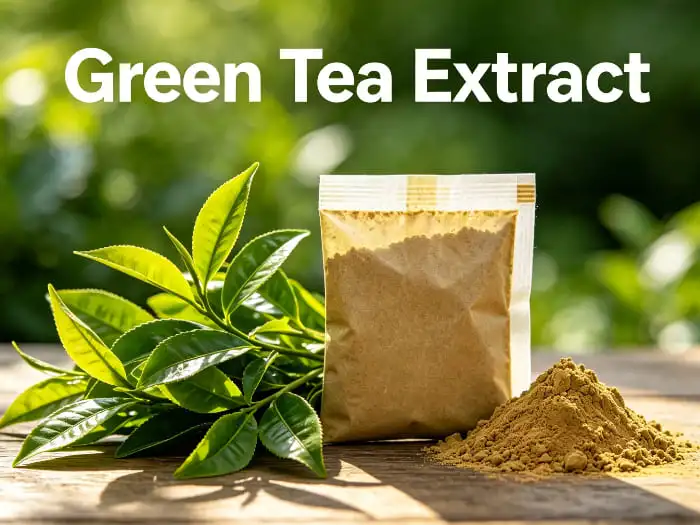
As a normal botanical ingredient, green tea extract is taken out using either water or hydro-ethanolic methods to concentrate bioactive catechins into powder, liquid, or capsule forms. Professionally made extracts, on the other hand, go through cleaning steps that consistently produce polyphenol profiles ranging from 30% to 98% total catechins, with EGCG parts making up 15% to 50% of the active content.
Primary Benefits Driving Commercial Demand
The compound's high antioxidant power—measured by Oxygen Radical Absorbance Capacity (ORAC) values that are much higher than vitamins C and E—solves a number of problems in the business. In nutraceutical formulations, EGCG helps the body's metabolism and heart health. This makes it a key ingredient in weight loss pills and daily fitness supplements. Its natural antioxidant qualities are used by functional beverage developers to replace synthetic preservatives like BHT and make energy drinks and health-focused RTD drinks more useful. In anti-aging serums and photoprotective creams, cosmetic formulators use polyphenol-rich ingredients. Catechins stop matrix metalloproteinases (MMPs) from working and lower oxidative stress caused by UV light.
Safety Protocols and Dosage Guidelines
To be a responsible buyer, you need to know the safety rules that guide consumer use. The amount of caffeine in different grades of extract changes a lot, from high-caffeine thermogenic versions to decaffeinated ones with less than 1% caffeine. This has a direct effect on how well they work with other ingredients and how they need to be labeled. Clinical research shows that 300 to 800 mg of EGCG per day is a safe amount for most people, but procurement teams must take into account the needs of specific populations. People who are pregnant or nursing need different dose instructions, and pharmaceutical-grade uses need tested methods that prove heavy metal levels are below USP/EP limits and microbial counts meet strict pharmacopeial standards.
When purchasing professionals look at a supplier's quality assurance programs, they should make sure that the control of caffeine is the same from batch to batch, that the product stays stable during storage, and that the supplier follows approved analytical methods, such as HPLC proof of catechin profiles.
Comparing Green Tea Extract with Alternative Products for Informed Procurement
When making strategic sourcing choices, it's helpful to know how concentrated green tea extract powders stack up against other botanical ingredients and processing methods.
Extract Standardization Versus Whole-Plant Materials
The benefits of matcha powder and traditional green tea leaves are different from those of controlled extracts. Whole-leaf nutrients like fiber and chlorophyll can be found in matcha, but its catechin content changes with the seasons and it doesn't have the concentrated potency needed for therapeutic dosing in supplements. When making high-efficacy goods, procurement teams usually ask for extracts that are standardized to 50–98% polyphenols. This makes sure that the results are the same from batch to batch, no matter what changes happen in agriculture.
Bioavailability and Formulation Compatibility
Green coffee extract and artificial caffeine are two different problems that need to be solved in metabolic support products. Caffeine pills have the expected jittery effects of a stimulant, but they don't have the combined benefits of L-theanine, which is naturally found in tea-derived extracts and changes how caffeine is absorbed. Phospholipid complexes and nanoencapsulation technologies make EGCG more bioavailable than regular powders. This helps with absorption problems in nutritional uses where stomach acid breaks down catechins and makes them less stable.
Organic Certification and Clean-Label Positioning
The difference between organic and conventional goes beyond customer marketing and into real differences in quality. Organic-certified extracts are put at the top of clean-label goods, but they need extra paperwork like USDA Organic or EU Organic certificates that prove the crops were grown without using pesticides. Conventional extracts that meet GMP standards still have the same amount of polyphenols but are more affordable, making them good for private-label manufacturing where cost is important. Teams in charge of buying things need to make sure that the certification standards are in line with what the target market wants and with the rules that govern claims about finished products.
How to Choose the Best Green Tea Extract for Your Business?
To choose the best extract grades, you have to match technical specs to the uses you want to make across a wide range of product categories.
Application-Specific Quality Metrics
Nutraceutical companies that make metabolic support pills look for extracts that are standardized to have at least 45% EGCG and 90% or more total catechins. This makes sure that the therapeutic dose fits into standard capsule sizes. To make sure that capsules are filled evenly and that the weight stays the same across production runs, these high-potency grades need exact bulk density specs between 0.4 and 0.60 g/mL.
Functional beverage formulators have to deal with unique problems when they need to make water-soluble grades that stay clear in acidic pH environments like those found in RTD teas and energy drinks. Specialized spray-dried extracts that are easier to mix in keep the polyphenols stable through thermal pasteurization processes and stop sedimentation during cold-fill processing. In clear drinking systems, color stability is very important, so suppliers need to make sure that their products don't turn brown when they age quickly.
For cosmetic uses, processing must be done gently so that the anti-inflammatory qualities are kept and oxidative discoloration is avoided, which takes away from the beauty of high-quality skincare emulsions. Green tea extract powders that are buffered to pH 4.0–5.0 and covered by encapsulation technologies keep working even when mixed with emulsifiers and preservation systems.
Certification and Testing Validation
Suppliers you can trust give you full certificates of analysis that show third-party checks that are in line with GMP, ISO 22000, and HACCP standards. Important test factors include HPLC fingerprinting to confirm catechin profiles, heavy metal screening to confirm lead levels below 3 ppm and arsenic levels below 2 ppm, and microbiological testing to confirm total plate counts below 1000 CFU/g. Pharmaceutical clients need more DMF paperwork and cGMP compliance with tested analysis methods that can be linked to USP reference standards.
Supplier Evaluation Criteria
In addition to technical requirements, procurement due diligence looks at the infrastructure of the provider to make sure that consistent quality delivery can happen. Manufacturing partners that offer polyphenol specifications ranging from 30% to 98% total catechins show technical proficiency across all market groups. Additionally, customizable caffeine control, including decaffeinated options, meets the needs of a wide range of formulations. Some of the OEM support features that reduce the risks of buying seasonal agricultural goods are rapid R&D prototyping, flexible minimum order amounts, and stable supply chains.
Procurement Process and Best Practices for Global B2B Buyers
To build trustworthy supply relationships, you need to carefully look at your suppliers' skills and make sure the whole supply chain is clear.
Supplier Verification and Quality Assurance
Botanical ingredient markets have a lot of counterfeit goods, but having direct manufacturer relationships or verified distributor ties lowers those risks. Professionals in procurement should check that suppliers follow good manufacturing practices (GMPs), have tracking systems that connect finished extracts to the farming areas where they came from, and have quality control labs that can do regular HPLC analysis and stability tests. Requesting samples from earlier production batches that have been kept allows a third party to check them independently before signing a long-term supply agreement.
Logistics and Regulatory Compliance
To buy things from other countries, you have to know how to deal with import rules that are specific to botanical extracts. These rules include phytosanitary certificates, proof of country of origin, and following the rules for supplements or cosmetic ingredients in the target market. The stability of polyphenols is maintained during transport by properly packaging them in moisture-barrier aluminum foil bags and flushing them with nitrogen. Temperature monitoring during cold-chain operations stops oxidative degradation. Knowing that lead times for standard specifications are usually between 2 and 4 weeks and for custom formulations they are usually between 6 and 8 weeks helps procurement teams plan their supplies and schedule production.
Sustainability and Transparency Initiatives
Sustainable sourcing methods and supply chain transparency are becoming more and more important in today's procurement standards. Fair-trade partnerships with tea farmers, supporting organic farming, and being open about how their products are processed are all things that suppliers should do to improve their relationships with vendors and meet their corporate social responsibility goals. As more people ask brands to use ingredients that are found in an ethical way, these factors become more important in their purchasing decisions.
Conclusion
Securing premium green tea extract requires balancing technical specifications, quality certifications, and supplier capabilities against application-specific requirements and budget parameters. Successful procurement strategies emphasize standardized polyphenol content validated through third-party testing, customizable caffeine profiles matching formulation needs, and manufacturing partnerships offering consistent supply backed by GMP compliance. Whether developing metabolic support supplements, functional beverages, or cosmetic actives, understanding the interplay between EGCG concentration, processing methods, and quality assurance protocols enables informed decisions that mitigate supply risks while delivering market-competitive formulations.
FAQ
What caffeine levels should I specify for supplement formulations?
Caffeine content varies widely across extract grades. Standard extracts contain 2-5% caffeine naturally present in tea leaves, suitable for thermogenic weight management products. Decaffeinated versions below 1% caffeine accommodate evening-use supplements or formulations targeting caffeine-sensitive consumers. Specify caffeine parameters in procurement contracts to ensure batch consistency.
How does extraction method impact polyphenol stability?
Aqueous extraction preserves heat-sensitive catechins better than ethanol-based methods, though both approaches achieve high polyphenol yields when properly controlled. Spray-drying at controlled temperatures below 80°C maintains EGCG integrity, while freeze-drying offers superior stability at higher cost. Request supplier validation of processing parameters and stability data under typical storage conditions.
What minimum order quantities should I expect?
MOQs vary by supplier scale and customization requirements. Standard grades often require 25-100 kg minimum orders, while custom specifications including specific polyphenol ratios or caffeine modifications may necessitate 500 kg minimums to justify production runs. OEM-focused suppliers typically offer more flexible MOQs supporting product development phases.
Partner with Wellgreen for Premium Green Tea Extract Supply
Wellgreen Technology operates as a trusted green tea extract manufacturer serving global nutraceutical, pharmaceutical, functional food, and cosmetic industries with standardized botanical ingredients meeting the highest quality benchmarks. Our GMP-certified manufacturing facility produces polyphenol specifications ranging from 30% to 98% total catechins with customizable EGCG concentrations and precise caffeine control tailored to your formulation requirements. We maintain substantial inventory ensuring rapid fulfillment, provide comprehensive certifications including ISO and third-party testing documentation, and support OEM product development with flexible specifications and responsive technical consultation. Contact our procurement specialists at wgt@allwellcn.com to request samples, review detailed specifications, and discuss how our reliable supply chain and competitive positioning can strengthen your sourcing strategy for this essential botanical ingredient.
References
Chen, L., & Zhang, H. (2021). Catechin Composition and Antioxidant Activity in Green Tea Extracts: Analytical Methods and Quality Control. Journal of Agricultural and Food Chemistry, 69(12), 3847-3862.
Rothenberg, D.O., & Zhou, C. (2020). EGCG Bioavailability and Pharmacokinetics: Implications for Nutraceutical Formulation Design. Nutrients, 12(10), 2931.
Singh, B.N., Shankar, S., & Srivastava, R.K. (2019). Green Tea Catechins in Functional Foods: Processing Effects and Stability Considerations. Food Chemistry, 288, 262-276.
Pervin, M., Unno, K., Ohishi, T., Tanabe, H., Miyoshi, N., & Nakamura, Y. (2018). Beneficial Effects of Green Tea Catechins on Neurodegenerative Diseases. Molecules, 23(6), 1297.
Lambert, J.D., & Elias, R.J. (2018). The Antioxidant and Pro-oxidant Activities of Green Tea Polyphenols: A Role in Cancer Prevention. Archives of Biochemistry and Biophysics, 501(1), 65-72.
Wang, S., Moustaid-Moussa, N., Chen, L., Mo, H., Shastri, A., Su, R., Bapat, P., Kwun, I., & Shen, C.L. (2014). Novel Insights of Dietary Polyphenols and Obesity. The Journal of Nutritional Biochemistry, 25(1), 1-18.