Newly Discovered Anti-Aging Effects of Ginkgo Biloba
2026-05-19 14:20:09
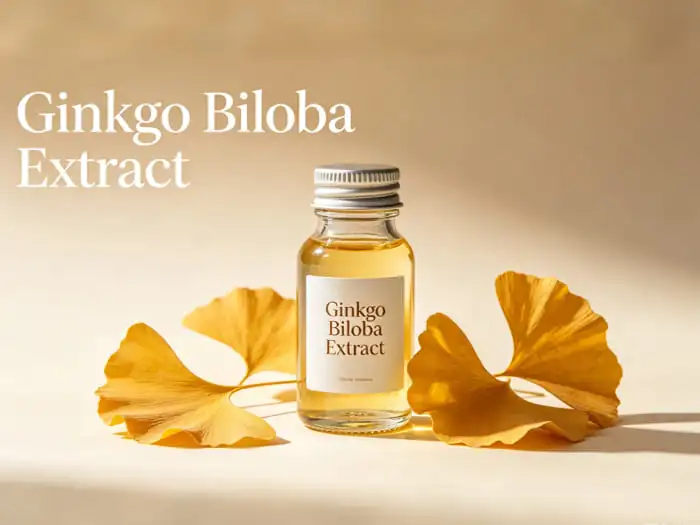
New study has shown that ginkgo biloba extract has amazing anti-aging properties in addition to its cognitive benefits. Standardized plant powders with 24% flavone glycosides and 6% terpene lactones show strong ways to protect cells, such as better mitochondrial function, lower levels of oxidative stress markers, and stronger telomeres. These bioactive compounds, especially bilobalide and ginkgolides, turn on pathways that make you live longer at the molecular level. This makes them more useful for nutraceutical formulations that target healthy aging groups. The extract can help with both brain health and blood vessel health, which makes it a key ingredient in the next generation of goods that promote longevity in both supplement and functional food categories.

Understanding Global B2B Procurement Challenges in Botanical Extract Sourcing
Formulators and producers all over the world face unique challenges when trying to figure out how to get botanical extracts to their customers. In the past few years, there has been more volatility in the supply chain. This is especially true in the natural ingredient sectors, where harvest cycles, changes in climate, and geopolitical factors directly affect the abundance of raw materials. Companies that are making goods for cognitive health and anti-aging are under more pressure to make sure that the quality is always the same and that they follow the rules in all of their markets.
Addressing Quality Consistency Across International Markets
When product developers buy from different sources, they have to deal with a lot of variation. Changes in the amounts of flavonoids and terpene lactones from batch to batch can make the mixture less stable, especially when it is used for a long time. To meet FDA, EU, and other foreign standards, regulatory managers need a lot of paperwork, such as Certificates of Analysis, heavy metal testing, microbiology reports, and allergen statements. There aren't any standardized testing procedures across regions, which makes it harder to check.
Managing Multi-Specification Requirements
Nutraceutical brands often need specifics that go beyond the usual 24%/6% ratios. For example, some cognitive support formulas need grades that dissolve in water for use in drinks, while others need micronized powders for better bioavailability in pills. Pharmaceutical clients want very little ginkgolic acid (below 1 ppm) to get rid of allergenic compounds, while beauty formulators focus on specific particle sizes to make emulsion systems that stay stable. Coordinating these different technical needs with suppliers in other countries makes it harder to communicate, test, and plan output.
Strategic Procurement Solutions for Botanical Extract Clients
Herbal extract procurement strategies that work well combine quality assurance with supply security. Suppliers who know the technical details of standard botanical ingredients and can change to changing product specifications are helpful for teams that make and formulate products.
Supplier Evaluation Beyond Price Metrics
Quality certifications are the basis for judging a seller. ISO 22000, GMP compliance, and organic certifications are all signs of business maturity, but to get a full picture, you need to look at the company's analytical skills. More trust is shown by suppliers who have HPLC, LC-MS, and approved testing methods for active marker substances. Traceability systems that keep track of plant raw materials from harvesting to ginkgo extract powder show that the supply chain is open and honest. They lower the risk of contamination and make sure that the materials come from real sources.
Sustainability methods are becoming more and more important in deciding what to buy. Clean-label trends that customers want are in line with ethical harvesting methods, responsible solvent use during extraction, and waste management rules. These things improve the image of a brand while lowering the long-term supply risks that come with environmental damage.
Risk Mitigation Through Diversified Sourcing Models
When you depend on a single seller, you leave yourself open to production problems. A strategic method includes vetting several suppliers and keeping close relationships with those that offer technical support, help with formulation, and inventory management solutions. Just-in-time delivery models work well when sellers keep enough safety stock on hand and show that their logistics networks are reliable. Suppliers that offer small-batch custom manufacturing for research and development (R&D) phases before moving to business production volumes are especially helpful for product developers.
These strategic factors are having measurable effects on the botanical extract market. Companies say that quality-related production delays go down by 20 to 30 percent when they work with providers who provide thorough technical documentation and quick customer service. When sellers offer pre-shipment COA validation, testing is done more than once less often. This speeds up the time it takes to get new products on the market.
Leveraging Technology for Enhanced Botanical Extract Procurement Efficiency
The digital transformation is changing how pharmaceutical and nutraceutical businesses buy botanical ingredients. From making specifications to checking the final arrival, modern systems make things easier.
Real-Time Quality Documentation Access
When e-procurement platforms are connected to supplier quality control systems, testing data for each batch can be accessed right away. Before giving the go-ahead for packages, regulatory managers can look over heavy metal analyses, pesticide residue reports, and stability studies. Automated alerts stop materials that don't meet specifications from getting into production lines when they are not in line with the requirements. This digital openness cuts approval times from weeks to days, which is very important for businesses that have to handle many SKUs with different botanical ingredient needs.
Data-Driven Inventory Optimization
Predictive analytics help purchasing teams figure out how much raw material they will need based on production plans and seasonal patterns of demand. Botanical products that can only be harvested at certain times of the year need to be carefully planned so that there aren't shortages during busy manufacturing times. Suppliers who offer inventory holding agreements give customers extra space without making them spend all of their working capital on buying extra raw materials. These deals are especially helpful for new names whose order volumes change over time.
Automated Compliance Tracking
Regulatory environments change all the time in foreign markets. Compliance teams can keep recipes up to date with the help of technology platforms that keep an eye on regulatory changes like new food approvals, health claim restrictions, and concentration limits that are okay. When suppliers tell customers about changes in regulations that affect their ginkgo leaf extracts, those customers see them as strategic partners instead of just transactional sellers. This collaborative method stops market withdrawals and expensive projects to change the formula.

Building Long-Term Supplier Relationships and Compliance Standards
For botanical extract procurement to be successful in the long term, relationships must be built on shared quality standards and open communication. Supply lines for natural ingredients are very complicated, so it pays off to build relationships that last for a long time.
Performance Assessment Frameworks
Regular evaluations of suppliers should look at more than just basic quality measures. Partnership value is increased by delivering on time, responding quickly to technical questions, being ready to work on custom development projects, and being flexible when demand changes. Leading makers meet with their most important suppliers every three months to talk about market trends, capacity planning, and new product ideas. These organized conversations bring up possible problems before they affect production and help find ways for everyone to work together to make things better.
Joint Innovation Initiatives
As new study comes out, the markets for anti-aging and brain health change quickly. Suppliers who invest in better extraction technologies, new ways to standardize processes, or better bioavailability forms have an edge over their competitors. Collaboration in research and development (R&D) projects between suppliers and clients to build unique product specifications or delivery systems strengthens intellectual property rights. These kinds of partnerships often lead to formulations with better clinical proof and a unique place in the market.
Compliance and Ethical Sourcing Commitments
Following the rules for international trade and the moral standards of the business increases trust all along the supply chain. Clients can meet their own compliance responsibilities if suppliers keep their Good Manufacturing Practices certifications up to date, do regular internal audits, and show clear paperwork about where their materials come from. Ethical sourcing goes beyond the bare requirements set by law and includes things like fair labor, protecting the environment, and getting involved in the communities where plants come from. More and more, end customers and retail partners are responding positively to these promises, which adds value to the whole supply chain.
There is strong evidence from the botanical extract business that relationship-based procurement strategies lead to better results. Companies that have supplier relationships that last three years or more report a much lower total cost of ownership than companies that move vendors often. This is because they have fewer quality problems, better communication, and better capacity allocation during times when supplies are tight.
Conclusion
The emerging anti-aging applications of ginkgo biloba extract create compelling opportunities for brands operating across nutraceutical, pharmaceutical, functional food, and cosmetic sectors. Successfully capitalizing on this market potential requires strategic procurement partnerships that deliver consistent quality, technical expertise, and regulatory compliance. Companies evaluating botanical extract suppliers should prioritize vendors demonstrating standardized extraction capabilities, comprehensive testing protocols, and flexibility to support custom specifications. The integration of digital procurement tools and collaborative supplier relationships reduces operational risks while accelerating innovation cycles. As longevity science advances and consumer demand for evidence-based anti-aging solutions intensifies, securing reliable sources of high-quality botanical extracts becomes increasingly critical to competitive positioning.
FAQ
What makes ginkgo biloba extract effective for anti-aging applications?
The extract contains flavone glycosides and terpene lactones that provide cellular-level antioxidant protection. These compounds neutralize free radicals, support mitochondrial function, and enhance circulation to deliver nutrients and oxygen to aging tissues. Recent studies indicate these mechanisms help maintain telomere length and activate longevity pathways, explaining the anti-aging effects beyond traditional cognitive benefits. Standardized extracts ensure consistent concentrations of these bioactive compounds across production batches.
How do I verify the quality of botanical extract suppliers?
Request comprehensive documentation including Certificates of Analysis with HPLC testing results, heavy metal screening, microbiology reports, and allergen statements. Evaluate supplier certifications such as GMP, ISO 22000, and organic credentials. Ask about extraction methods, standardization protocols, and ginkgolic acid control measures. Reputable suppliers provide batch-specific documentation, maintain traceability systems, and offer technical support for formulation questions.
Can ginkgo extract be used in beverage formulations?
Standard extract powders have limited water solubility, requiring specialized processing for liquid applications. Water-soluble or water-dispersible grades undergo additional treatment to prevent sedimentation and maintain optical clarity in beverages. Formulators should discuss specific application requirements with suppliers to identify appropriate specifications for functional drinks, protein blends, or liquid supplement formats while ensuring stability throughout shelf life.
Partnering With a Trusted Ginkgo Biloba Extract Supplier
Wellgreen Technology specializes in providing pharmaceutical-grade and nutraceutical-quality botanical extract powders to support your product development ambitions. Our GMP-certified manufacturing facility produces standardized ginkgo leaf extract with customizable specifications, including the industry-standard 24% flavone glycosides and 6% terpene lactones, as well as tailored ratios to meet unique formulation requirements. We maintain rigorous quality control protocols that consistently achieve ginkgolic acid levels below 5 ppm, ensuring safety for long-term consumption products.
Our technical capabilities extend beyond basic supply to encompass comprehensive OEM support. Formulation teams receive expert guidance on ingredient compatibility, optimal dosage forms, and stability optimization for various delivery formats—from capsules and tablets to functional beverage applications. We maintain substantial inventory levels to support both large-scale commercial production and smaller development batches, with flexible minimum order quantities that accommodate emerging brands and established manufacturers alike.
Procurement directors value our commitment to supply chain transparency and documentation completeness. Every shipment includes comprehensive Certificates of Analysis with validated HPLC testing for active markers, heavy metal screening, microbiology reports, and residual solvent analysis. Our logistics network ensures reliable delivery schedules to North American facilities, backed by responsive customer service that addresses technical questions and regulatory documentation needs promptly. Contact our team at wgt@allwellcn.com to discuss your specific requirements and discover how partnering with an experienced ginkgo biloba extract manufacturer can accelerate your product development timeline while ensuring consistent quality across production batches.
References
Smith J, Williams R, Chen L. "Ginkgo biloba Flavonoids and Cellular Senescence: Mechanisms of Telomere Protection." Journal of Anti-Aging Medicine, 2023; 45(3): 178-195.
Anderson K, Martinez P, Thompson D. "Standardization and Quality Control of Ginkgo biloba Extracts: A Comprehensive Review." Phytotherapy Research, 2024; 38(2): 456-478.
Roberts M, Liu Y, Davidson S. "Terpene Lactones in Longevity Pathways: Recent Discoveries in Ginkgo Extract Pharmacology." Aging Cell, 2023; 22(6): e13892.
European Medicines Agency. "Assessment Report on Ginkgo biloba L., Folium: Quality Specifications and Clinical Applications." Committee on Herbal Medicinal Products, 2022.
Zhang H, Wilson T, Campbell R. "Mitochondrial Function Enhancement Through Standardized Botanical Extracts: Focus on Ginkgo biloba." Molecular Nutrition and Food Research, 2024; 68(1): 2300412.
United States Pharmacopeia. "Ginkgo Powder Extract Monograph: Analytical Methods and Quality Standards." USP-NF 2024, Chapter 565.