What is Curcumin Extract Used For?
2026-05-19 14:20:07
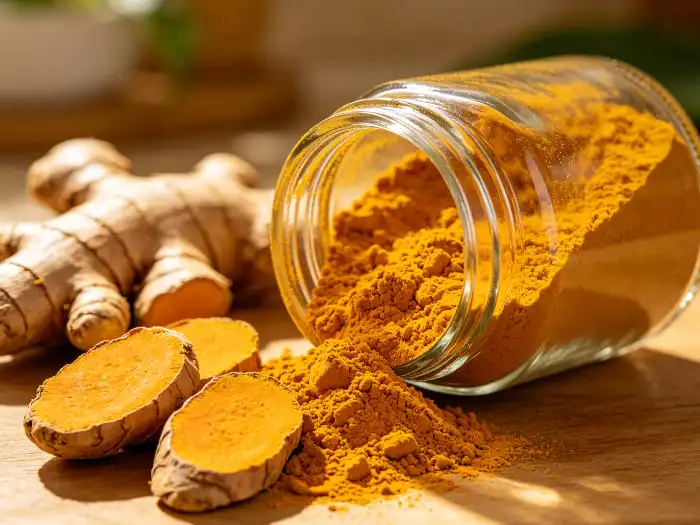
Turmeric rhizomes are used to make curcumin extract, which is a concentrated natural substance known for the amount of active curcuminoid it contains. Unlike raw turmeric, this strong curcumin powder is more potent because it was extracted in a controlled way. It is used in a lot of different areas, such as functional drinks, nutraceutical supplements, pharmaceuticals, and cosmetics. Its main uses are to use its anti-inflammatory and antioxidant qualities to make joint health products, sports recovery products, digestive health supplements, and skin care products. The extract can be used in many different ways, which makes it essential for product makers who want to use botanical ingredients that are backed by science, have been shown to work, and are well-known in the market.
Understanding Curcumin Extract and Its Core Benefits
What Makes Curcumin Different from Raw Turmeric?
Concentration and uniformity are what make the difference. Whole turmeric root has about 2% to 5% curcuminoids, but professional-grade extracts get these active chemicals to 95% purity by extracting them with a solvent and crystallizing them. This standardization makes sure that performance is the same from batch to batch, which is very important for brands that need capsules, tablets, and functional mixes to work as expected. During the extraction process, the fiber, starch, and volatile oils are taken away. What is left is a fine powder with a high bioactive density that can be used for exact formulation work.
Biochemical Mechanisms Behind Health Benefits
Researchers in pharmaceuticals and supplement makers are both interested in how curcumin works because it does so many things. The chemical stops nuclear factor-kappa B (NF-κB), a group of proteins that causes cellular parts to become inflamed. This process explains why it works so well for joint health, where pain and limited mobility are caused by chronic inflammation. Curcumin also has a great ability to get rid of free radicals and reactive oxygen species, which speed up the aging process of cells. Because it reduces inflammation and protects cells from damage, the extract is a key ingredient in health care products for older people and people who live active lives.
Bioavailability Challenges and Enhancement Strategies
Raw curcumin is hard to absorb because it doesn't mix well with water and is quickly broken down in the liver through glucuronidation. Because of this, new delivery technologies have come about that are useful for buying teams that are checking how well ingredients work. When taken with piperine from black pepper extract, the bioavailability goes up by about 2000% because digestive enzymes are stopped working. Nano-emulsification, liposomal encapsulation, and complexation with phospholipids are some other methods that can be used. When product developers choose extract specifications, they have to weigh the cost of the extract against the bioavailability results they want. Standardized 95% curcumin is used as the base for most enhancement methods.
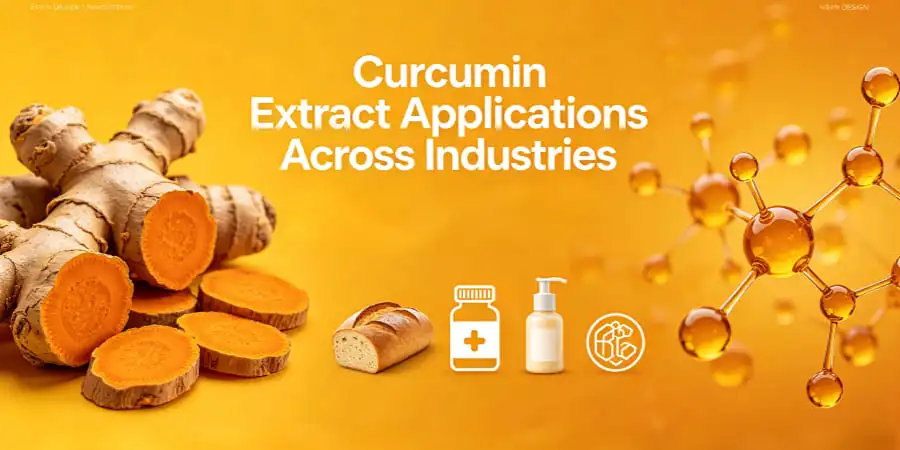
Curcumin Extract Applications Across Industries
Nutraceutical and Dietary Supplement Formulations
As the most popular application area, joint health uses curcumin as the main active ingredient in products that help with arthritis pain and mobility. Formulation teams usually mix the extract with glucosamine, chondroitin, or boswellia to make blends that work better together. As an anti-inflammatory, curcumin is used by sports nutrition makers in post-workout recovery capsules to help muscles recover and lower oxidative stress caused by exercise. For even mixing in tablet compression and capsule filling, these uses need a steady particle size distribution, which is usually 80 to 100 mesh. Because the supplement business is very careful about safety profiles, regulatory managers give more weight to suppliers who keep heavy metal levels well below USP limits. This is especially true for lead, cadmium, and arsenic.
Pharmaceutical and OTC Health Products
Higher purity standards and validated analytical methods are needed for pharmaceutical uses, which are above and beyond what is needed for supplements. Researchers are making medicines with curcumin to treat inflammatory conditions. These medicines use the compound's COX-2 enzyme inhibition qualities, which are similar to some painkillers but safer. The botanical drug industry really values tracking records that show how finished extract batches are linked to the botanical materials that were used to make them through detailed chain-of-custody records. Quality assurance teams need reports of analysis that show microbial limits, testing for residual solvents, and pesticide screening that is in line with pharmacopeia monographs. Because of these strict standards, high-quality extracts that have stability data across changes in temperature and humidity are often needed.
Functional Food and Beverage Innovation
The natural colorant designation (E100) opens up a lot of possibilities for clean-label food formulas that want to use natural colors instead of synthetic Yellow 5 and Yellow 6 dyes. But uses that involve drinks are more difficult technically and need special product shapes. Standard curcumin powder doesn't mix well with water and leaves behind unwanted sediment and ring stains in bottles. Because of this, there is a need for water-soluble forms that are made by microencapsulation or spray-drying with carrier matrices. Energy drink makers and functional juice makers put a lot of emphasis on pH stability tests because curcumin's bright yellow color turns dull brown when the pH level is high. Formulation chemists have to find a balance between off-notes and color intensity. They often do this by mixing curcumin with tastes that go well with turmeric's earthy profile, like ginger and citrus.
Cosmetics and Personal Care Applications
Curcumin's antioxidant properties are used by skin care companies to make anti-aging creams, brightening serums, and soothing masks that treat skin problems caused by inflammation. The compound's ability to get rid of free radicals helps protect skin cells from damage caused by UV light and environmental stressors. However, using raw curcumin in products can be hard because it can stain skin and break down in sunlight, which can shorten the product's shelf life. Cosmetic chemists deal with these problems by creating nano-lipid carrier systems that help products get deeper into the skin and keep the top from turning discolored. Innovative managers look for customized concentration ranges—usually between 0.5 and 3% in finished formulations—that are well-balanced between goals for effectiveness and concerns about how the product looks. The personal care industry really likes organic-certified extracts that fit with the idea of natural beauty and meet customers' standards for honesty.
Comparing Curcumin Extract Options for Procurement
Standardization Levels and Quality Specifications
There are different levels of standardization for curcumin extracts on the market. For pharmaceutical and special supplement uses, 95% curcuminoid content is the gold standard. According to this information, 95 grams of every 100 grams are made up of total curcuminoids, mostly curcumin, demethoxycurcumin, and bisdemethoxycurcumin. Lower levels of standardization, like 85% or 70%, offer cheaper options for functional food uses where high potency is not as important as hitting the goal color intensity. Professionals in procurement should make sure that sellers use high-performance liquid chromatography to measure the amount of curcuminoid instead of spectrophotometric methods, which are less accurate and can overestimate the active ingredient due to interference from other compounds.
Organic Certification Versus Conventional Production
In markets where consumers associate organic labels with better safety and environmental stewardship, organic-certified turmeric extract gets premium positioning. For USDA and EU organic certifications, non-GMO status must be confirmed, synthetic pesticides must not be used, and organic treatment must be documented throughout the supply chain. These certifications are important for brands that want to sell to natural goods stores and health-conscious people who are willing to pay more for certified ingredients. Conventional production has benefits for supply stability and agricultural scalability, as long as responsible providers use integrated pest management and good farming methods that keep residues below levels considered safe by the international community. The choice between organic and conventional farming comes down to balancing market positioning goals with cost structures and target customer profiles.
Bioavailability-Enhanced Formulations
Next-generation curcumin products get around problems with absorption by using special delivery methods that make finished goods stand out from the competition. Phytosome complexes join curcumin and phosphatidylcholine to make molecular structures that are compatible with lipids and improve absorption in the intestines. Nano-emulsified forms make particles that are less than one micron in size, which makes them easier for water to mix with and for cells to take in. These improved versions usually cost a lot more than the normal 95% turmeric extract, but they do raise the concentration of the drug in blood plasma in a way that supports claims of effectiveness. When purchasing these choices, teams should ask for comparative bioavailability studies that show better absorption compared to standard curcumin controls. These studies should ideally come from peer-reviewed publications instead of proprietary white papers.
Strategic Procurement Considerations for Curcumin Extract
Quality Assurance and Certification Requirements
Successful procurement strategies set quality standards that can't be changed. These standards protect the brand's image and make sure that regulations are followed. ISO 9001 certification shows that quality management is orderly, and GMP certification shows that production facilities meet the standards for making medicines. Third-party testing by independent labs is more reliable than certificates of analysis given by the supplier. This is especially true for important factors like heavy metal contamination, microbial counts, and pesticide residues. Before sending materials to production, procurement directors should set up testing methods for incoming materials that use HPLC fingerprinting to confirm identity and check active content. This multi-level quality method lowers the chance that fake or adulterated products will get into supply chains. This is a common problem in markets for botanical extracts, where people may substitute or spike products for money-making reasons.
Supply Chain Reliability and Sourcing Geography
Curcuma longa is mostly grown in India, which makes about 80% of the world's turmeric. Other Southeast Asian countries, like Vietnam and Indonesia, also grow some turmeric. Where the material comes from affects both its quality and its security of supply. Indian material usually has a higher curcuminoid content because it grows in better conditions and has been farmed for a long time. But changes in the weather, the timing of harvests, and international issues can disrupt supplies, which can have an effect on prices and availability. Smart procurement teams come up with dual-source plans that include both main suppliers and qualified backup suppliers who can meet requirements. Long-term supply agreements with a range of delivery dates help keep costs stable when the market changes, and they also make sure that materials are always available, so production plans can keep going.
Cost Management and Pricing Dynamics
The price of turmeric extract depends on many things, such as the cost of the raw materials, the level of standardization, the state of the certification, and the number of orders. Prices on the market change with the seasons of agriculture. After harvest, when new crops are ready to be processed, prices are usually at their best. Large manufacturers can improve their margins by using tiered pricing systems that are unlocked by volume commitments. Smaller brands may benefit from flexible minimum order quantities that lower the costs of keeping inventory. Instead of just looking at per-kilogram prices, procurement professionals should look at the overall landed costs, which include freight, customs duties, and storage. Sample evaluation programs let technical teams check the performance characteristics of products before placing bigger purchase orders. This lowers the chance of specification mismatches that could hurt formulation work.
Maximizing ROI from Curcumin Extract: How to Choose the Right Product?
Aligning Extract Specifications with Application Requirements
Pharmaceutical developers need the purest grades, along with full analytical documentation, tested methods that have been proven to work, and stability data to back up promises about shelf life. The high prices of these apps are justified by strict quality standards that guarantee consistent therapeutic results. It's important for dietary supplement brands to find a balance between cost and effectiveness. They usually choose 95% standardized material that has been improved with piperine or other bioavailability boosts that work better without making the product very expensive. Manufacturers of functional drinks focus on making forms that dissolve easily in water and have neutral flavors and stable pH levels. They are willing to give up some concentration in order to get technical usefulness in liquid systems. Cosmetic formulators look for particles that are very small and can mix easily into emulsions without getting gritty. These particles usually have lower strength levels than those used in supplements.
Evaluating Supplier Technical Support Capabilities
Aside from the quality of the raw materials, partnerships with suppliers should also provide scientific know-how that speeds up the development of products and the resolution of problems. Leading suppliers have application labs with food scientists and formulation chemists working there to help with tests for compatibility, improving stability, and making regulatory paperwork. This technical help is especially helpful when coming up with new ways to send drugs or solving problems with formulation like precipitation, color shifting, or flavor masking. When you go beyond just buying things from a supplier and work together on new ideas, you gain a competitive edge through faster time-to-market and unique product features that put you in a higher market place.
Emerging Trends and Future-Focused Sourcing
The curcumin market is always changing because of new discoveries in bioavailability science, more sustainable farming methods, and better ways to harvest curcumin. Supercritical CO2 extraction gets rid of worries about residual solvents and makes turmeric extracts that are very pure and appealing to people who buy high-end natural goods. Sustainability standards, like Fair Trade and Rainforest Alliance, meet the needs of consumers who want to buy goods that are made in an ethical way and help small farmers. More and more studies are being done in humans to find proof for the uses of curcumin. New studies are looking into cognitive function, cardiovascular health, and managing metabolic syndrome. Proactive purchasing plans keep an eye on these patterns to predict how market needs will change and get ingredient stocks ahead of the competition.
Conclusion
Curcumin extract represents a versatile botanical ingredient with proven applications spanning nutraceutical, pharmaceutical, functional food, and cosmetic sectors. Its anti-inflammatory and antioxidant properties address multiple health concerns from joint wellness to sports recovery and skincare protection. Successful procurement requires understanding standardization levels, bioavailability enhancement strategies, and quality specifications that align with intended applications. Strategic supplier selection balances certification compliance, technical support capabilities, and supply chain reliability against cost management objectives. As consumer demand for natural, science-backed ingredients continues growing, curcumin extract remains positioned as a cornerstone material for innovative product development across health and wellness categories.
FAQ
What concentration of curcumin powder should I specify for supplement formulations?
Most dietary supplement applications utilize 95% standardized curcumin extract as it provides maximum potency in capsule and tablet formats. This concentration allows effective dosing within reasonable serving sizes while supporting strong efficacy claims. Lower concentrations around 70-85% work adequately for functional food applications where extreme potency is less critical than achieving color and baseline functionality. Always consider whether your formulation includes bioavailability enhancers like piperine, as these can reduce the required curcumin concentration while maintaining effective blood plasma levels.
How do I ensure consistent color performance in beverage applications?
Color stability depends heavily on pH management and light protection. Curcumin maintains its bright yellow hue in acidic environments below pH 7 but shifts toward brownish tones in alkaline conditions. Select water-soluble or nano-emulsified forms specifically designed for beverage systems rather than standard powder. Request stability testing data showing color retention under your specific formulation conditions including pH range, storage temperature, and light exposure. Opaque or UV-protective packaging helps preserve color integrity throughout shelf life.
What certifications matter most when sourcing turmeric extract?
GMP certification ensures manufacturing quality control, while organic certifications appeal to natural products markets. For pharmaceutical applications, materials should comply with USP or EP monographs with validated analytical methods. Heavy metal testing, pesticide screening, and microbial limits certifications protect consumer safety and regulatory compliance. ISO 9001 indicates systematic quality management. Request certificates of analysis with each batch and consider third-party verification testing for critical parameters.
Partner with Wellgreen for Premium Curcumin Powder Supply
Wellgreen Technology delivers pharmaceutical-grade curcumin powder manufactured in our GMP-certified facilities with rigorous quality controls that protect your brand integrity. Our standardized extracts range from 70% to 95% curcuminoid content, supported by comprehensive certificates of analysis documenting heavy metal limits, pesticide screening, and microbial testing. We maintain substantial inventory enabling rapid fulfillment for both development samples and commercial-scale orders. As an experienced curcumin powder supplier, we provide formulation support for challenging applications including water-soluble beverage systems and bioavailability-enhanced supplement blends. Our technical team collaborates with your product developers to optimize specifications, recommend co-ingredient combinations, and troubleshoot stability challenges. Contact our procurement specialists at wgt@allwellcn.com to discuss your specific requirements and request samples demonstrating our quality standards.
References
Hewlings SJ, Kalman DS. Curcumin: A Review of Its Effects on Human Health. Foods. 2017;6(10):92.
Prasad S, Aggarwal BB. Turmeric, the Golden Spice: From Traditional Medicine to Modern Medicine. In: Benzie IFF, Wachtel-Galor S, editors. Herbal Medicine: Biomolecular and Clinical Aspects. 2nd edition. Boca Raton: CRC Press; 2011.
Sharma RA, Gescher AJ, Steward WP. Curcumin: The Story So Far. European Journal of Cancer. 2005;41(13):1955-1968.
Nelson KM, Dahlin JL, Bisson J, et al. The Essential Medicinal Chemistry of Curcumin. Journal of Medicinal Chemistry. 2017;60(5):1620-1637.
Gupta SC, Patchva S, Aggarwal BB. Therapeutic Roles of Curcumin: Lessons Learned from Clinical Trials. The AAPS Journal. 2013;15(1):195-218.
Tabanelli R, Bravo E, Piva A, Grilli E. Curcumin as a Potential Feed Additive to Improve the Performance of Poultry and Swine. Animals. 2021;11(12):3435.