Valerian's Impacts on Sleep and Mental Health
2026-05-28 14:54:03
Valerian extract has become one of the most important plant ingredients in the functional wellness industry, especially for helping people sleep and with their mental health. This tried-and-true plant material comes from the roots of Valeriana officinalis. It has chemical compounds, mainly valerenic acid, that work with GABAergic pathways in the brain to help people relax without making them sleepy. Valerian extract provides pharmaceutical companies, functional food producers, and nutraceutical companies with a scientifically proven ingredient that treats insomnia, daily stress, and mild anxiety as consumer demand shifts toward plant-based, non-habit-forming alternatives to synthetic sleep aids. B2B decision-makers can confidently and legally add this botanical to their product lines if they understand how it works, what its comparative benefits are, and how to get it.
Understanding Valerian Extract and Its Mechanisms
Botanical Origins and Active Phytochemicals
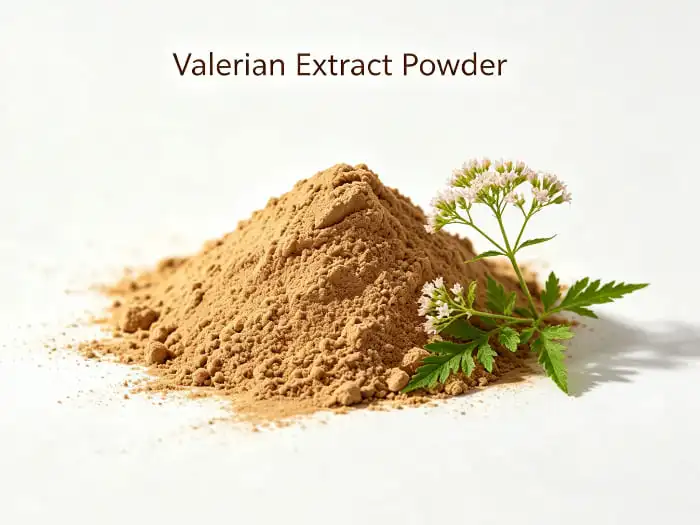
Valerian root has been used in traditional Asian and European plant medicine for hundreds of years, but modern techniques for extracting it have made it possible to precisely separate its most useful therapeutic components. There are many different kinds of sesquiterpenes in the root. The main ones are valerenic acid and acetoxyvalerenic acid. There are also valepotriates and volatile oils that are high in isovaleric acid. These chemicals work together to change gamma-aminobutyric acid (GABA) receptors. This stops the breakdown of the relaxing neurotransmitter and makes it more available in the spaces between neurons. This action slowly lowers the excitability of neurons, making it easier to go from being awake to restorative sleep stages without the risks of rebound sleeplessness or dependence that come with benzodiazepines.
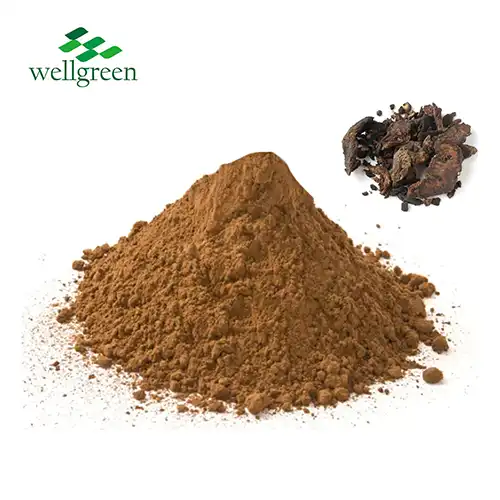
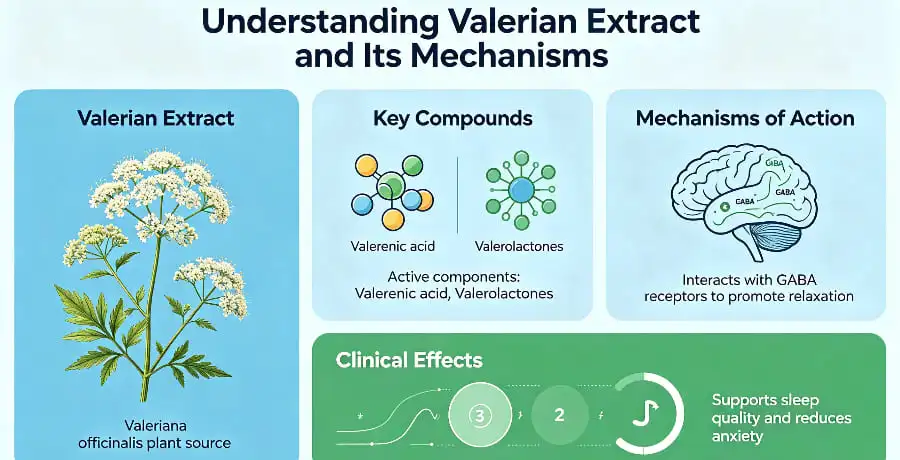
Hydro-alcoholic extraction methods keep heat-sensitive terpenes while getting rid of unwanted plant matrices are used to make professional-grade valerian powder. The fine, tan-to-brown, hygroscopic powder that is made usually goes through an 80-mesh sieve and has a bulk density of 0.40 to 0.60 g/ml. These are important qualities for the next steps of encapsulation and tablet compression. Total ash stays below 5% to ensure purity, and moisture content is strictly managed below 5% to stop the growth of microbes and caking. Extracts that meet industry standards have at least 0.8% valerenic acid, which can be checked using HPLC. This makes sure that the dosages are always the same, which is needed for clinical efficacy claims and regulatory reports.
Clinical Benefits for Sleep Quality and Mental Wellness
Several studies that were reviewed by experts in the field have shown that valerian can help reduce sleep latency (the time it takes to fall asleep) and improve subjective sleep quality scores without making people feel sleepy the next day. A study published in Sleep Medicine Reviews looked at 18 randomized controlled trials and found that people who took 300–600 mg of standardized valerian extract had statistically significant changes in the structure of their sleep compared to people who were given a placebo. The extract seems to work best for people with mild to moderate insomnia caused by stress or racing thoughts, not for people with serious sleep disorders that need medical help.
Valerian not only helps you sleep, but it also has relaxing effects that can help you deal with stress and anxiety in everyday life. The GABAergic activity of the extract calms down the overactive stress response without affecting cognitive function. This makes it a good ingredient for everyday stress-management products. Some study shows that combining it with other adaptogens may help with mood stabilization and concentration, but these effects need more research. When used at the suggested doses for up to six weeks, valerian does not cause tolerance or withdrawal symptoms like prescription anxiety drugs do. There isn't a lot of information about long-term safety, which is why makers suggest cyclical use patterns or professional supervision for long-term supplementation.
Valerian Extract Compared to Other Natural Sleep and Anxiety Aids
Positioning Against Competing Botanicals
B2B product makers often compare valerian to other herbal sleep aids to find the best ways to make their products. Melatonin is still the most important factor for adjusting the circadian rhythm, especially for people who travel a lot or work shifts, but it doesn't help with the stress-related arousal that keeps many people awake. While apigenin in chamomile can help you relax slightly through its sensitivity for benzodiazepine receptors, it is usually not as strong as valerian in clinical tests. When inhaled or taken in capsule form, lavender essential oil can help calm you down, but it's hard to make large amounts of it because the supply chain is unstable and there are problems with regulation.
Passionflower, lemon balm, and valerian can work well together because their different effects can lower the total amount of each ingredient needed while increasing the overall healing effect. This method uses a lot of different plants because different people with sleep disorders react differently to different plant chemicals because of differences in their neurotransmitter profiles and metabolic changes. Even though kava is very strong, it is limited in some markets because it may be harmful to the liver. On the other hand, valerian is still GRAS in the US and is approved in all European markets when it is properly standardized and tested.
Safety Profile and Regulatory Landscape
Valerian extract has a great safety record when it comes from reputable companies that follow GMP guidelines. Common side effects are still mild and rare. They include headaches, stomach pain, or intense dreams that usually go away when the dose is changed. The extract doesn't make you sleepy in the morning or slow your mind like antihistamine-based sleep aids do, and it also doesn't increase your risk of breaking a bone like long-term hypnotic use does. So, procurement teams need to make sure that suppliers use ICP-MS to do full heavy metal screening to make sure they follow California Prop 65 limits and international pharmacopeia standards. This is because botanical ingredients can bioaccumulate environmental contaminants if they are grown in polluted areas.
Testing for microbes is another important quality step. Valerian's ability to absorb water and high level of organic matter make it a good place for mold and bacteria to grow if moisture control fails during transport or storage. Suppliers you can trust will give you Certificates of Analysis that show the total plate count, the amount of yeast and mold, and the lack of diseases like E. coli and Salmonella. These quality metrics have a direct effect on the stability of the finished product and compliance with regulations. This is especially true for supplements aimed at the European market under Novel Food rules or for supplement makers dealing with FDA inspections.
Procurement Insights: Selecting and Purchasing Quality Valerian Extract
Essential Quality Benchmarks for B2B Sourcing
Instead of simple ratio extracts, choices about what to buy should be based on standardized valerenic acid content. A "10:1 extract" notation only says that 10 kg of raw root made 1 kg of powder, but it doesn't say anything about the quantity of active compounds. A standard that guarantees 0.8% total valerenic acids, on the other hand, makes sure that the product is consistent from batch to batch, which is important for making claims about dose-dependent effectiveness and making sure that the formulation can be used again and again. This standardization makes it possible for R&D teams to do useful stable studies and helps regulatory dossiers by making pharmacokinetic profiles more predictable.
Organic certification is appealing to clean-label brands that are aimed at health-conscious consumers, but regular valerian can meet the same purity standards if it is checked properly. GMP approval is still required for pharmaceutical uses and is becoming more and more expected by high-end supplement brands. Labs that are certified by ISO/IEC 17025 standards can do third-party testing to make sure that what suppliers say is true. This lowers the risk of supply chain fraud that comes with botanical markets. Traceability paperwork, which connects batches of finished extract to specific growing areas and harvest dates, helps with transparency efforts and lets people act quickly if quality problems arise.
The strong smell of valerian, which comes mostly from isovaleric acid, lets you know it's real but makes it hard to make medicines. Standard hydro-alcoholic extracts still have this strong smell, which means they need enteric coatings, softgel encapsulation, or strong flavor-masking systems in edible forms. Some sellers offer versions that don't have a smell, but harsh processing can break down volatile therapeutic terpenes. B2B buyers have to think about both the natural smell and the manner in which the product will be delivered. Capsules can handle the smell, but functional drinks need special water-soluble, flavor-compatible mixes that keep the drink clear without settling.
Evaluating Supplier Capabilities and Reliability
In the botanical supply ecosystem, different sourcing routes meet different buying needs. Direct relationships with valerian powder makers can save buyers money and give them more freedom to customize when they're making their own blends, but they need to have strong quality control systems in place. Wholesale distributors bring together products from many different manufacturers. They offer lower minimum order numbers and easier logistics, which makes them good for new brands that want to see how the market reacts to them. Private label makers offer complete solutions, from formulating to packaging. This is great for OEM clients who don't have their own development teams but want to get into the market quickly.
When evaluating a supplier, the specs for the extraction solvent should be looked into, as any leftover methanol is very dangerous to your health. High-quality businesses use ethanol-water extraction methods that leave behind less than 5,000 parts per million of ethanol, which is the limit set by the USP and the European Pharmacopoeia. Valerian's tendency to absorb water means that materials that keep moisture out, like aluminized multilayer bags with heat-sealed closures and desiccant packs, are needed to make the product last longer. By reducing oxidative degradation, suppliers who offer nitrogen flushing during packing help foods last longer on the shelf. Every shipment should come with storage instructions that say the items should be kept cool (below 25°C), dry, and out of direct sunlight as much as possible. Clear labels with production and expiration dates make it easier to move items through inventory.
Maximizing Valerian Extract's Value in Your Product Portfolio
Strategic Application Across Product Categories
Valerian root extract is the main ingredient in many sleep aid products. It can be found in softgel capsules, tablets, and the more and more popular nighttime gummies, which are made for people who want an easy way to help their sleep without taking medicine. In these mixes, valerian is the main ingredient that works. It is often mixed with other ingredients that work together, like melatonin, magnesium glycinate, L-theanine, or 5-HTP, to help with more than one way that sleep problems happen at the same time. The powder's bulk density and flowability make it suitable for high-speed encapsulation lines as long as they are properly conditioned. However, because it absorbs water, makers must be aware that it could bridge or stick during transfer and filling operations.
Developers of functional drinks have started putting water-soluble valerian preparations into stress-relieving shots, nighttime teas, and sleep tonics. For these uses, you need special extracts that can be spray-dried or treated with enzymes to make water clear without leaving behind sediment. The technical problem is hiding the taste. Valerian has earthy and smoky notes that need complex sweetener systems, botanical flavor complexes, or microencapsulation technologies to make them acceptable to consumers. When valerian is used in drinks that work well, it's usually part of a larger botanical mix with herbs that go well together, like chamomile and passionflower, which create a more balanced sensory profile.
Animal nutrition is a new area where valerian is being used. It is found in treats and supplements for pets that are meant to help them calm down during weather, fireworks, or travel. These veterinary nutraceuticals focus on taste by using meat-flavored coatings or soft chew materials, and they keep their temperature stable by extruding or cold-pressing them. Dosage considerations for animals are very different from those for humans. This means that animal safety data and advice from veterinarians are needed to help with product creation.
Formulation Strategies and Synergistic Combinations
Product development procurement teams should know that valerian works best when it is mixed with other ingredients that work together to help with sleep problems from different directions. When you mix valerian with GABA or L-theanine, the calming neurotransmitter pathway is amplified. Adding magnesium helps with the muscle tightness that comes with stress-related insomnia. Melatonin's ability to control the body's clock works well with valerian's ability to help people relax, making a two-step process that makes it easier to fall asleep and keeps you asleep. These synergistic blends let formulators lower the doses of each ingredient while still getting better clinical results than with single-agent methods.
New forms of delivery, such as transdermal patches, nanoemulsion liquid shots, and oral dissolving strips, offer chances for brands that are focused on new ideas. Not all sources can make the specialized extract preparations that these new systems need. For example, they need water-soluble powders for liquid applications or liposomal formulations to make the drugs more bioavailable. B2B buyers should talk to possible partners early on in the development process to find out how technically skilled they are and how willing they are to change the requirements for special delivery technologies. Strategic supply partners are different from transactional commodity vendors because they can go from bench-top prototypes to commercial production numbers without lowering the quality.
Conclusion
Valerian root extract represents a scientifically validated, market-proven ingredient for nutraceutical brands, pharmaceutical developers, and functional food manufacturers addressing the expanding sleep and stress management categories. Its GABAergic mechanism delivers clinical benefits without the dependency risks of synthetic alternatives, while its regulatory acceptance and clean-label positioning align with contemporary consumer preferences. Successful procurement demands focus on standardized valerenic acid content, comprehensive quality testing, and supplier capabilities matching specific formulation requirements. Strategic integration of valerian into product portfolios—whether as a standalone sleep aid or within synergistic botanical complexes—positions brands to capture market share in the dynamic wellness sector while maintaining the quality standards and traceability that discerning consumers and regulatory agencies expect.
FAQ
What dosage range is appropriate for sleep supplement formulations?
Clinical studies typically employ 300-600 mg of standardized valerian extract (0.8% valerenic acids) taken 30-120 minutes before bedtime. Finished product formulations should account for extraction ratios and standardization levels to deliver this therapeutic range. Lower doses around 150-200 mg may suffice when combined with synergistic ingredients like hops or passionflower.
Does valerian extract interact with prescription medications?
Valerian may potentiate the effects of central nervous system depressants including benzodiazepines, barbiturates, and alcohol. Product labels should include appropriate warnings for consumers taking sedative medications or undergoing anesthesia. While interactions remain theoretical rather than extensively documented, regulatory prudence demands disclosure.
Which certifications are essential for bulk valerian extract purchases?
GMP certification verifies manufacturing quality systems, while organic certification appeals to clean-label positioning. Third-party testing documentation for heavy metals, microbial contaminants, and pesticide residues remains non-negotiable. Kosher and Halal certifications expand market reach for brands serving specific demographic segments.
How should valerian powder be stored to maintain potency?
Store in original sealed containers at temperatures below 25°C in low-humidity environments, protected from direct light. Nitrogen flushing during packaging extends shelf life by minimizing oxidative degradation. Properly stored material maintains potency for 24 months from manufacturing date.
Partner with Wellgreen for Premium Valerian Extract Supply
Wellgreen Technology operates as a professional valerian extract manufacturer serving nutraceutical brands, pharmaceutical companies, and functional food producers throughout North America and Europe. Our GMP-certified production facilities ensure every batch meets stringent quality specifications, with guaranteed valerenic acid standardization verified through third-party HPLC testing. We maintain substantial inventory of certified organic and conventional grades, supporting rapid fulfillment for both development samples and commercial-scale orders. Our technical team provides comprehensive formulation support, helping clients optimize dosage forms from capsules and tablets to beverage-compatible water-soluble preparations. With complete documentation including Certificates of Analysis, allergen statements, and country-specific regulatory compliance files, we streamline your product development timeline. Contact our procurement specialists at wgt@allwellcn.com to discuss custom specifications, request samples, or receive a detailed quotation for your next valerian extract project.
References
Bent, S., Padula, A., Moore, D., Patterson, M., & Mehling, W. (2006). Valerian for sleep: A systematic review and meta-analysis. American Journal of Medicine, 119(12), 1005-1012.
Fernández-San-Martín, M. I., Masa-Font, R., Palacios-Soler, L., Sancho-Gómez, P., Calbó-Caldentey, C., & Flores-Mateo, G. (2010). Effectiveness of Valerian on insomnia: A meta-analysis of randomized placebo-controlled trials. Sleep Medicine, 11(6), 505-511.
Shinjyo, N., Waddell, G., & Green, J. (2020). Valerian root in treating sleep problems and associated disorders—A systematic review and meta-analysis. Journal of Evidence-Based Integrative Medicine, 25, 2515690X20967323.
Wheatley, D. (2005). Medicinal plants for insomnia: A review of their pharmacology, efficacy and tolerability. Journal of Psychopharmacology, 19(4), 414-421.
European Medicines Agency. (2016). Assessment report on Valeriana officinalis L., radix and Valeriana officinalis L., aetheroleum. Committee on Herbal Medicinal Products (HMPC).
Hadley, S., & Petry, J. J. (2003). Valerian. American Family Physician, 67(8), 1755-1758.