What Does Broccoli Seed Extract Do?
2026-03-13 13:55:04
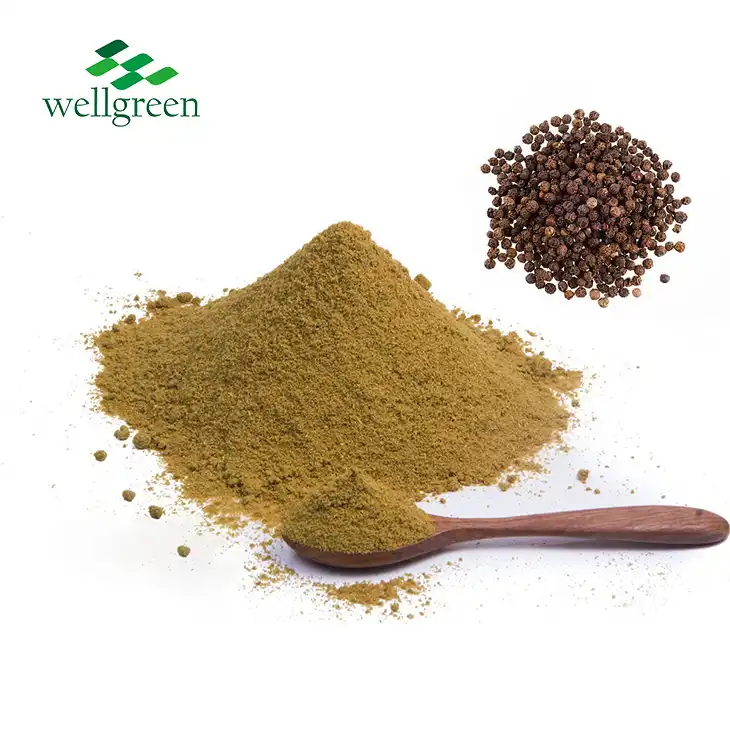
The concentrated plant ingredient broccoli seed extract comes from Brassica oleracea var. italica seeds and is mostly checked for glucoraphanin content (0.5% to 10% via HPLC). This extract is a safe starting point for sulforaphane, which is a strong NRF2 pathway activator that helps with inflammation, detoxification, and antioxidants. The seed extract is more stable for commercial use than volatile sulforaphane compounds. This makes it perfect for dietary supplements, functional foods, and cosmetic products in the nutraceutical, pharmaceutical, and personal care industries.
Understanding Broccoli Seed Extract and Its Core Benefits
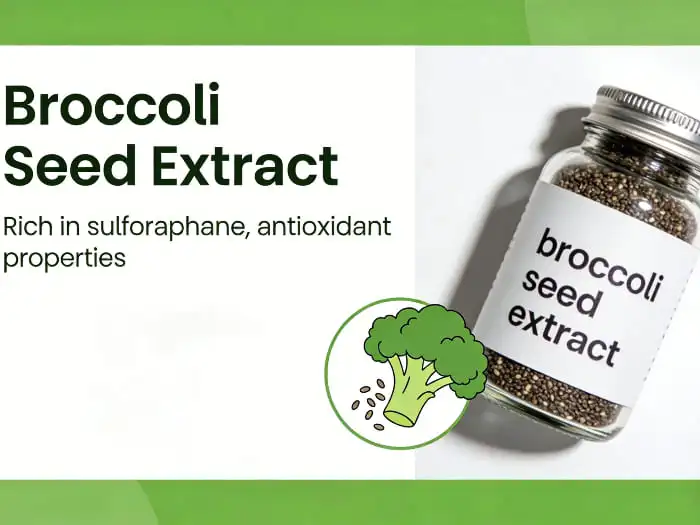
Broccoli seeds have a plant extract that is one of the best places in nature to get glucosinolates, especially glucoraphanin. When these seeds are processed using new low-temperature extraction methods, a powder is made that has 10 to 100 times the amount of bioactive chemicals that are in mature broccoli florets.
Primary Bioactive Mechanisms
Myrosinase enzymes change the main ingredient in this extract, glucoraphanin, into sulforaphane for chemical reactions. This process of translation turns on the NRF2 pathway, which controls more than 200 genes in human cells that clean up and protect against damage. Studies show that this action makes cells better at protecting themselves from oxidative stress and environmental toxins.
The molecular nature of the extract makes it more stable than taking sulforaphane supplements directly. Pure sulforaphane breaks down quickly in hot, bright, or acidic conditions. But glucoraphanin stays stable during normal production steps, such as when tablets are compressed and capsules are filled.
Health Applications Across Industries
Clinical tests have shown that the extract helps the immune system work, the liver's detoxification pathways, and heart health. Because it can boost Phase II detoxification enzymes, the compound is very useful for goods that target environmental toxin exposure and metabolic support.
In cosmetics, the extract is very good at getting rid of free radicals, which protects skin cells from damage caused by UV light and smog. Dermatological study shows that topical formulations with this ingredient can lower markers of inflammation and boost collagen production. This makes it useful for anti-aging and skin protection products.
Practical Usage and Dosage Guidelines for Industrial and Consumer Applications
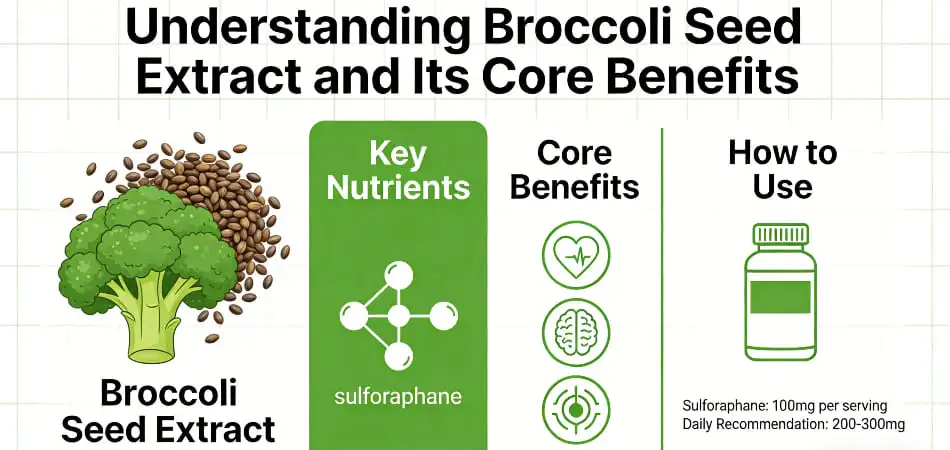
To make effective products while keeping safety profiles, manufacturing teams need precise dosage parameters. For oral supplements, industry guidelines usually say that concentrations should be between 100 mg and 500 mg per day. This is figured out by the amount of glucoraphanin in the extract rather than its total weight.
Formulation Considerations
The naturally sulfurous nature of the extract makes it hard to make consumer goods that taste good. These off-flavors are reduced by advanced refinement methods that keep the bioactivity, which lets them be added to functional drinks, protein powders, and chewable supplements. Taste problems can be hidden even more with microencapsulation technologies in liquids with pH levels between 3.5 and 4.5.
Cofactors need to be carefully thought through when optimizing bioavailability. Adding active myrosinase enzymes or vitamin C to broccoli seed extract mixtures makes glucoraphanin conversion rates higher, even if the gut microbiome is different for each person. This method makes sure that therapeutic results are the same for all types of clients.
Safety and Regulatory Compliance
Toxicological studies back up the safety of the extract at recommended doses. In clinical trials with healthy adults, no major side effects were observed. However, people who already have problems with their thyroids should be careful because glucosinolates may make their thyroids worse.
Countries in the European Union and the United States have rules that say this ingredient is generally safe for use in food (GRAS). When creating commercial products, manufacturing facilities must stay in line with FDA rules for dietary supplements and EU rules for novel foods.
Comparing Broccoli Seed Extract with Alternative Ingredients for Informed Sourcing
When making purchases, it's helpful to know how this extract is different from other products and what benefits it offers. There are big changes in how stable, effective, and compatible they are with manufacturing between seed and sprout extracts.
Seed Extract versus Sprout Extract Analysis
When broccoli sprout extracts are first made, they have higher amounts of sulforaphane, but these levels drop quickly during storage and processing. Because sprouted material is so volatile, it needs to be handled in a special way during the cold chain, and the strength of different batches of the product isn't always the same. These problems can't happen because seed extracts contain stable glucoraphanin that changes into active chemicals after being eaten.
The manufacturing teams like how well the seed extract flows and how dense it is in general. Because of these physical properties, automatic capsule filling and tablet compression can be done without the clumping or sticking problems that often happen with sprout-derived powders.
Competitive Ingredient Positioning
Broccoli seed extract is better for clean labels than manmade antioxidants like BHT or BHA because it comes from broccoli seeds. The extract's multi-pathway antioxidant action protects in more ways than synthetic compounds with a single mechanism.
Other plant-based antioxidants, like turmeric or green tea extracts, work on different parts of cells. This means that glucoraphanin powder doesn't compete with them in complete products; instead, it works with them. In terms of changing gene expression, this ingredient is different from other plant-based antioxidants because of the way it activates NRF2.
Navigating the Procurement Landscape: Purchase, Supply, and Brand Trust
For procurement plans to work, they need to carefully look at what suppliers can do, how they make sure quality, and what certification standards they follow. The global market for cruciferous vegetable products has grown a lot, which gives buyers looking for reliable sources both chances and problems.
Supplier Evaluation Criteria
Manufacturers of good products keep their ISO, GMP, and FSSC 22000 certifications and give full analytical paperwork for every production batch. These certifications make sure that the manufacturing process is always the same and that foreign quality standards are met, which is important for markets that are regulated.
Leading suppliers offer glucoraphanin concentrations that can be changed from 0.5% to 10% or higher. This lets formulators find the strongest dosage for each application. Advanced facilities offer myrosinase-enhanced versions that promise efficient sulforaphane conversion no matter what digestive factors the end user has.
The most trustworthy companies test their products thoroughly for heavy metals, pesticide residues, and microbiological toxins. These quality control steps protect the brand's image in competitive markets and make sure that FDA and EFSA rules are followed.
Supply Chain Considerations
Broccoli seed extract sourcing works best when sellers work together to keep enough inventory on hand and offer flexible minimum order quantities. Changes in the supply of raw materials during different times of the year can affect prices and delivery times. Having a variety of suppliers is an important way to reduce risk.
Non-GMO approval and organic status are valuable for brands that want to reach high-end customers. Suppliers that offer "clean label" processing methods that don't use dangerous solvents back up marketing claims about using natural ingredients and being good to the environment.
Strategic Buying Guide: Choosing the Right Broccoli Seed Extract Solution for Your Business
When choosing ingredients, decision frameworks need to find a balance between how well the product works, following the rules, and how much it costs, all while being in line with specific market marketing strategies. Because there are so many extract specs to choose from, it's important to carefully match the supplier's skills with the formulation's needs.
Application-Specific Selection Criteria
Nutraceutical companies that are making supplements for cellular health need high-potency extracts with uniform glucoraphanin content and bioavailability data that has been checked. Dual-chamber tablet technologies help these uses because they keep enzyme activity until they are eaten.
Functional food makers look for extracts that are easily dissolved and don't change the taste or smell of the food. Versions that dissolve in water can be added to protein powders and meal replacements without changing the taste or appearance.
Cosmetic formulators look for extracts that have been treated so that they can be used on the skin and have particle sizes that are just right for mixing into creams and serums. Often, these specialized types go through extra steps of purification to get rid of chlorophyll and other chemicals that could change the way the product looks.
Cost-Benefit Analysis Framework
Prices for glucoraphanin powder vary a lot depending on the level of glucoraphanin, the processing method, and the level of approval. Brands that want to save money may choose extracts with lower concentrations and bigger serving sizes. Brands that want to be seen as high-end should invest in highly concentrated extracts with added enzymes.
When you work with the same providers for a long time, you can often get better prices and faster service when demand is high. Making a volume promise can help you get better prices and make sure that you always have enough of a product as your line grows.
Conclusion
Broccoli seed extract is a scientifically proven ingredient that can help businesses make products for the anti-aging, cellular health, and antioxidant markets. The extract's unique mix of stability, potency, and clean-label appeal solves important formulation problems and meets consumer desire for natural ingredients that work. To make sure that the product works well and the business can make money, it's important to carefully look at the supplier's skills, quality certifications, and the needs of the particular application.
FAQ
What makes broccoli seed extract different from broccoli sprout extract?
Broccoli seed extract provides superior stability and consistency compared to sprout extracts. While sprouts contain higher initial sulforaphane levels, they degrade rapidly during processing and storage. Seed extracts deliver stable glucoraphanin that converts to active sulforaphane in the digestive system, ensuring reliable potency throughout product shelf life.
How should manufacturers evaluate broccoli seed extract suppliers?
Manufacturers should prioritize suppliers with ISO, GMP, and FSSC 22000 certifications. Essential evaluation criteria include standardized glucoraphanin content verification, comprehensive heavy metals and pesticide testing, non-GMO certification, and documented quality control protocols. Suppliers should provide detailed analytical certificates and maintain adequate inventory levels.
What are the recommended dosage ranges for commercial formulations?
Industry standards suggest 100mg to 500mg daily for oral supplements, calculated based on glucoraphanin content. Topical applications typically use 0.1% to 1% concentrations in finished cosmetic products. Dosage optimization should consider target bioactivity levels, formulation constraints, and regulatory requirements in specific markets.
Partner with Wellgreen for Premium Broccoli Seed Extract Solutions
Wellgreen Technology stands as your trusted broccoli seed extract manufacturer, delivering standardized glucoraphanin concentrations from 0.5% to 10% with complete GMP compliance and global certifications. Our advanced enzymatic activity control processes ensure maximum bioavailability while maintaining exceptional stability throughout manufacturing operations. With comprehensive testing protocols, flexible MOQ options, and dedicated OEM support, we provide the quality assurance and technical expertise your formulations demand. Contact our procurement specialists at wgt@allwellcn.com to discuss your specific requirements and discover how our premium botanical extracts can enhance your product portfolio.
References
Clarke, J.D., Dashwood, R.H., & Ho, E. (2008). Multi-targeted prevention of cancer by sulforaphane. Cancer Letters, 269(2), 291-304.
Fahey, J.W., Zhang, Y., & Talalay, P. (1997). Broccoli sprouts: An exceptionally rich source of inducers of enzymes that protect against chemical carcinogens. Proceedings of the National Academy of Sciences, 94(19), 10367-10372.
Houghton, C.A., Fassett, R.G., & Coombes, J.S. (2013). Sulforaphane: Translational research from laboratory bench to clinic. Nutrition Reviews, 71(11), 709-726.
Kensler, T.W., Egner, P.A., Agyeman, A.S., Visvanathan, K., Groopman, J.D., Chen, J.G., & Talalay, P. (2013). Keap1-nrf2 signaling: A target for cancer prevention by sulforaphane. Topics in Current Chemistry, 329, 163-177.
Palliyaguru, D.L., Yuan, J.M., Kensler, T.W., & Fahey, J.W. (2018). Isothiocyanates: Translating the power of plants to people. Molecular Nutrition & Food Research, 62(18), 1700965.
Zhang, Y., Kensler, T.W., Cho, C.G., Posner, G.H., & Talalay, P. (1994). Anticarcinogenic activities of sulforaphane and structurally related synthetic norbornyl isothiocyanates. Proceedings of the National Academy of Sciences, 91(8), 3147-3150.