What Does Chaga Extract Do?
2026-05-14 14:16:13
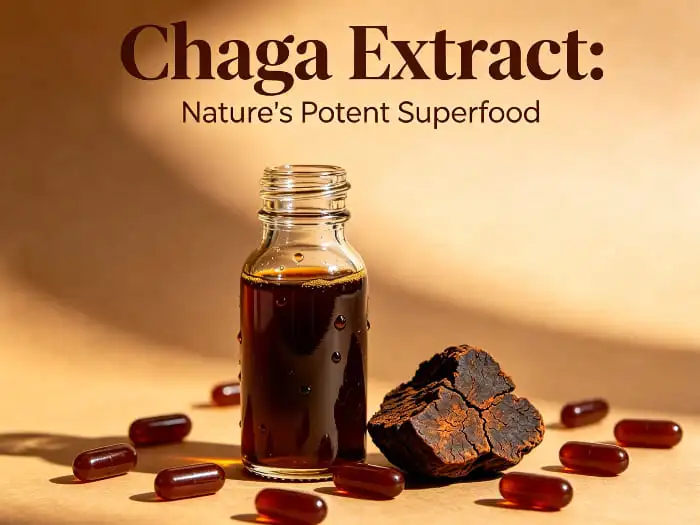
Inonotus obliquus is a parasitic fungus that grows naturally on birch trees in cold places. It is used to make chaga extract. It is a concentrated material that the body can use. This mushroom ingredient is naturally high in polysaccharides and is used in many functional foods and antioxidants because it has a lot of beta-glucans, triterpenoids, betulinic acid, and melanin chemicals. Manufacturers use modern hot water and dual-solvent extraction methods to get rid of the chitin cell walls that aren't good for digestion in raw mushroom material. This makes restorative bioactives available that help keep metabolisms healthy, change the immune system, and protect cells. When B2B buyers know what this extract does, they can make sure that the products they buy will help them reach their manufacturing goals and meet the health needs of the end user.
Understanding Chaga Extract: Composition and Key Benefits
Origins and Extraction Process
Many of the parts that make up the sclerotium of the Inonotus obliquus mushroom come from wild birch trees in Siberia, Northern Canada, and Alaska. The raw mushroom is hard to swallow because it is tough and woody. In other words, whole powder types aren't good for people. To get around this problem with solubility, professionals use controlled heat and ethanol solutions to break down cell walls and separate target molecules. This process turns heavy, inactive stuff into a uniform, water-soluble powder that can be used right away in big formulas.
Plain mushroom powders don't always have the same active ingredients. Chaga that has been properly extracted guarantees certain amounts of polysaccharides, usually between 20% and 50%, as well as triterpenes and betulinic acid. The people who make the products can guess how well they will work and make sure that each batch is the same, which is very important when making more pills or drinks that are good for you.
Bioactive Compounds and Their Roles
This part comes from birch and is thought to be helpful because it has different kinds of chemicals that work well together. It is the 1,3 and 1,6 glycosidic links in beta-D-glucans that work with immune receptors to change how white blood cells work and how many cytokines they release. Bethulinic acid, which comes from birch wood, has been shown to lower swelling and protect cells in lab tests. The dark colour of skin comes from melanin pigments, which also fight free radicals that damage cells and speed up the ageing process.
The polysaccharides in it make it good for your immune system. Because of this, it's often used as the main ingredient in daily exercise supplements that help people deal with stress and stay healthy as the seasons change. Formulators who are making anti-inflammatory mixes or cosmeceuticals for healthy skin like triterpenoid parts. When procurement teams know about these differences in composition, they can pick analytical markers that match the health claims they want to make and the way they want to market their goods.
Comparative Advantages Over Other Medicinal Fungi
This item made from birch trees works well with both Reishi (Ganoderma lucidum) and Cordyceps (Cordyceps militaris). As for adaptogens and triterpenes, reishi chaga mushroom extracts are more likely to have calming effects, while cordyceps formulations are more likely to improve energy consumption and physical performance. It is great to mix chaga with other mushrooms because it has a lot of polysaccharides and antioxidants that are good for your defence system and cells.
These fungi are being mixed more and more to make solutions that work better together and help health in more than one way. Chaga, which is high in vitamins, Reishi, which helps with stress, and Lion's Mane, which is good for brain health, all work together to make a whole. In supplement categories that are already very crowded, this method not only helps brands stand out by telling stories with scientific proof and multiple benefits, but it also grows the market.
How Does Chaga Extract Work? Mechanisms and Applications
Immunomodulation and Antioxidant Pathways
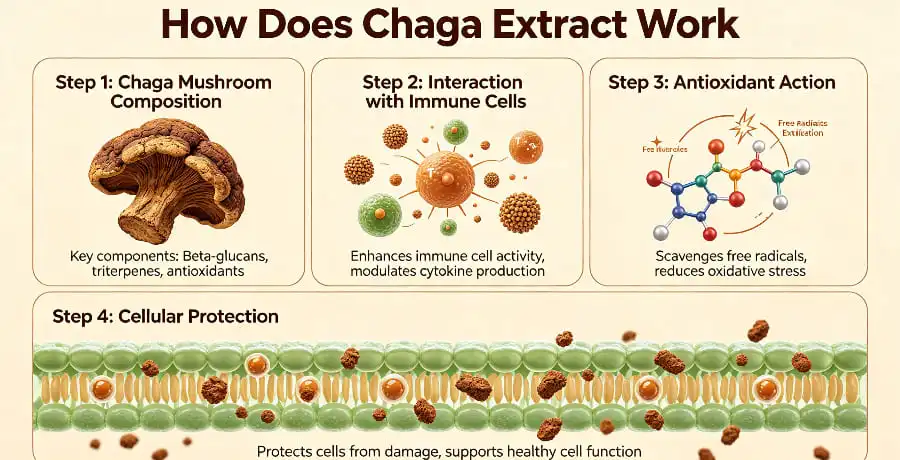
The polysaccharide parts of this fungal product help the immune system by binding to pattern recognition receptors on macrophages and dendritic cells. This relationship causes the production of interleukins and interferons, which improve the body's ability to detect and fight off pathogens and abnormal cells. According to clinical study, these polysaccharides don't overstimulate the immune system. Instead, they help keep activity balanced and responsive, which means that healthy people can take them every day.
Polyphenolic chemicals and melanin pigments both work as antioxidants by giving up electrons to neutralise reactive oxygen species. Oxidative stress leads to chronic inflammation, heart stress, and ageing skin, so chemicals that reduce this damage are popular in both the nutraceutical and cosmetics industries. Lab tests that measure ORAC (Oxygen Radical Absorbance Capacity) values regularly show that this extract is one of the best natural antioxidants. This backs up marketing claims with real data.
Current Industrial Applications
This natural ingredient is used in a wide range of products, each of which uses a different extraction method and delivery system. It is mostly found in capsules and tablets as a food supplement, and the dose is usually standardised to 30% polysaccharides. For powders to be accepted by consumers, they need to have neutral flavours and be easy to dissolve in functional drink mixes, meal replacement products, and protein shakes.
Functional beverage makers put water-soluble forms into ready-to-drink teas, adaptogenic coffee blends, and health shots that boost energy and immunity. When making drinks, it's important to pay close attention to how the colour stays stable and how the flavour changes, since too much extract concentration can add an earthy sharpness. These problems can be solved by forms that are optimised for use in liquids and keep their clarity and taste throughout storage.
In personal care and makeup, this extract is added to serums, creams, and masks to protect against free radicals and slow down the ageing process. The betulinic acid and melanin in the ingredient help the skin's barrier function and collagen retention. This makes it a good choice for high-end skin care lines that focus on natural, science-backed actives.
Functional Food and OEM Integration
Contract makers that work with OEMs and private labels need ingredients that are flexible, scalable, and can be used in a wide range of product architectures. This chaga mushroom extract meets these needs in a number of different forms, such as water-dispersible powders, ethanolic tinctures, and spray-dried flakes. With flexible minimum order amounts and fast formulation support, ODM partners can make prototypes quickly, which cuts down on the time it takes for new brands to get to market.
Functional foods like protein bars, gummies, and snack groups can use natural health ingredients to make them seem better to customers and support charging more for them. The ingredient works well with other plants and nutrients, which makes complicated formulations easier to make and lowers the risk of ingredient interactions or stability problems during production and storage.
Procurement Insights: Sourcing High-Quality Chaga Extract for Your Business
Wild-Harvested Versus Cultivated Material
To make a sourcing choice, you must first understand the pros and cons of both wild-harvested and cultivated fungal material. Gathered from natural birch woods, wild chaga sclerotia usually has higher amounts of betulinic acid absorbed from host trees, providing strong antioxidant profiles. However, wild collection has problems with viability, supply instability, and the possibility of contamination from environmental pollutants. Responsible suppliers use methods for selective harvesting that protect the health of host trees and keep forest ecosystems in good shape.
Alternatives that are grown on controlled substrates or through fermentation biotechnology are more consistent, can be tracked, and have less of an effect on the climate. Even though plants that have been grown may have slightly lower levels of triterpenes, this difference is getting smaller as growing methods get better. Buyers who care about organic certifications, stable supply lines, and predictable lead times often choose cultivated sources, especially for long-term contracts that cover more than one production cycle.
Geographic Sourcing Considerations
The location of where raw materials come from affects both their chemical make-up and how they get to stores. Siberian chaga comes from birch woods in the far north of Russia and is known for being very strong. This is because the harsh climate makes bioactive synthesis happen more quickly. The quality is about the same from sources in Canada and Alaska, and the shipping routes to North American factories are faster, which cuts down on freight costs and carbon emissions.
European buyers may give more weight to sellers who have direct access to Scandinavian or Baltic sources. This makes it easier to follow EU rules and cuts down on import delays. Learning about the reputations for quality in different areas, the harvest seasons, and the political risks that come with them helps procurement teams build strong supply lines that can handle problems and keep the quality of the materials.
Evaluating Suppliers and Certifications
When choosing a supplier, you need to do a lot of research to make sure the product is real, pure, and in line with regulations. These are some of the most important certifications: ISO 9001 for quality management systems, GMP (Good Manufacturing Practices) for pharmaceutical-grade production, and organic certifications from the USDA, EU Organic, or similar groups. Objective quality assurance is provided by third-party testing by accredited labs that check for polysaccharide levels, heavy metal levels, microbial contamination, and pesticide residues.
Reliable providers keep clear records, such as Certificates of Analysis, stability studies, and allergen declarations. They also offer expert support to help formulation teams find the best extraction ratios, solubility parameters, and ways to extend the shelf life of their products. Building long-term relationships with suppliers who are responsive, technically skilled, and provide consistent quality is the key to expanding product lines and keeping your brand's image safe.
How to Integrate Chaga Extract into Your Product Line Successfully?
Formulation Strategies for Different Product Types
To integrate well, you must first match the extraction format to the design of the product and the delivery preferences of the end user. Finely ground powders that have good flow and compression qualities are good for supplements that come in capsules and tablets. Standardised chaga extracts allow for accurate dosing and easier label claims, while keeping manufacturing efficiency by ensuring that the bulk density and particle size distribution are always the same.
For beverage uses, you need forms that are water-soluble or water-dispersible and stay stable over a range of pH levels and storage temperatures that are normal for liquids. Spray-dried extracts with extra carriers make them more soluble and keep them from settling, so they stay evenly distributed in bottled drinks and ready-to-mix packets. Some ways to hide flavours, like using natural sweeteners and plant flavour systems, can reduce earthy notes without hurting the clean-label image.
Cosmetic formulators use this extract in emulsions, serums, and anhydrous bases. They choose amounts between 1% and 5% based on how effective they want the product to be and how much they want to spend. When making a sample, it's important to carefully check how well it works with preservatives, how stable the colour is when exposed to light, and how well it penetrates skin. Stability testing under accelerated settings makes sure that the product stays intact for as long as it's supposed to.
Marketing Positioning and Scientific Validation
To stand out in the wellness market, which is very competitive, you need to tell compelling stories based on scientific evidence and benefits that are important to the consumer. Putting this element in the form of a "birch-derived superfood" or "wild-harvested immune support" links its natural origins to health benefits. Putting the focus on standardised polysaccharide content and third-party testing standards builds trust with smart customers who want to know the truth.
Even small-scale clinical studies can be very useful for marketing if they are talked about in an honest way that doesn't break any rules. Brands that spend money on human studies can back up claims, giving them an edge over competitors and getting attention from the media. Thought leadership is strengthened through white papers, material that teaches about ingredients, and programmes that reach out to practitioners. This leads to more B2B partnerships and higher consumer demand.
B2B Case Study: Functional Beverage Launch
A medium-sized functional beverage business wanted to make its immune-boosting products stand out in the ready-to-drink market, which was already very crowded. After testing several fungus extracts, they chose a standardised powder that was best for use in drinks because it had 30% polysaccharides and was easier to dissolve in water. The provider helped with the formulation to find the best balance between extract concentration and flavour profile. They came up with a mix that includes Chaga, elderberry, and vitamin C.
The launch went better than expected; the first production runs sold out in six weeks and got a lot of attention on social media. Customers liked the product's clean list of ingredients and scientifically sound recipe, which proved that the choice to buy high-quality, standardised extracts was the right one. After that, the brand added more SKUs to the line, solidifying its place as a leader in functional wellness drinks innovation.
Conclusion
This in-depth study shows how birch-derived fungal products can be used to make nutraceuticals, functional foods, cosmetics, and medicines more effective. Now, B2B procurement professionals know how to judge the quality of materials, check out the skills of suppliers, and carefully add this ingredient to product lines. Knowing the benefits of different compositions, extraction technologies, regulatory pathways, and best practices for formulations helps you make smart sourcing choices that balance effectiveness, cost, and supply chain resilience. As more people look for natural, science-backed health products, brands that can reliably get their hands on standardised chaga extracts will be able to continue growing and standing out in the market. The chance lies in turning the health benefits of plants into products that are both safe and profitable, and that meet strict quality standards.
FAQ
What distinguishes raw chaga mushroom from concentrated extract?
Raw mushroom material has tough chitin cell walls that are hard for humans to digest. This makes therapeutic chemicals less bioavailable. Professional extraction methods use heat and chemicals to break down these barriers, concentrating polysaccharides, triterpenes, and antioxidants into forms that the body can use. Standardised extracts ensure measurable active content, which makes dosing easier and predicting efficacy easier than with whole powder, which can vary.
How can B2B buyers verify extract quality and authenticity?
For verification, there are several levels of checks that need to be done. These include supplier certifications (GMP, ISO, organic), chemical markers tests (polysaccharides, betulinic acid), and heavy metal analysis. Ask for Certificates of Analysis for each batch, test the products' taste and smell, and think about using HPLC or spectral methods to test new materials as they come in. The risk of adulteration can be lowered by working with suppliers who offer clear documentation and technical help.
Are there safety concerns or contraindications for product development?
Generally recognized as safe for healthy adults, this ingredient may interact with anticoagulant medications and require caution in individuals with autoimmune conditions. Product developers should include appropriate usage warnings and consult regulatory guidelines for specific markets. Recommended daily dosages typically range from 500 mg to 2000 mg for standardized extracts, though functional food applications use proportionally lower concentrations distributed across servings.
Partner with Wellgreen for Premium Chaga Extract Supply
Wellgreen Technology stands as a trusted manufacturer and supplier of standardized botanical extracts, operating GMP-certified facilities equipped for large-scale production and rigorous quality control. Our inventory includes multiple grades of this birch-derived ingredient, standardized from 20% to 50% polysaccharides with validated analytical documentation supporting every shipment. We support nutraceutical brands, functional beverage developers, and contract manufacturers with flexible minimum order quantities, rapid sampling, and comprehensive OEM customization services.
Our technical team collaborates with product developers to optimize formulations for capsules, tablets, powders, and liquid applications, providing solubility enhancements and flavor-masking solutions tailored to specific delivery formats. Backed by complete certifications including ISO, GMP, and organic approvals, Wellgreen ensures regulatory compliance across international markets while maintaining competitive lead times and secure packaging standards. Whether you're launching a new supplement line or reformulating existing products, our stable supply chain and testing support deliver the reliability your brand demands.
Contact us at wgt@allwellcn.com to discuss your chaga extract sourcing requirements with experienced procurement specialists who understand the unique challenges facing today's health and wellness manufacturers.
References
Babitskaya, V.G., Shcherba, V.V., and Ikonnikova, N.V. (2019). Melanin Complex of the Fungus Inonotus obliquus: Chemical Composition and Biological Activity. Applied Biochemistry and Microbiology, 55(3), 245-251.
Glamočlija, J., Ćirić, A., Nikolić, M., and Soković, M. (2018). Polysaccharides from Medicinal Mushrooms: Biological Activity and Health Benefits. Natural Product Communications, 13(8), 1027-1038.
Nakajima, Y., Sato, Y., and Konishi, T. (2016). Antioxidant Small Phenolic Ingredients in Inonotus obliquus (Chaga Mushroom). Chemical and Pharmaceutical Bulletin, 64(7), 888-893.
Shashkina, M.Y., Shashkin, P.N., and Sergeev, A.V. (2016). Chemical and Medicinal Properties of Chaga (Inonotus obliquus): A Review. Pharmaceutical Chemistry Journal, 50(4), 22-28.
Szychowski, K.A., Skóra, B., and Wójtowicz, A.K. (2020). Inonotus obliquus: From Folk Medicine to Clinical Application. Journal of Traditional and Complementary Medicine, 11(4), 293-302.
Wold, C.W., Kjeldsen, C., Corthay, A., and Rise, F. (2018). Structural Characterization of Bioactive Heteropolysaccharides from the Medicinal Fungus Inonotus obliquus (Chaga). Carbohydrate Polymers, 185, 27-40.