What is Reishi Extract Good For?
2026-05-14 14:16:12
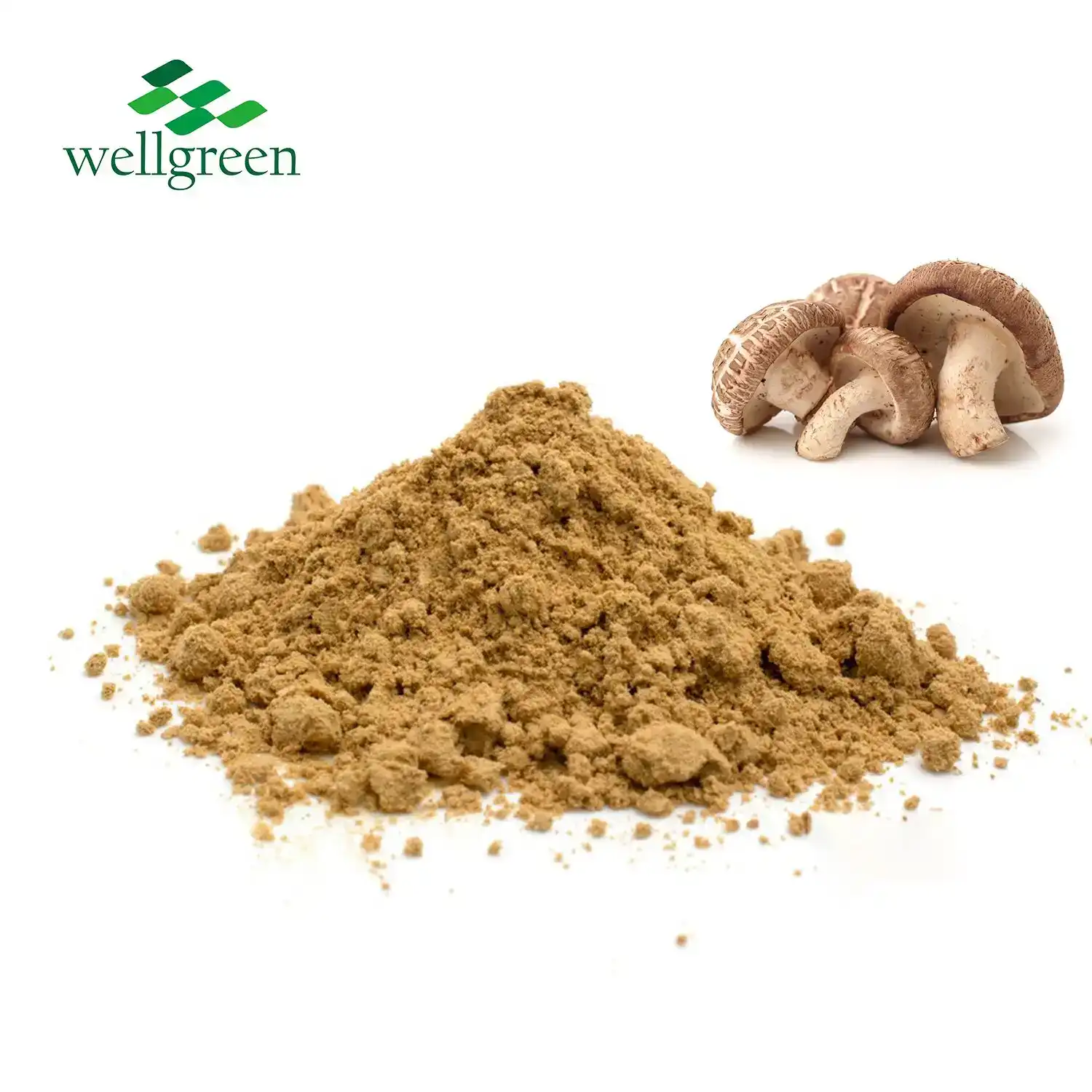
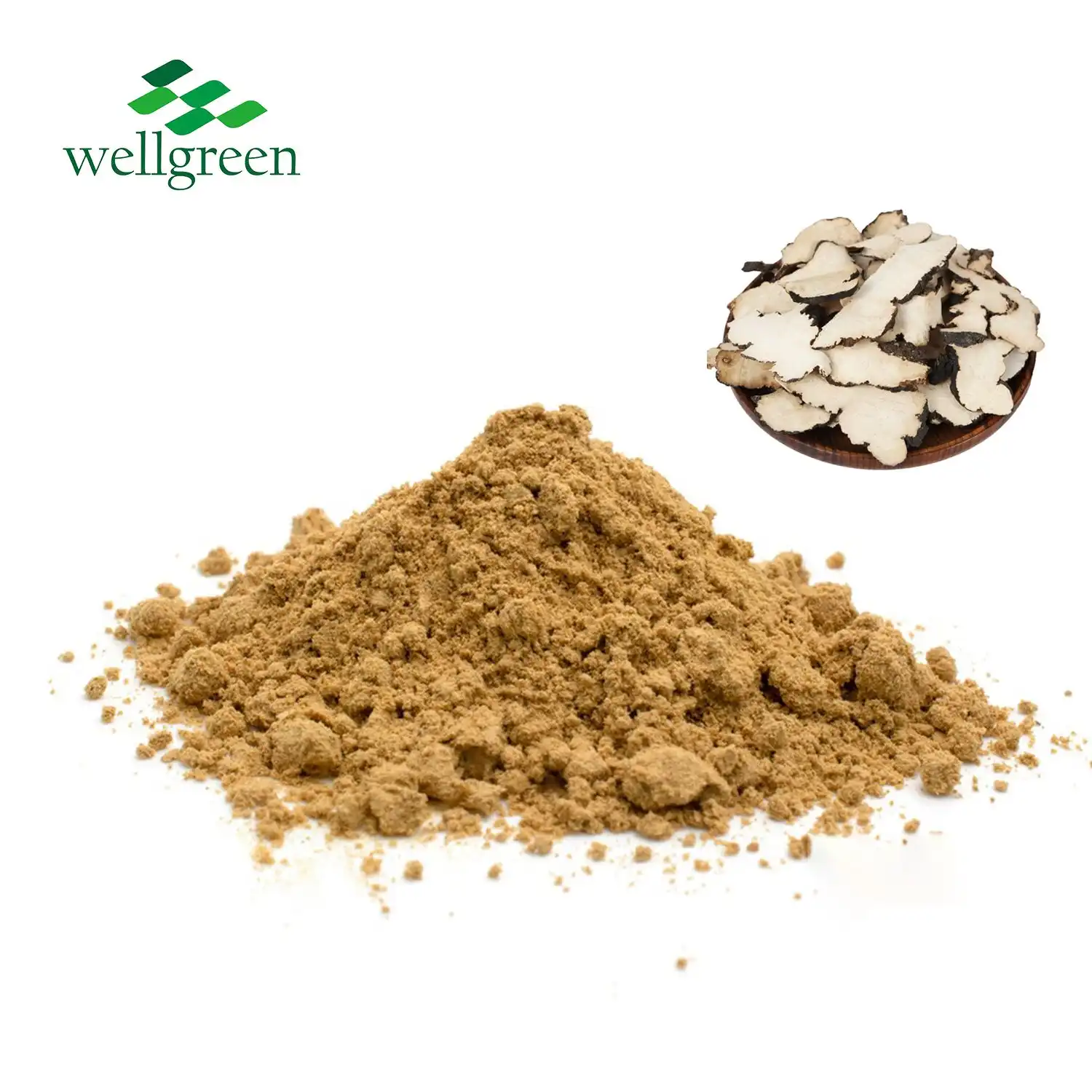
Reishi extract, which comes from the growing body of the Ganoderma lucidum mushroom, is a polysaccharide-rich plant ingredient that is used in many functional foods, immune-supporting supplements, and herbal blends that work well together. This ancient mushroom used to be a traditional medicine, but now it is a scientifically proven ingredient. It gives B2B manufacturers a mature, well-known ingredient that is perfect for basic health goods. Its high concentration of bioactive compounds, especially polysaccharides and triterpenoids, gives real health benefits that meet the market's need for preventive care options right now.

Understanding Reishi Extract: What It Is and How It Works?
The Botanical Foundation of Ganoderma Lucidum
Ganoderma lucidum, which is often called the "mushroom of immortality," has been honoured in Asian traditional medicine for more than 2,000 years. The extract from the fruiting body is very different from the powder made from the whole mushroom because bioactive chemicals are separated and amplified during the concentration process. Raw Reishi mushrooms have tough fibres that are hard for humans to stomach. However, extraction methods get rid of these tough fibres, leaving behind a powerful powder full of healing molecules.
Depending on how it was made, the standardised extract usually has between 10 and 50 percent carbohydrates and a triterpenoid content that can be measured. These chemicals are at the heart of Reishi's biological action, which makes extracts much more useful than unprocessed versions.
Key Bioactive Compounds: Polysaccharides and Triterpenoids
Reishi polysaccharides, especially beta-glucans, change how cells react biologically. When these complex sugars bind to immune cell receptors, they start a chain of events that boosts the body's natural defences. Researchers have found that beta-glucans activate macrophages, natural killer cells, and T-lymphocytes, which are important parts of both innate and adaptive defence.
Triterpenoids, especially ganoderic acids, help Reishi's ability to reduce inflammation and protect the liver. These chemicals are structurally related to steroid hormones, which lets them control processes that cause inflammation and help cells deal with stress. The bitter taste of good Reishi extracts is directly related to the amount of triterpenoid present, which can be used by expert formulators as an organoleptic quality indicator.
Mechanisms of Action: Immune Modulation and Beyond
The extract works on several physiological processes at the same time. In terms of immunity, polysaccharides boost phagocytic activity and the release of cytokines, which leads to a balanced immune response instead of just stimulation. This two-way modulation is very helpful because it can improve immune function that isn't working well while reducing reactions that are too inflammatory.
Directly scavenging free radicals and increasing the activity of natural antioxidant enzymes such as superoxide dismutase are both parts of the antioxidant system. This two-way action fights oxidative stress at both the cellular and systemic levels, keeping DNA, proteins, and lipids from getting damaged. The anti-inflammatory benefits work by blocking the NF-κB pathway. This stops the production of pro-inflammatory mediators without stopping the immune system from doing its important job of keeping things safe.
Health Benefits of Reishi Extract: Why It's Valued in Global Markets
Immune System Support: The Primary Application
Immune control is still the main use that drives demand for Reishi extract in the nutraceutical market. Clinical studies have shown that taking supplements leads to more antibodies being made and more immunity cells multiplying. These benefits are especially important for seasonal wellness formulas and products aimed at people with weak immune systems.
The extract's immune-modulating effects go beyond just making the immune system stronger. Research shows that it can help people with autoimmune diseases where the balance of the immune system, not its overactivity, decides how well the treatment works. Because of this complex mechanism, Reishi is a useful ingredient that can be used in a wide range of immune-boosting products, from everyday supplements to specific wellness programmes.
Stress Reduction and Sleep Quality Enhancement
Adaptogenic traits put Reishi in the group of plants that help living things deal with different kinds of stress. The triterpenoid fraction has calming effects by changing the GABAergic pathway. It helps with relaxation without making you sleepy during the day when used in the right amounts. In many clinical studies, people who took standardised Reishi extracts had better sleep quality and a shorter time between falling asleep and waking up.
These benefits help calm you down and go along with current wellness trends that focus on mental health and recovery. More and more, product makers are combining Reishi with ingredients that work well together, like L-theanine or magnesium, to make formulations that help with the sleep-stress-immunity triangle. Because the extract has a mild effect, it can be used in regular products instead of formulas for quick relief.
Antioxidant and Anti-Aging Applications
Oxidative stress is at the root of many age-related diseases, which is why antioxidants will always be important in preventive health markets. Both in vitro and in vivo studies show that reishi extract is very good at getting rid of free radicals. In addition to protecting mitochondrial function, it also helps cells make energy and keeps metabolisms running smoothly as people age.
The cosmetics industry has taken notice of these benefits and now uses Reishi ingredients in anti-aging skin care products. Topical applications use anti-inflammatory and antioxidant properties to improve skin barrier function, lower visible signs of photoaging, and improve general complexion. This cross-category usefulness opens up new market possibilities that go beyond the usual uses for supplements.
Cardiovascular and Liver Health Support
New study shows that there are benefits for the heart, such as lowering blood pressure and improving lipid profiles. Triterpenoids seem to stop the production of cholesterol and speed up the breakdown of lipids, which helps the heart work better. Even though these effects aren't as strong as those of drugs, they are still helpful in integrative wellness methods.
Hepatoprotective effects come from antioxidants and direct processes that protect cells. Animal studies show that giving reishi mushroom extract along with hepatotoxic tasks lowers the levels of liver enzymes and fats that get into the liver. Even though there isn't a lot of clinical data on humans yet, these results back adding them to detoxification formulas and liver support products that aim to improve metabolic health.
Comparing Reishi Extract with Other Popular Extracts and Forms
Reishi Versus Other Functional Mushrooms
The functional mushroom category has grown quickly, giving product makers more options and making it harder to choose which ingredients to use. Comparing benefits helps make formulation methods work better.
Reishi vs. Chaga: Both are antioxidants, but Chaga (Inonotus obliquus) is better at getting rid of free radicals because it has very high ORAC values. Reishi has a wider range of immune-modulating and adaptogenic benefits, which means it works better in all-around wellness products than in antioxidant-focused ones.
Reishi vs. Lion's Mane: Lion's Mane (Hericium erinaceus) is good for brain health because it stimulates nerve growth factors. The main brain benefits of reishi are lowering stress and making sleep better. Combination formulas that use both mushrooms work on brain function and recovery at the same time, making wellness solutions that work better together.
Reishi vs. Cordyceps: Cordyceps (Cordyceps militaris) mostly helps with energy and athletic performance by making the body use oxygen better and make more ATP. Reishi is good for healing, keeping your immune system healthy, and dealing with stress. Because these two effects work together, mushroom matrix formulations are becoming more and more common in high-tech supplement designs.
When comparing Reishi and Ashwagandha, Ashwagandha is an adaptogen from a different plant family. Both Ashwagandha and Reishi reduce stress, but in different ways. Ashwagandha does this by changing cortisol levels and balancing the HPA axis, while Reishi does this through GABAergic and immune pathways. Combined use deals with stress from different directions without doing the same thing twice.
Powder Versus Capsule Forms: Manufacturing Considerations
When it comes to formulation, extract powder gives you the most options. It can be added to drinks, protein mixes, functional foods, and custom capsules. Buying powder in bulk is useful for companies that are making their own formulas or need to change the strength of a product. Spray-dried versions that dissolve in water make them easier to use in drinks, but the natural bitterness needs to be worked out.
Capsule formats make dosing easier and hide the taste, which makes them appealing to contract makers who make finished goods that are ready to use. While pre-encapsulated material cuts down on handling steps, it limits the creativity of formulation. The way prices are structured is very different. Powder usually has better economies of scale, while capsules charge more for ease of use.
In high-speed encapsulation operations, bulk density and flowability affect how well the product is made. Quality Reishi extract powder has uniformly sized particles and the right amount of moisture (below 5%), which keeps it from clumping and makes sure that automated equipment doses it correctly.
Organic Versus Conventional: Quality Distinctions
Organic certification meets the growing demand for clean labels and gives marketers a way to stand out in the premium product market. Organic reishi mushroom extract costs 20–40% more than regular Reishi extract, but it can be sold through natural products channels and to consumers who care about the environment.
Conventional extracts that meet GMP standards have similar bioactive profiles as long as they come from reputable manufacturers that have strict quality control. No matter what the organic status is, heavy metal testing, microbial screening, and pesticide residue analysis are still necessary. A lot of business-to-business buyers use two different ways to find products: organic for high-end lines and conventional for cheaper ones.
The debate over fruiting bodies vs. mycelium has a big effect on how people see quality. The triterpene levels in fruiting body extracts are higher, and they work better with traditional medicine uses. Mycelium products often have grain substrate in them, which lowers the bioactive content. As part of their supply agreements, smart procurement teams make sure that the source material specifications are clear.

Procuring Reishi Extract: What B2B Buyers Need to Know
Supplier Evaluation: Quality Assurance and Certifications
To find reliable suppliers, you need to look at their quality systems and paperwork in a planned way. ISO 9001 certification shows that basic quality management is being used, while GMP certification, especially for facilities that are FDA-registered for US markets, shows that pharmaceutical-grade manufacturing standards are being met. These certifications give you a basic level of confidence, but they need to be backed up by tests and audits.
A review of the Certificate of Analysis (COA) shows important quality indicators. Some important requirements are testing for polysaccharide content (using UV-VIS or colorimetric assay), heavy metals (lead, cadmium, mercury, and arsenic below regulatory limits), microbial content (total plate count, yeast/mold, pathogens), and pesticide residues. When these parameters stay the same from batch to batch, it means that the process is being controlled well.
Third-party testing by unbiased labs backs up what suppliers say and keeps quality problems at bay. Suppliers with a good reputation welcome this kind of testing and keep working with accredited testing facilities. By asking for multiple batch COAs from different production periods, you can check for long-term consistency, which is very important for brands that need stable supply chains.
Bulk Buying Considerations and Pricing Structures
Price breaks usually happen at 50 kg, 100 kg, 500 kg, and 1000 kg or more, depending on the volume commitment. Standardised extracts (30% polysaccharides) cost between $40 and $80 per kilogram for medium-sized amounts, and organic versions sell for more. Higher concentration extracts (50% polysaccharides) raise prices in a proportional way but lower the dosages that are needed, which could improve the economics of the finished product.
Minimum order quantities (MOQ) are different for each supplier and product. Standard grades (10% and 30% polysaccharides) are often kept in stock by well-known manufacturers, which lets them offer smaller MOQs (25–50 kg). For custom specifications that need dedicated production runs, commitments of 500 kg or more may be needed to cover setup costs and testing costs.
When setting prices, you should also think about payment terms and how reliable the supply is. Net terms of 30 to 60 days work well for suppliers with whom you already do business, but new suppliers may need deposits or letters of credit. Availability changes with the seasons, so prices may go up for raw materials that depend on harvests from Q4 to Q1. Strategic buyers sign one-year contracts with deliveries every three months. This locks in prices and makes sure there is a steady supply.
Market Trends for 2024: Demand Growth and Emerging Niches
The markets for functional mushrooms are expected to keep growing quickly, with annual growth rates of over 8% expected until 2028. Reishi is still the market leader in this category because it is widely accepted and has been clinically tested a lot. In the US market, immune-support positioning is very popular, while in Europe, stress reduction and sleep quality applications are more popular.
The segment that is growing the fastest is beverage applications. Mushroom coffee and functional tea products are introducing Reishi to younger people. For these uses, water-soluble extracts with perfect flavour profiles are needed, which opens up opportunities for premium ingredients. RTD (ready-to-drink) forms need to be very stable and free of microbes so they can be shipped without being chilled.
As more brands look for full solutions, OEM/ODM services for mushroom-based goods have grown. A big chunk of the market is taken up by contract manufacturers who offer formulation expertise, regulatory support, and flexible production volumes. This trend favours extract suppliers who offer technical support in addition to selling basic materials. These suppliers can build partnerships by helping customers with their applications and creating unique specifications.
Conclusion
Reishi extract is a market-proven and scientifically proven ingredient that helps the immune system, lowers stress, protects against free radicals, and makes the body more adaptable. It is well-known in the market and is being used more and more in vitamins, functional drinks, and cosmetics. This makes it an important ingredient for companies that want to attract people who care about their health. Premium suppliers are different from commodity suppliers because they use standard polysaccharide content, fruiting body sourcing, and strict testing methods to show differences in quality. Successful procurement strategies find a balance between the need for certification, batch consistency, and the dependability of the supply chain. They also make sure that the specs are in line with the intended uses and what customers expect.
FAQ
What concentration of polysaccharides should I look for in reishi extract?
Professional formulations usually list 30% polysaccharide content as the norm, which strikes a good balance between effectiveness and cost-effectiveness. Lower concentrations (10–20%) are good for uses that need to stay within a budget, while 50% extracts may be used in high-end products. The right percentage depends on how much of the product is being used and where it is being sold. Check the testing method in COAs all the time, because different test methods give different outcomes.
Can reishi extract be combined with other mushroom extracts?
Combining Reishi with Lion's Mane, Cordyceps, and Chaga in mushroom matrix formulations makes goods that work better together and help with more than one health issue. People like these mixes in both the supplement and functional beverage areas. There aren't many worries about compatibility, but the amount of mushroom extract in each serving should stay within safe limits. Formulation knowledge helps find the best amounts for different health claims and marketing to consumers.
How does extraction method affect reishi extract quality?
Polysaccharides can be easily separated using hot water extraction, and triterpenoids can be concentrated using alcohol extraction. Full-spectrum profiles that include both bioactive classes are made by dual extraction methods that combine the two ways. Spray-drying vs. freeze-drying changes how well something dissolves and how the particles behave. Reliable sellers describe the extraction method, which helps formulators choose the right grades for different uses and stability needs.
Partner with Wellgreen for Premium Reishi Extract Supply
Wellgreen Technology stands as a specialized reishi extract manufacturer committed to delivering standardized herbal powders meeting stringent B2B requirements. Our GMP-certified facilities produce customizable polysaccharide specifications from verified fruiting body sources, supporting both organic and conventional grades with exceptional batch-to-batch consistency. Whether developing immune-support capsules, functional mushroom beverages, or complex botanical matrices, we provide rapid R&D assistance, complete certification documentation, and flexible MOQ options suiting both emerging brands and established OEM operations. Our extensive inventory ensures prompt delivery, while comprehensive testing protocols (heavy metals, microbiology, potency) guarantee product integrity throughout your supply chain. Contact our technical team at wgt@allwellcn.com to discuss your formulation requirements and receive customized specifications aligned with your product vision and market positioning.
References
Wachtel-Galor S, Yuen J, Buswell JA, Benzie IFF. "Ganoderma lucidum (Lingzhi or Reishi): A Medicinal Mushroom." In: Benzie IFF, Wachtel-Galor S, editors. Herbal Medicine: Biomolecular and Clinical Aspects. 2nd edition. Boca Raton: CRC Press, 2011.
Cör Andrejč D, Knez Ž, Knez Marevci M. "Antioxidant, Antibacterial, Antitumor, Antifungal, Antiviral, Anti-inflammatory, and Nevroprotective Activity of Ganoderma lucidum: An Overview." Frontiers in Pharmacology, 2022.
Bishop KS, Kao CH, Xu Y, Glucina MP, Paterson RR, Ferguson LR. "From 2000 Years of Ganoderma lucidum to Recent Developments in Nutraceuticals." Phytochemistry Reviews, 2015.
Ahmad MF. "Ganoderma lucidum: Persuasive Biologically Active Constituents and Their Health Endorsement." Biomedicine & Pharmacotherapy, 2018.
Xu Z, Chen X, Zhong Z, Chen L, Wang Y. "Ganoderma lucidum Polysaccharides: Immunomodulation and Potential Anti-tumor Activities." American Journal of Chinese Medicine, 2011.
Sanodiya BS, Thakur GS, Baghel RK, Prasad GB, Bisen PS. "Ganoderma lucidum: A Potent Pharmacological Macrofungus." Current Pharmaceutical Biotechnology, 2009.